Safe Use of Mobile Payment Apps: A Comprehensive Guide
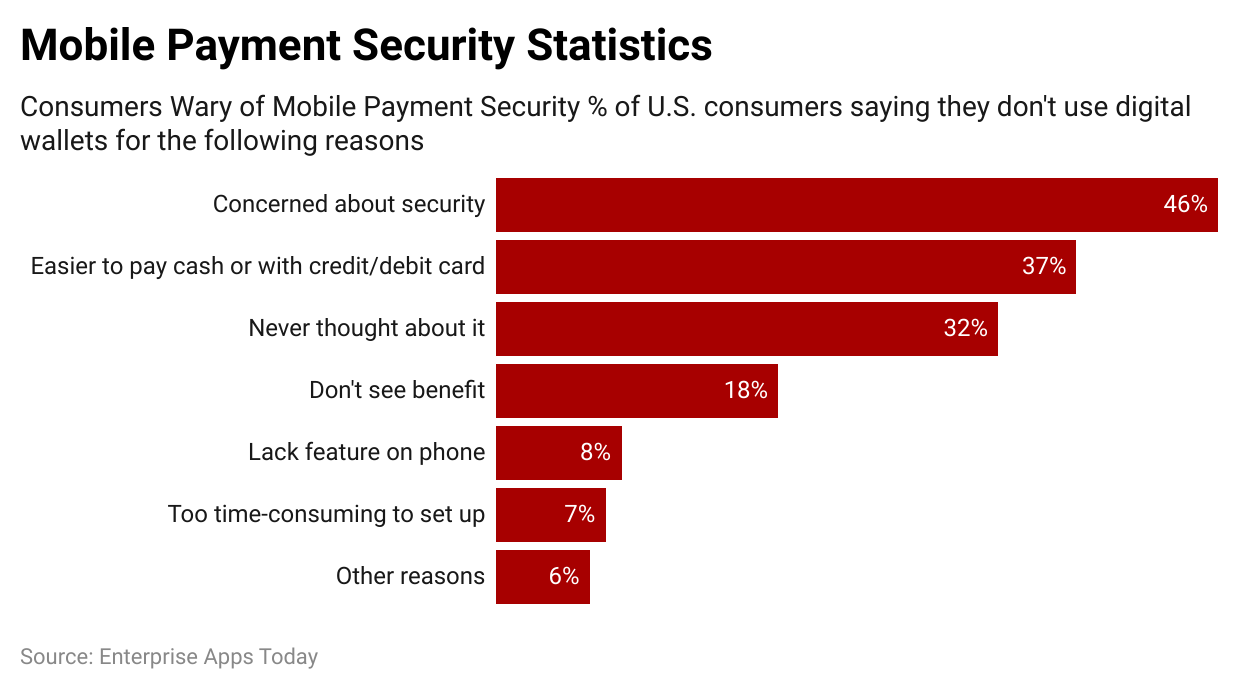
Mobile payment apps have revolutionized the way we send and receive money, making transactions faster, more convenient, and accessible on-the-go. However, with the increasing use of mobile payment services, the risk of scams and security breaches has also risen. In this article, we'll explore the safe use of mobile payment apps, highlighting the security features, common risks, and best practices to protect your financial data.
How Mobile Payment Apps Work
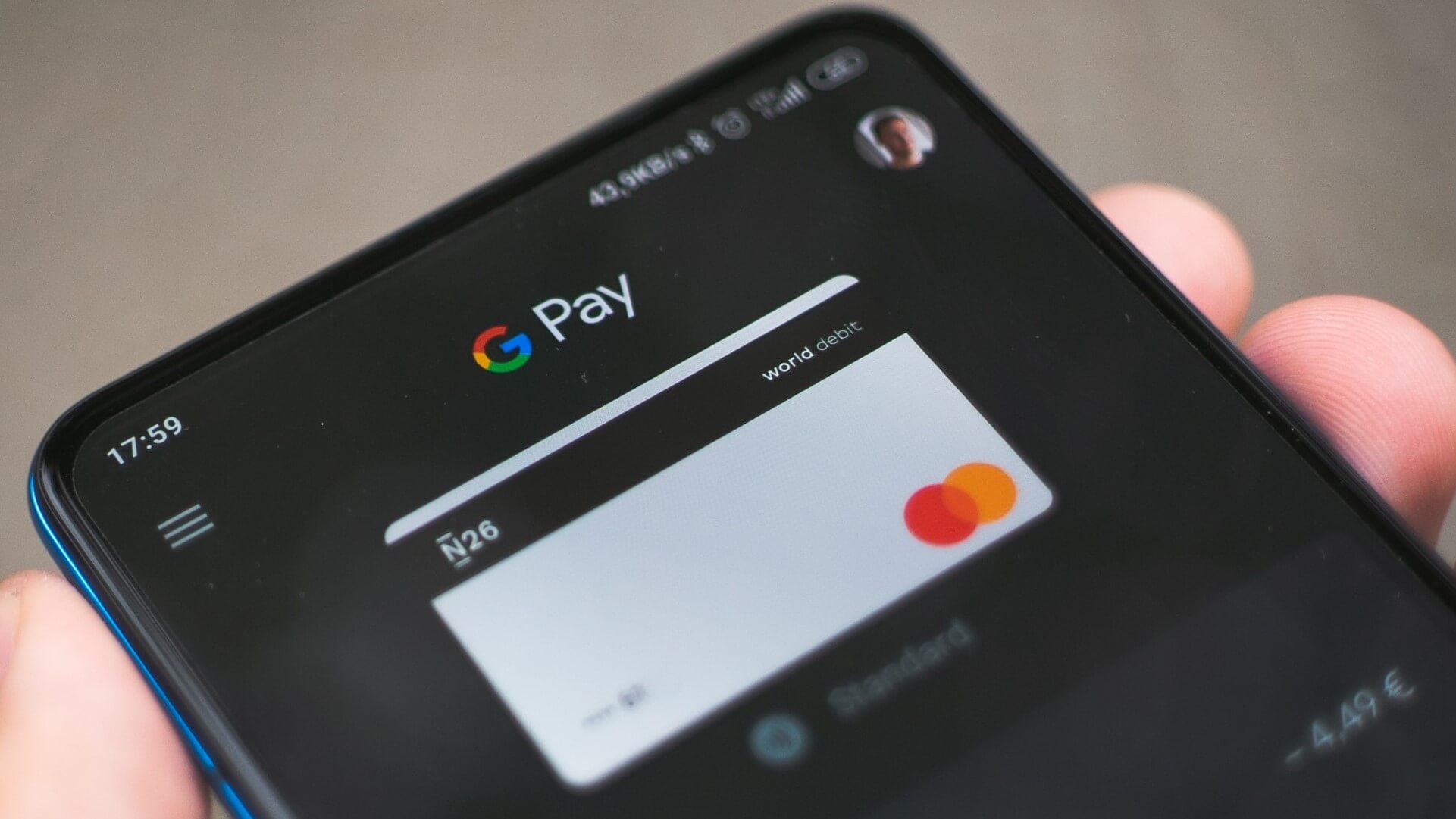
Mobile payment apps typically use a range of features to enhance security, including tokenization, encryption, and two-factor authentication. These features help protect your financial data and prevent unauthorized transactions. When you link your bank account or debit card to a mobile payment app, the service generates a token that represents your account information. This token is used to process transactions, ensuring that your actual account details remain secure.
Security Features of Mobile Payment Apps
- Tokenization: Mobile payment apps use tokenization to replace sensitive account information with a unique token. This token is used to process transactions, making it more difficult for scammers to access your actual account details.
- Encryption: Many mobile payment apps use encryption to protect your financial data. This ensures that even if a hacker gains access to your account information, they won't be able to read or use it without the decryption key.
- Two-Factor Authentication: Mobile payment apps often require two-factor authentication (2FA) to verify your identity. 2FA adds an extra layer of security, making it more difficult for scammers to gain unauthorized access to your account.
Common Risks Associated with Mobile Payment Apps
While mobile payment apps offer a range of security features, there are still risks associated with their use. Some common risks include:

- Phishing Scams: Scammers may send you fake messages or emails asking you to verify your account information or provide sensitive details.
- Malware: Malware can infect your mobile device, giving scammers access to your account information and financial data.
- Unsecured Networks: Public Wi-Fi networks may not be secure, making it easier for scammers to intercept your financial data.
Best Practices for Safe Use of Mobile Payment Apps
To minimize the risks associated with mobile payment apps, follow these best practices:
- Always use a secure internet connection when making transactions.
- Keep your mobile device and mobile payment app up-to-date with the latest security patches and updates.
- Use strong passwords and 2FA to verify your identity.
- Be cautious of phishing scams and never provide sensitive information in response to an unsolicited message or email.
Conclusion
Mobile payment apps offer a convenient and secure way to send and receive money. However, with the increasing use of these services, the risk of scams and security breaches has also risen. By understanding the security features, common risks, and best practices associated with mobile payment apps, you can minimize the risks and enjoy the benefits of these services. Remember to always use a secure internet connection, keep your mobile device and app up-to-date, and be cautious of phishing scams to ensure the safe use of mobile payment apps.