Hyperconnectivity in the Food Industry
The food industry has experienced rapid growth over the past two decades, driven by technological advancements that have generated vast quantities of complex data. However, the industry's ability to effectively analyze and leverage this data remains a challenge. The emergence of the fourth industrial revolution, also known as Industry 4.0, has brought about significant changes in the way food is processed, manufactured, and consumed, but the industry's full potential still lies untapped.Digitalization Trends in the Food Industry
In recent years, the food industry has seen a surge in digitalization, with companies adopting various technologies to streamline their operations and improve customer experience. This includes the use of big data, artificial intelligence, and the Internet of Things (IoT). For instance, IoT sensors can monitor temperature, moisture, and other environmental factors in real-time, ensuring that food products are stored and transported safely.The Impact of Hyperconnectivity
Hyperconnectivity is a term coined to describe the seamless interaction between devices, networks, platforms, and people, enabled by advancements such as 5G, IoT, AI, and cloud computing. In the food industry, hyperconnectivity allows for real-time data exchange, tracking, and monitoring of food production, processing, and distribution. This has significant implications for food safety, quality, and customer experience.Benefits of Hyperconnectivity in the Food Industry
Some of the benefits of hyperconnectivity in the food industry include: *- Improved product tracking and tracing
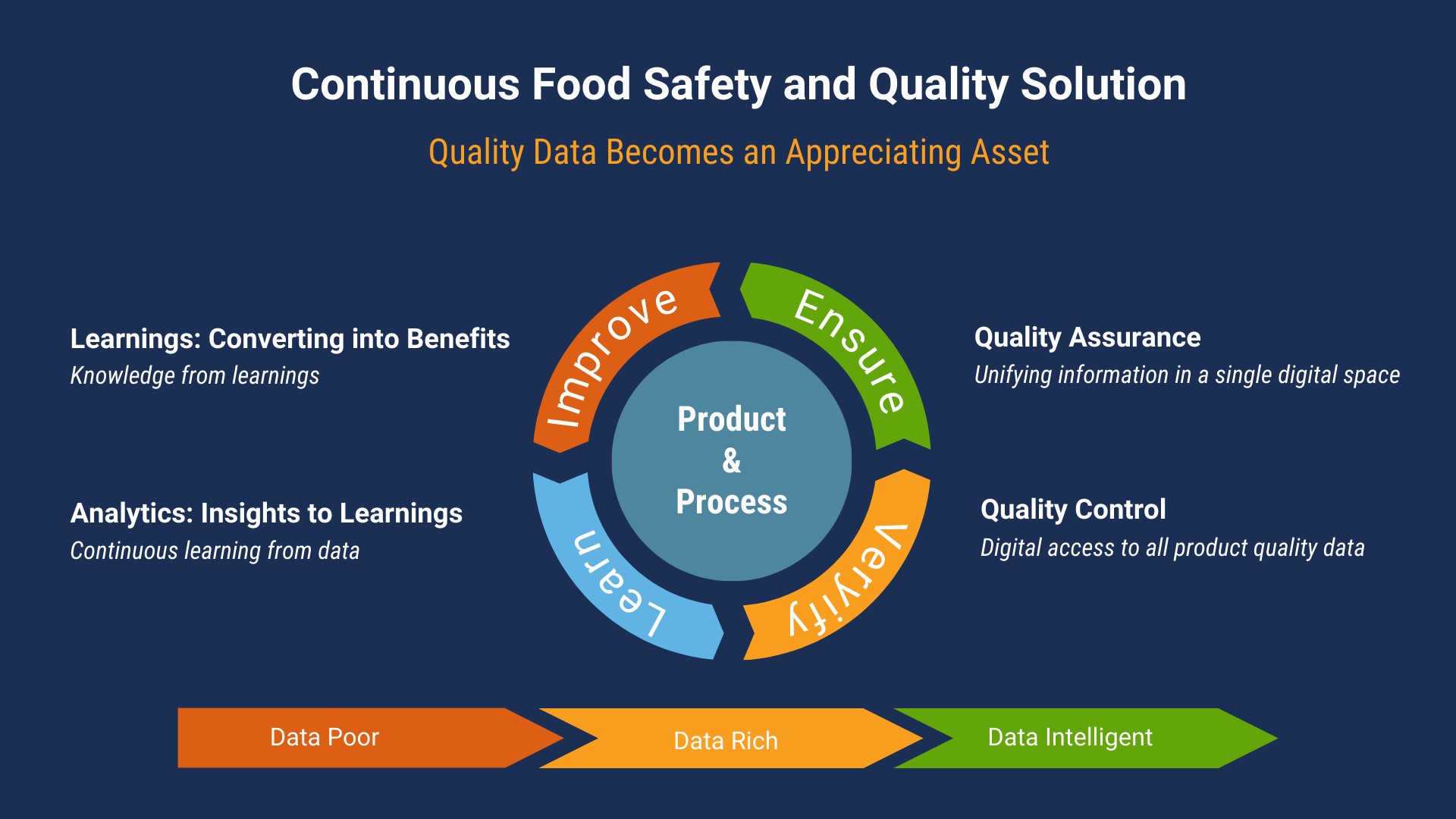
- Enhanced food safety and quality
- Better supply chain management
- Increased customer engagement and satisfaction
- Increased efficiency and productivity