FOMO in Business Communication: The Psychology BehindIt
The fear of missing out (FOMO) has long been associated with social media and personal lives, but its impact extends far beyond that. In business communication, FOMO can be a powerful tool for driving innovation, creativity, and growth. In this article, we'll explore the psychology behind FOMO in business communication and why it's becoming increasingly important for businesses to leverage this phenomenon.
What is FOMO?
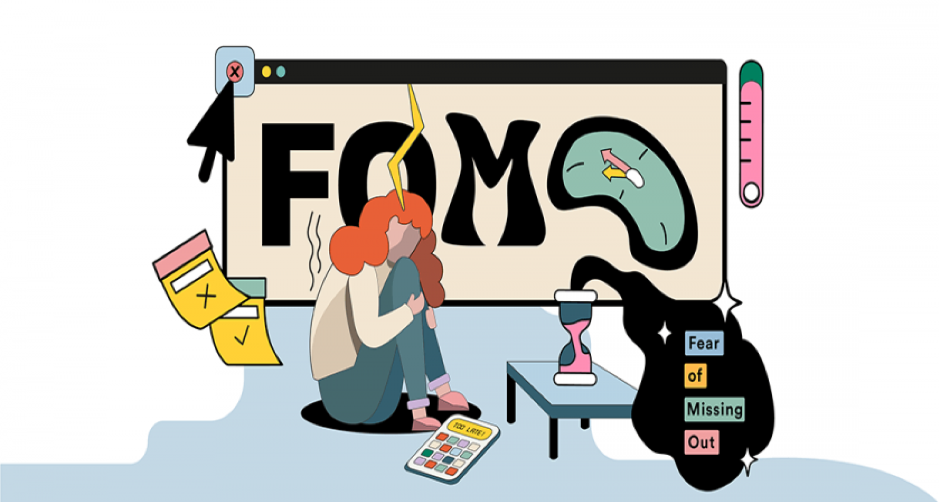
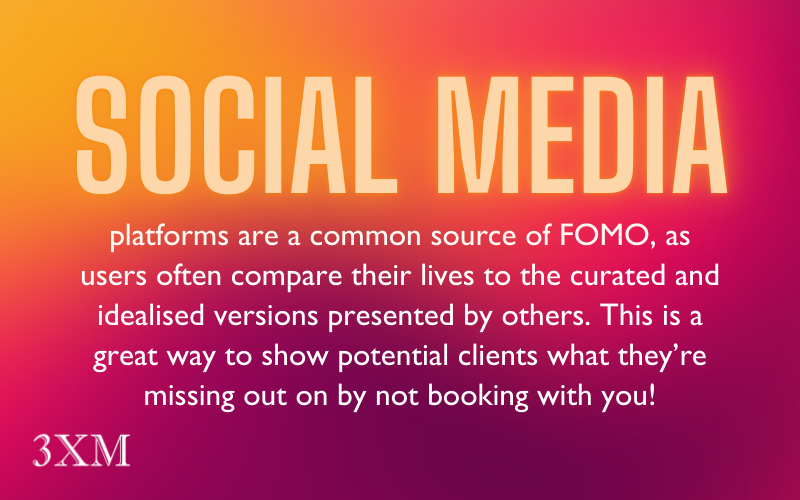
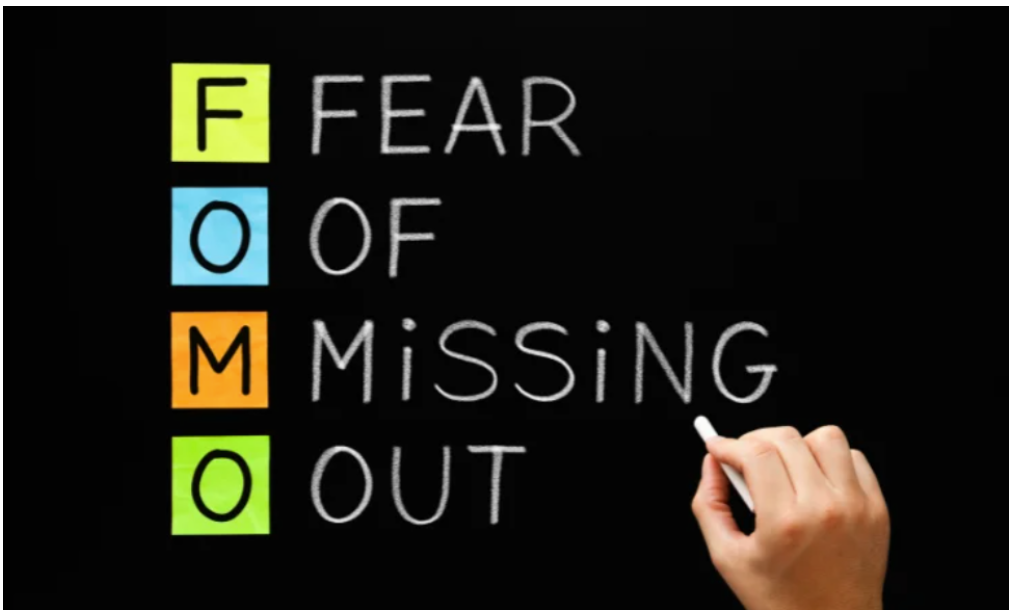
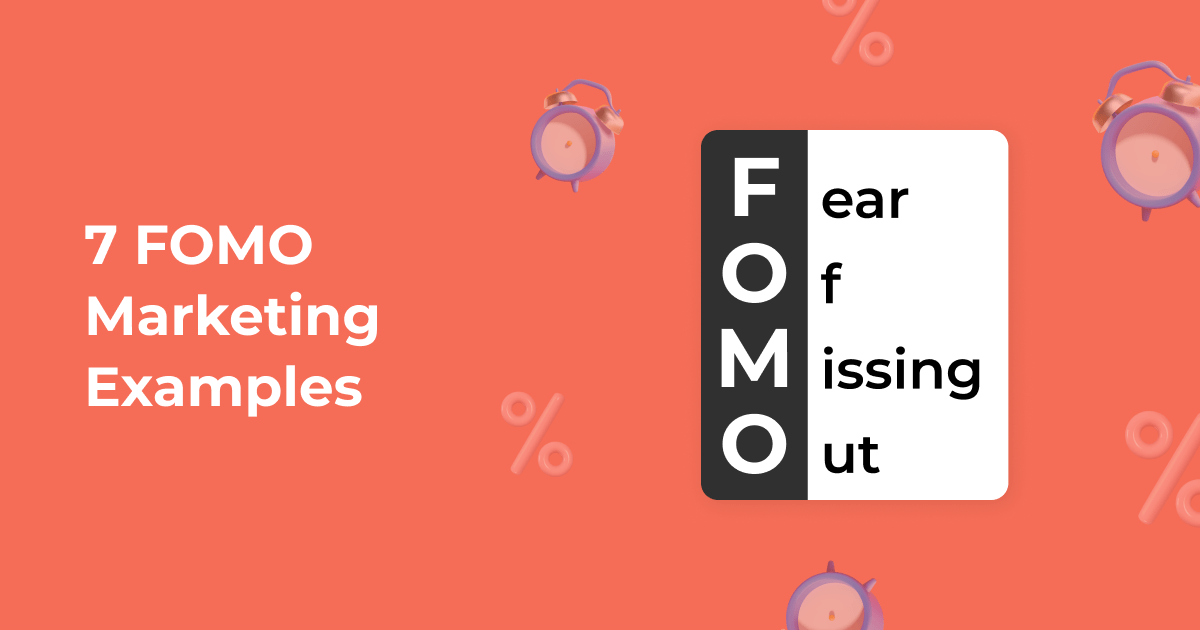
FOMO refers to the feeling or idea that you're missing out on something important or enjoyable that others are experiencing. It's often exacerbated by social media, where individuals frequently witness the highlights of others' lives, leading them to believe they're missing out on exciting events, opportunities, or social interactions. But FOMO isn't just about feeling left out; it's also a fundamental driver of human behavior, influencing our decisions and actions in profound ways.
How Does FOMO Work in Business Communication?
When it comes to business communication, FOMO can be harnessed in various ways to capture attention, drive engagement, and boost conversions. For example, businesses can use social media to create a sense of exclusivity around new product launches, limited-time deals, or special promotions. By tapping into the FOMO phenomenon, businesses can create a sense of urgency and scarcity, driving customers to take action and participate in exclusive experiences.
The Psychology Behind FOMO
The psychological factors behind FOMO are complex and multifaceted, influenced by a range of cognitive, emotional, and social processes. Some key factors contributing to FOMO include:
- Social comparison: the tendency to compare ourselves to others and judge our worth based on their achievements or possessions.
- Urgency: the perception that something must be done immediately, lest we miss out on an opportunity or let others pass us by.
- Scarcity: the perception that resources or opportunities are limited, creating a sense of competition and pressure to act quickly.
- Exclusivity: the sense of belonging to an elite group or being part of an exclusive experience that others can't access.
Benefits of Leveraging FOMO in Business Communication
When leveraged effectively, FOMO can become a powerful tool for driving business growth and innovation. Some benefits of leveraging FOMO in business communication include:
- Increased engagement: by tapping into the FOMO phenomenon, businesses can create a sense of urgency and scarcity, driving customers to engage with their brand and products more deeply.
- Improved conversions: by creating a sense of exclusivity and scarcity, businesses can drive customers to take action and make purchases more quickly.
- Enhanced creativity: the pressure of FOMO can motivate businesses to think creatively and develop innovative solutions that meet the needs of their customers.
- Increased loyalty: by creating a sense of belonging and exclusivity, businesses can build strong relationships with their customers, driving loyalty and retention.
Measuring the Success of FOMO Marketing Campaigns
To measure the success of FOMO marketing campaigns, businesses can track a range of metrics, including:
- Engagement rates: by monitoring engagement metrics, such as likes, shares, and comments, businesses can gauge the extent to which their customers are participating in the FOMO phenomenon.
- Conversion rates: by tracking conversion rates, businesses can determine the extent to which FOMO is driving customers to take action and make purchases.
- Sales figures: by monitoring sales figures, businesses can determine the overall impact of FOMO on their bottom line.
Conclusion
FOMO is a powerful psychological phenomenon that can be harnessed in business communication to drive innovation, creativity, and growth. By understanding the psychological factors behind FOMO, businesses can create campaigns that leverage this phenomenon to capture attention, drive engagement, and boost conversions. By tracking metrics and measuring the success of FOMO marketing campaigns, businesses can refine their strategies and maximize their return on investment.


.png "FOMO Marketing Explained With 7 Advanced Tactics ... - CleverTap")