Breaking Free from the Grip of Screen Addiction
Do you find yourself glued to your screens, constantly scrolling through social media, playing video games, or watching videos? If so, you're not alone. Screen addiction is a common issue that affects people of all ages, from children to adults. In this article, we will explore the signs, symptoms, and treatment options for screen addiction, as well as resources for families to establish healthy screen habits.
What is Screen Addiction?
Screen addiction, also known as digital addiction or screen dependence, is a condition where individuals experience a compulsive and excessive use of digital devices, leading to negative effects on their physical and mental health, relationships, and daily life. This can include spending excessive time on screens, neglecting responsibilities, and experiencing withdrawal symptoms when unable to access screens.
Recognizing the Signs and Symptoms
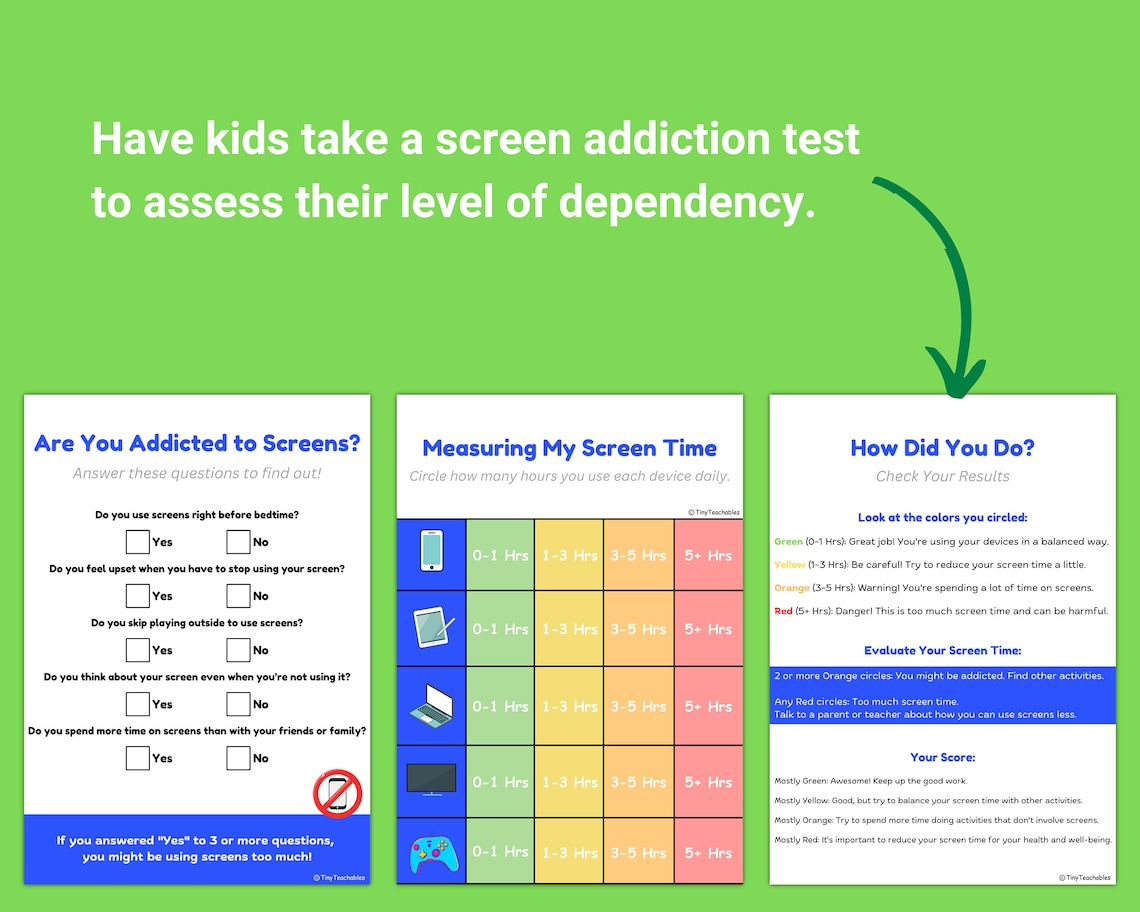
- Excessive screen time, neglect of responsibilities, and neglect of personal relationships
- Withdrawal symptoms, such as irritability, anxiety, or depression when unable to access screens
- Increased isolation, decreased social skills, and decreased physical activity
- Difficulty controlling screen use, despite negative consequences
Consequences of Screen Addiction
Screen addiction can lead to a range of negative consequences, including:
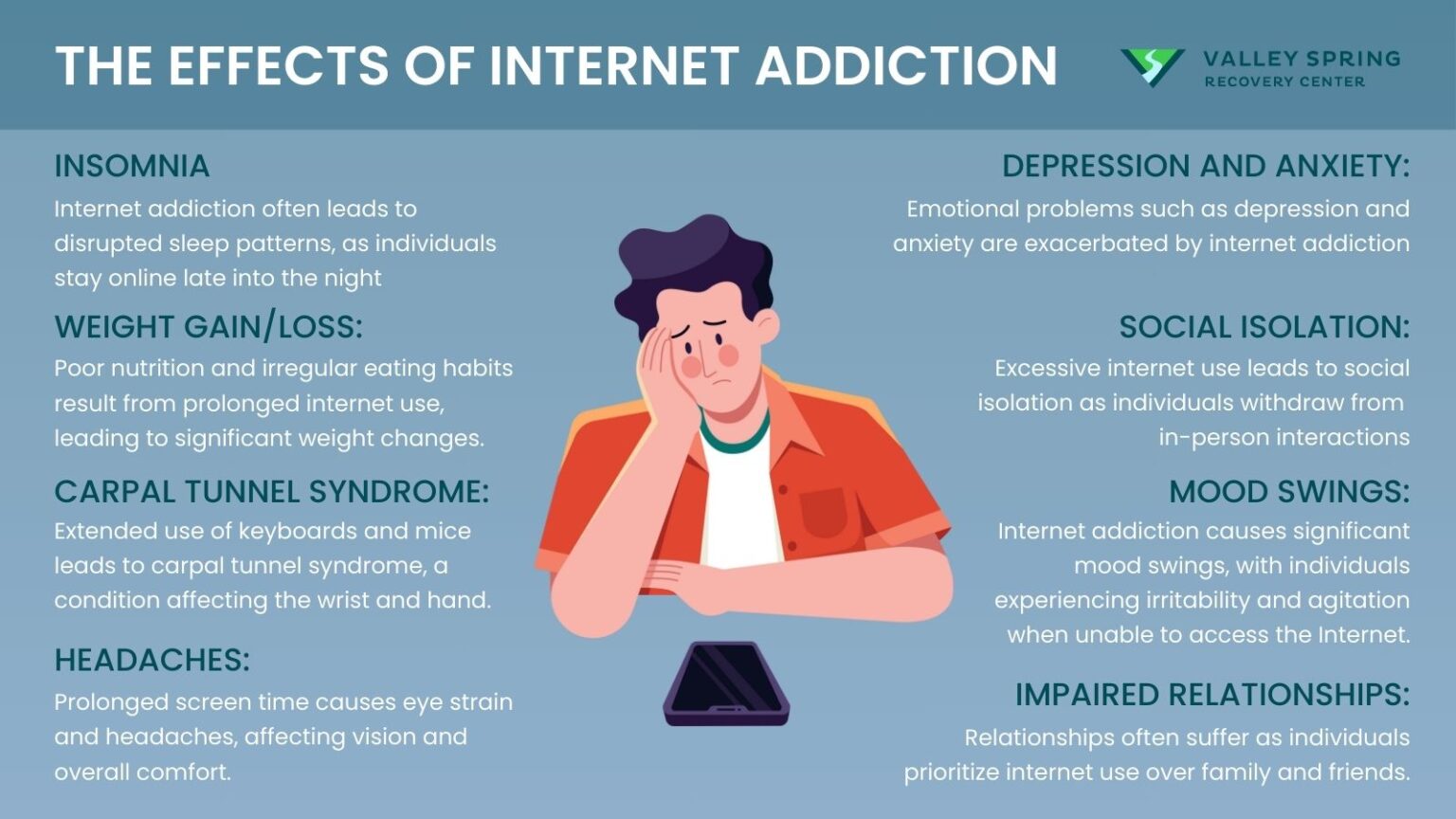
- Mental health problems, such as depression, anxiety, and sleep disorders
- Physical health problems, such as obesity, eye strain, and carpal tunnel syndrome
- Strained relationships with family and friends
- Decreased productivity and academic performance
Resources to Support Healthy Screen Habits
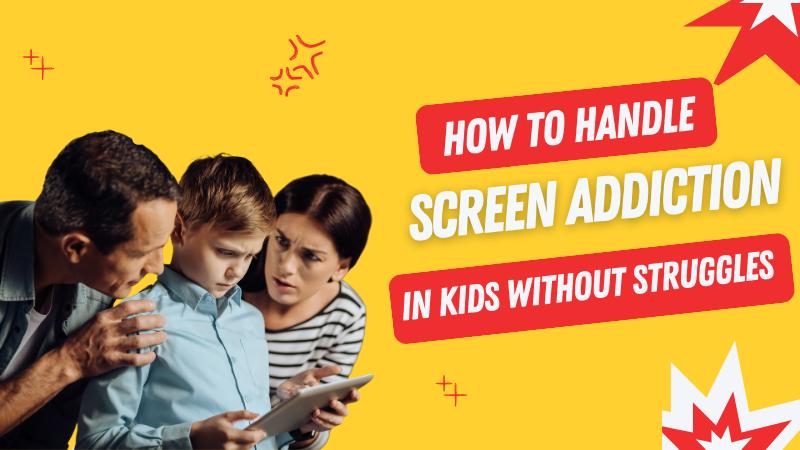
Fortunately, there are many resources available to help families establish healthy screen habits and manage screen addiction. Some of these resources include:
- Organizations, such as the American Academy of Pediatrics (AAP) and the National Alliance on Mental Illness (NAMI), offer guidance on setting healthy screen limits and managing screen addiction
- Apps, such as Freedom and Moment, that track and limit screen time
- Online support groups, such as ScreenAddictionSupport, that provide a community for individuals to share their experiences and receive support
- Treatment centers, such as those specializing in technology addiction, that offer inpatient and outpatient programs
Preventing Screen Addiction in Children
Preventing screen addiction in children is crucial, as excessive screen time can have a significant impact on their physical and mental health, social skills, and academic performance. Some tips for parents include:
- Setting screen-free zones and times in the home
- Encouraging physical activity and outdoor play
- LIMITING screen time to 1-2 hours per day for children under 18
- Co-viewing media with children and engaging in conversations about screen content
- Monitoring and limiting exposure to violent or mature content
Conclusion
Screen addiction is a serious issue that can have negative effects on individuals and families. By recognizing the signs and symptoms, understanding the consequences, and seeking resources and support, individuals and families can establish healthy screen habits and break free from the grip of screen addiction. By working together, we can create a healthier digital environment for everyone.
Looking for more resources to help you establish healthy screen habits and manage screen addiction? Check out the following resources:
- ScreenAddictionResourceMap for Children and Youth Clinicians, Speakers, Training, and Treatment Centers
- Peaks Recovery, a mental health treatment center that offers compassionate, evidence-based treatment for technology addiction
- ScreenSmart Kids, a program that helps children navigate the digital world safely and responsibly
- Healthy relationships with media start in early childhood, and the Early Childhood Development and Screen Time Toolkit is a valuable resource for professionals working with young children.