Anxiety Through Social Media: Understanding the Risks and Signs
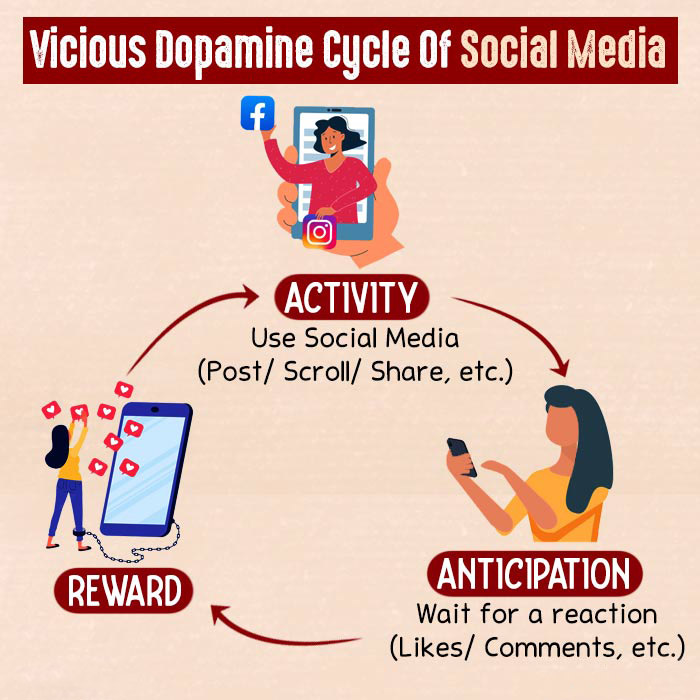
Social media has become an integral part of modern life, with billions of people worldwide using platforms like Facebook, Instagram, and Twitter to connect with others, share experiences, and access information. However, the impact of social media on mental health, particularly anxiety, is a growing concern.
The Link Between Social Media and Anxiety
Studies have shown that excessive social media use can contribute to feelings of anxiety, depression, and loneliness. The constant stream of curated content can create unrealistic expectations and promote social comparison, leading to feelings of inadequacy and low self-esteem. This can be particularly damaging for children and adolescents, whose developing brains are more susceptible to the effects of social media.
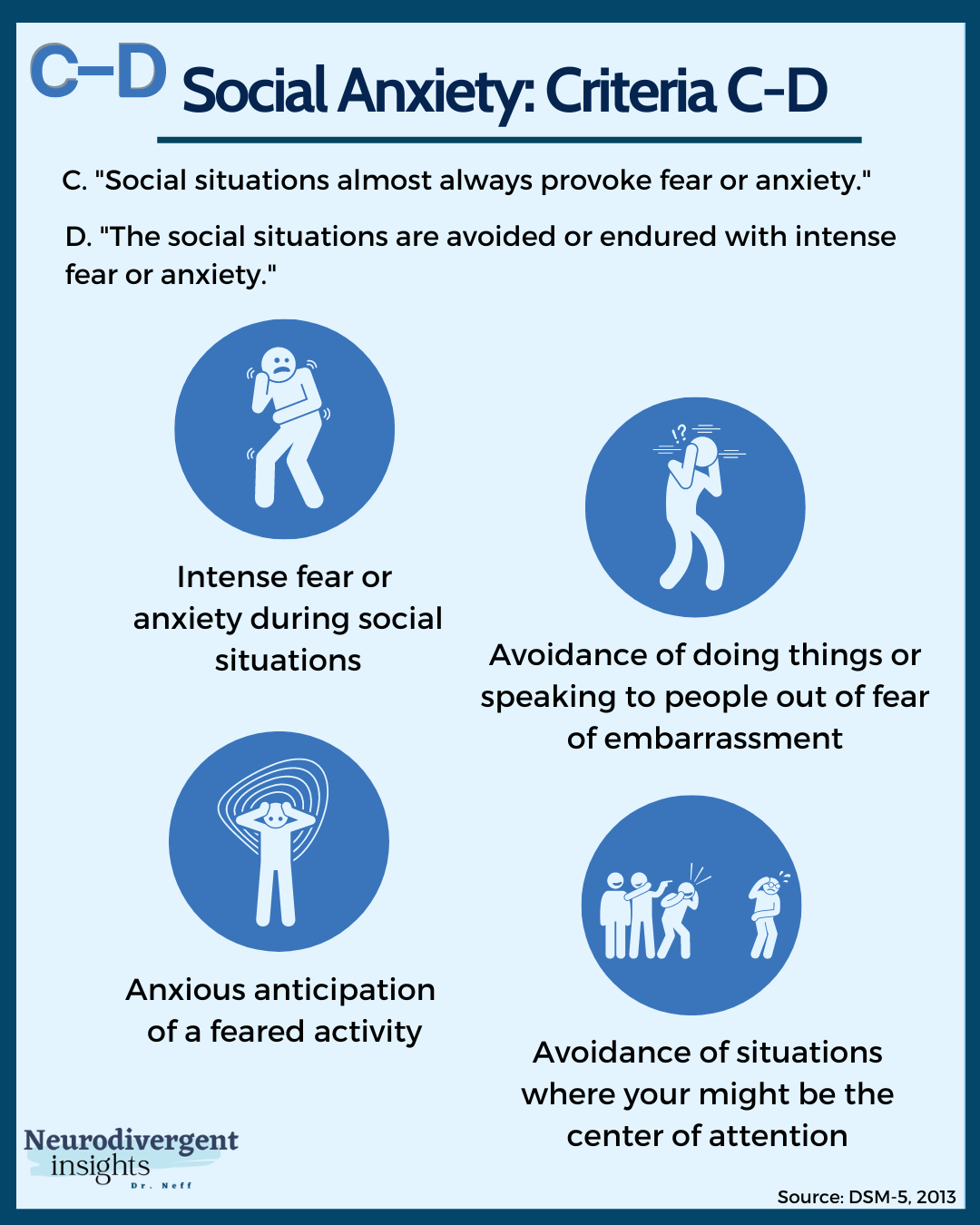
Six Signs of Social Media Anxiety
- Excessive social media use: Spending more than 3 hours a day on social media can lead to increased anxiety and decreased attention span.
- Comparison and envy: Constantly comparing oneself to others on social media can foster feelings of inadequacy and anxiety.
- Sleep disturbances: Exposure to screens and the constant notifications from social media can disrupt sleep patterns and contribute to anxiety.
- Loss of identity: Over-reliance on social media can lead to a loss of identity and a sense of self, contributing to anxiety and depression.
- Fear of missing out (FOMO): The pressure to stay connected and up-to-date on social media can create feelings of anxiety and stress.
- Physical symptoms: Social media anxiety can manifest physically, with symptoms such as headaches, muscle tension, and difficulty concentrating.
Passive Social Media Use and Anxiety
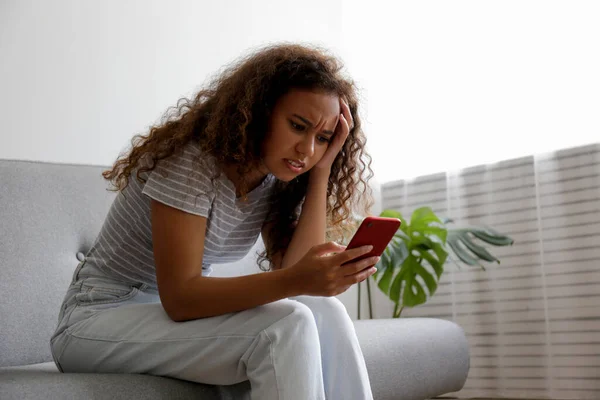
Passive social media use, where individuals spend long periods scrolling through feeds without interacting, can be particularly damaging. This type of use can foster feelings of inadequacy and anxiety, as individuals compare themselves to others and feel pressure to present a perfect online image.
What to Do About Social Media Anxiety
If you suspect that social media is contributing to your anxiety, there are steps you can take to regain balance and improve your mental health:
- Limit social media use: Set time limits and take regular breaks from social media to reduce exposure.
- Practice self-compassion: Be kind to yourself and recognize that social media is curated and often unrealistic.
- Focus on real-life connections: Prioritize face-to-face interactions and activities that promote social connection and a sense of community.
- Seek support: Talk to friends, family, or a mental health professional about your concerns and develop strategies for managing social media anxiety.
- Take care of yourself: Engage in activities that promote relaxation and stress reduction, such as exercise, meditation, or hobbies.
- Set boundaries: Establish rules around social media use, such as not using it before bed or during meals.
Conclusion
Social media anxiety is a growing concern, with studies showing a link between excessive social media use and increased anxiety. By recognizing the signs of social media anxiety and taking steps to regain balance, individuals can reduce their risk of developing anxiety and improve their mental health. Remember, social media is just a tool – it's up to us to use it responsibly and prioritize our well-being.



:max_bytes(150000):strip_icc()/social-anxiety-disorder-causes-3024749-5c3b8f7bc9e77c0001bffa28.png "Meta and Google held liable for woman's depression and anxiety from ...")