Water Damage and Mold Remediation: A Comprehensive Guide
Water damage and mold remediation are two interconnected issues that require immediate attention when they occur in your home or business. Water damage can lead to mold growth, which not only causes structural damage but also poses serious health risks to occupants. In this article, we'll delve into the complexities of water damage and mold remediation, providing you with a comprehensive guide on how to prevent, identify, and remediate mold after water damage.
Understanding Water Damage
Water damage can be caused by various factors, including flooding, leaks, burst pipes, or appliance malfunctions. When water enters your home, it's essential to act quickly to prevent secondary damage and potential health risks. Immediate water removal and proper ventilation are crucial steps in preventing mold growth. However, if you've already noticed mold, it's essential to identify the source, type, and extent of the problem to implement effective remediation strategies.
Identifying Mold Growth Sources
Identifying mold growth sources is crucial for effective remediation. When you understand where mold thrives, you can better tackle the problem. Common sources of mold growth include:
- Water-damaged areas
- High humidity or condensation
- Poor ventilation
- Poor maintenance or neglected repairs
Warning Signs of Mold Growth
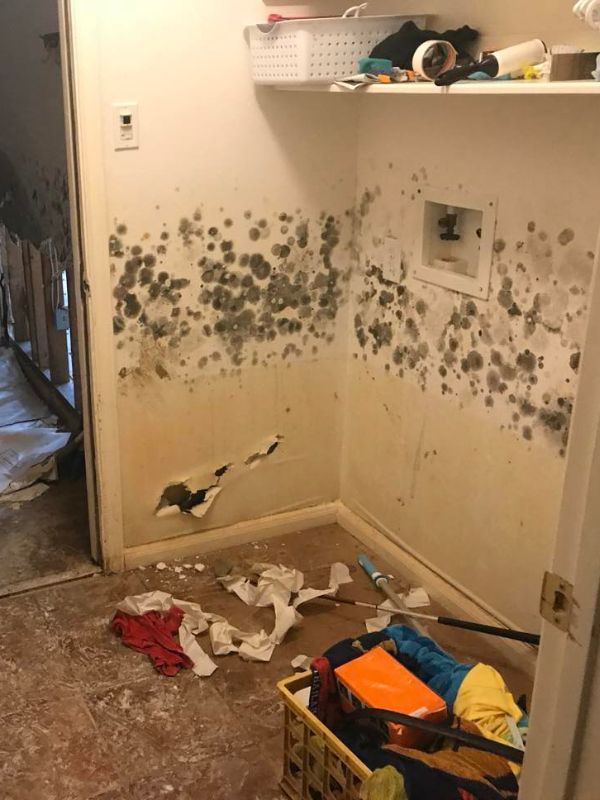
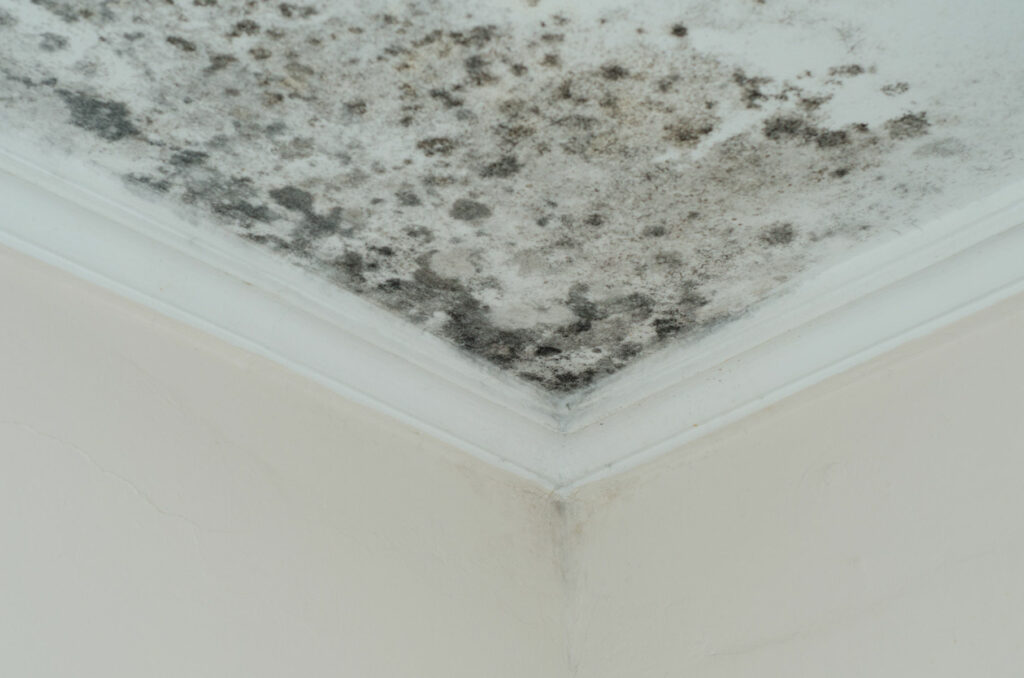
Mold can be sneaky, but if you see or smell it, you need to act quickly. Common warning signs of mold growth include:
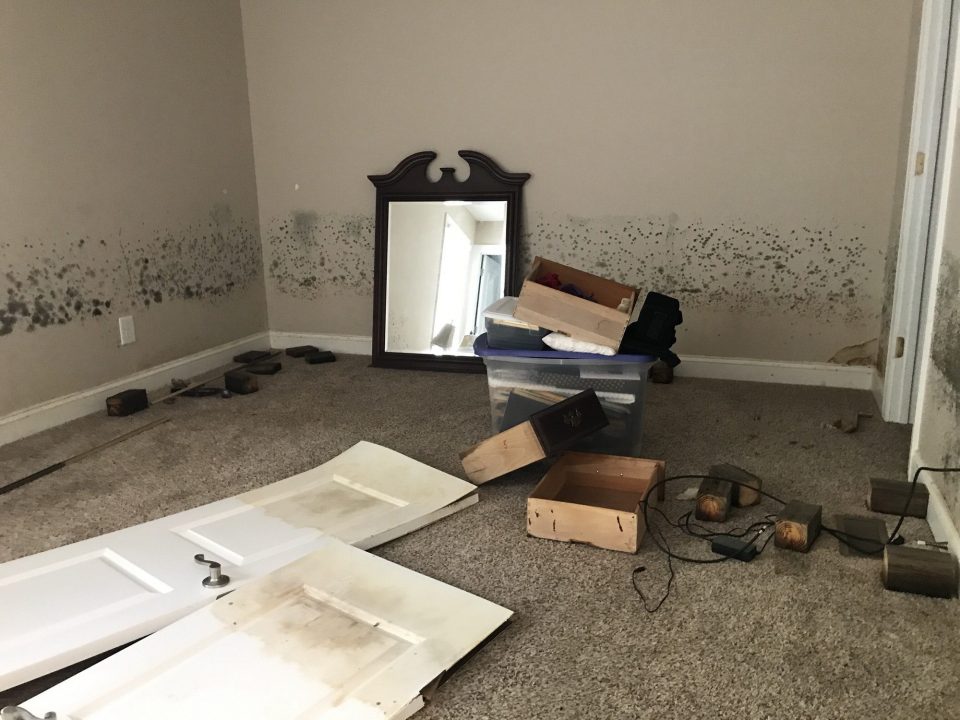
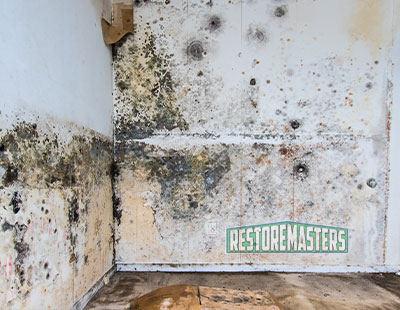
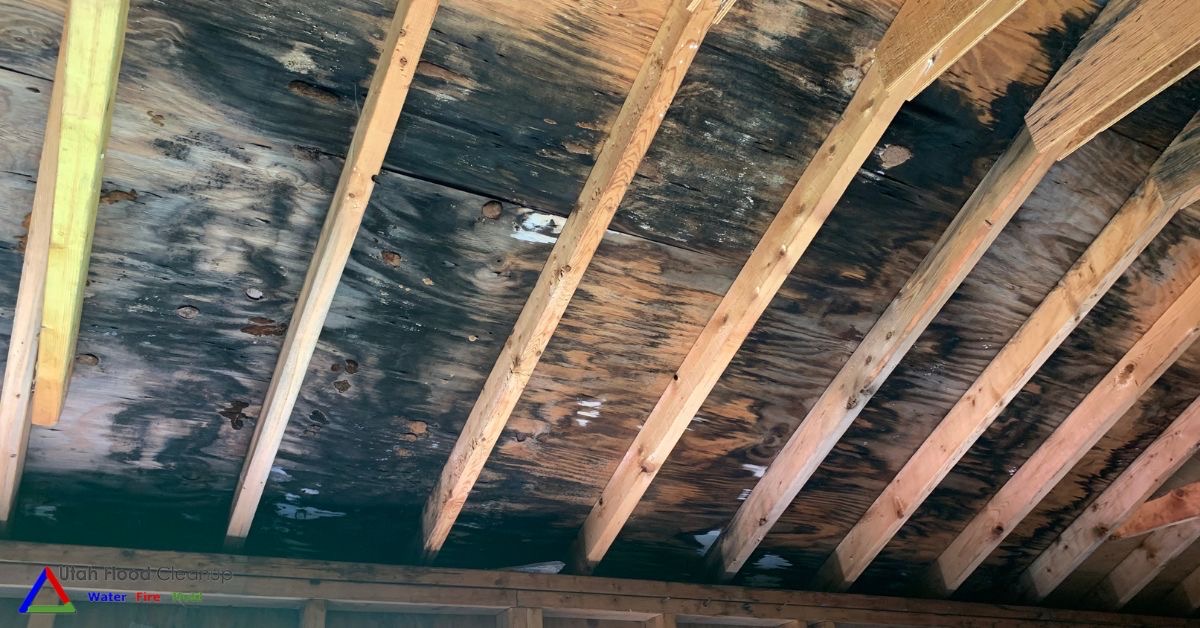
- Visible mold or mildew
- Musty or mildewy odors
- Water stains or warping
- Peeling paint or wallpaper
Health Risks of Mold Exposure
Mold exposure poses serious health risks, including respiratory problems, allergic reactions, and even neurological issues. Prolonged exposure can exacerbate existing conditions, such as asthma or allergies. It's essential to address mold growth promptly to prevent health consequences.
Preventing Mold Growth after Water Damage
Preventing mold growth after water damage is crucial to avoid costly repairs and health risks. Immediate steps include:
- Water removal and extraction
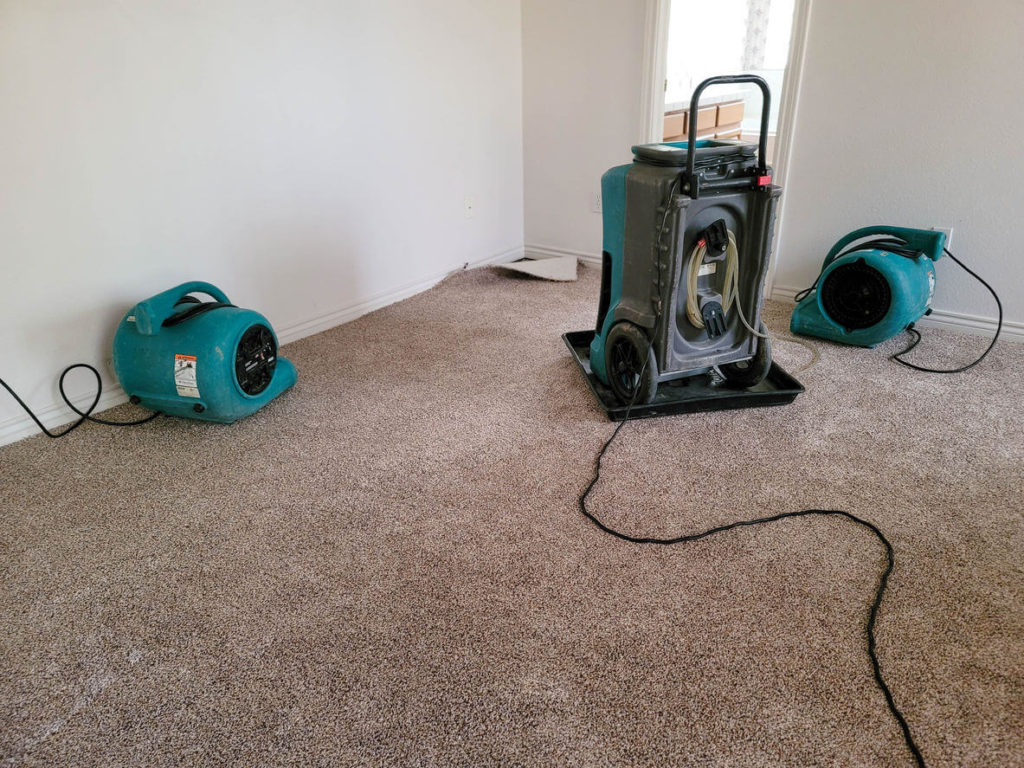
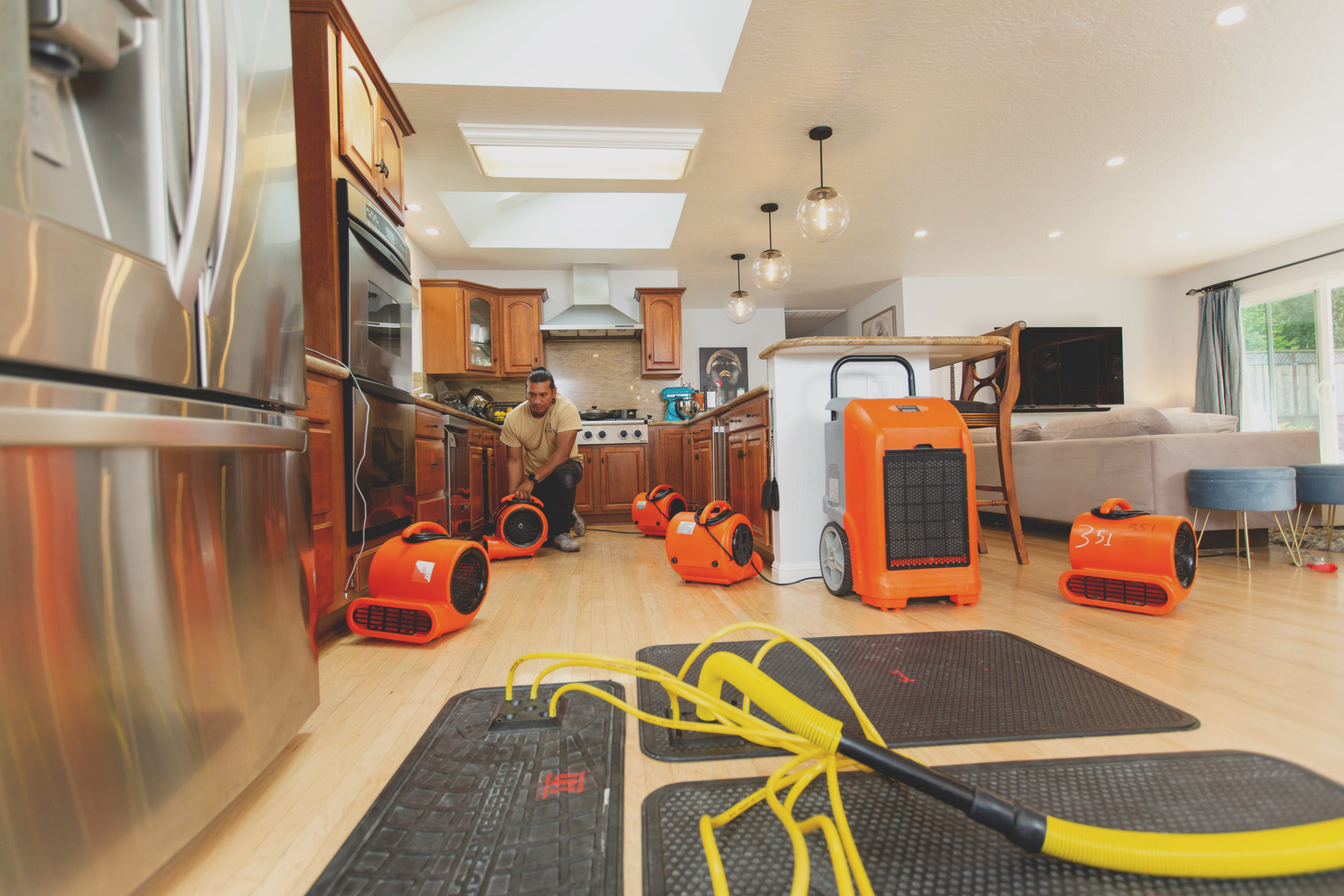
- Proper ventilation and dehumidification
- Equipment deployment and continuous monitoring
- Identification and classification of mold types
Remediation Steps for Mold Growth
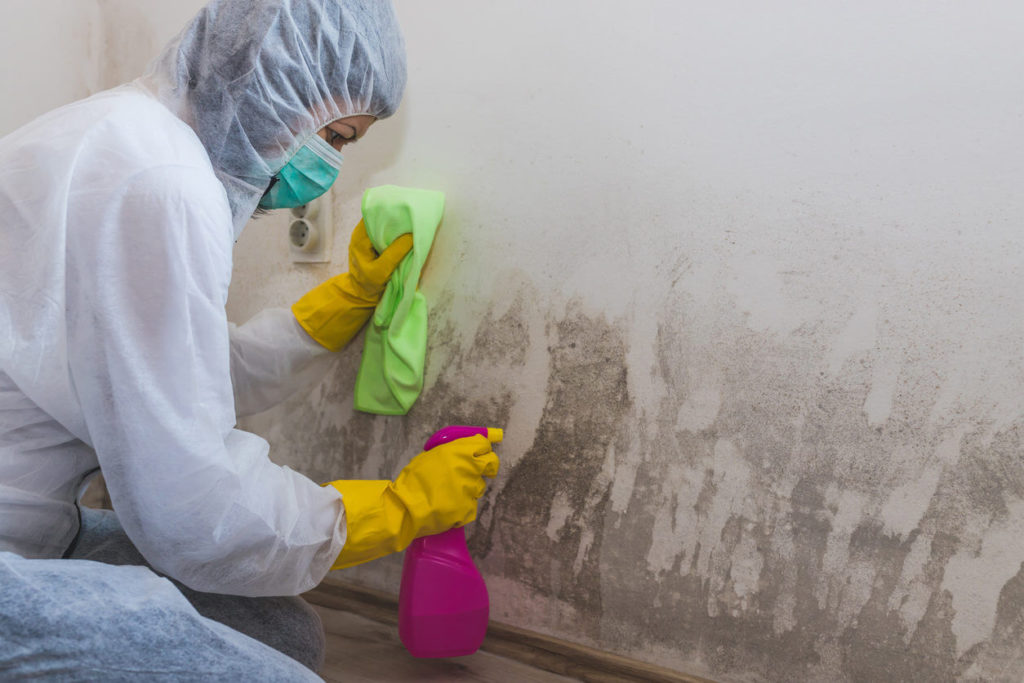
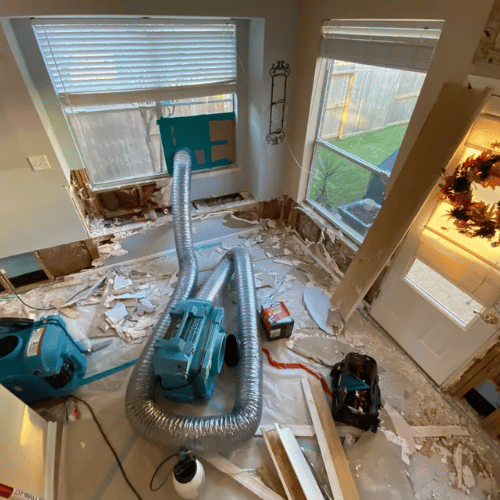
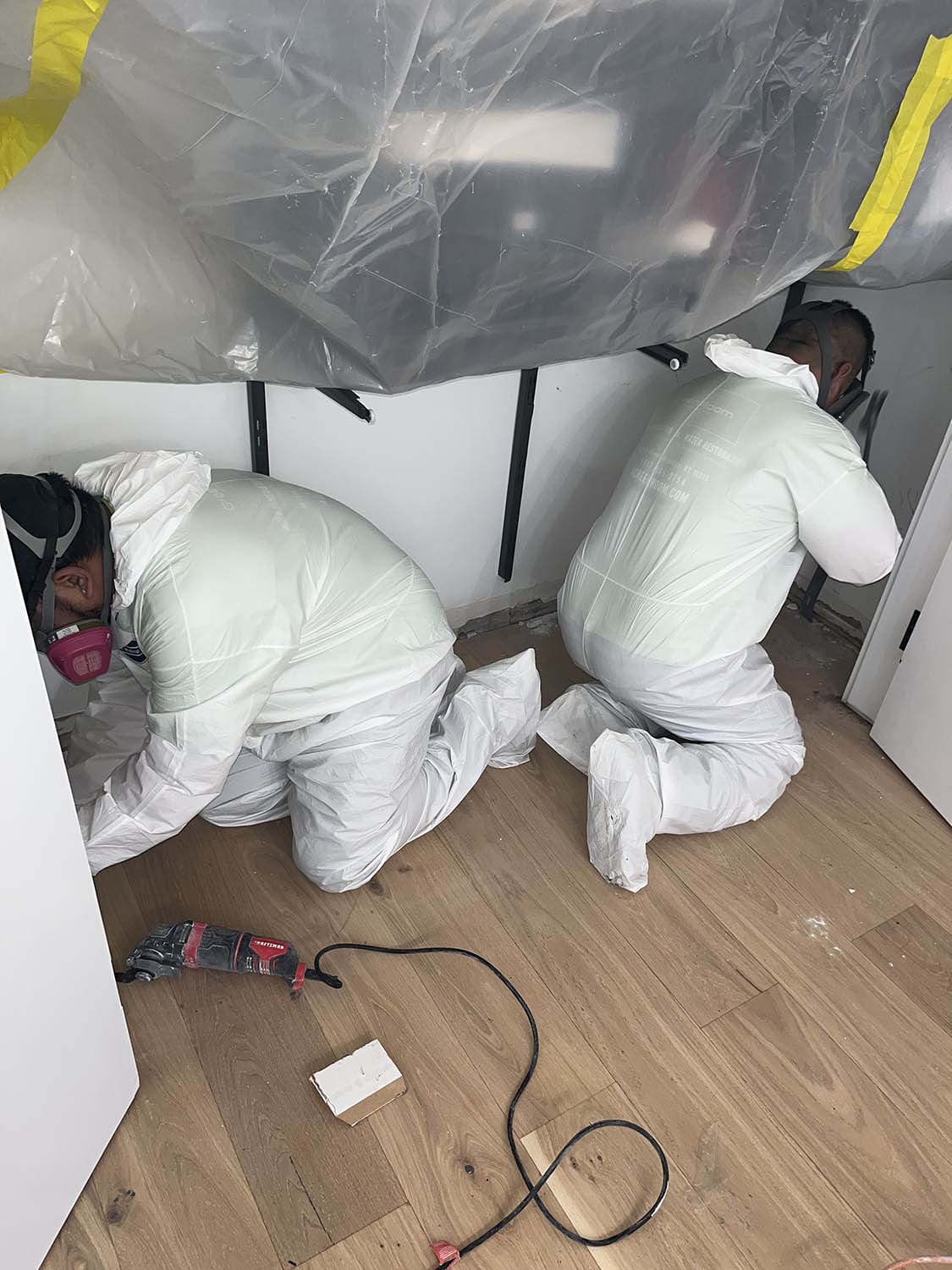
Remediation steps for mold growth involve a thorough cleanup, removal of damaged materials, and addressing moisture sources. Engage a certified remediation expert to ensure a safe and effective restoration process.
Why Choose a Certified Remediation Expert?
Choosing a certified remediation expert is crucial to ensure a safe and effective restoration process. Certified experts from the Institute of Inspection, Cleaning, and Restoration Certification (IICRC) have the necessary training and experience to handle complex remediation projects.
Conclusion
Water damage and mold remediation are complex issues that require attention to detail and expertise. By understanding the causes, warning signs, and health risks of mold growth, you can prevent costly repairs and ensure a safe living or working space. Remember, immediate action is crucial in preventing secondary mold damages and ensuring a thorough remediation process.