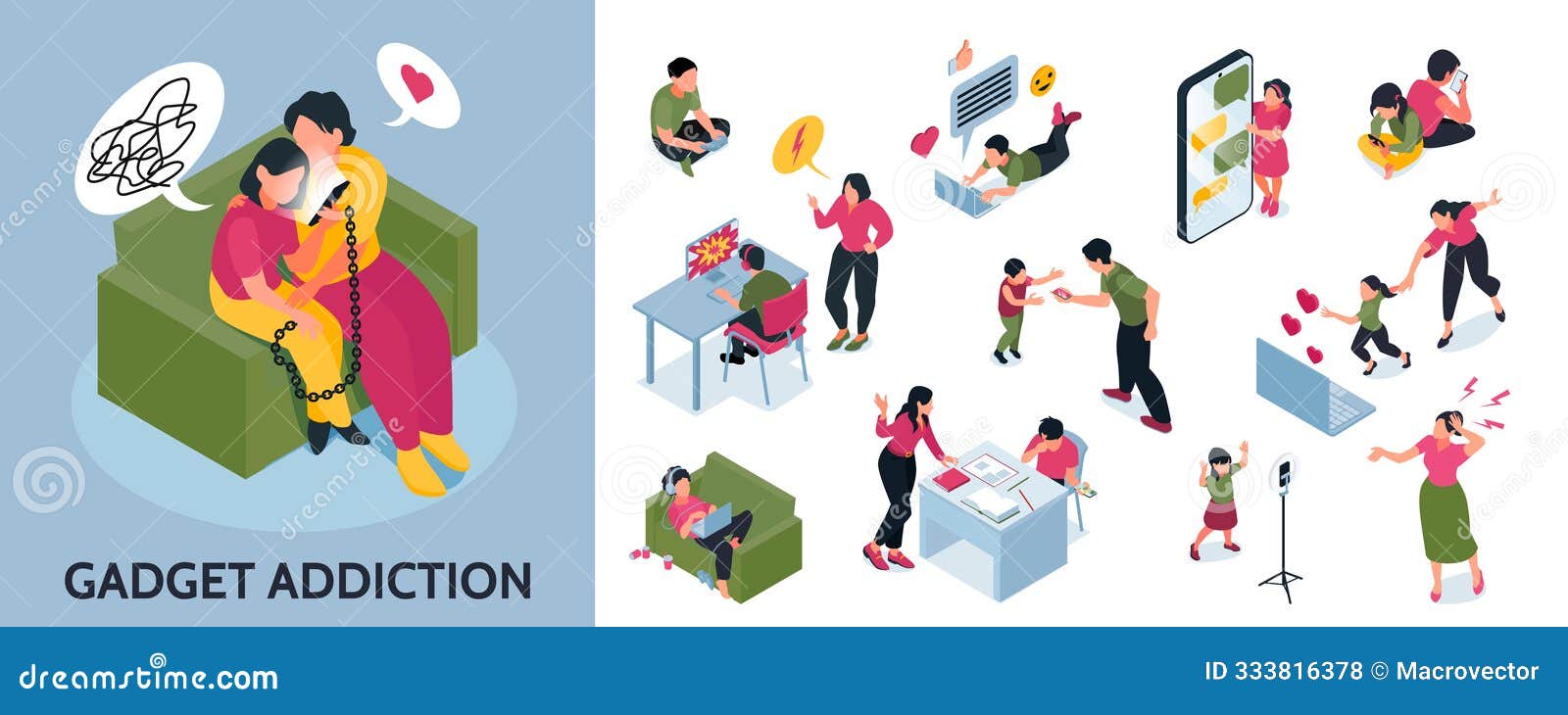
Surviving Gadget Addiction: Strategies for a Healthier Tech Use
In today's digital age, it's easy to become addicted to electronics. With smartphones, tablets, and computers ruling our day-to-day lives, it's crucial to find ways to reduce our reliance on these gadgets. Overcoming an addiction to electronics may seem difficult, but there are proven methods to help you break free from the cycle of excessive tech use.
Understanding Gadget Addiction
Gadget addiction refers to the overuse or obsessive use of electronic devices like smartphones, tablets, gaming consoles, and even computers. It's that moment when you reach for your phone instinctively, even though you just checked it 30 seconds ago. According to Jennifer Katzenstein, Ph.D., it's essential to put limits on how often both you and your children use electronic devices.
Recognizing the Signs of Addiction
- Excessive usage: Do you find yourself spending hours on end on social media, browsing the internet, or playing games?
- Loss of sleep: Are you often awake late because you're too engrossed in your gadgets?
- Neglect of responsibilities: Are you ignoring important tasks, such as work, household chores, or relationships, because you'd rather spend time on your devices?
- Withdrawal symptoms: Do you experience anxiety or irritability when you're unable to access your devices?
- Changes in mood and behavior: Are you becoming increasingly irritable, anxious, or depressed when you're unable to use your devices?
Breaking the Cycle of Addiction
Breaking a gadget addiction requires a combination of self-awareness, self-regulation, and environmental changes. Here are some strategies to help you survive gadget addiction:
1. Set Boundaries and Limits
Establish specific times of the day when you'll allow yourself to use your devices, and stick to those times. Set a timer or reminder to help you stay on track. For example, you might designate certain hours for work, socializing, or exercise, and only allow device use during those times.
2. Find Alternative Activities
Discover new hobbies and interests that don't involve devices. Engage in physical activities like walking, running, or yoga. Try painting, drawing, or playing a musical instrument. You can also try reading, journaling, or cooking.

3. Use Technology to Your Advantage
Utilize apps and tools that help you track and limit your device use. Implement parental controls, do not disturb modes, or apps that monitor and block social media or gaming time.
4. Create a Device-Free Zone
Designate a device-free zone in your home, such as the dinner table or bedroom, where devices are not allowed. This will help create a healthy separation between tech use and other activities.
5. Get Support
Share your struggles with a trusted friend or family member and ask for their support. Join a support group or online community to connect with others who are facing similar challenges.
6. Prioritize Real-Life Connections
Focus on building meaningful relationships with family and friends. Engage in activities that promote face-to-face interaction, such as group sports, book clubs, or volunteer work.
Conclusion
Surviving gadget addiction requires a commitment to changing your habits and cultivating a healthier relationship with technology. By recognizing the signs of addiction, setting boundaries, finding alternative activities, using technology to your advantage, creating a device-free zone, getting support, and prioritizing real-life connections, you can break the cycle of gadget addiction and find a more balanced and fulfilling life.