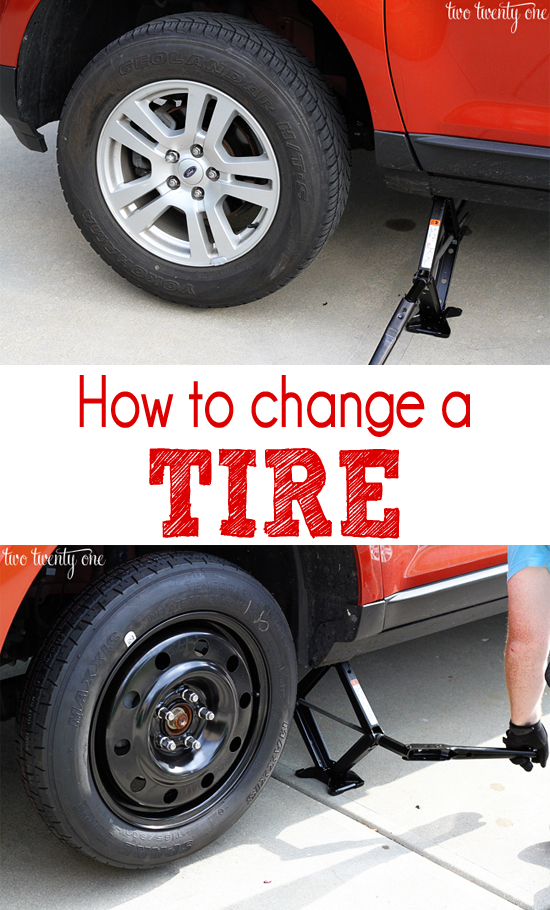
How to Change a Tire: A Comprehensive Step-by-Step Guide
Knowing how to change a tire is an essential skill that every driver should possess. Whether you're a seasoned driver or a newcomer to the world of driving, having the knowledge and confidence to change a flat tire can make all the difference in ensuring your safety on the road. In this article, we'll walk you through the steps to change a tire in a clear and concise manner, ensuring that you're equipped with the knowledge and skills to handle any situation that may arise.
Step 1: Gather Your Tools and Equipment
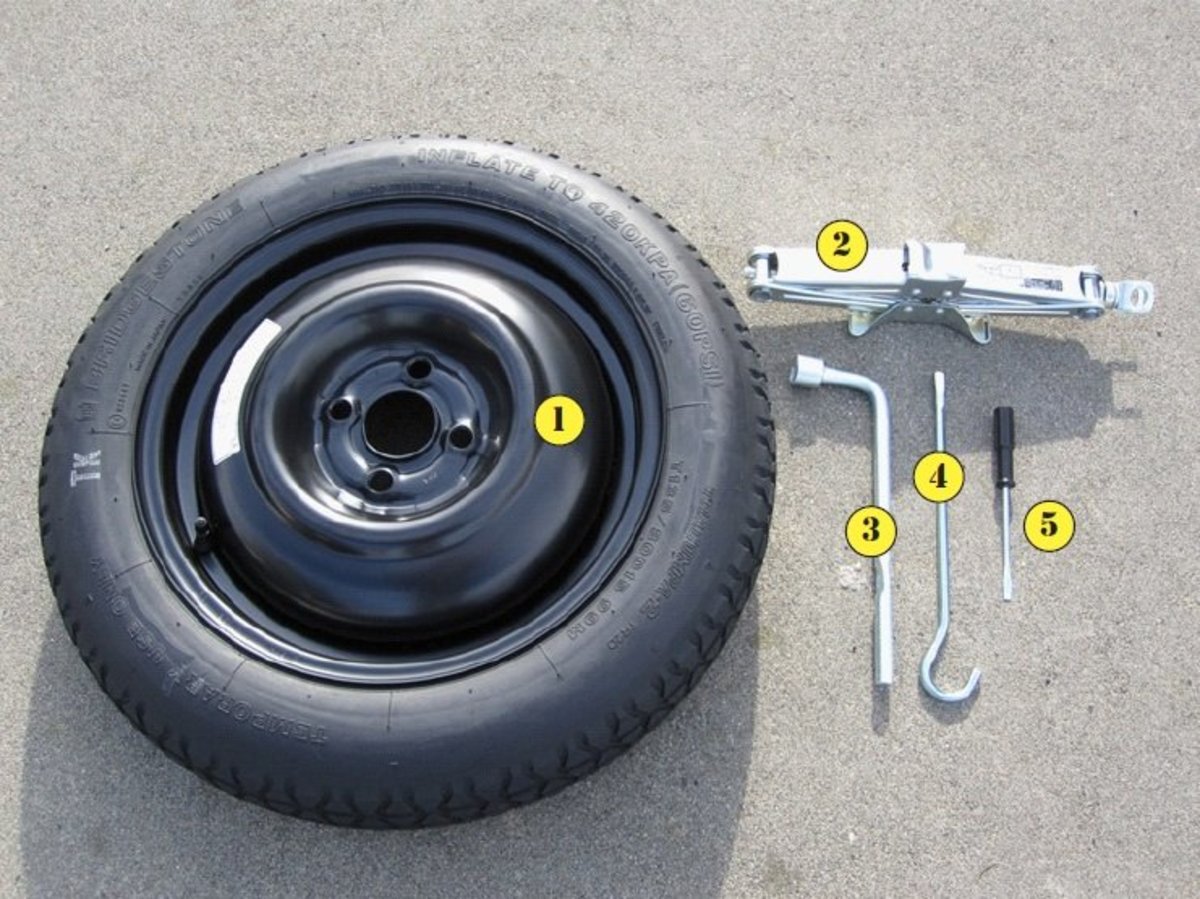
The first step in changing a tire is to gather all the necessary tools and equipment. These typically include a jack, lug wrench (or tire iron), and the spare tire itself. Make sure the extra tire is properly inflated and in good condition before setting off on your journey.
Step 2: Find a Safe Location
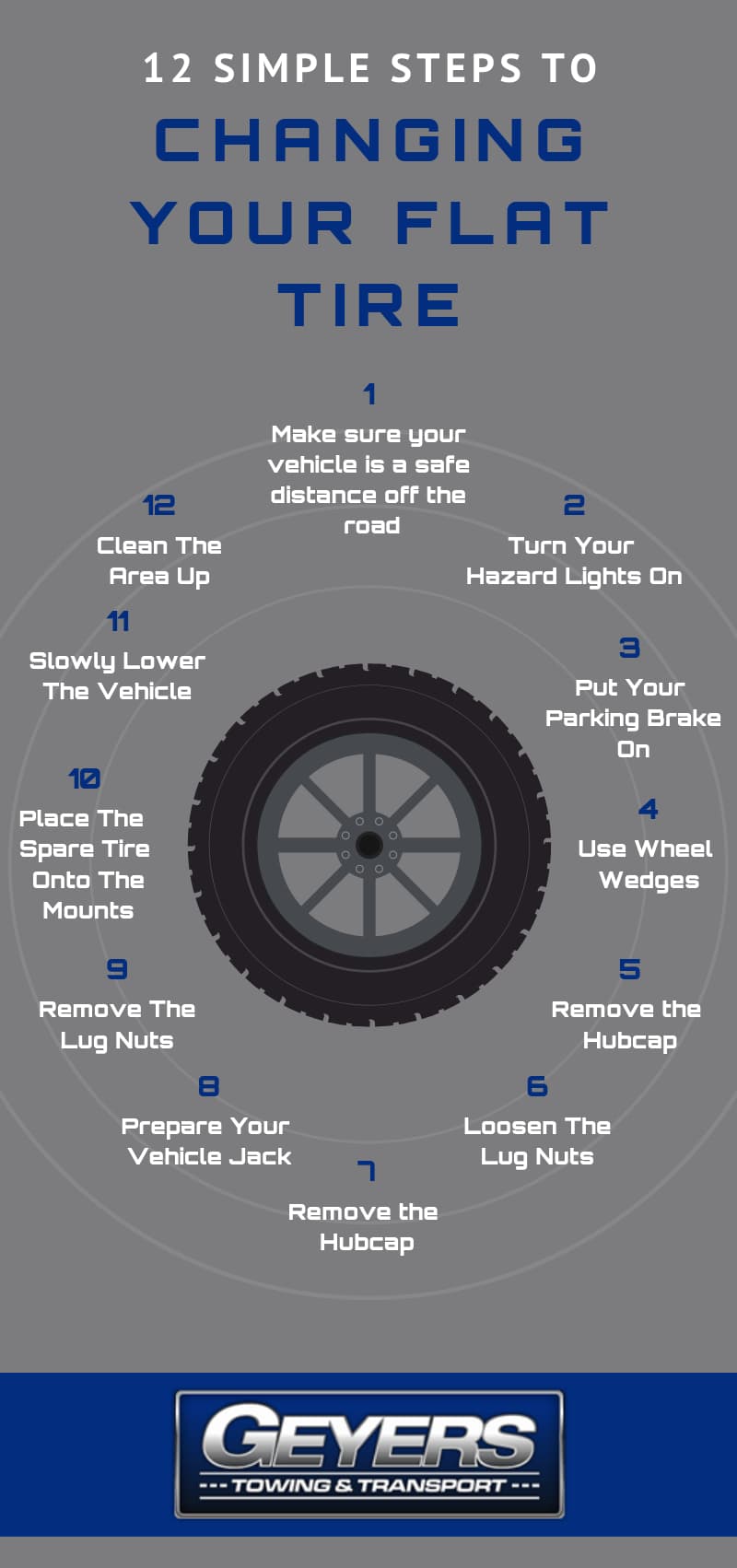
Once you've gathered your tools and equipment, it's essential to find a safe location to change the tire. Move your vehicle to a flat, stable surface, away from traffic, and turn off the engine. Engage the parking brake and put the vehicle in park (if it's an automatic) or in gear (if it's a manual).
Step 3: Loosen the Lug Nuts (But Don't Remove Them Yet)
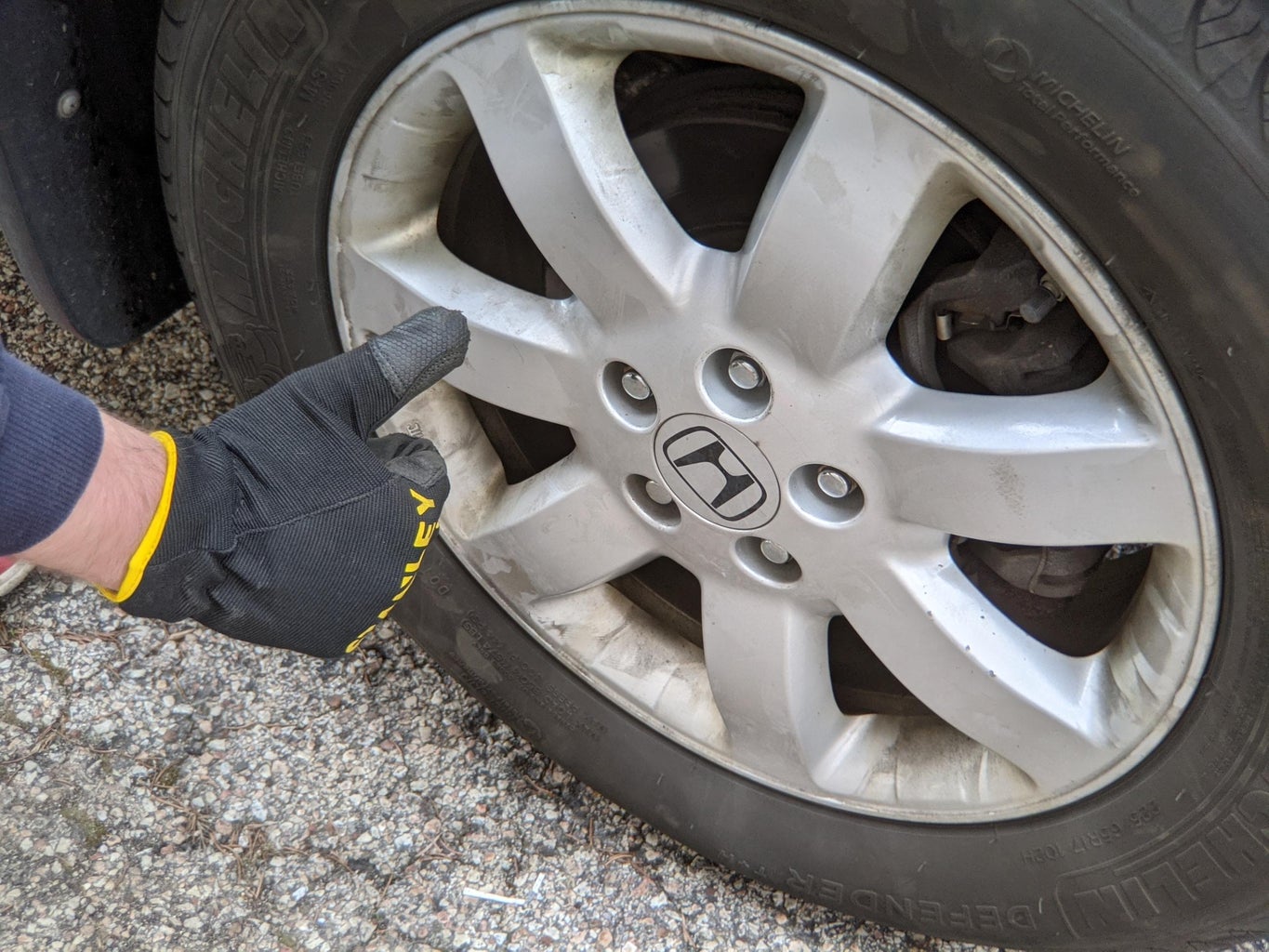
Before you jack up the vehicle, loosen the lug nuts on the flat tire using your lug wrench. Turn them counterclockwise until they're loose, but don't remove them yet. This will make it easier to remove the tire later on.
Step 4: Jack Up the Vehicle
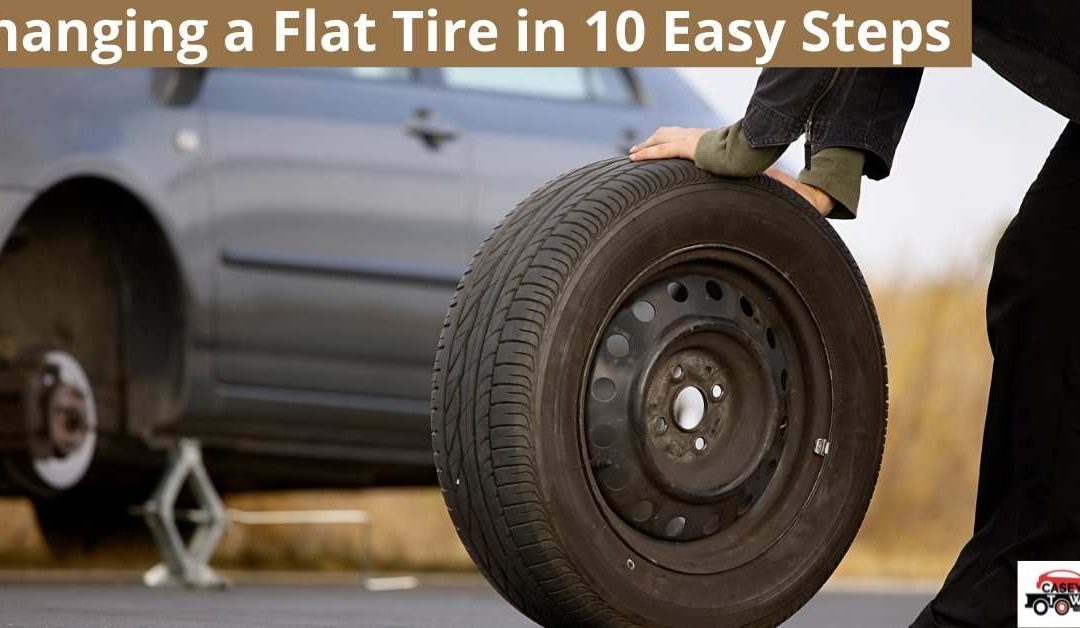
Position the jack under the vehicle's frame and raise it until the flat tire is off the ground. Make sure the jack is stable and sturdy, and that the vehicle is securely supported. Consult your owner's manual for the specific location and procedure for jacking up your vehicle.
Step 5: Remove the Flat Tire
Now that the vehicle is raised, you can remove the flat tire. Place the lug nuts in a safe place and set aside the flat tire. Take a moment to inspect the wheel hub and brake rotor for any signs of damage or wear.

Step 6: Install the Spare Tire
Place the spare tire onto the wheel hub, ensuring it's properly seated and centered. Hand-tighten the lug nuts to hold the tire in place.
Step 7: Tighten the Lug Nuts
Lower the vehicle to the ground and then tighten the lug nuts in a star pattern (tightening one lug nut a little, then moving to the next one, and so on). Make sure they're snug, but don't overtighten them at this stage.
Step 8: Check the Tire Pressure
Finally, check the tire pressure of the spare tire and make sure it's at the recommended level. You can find this information in your owner's manual or on the tire's sidewall.
Tips and Reminders
- Always refer to your owner's manual for specific instructions on how to change a tire for your particular vehicle.
- Make sure you have a full-size spare tire that matches the tire size and type of the flat tire.
- If you're not comfortable changing a tire, don't hesitate to seek assistance from a professional mechanic or roadside assistance service.
- Regularly check your tire pressure and tread depth to prevent flats and ensure your vehicle is running safely and efficiently.
By following these steps to change a tire, you'll be equipped with the knowledge and confidence to handle any situation that may arise on the road. Remember to stay calm, take your time, and refer to your owner's manual for specific instructions on how to change a tire for your particular vehicle.
James is a content and auto technician, still new to the word of DIY but knew he had a deep need for editorial and technical wisdom but couldn't get out of being honestly placed in vehicles.