Unlock the Secrets to Falling Asleep Fast: Expert-Approved Methods and Tips
Falling asleep quickly can be a daunting task, especially in today's fast-paced world where stress, screen exposure, and irregular sleep habits have made it increasingly difficult. However, with the right approach, you can bid farewell to tossing and turning and learn how to fall asleep fast and wake up feeling refreshed. In this article, we'll explore the most effective sleep fast methods and tips to improve your sleep quality.
Relaxation and Breathing Techniques: The Key to Falling Asleep Fast
Relaxation and breathing techniques are some of the most effective ways to fall asleep fast. Techniques like the 4-7-8 method, progressive muscle relaxation (PMR), and visualization can calm your mind and body, making it easier to drift off to sleep. By practicing these techniques regularly, you can train your brain to associate them with sleep, making it easier to fall asleep faster.
Improve Your Sleep Hygiene for Better Sleep Quality
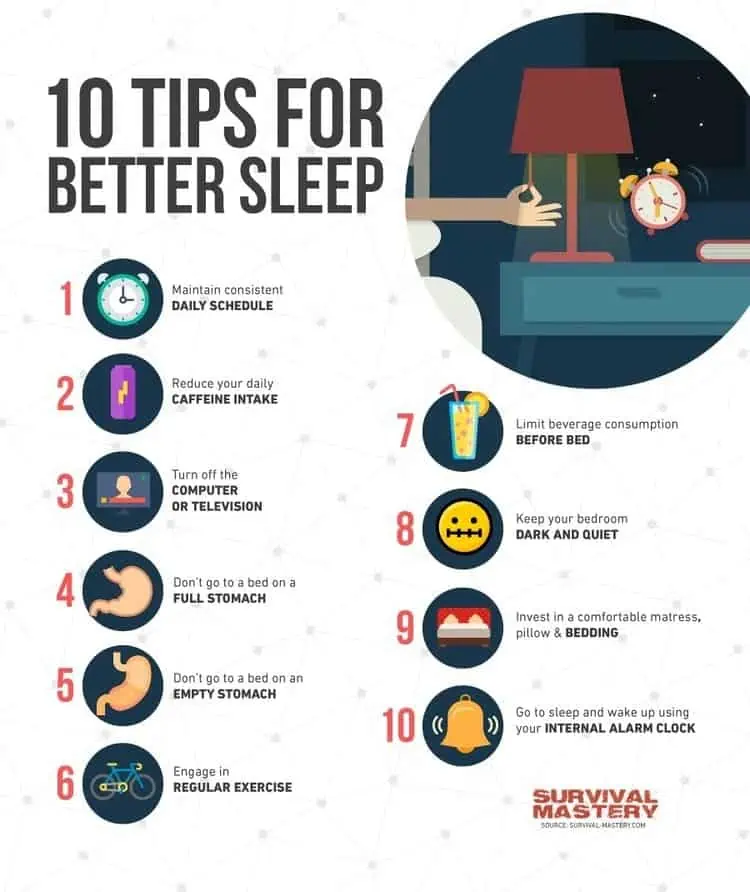
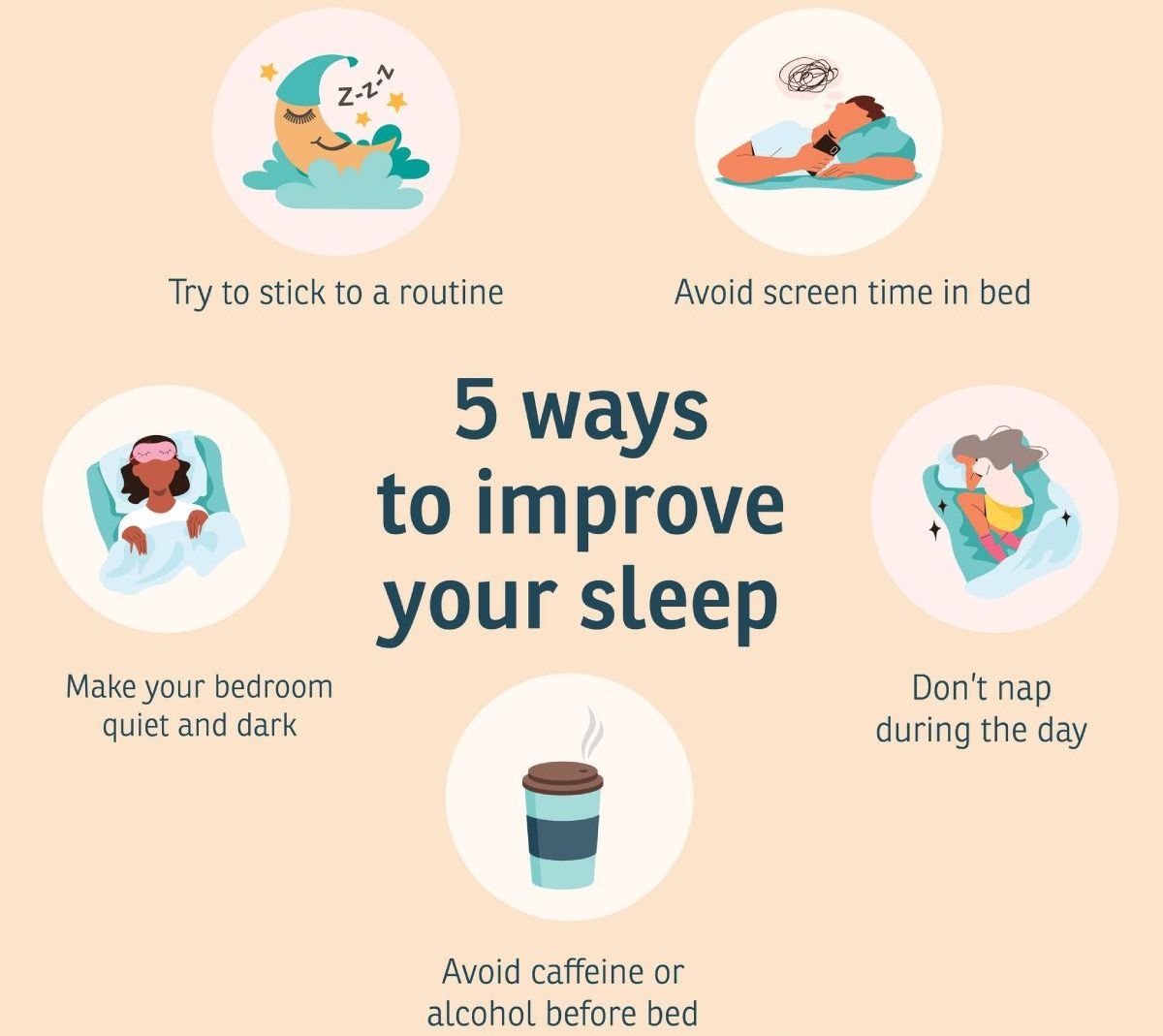
Good sleep hygiene is essential for falling asleep quickly and waking up feeling refreshed. Establishing a consistent sleep schedule, avoiding screens before bedtime, and creating a sleep-conducive environment can help regulate your body's natural sleep-wake cycle. By prioritizing sleep hygiene, you can improve your sleep quality and wake up feeling refreshed and energized.
Strategies to Fall Asleep Fast
- Journaling: Writing down your thoughts and feelings before bed can help clear your mind and calm your body.
- Deep Breathing: Techniques like the 4-7-8 method can slow down your heart rate and calm your mind.
- Muscle Relaxation: Tensing and relaxing different muscle groups can help release physical tension and promote relaxation.
- Visualization: Imagining a calming environment or scene can help distract your mind from the need to fall asleep.
- Temperature Regulation: Keeping your bedroom cool can help regulate your body temperature and promote sleep.
Overcoming Stress and Anxiety for a Good Night's Sleep

Stress and anxiety can make it challenging to fall asleep fast. Engage in stress-reducing activities, such as yoga, meditation, or reading, to help calm your mind and body before bed. Aromatherapy, such as lavender essential oil, can also promote relaxation and reduce stress.
The Importance of a Consistent Sleep Schedule
Going to bed and waking up at the same time every day, including weekends, can help regulate your body's sleep-wake cycle. Aim for 7-9 hours of sleep each night to reap the benefits of good sleep quality. If you find it challenging to fall asleep within 20 minutes of going to bed, leave your bedroom and engage in a relaxing activity before returning to bed.
Additional Sleep Fast Methods
- Read a Book: Reading can help distract your mind from the need to fall asleep and promote relaxation.
- Listen to White Noise: Listening to calming sounds, such as rain or ocean waves, can help mask background noise and promote sleep.
- Take a Warm Bath: A warm bath before bed can help relax your muscles and promote sleep.
- Get Morning Sunlight: Exposure to natural sunlight in the morning can help regulate your circadian rhythms.
Conclusion
Falling asleep fast requires a combination of relaxation techniques, good sleep hygiene, and a consistent sleep schedule. By incorporating these sleep fast methods and tips into your daily routine, you can improve your sleep quality, wake up feeling refreshed, and tackle the demands of your busy life with renewed energy and vitality.