Requirements to Change a Tire: A Comprehensive Guide
Introduction
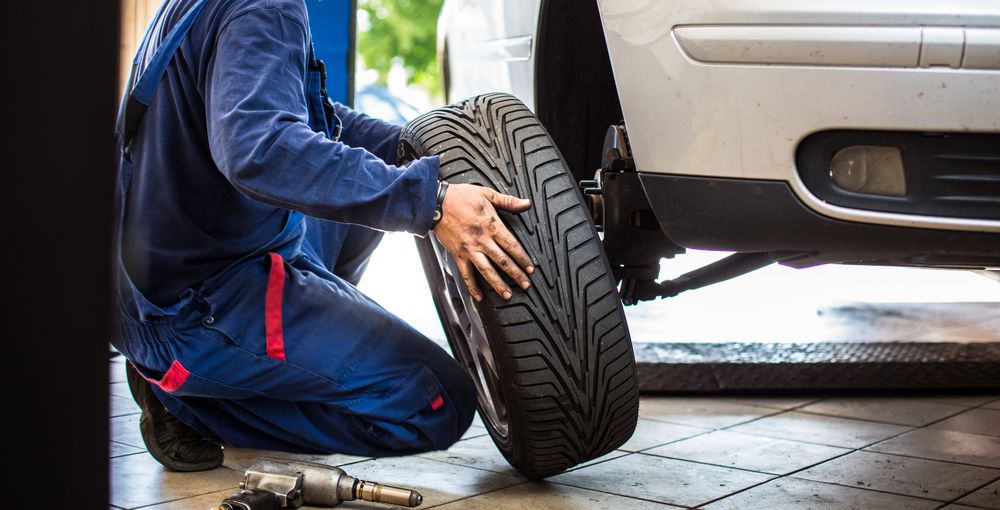
Changing a tire can be a daunting task, especially if you're not familiar with the process. However, knowing how to change a tire is a crucial skill that can save you time, money, and even your life in case of a roadside emergency. In this article, we'll outline the requirements to change a tire, including the necessary tools, safety precautions, and step-by-step instructions.Preparation is Key
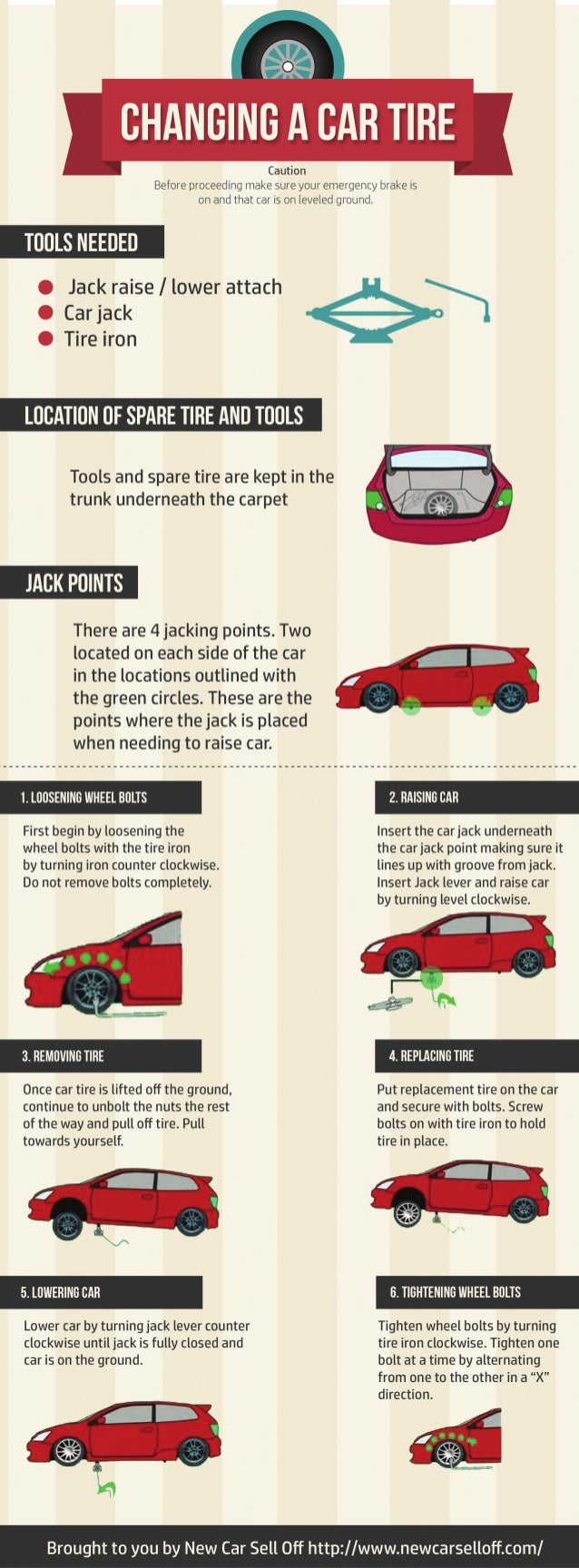
Before attempting to change a tire, make sure you have the following requirements:- A lug wrench (also known as a tire iron) that fits your vehicle's lug nuts
- A spare tire in good condition
- Wheel chocks or blocks to stabilize the vehicle
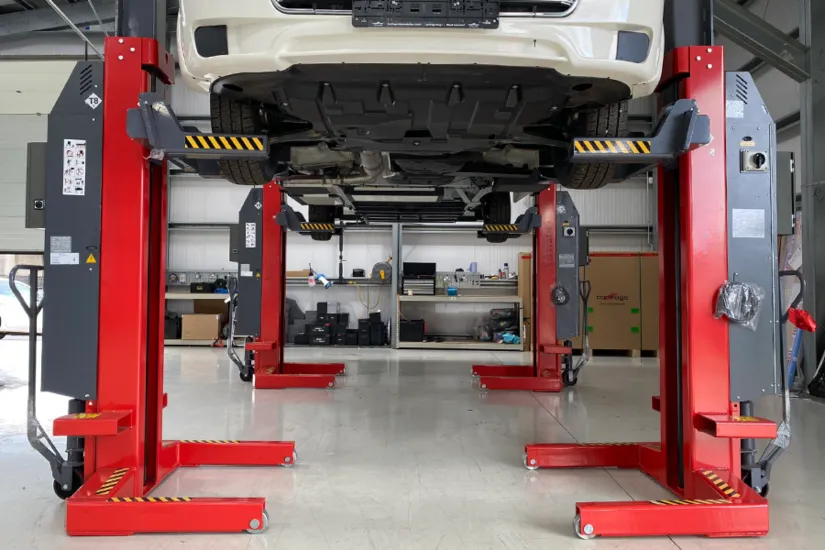
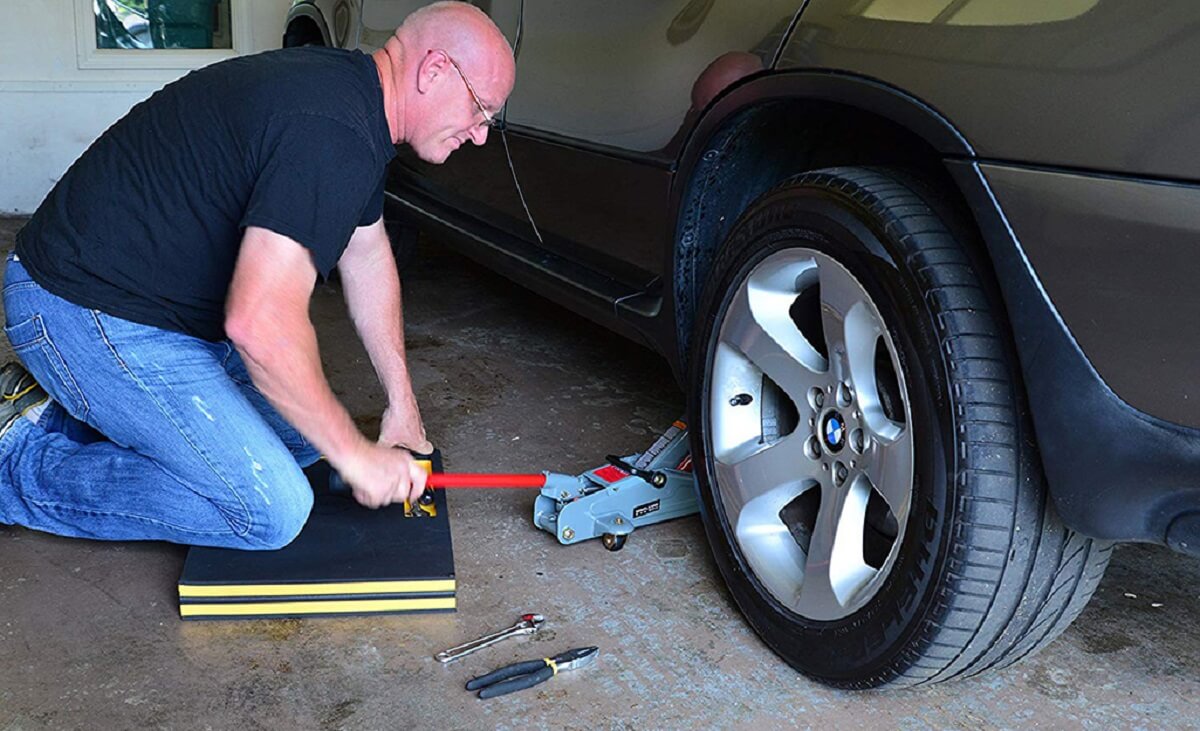
- Jack stands or a hydraulic jack to lift the vehicle
- Tire changing gloves or other protective gear
- A well-lit and level surface to change the tire
Safety Precautions
To ensure your safety while changing a tire, always follow these precautions:- Find a level and stable surface to change the tire
- Turn off the engine and engage the parking brake
- Put the vehicle in park (automatic) or first gear (manual)
- Wear protective gear, such as gloves and safety glasses
- Never get under the vehicle while it's supported by a jack
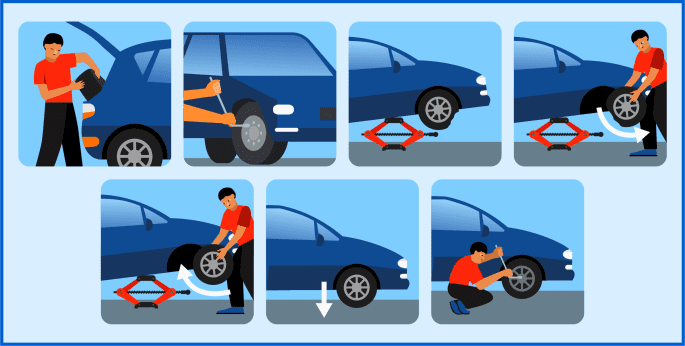
Step-by-Step Instructions
Now that you have the necessary tools and safety precautions in place, follow these step-by-step instructions to change a tire:- Loosen the lug nuts with your lug wrench before raising the vehicle
- Raise the vehicle with a jack and support it with jack stands
- Remove the lug nuts completely and take off the flat tire
- Inspect the lug nuts and washers for any damage or wear
- Install the spare tire and hand tighten the lug nuts
- Lower the vehicle to the ground and tighten the lug nuts in a star pattern
- Check the tire pressure and adjust it to the recommended level
When to Replace Tires
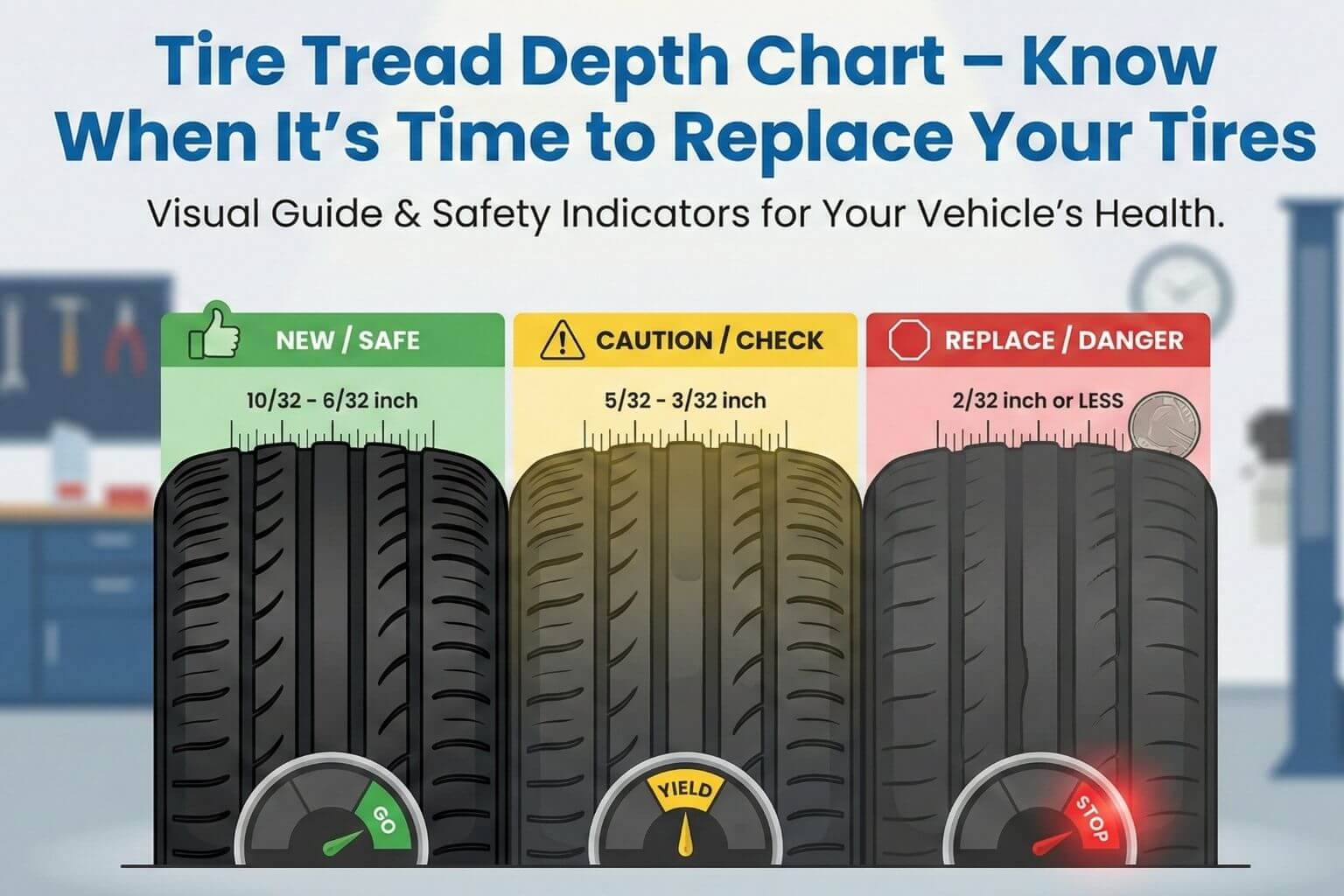
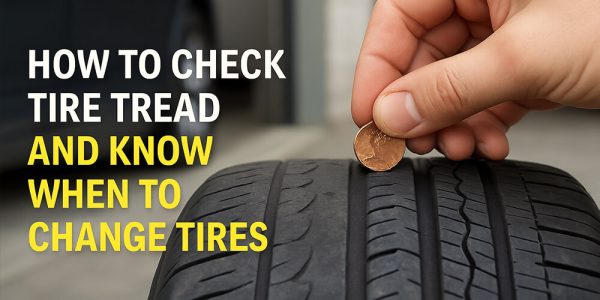
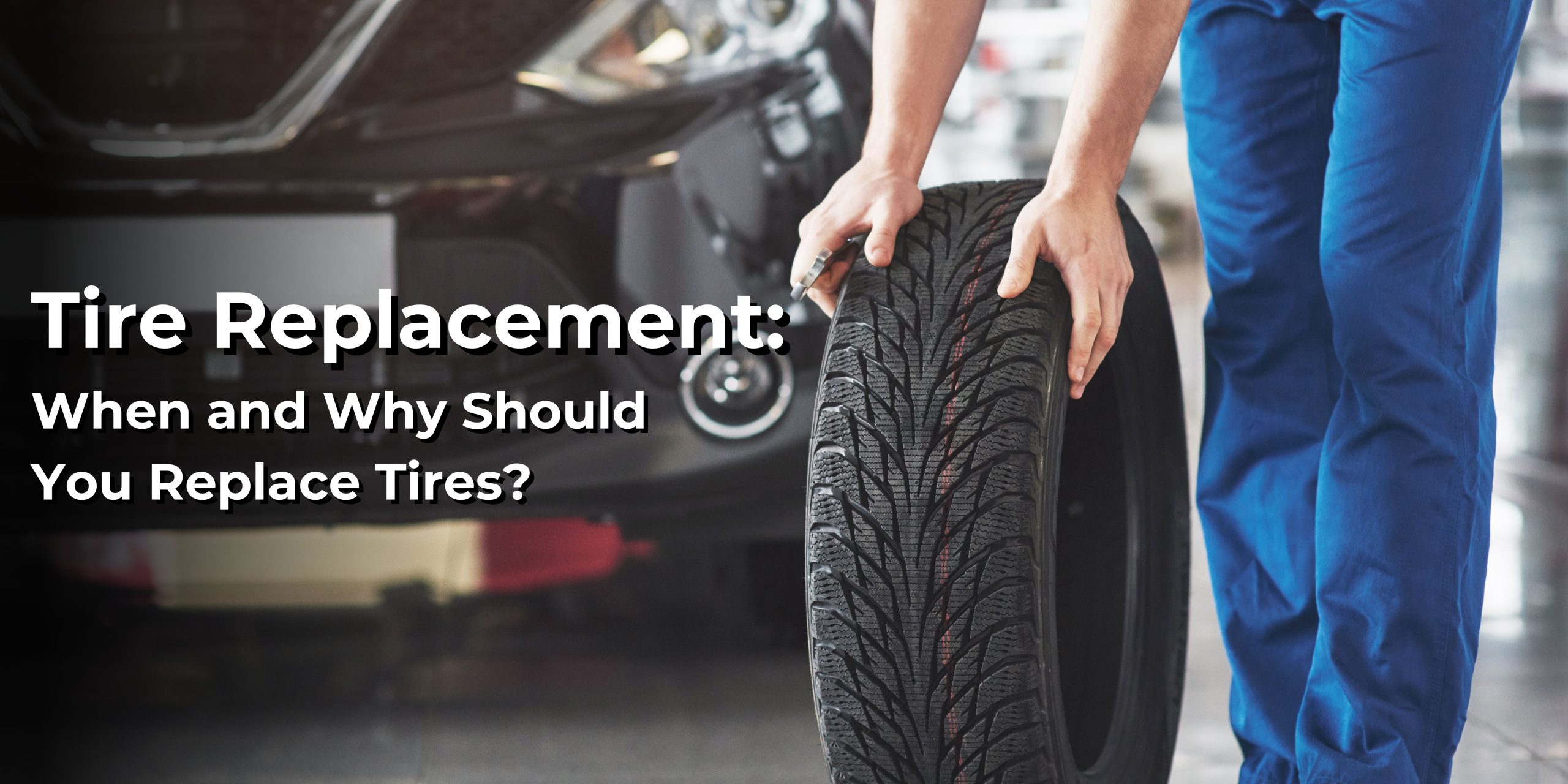
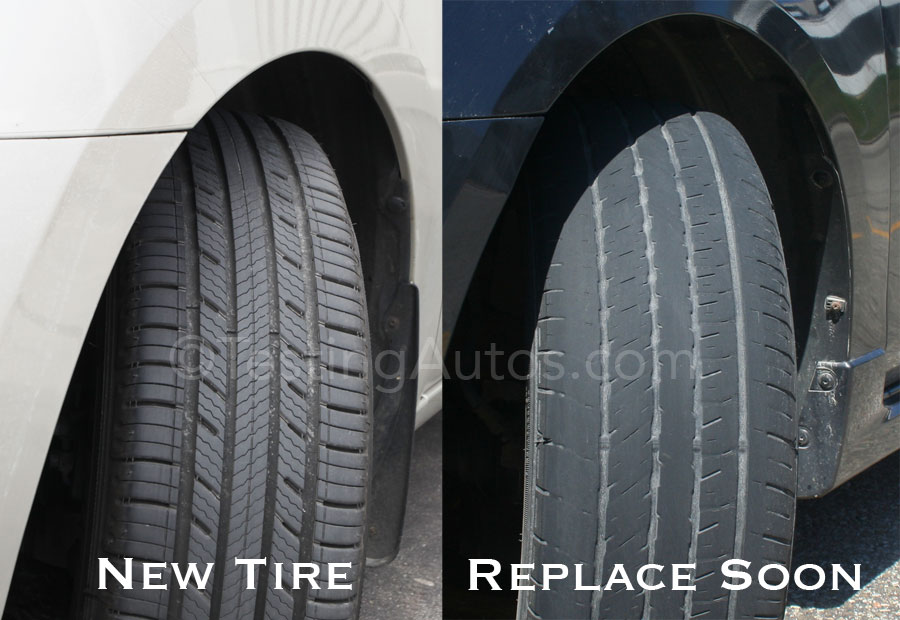
It's not just about changing a tire when it's flat, you also need to know when to replace your tires. Here are some signs that indicate it's time to replace your tires:- Worn or uneven tread
- Cracks or bulges on the sidewall or tread
- Age, with tires typically needing to be replaced every 6 years
- Decreased traction or handling