The Mysterious Case of the Persistent Phone Vibration Feeling
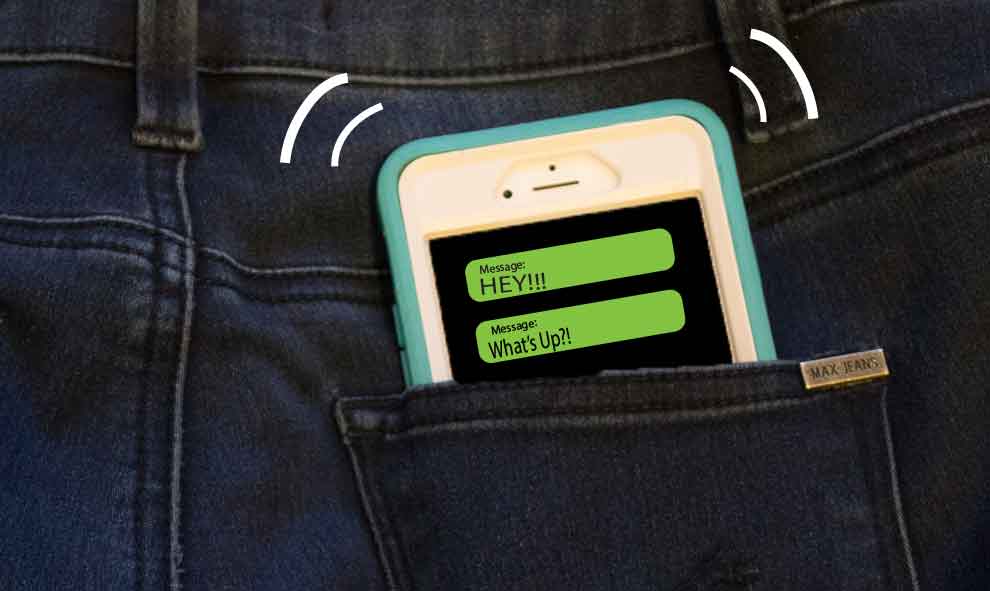
The sensation of feeling your phone vibrate when it hasn't, or better known as phantom vibration syndrome, is a common experience that has been reported by millions of people worldwide. In this article, we will delve into the neuroscience behind this phenomenon, explore its causes, and provide evidence-based strategies to help you put an end to this subtle sign of digital stress.
What is Phantom Vibration Syndrome?
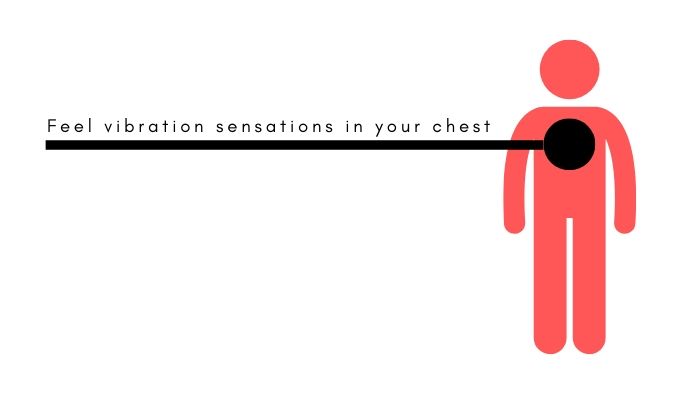
Phantom vibration syndrome, also colloquially known as "textaphrenia" or "ringxiety," refers to the false perception that one's mobile phone or other technological device is vibrating when it is not. This pseudo-sensation can lead to psycho-social, emotional, and even physical distress.
Prevalence of Phantom Vibration Syndrome
According to recent studies, up to 89% of phone users experience phantom vibration syndrome at some point in their lives. This widespread phenomenon has sparked interest in the scientific community, leading researchers to investigate its causes and consequences.
The Science Behind Phantom Vibration Syndrome
One primary explanation for phantom vibration syndrome lies in the brain's tendency to misfire sensory signals. When our brain receives a mix of sensory information, it can create false perceptions, making us believe our phone is vibrating when it's not. This phenomenon is often triggered by stress, anxiety, and fatigue, which can impair our ability to distinguish between real and imagined sensations.
Stress and Anxiety

Chronic stress and anxiety can alter our perception of sensory signals, leading to false perceptions of phone vibration. A study published in Computers in Human Behavior found that individuals with high levels of stress and anxiety were more likely to experience phantom vibration syndrome.
Memory and Attention
Our brain's attention and memory functions can also contribute to phantom vibration syndrome. When we're focused on specific tasks or collecting our thoughts, our brain can become attuned to potential vibrations, increasing the likelihood of false perceptions.
Strategies to Reclaim Your Attention
Fortunately, there are several evidence-based strategies to help you break free from phantom vibration syndrome:
- Regular Phone Checks: Take small breaks to glance at your phone, allowing you to reset your attention and memory functions.
- Mindfulness and Meditation: Practice mindfulness and meditation techniques to reduce stress and anxiety, making it easier to differentiate between real and imagined sensations.
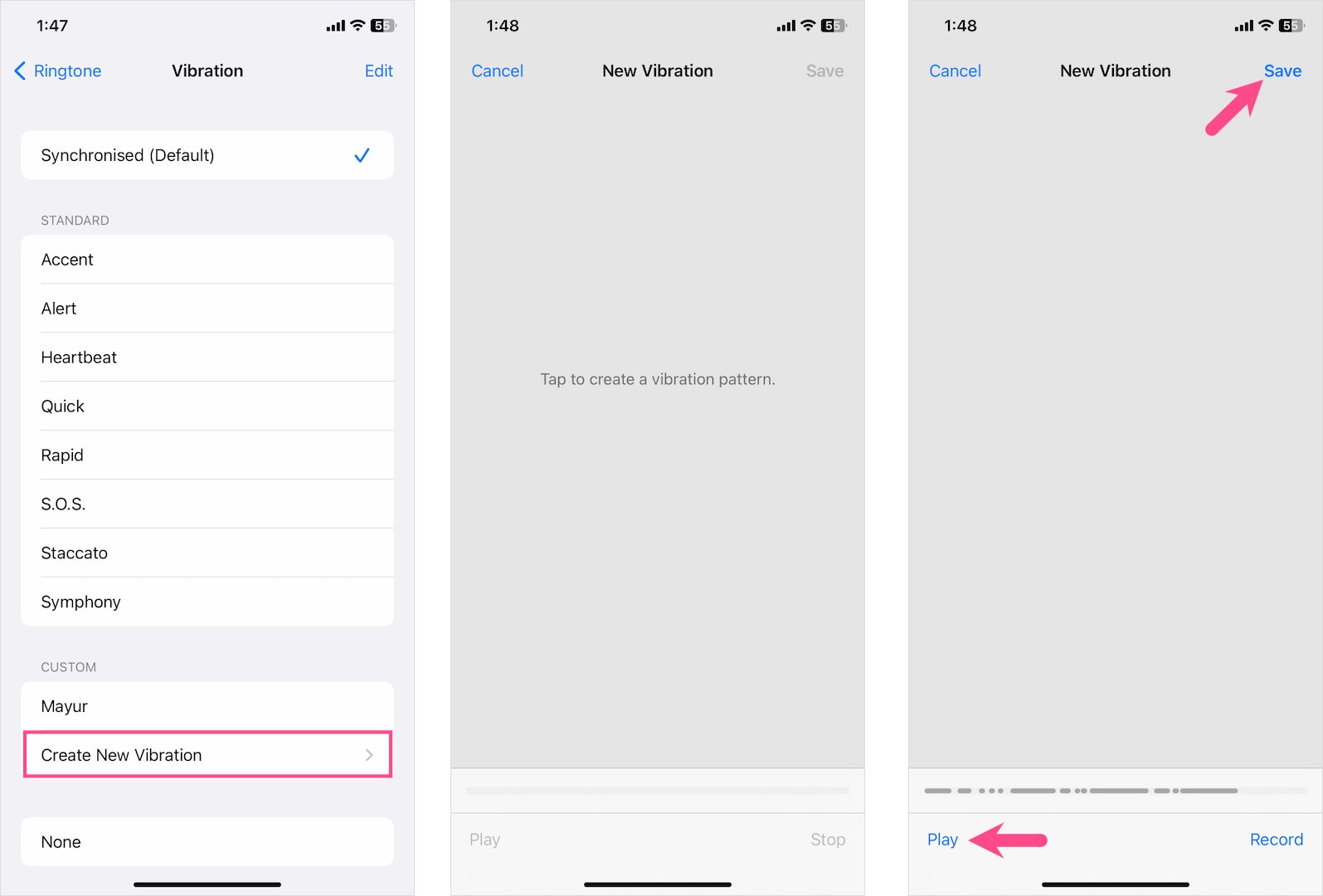
- Phone Settings: Adjust your phone's settings to minimize potential distractions, such as turning off notifications or vibrations.
- Device Usage Monitoring: Keep track of your screen time and device usage to identify patterns and potential triggers for phantom vibration syndrome.
- Digital Detox: Regularly engage in digital detox activities, such as phone-free days or weekends, to help reset your device usage habits.
Conclusion
The persistent phone vibration feeling is a widespread phenomenon that can have significant consequences for our mental and emotional well-being. By understanding the science behind phantom vibration syndrome and implementing evidence-based strategies, you can reclaim your attention and break free from this subtle sign of digital stress. Remember, it's time to take control of your devices and restore balance to your digital life.