Nomophobia and Its Effects on Self-Confidence
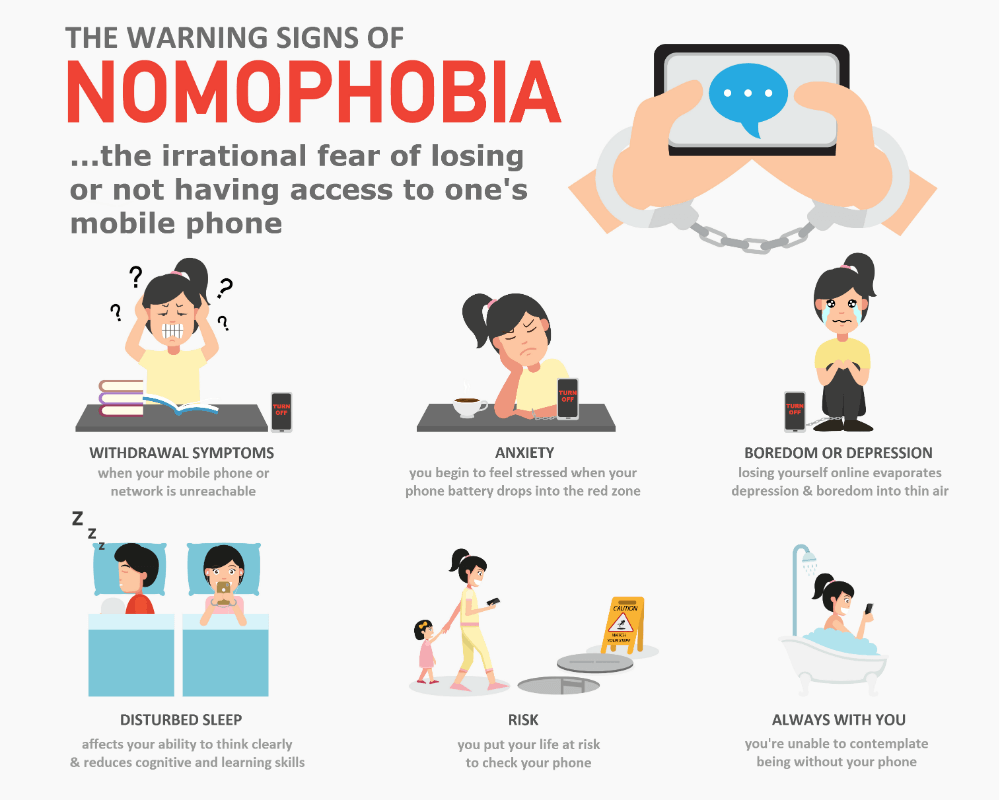
With the widespread use of smartphones, a new psychological condition has emerged - Nomophobia. Also known as the anxiety related to the absence of a mobile device, Nomophobia has become a significant concern for individuals, particularly young adults. The effects of Nomophobia on self-confidence are far-reaching and alarming, considering the interconnectedness of mental health, social interactions, and academic performance.
Understanding Nomophobia
Nomophobia is characterized by an intense fear or anxiety related to separation from one's phone, often resulting in compulsive behaviors such as excessive smartphone use. A systematic review of 108 studies on Nomophobia has revealed that approximately 20% of individuals show mild symptoms, while 50% show moderate symptoms, and 20% show severe symptoms of Nomophobia.
Nomophobia and Self-Confidence
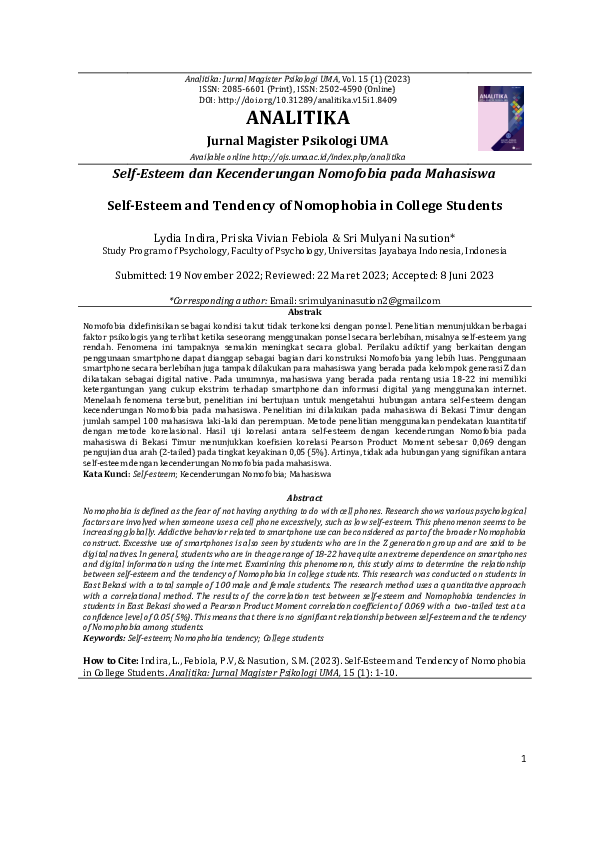
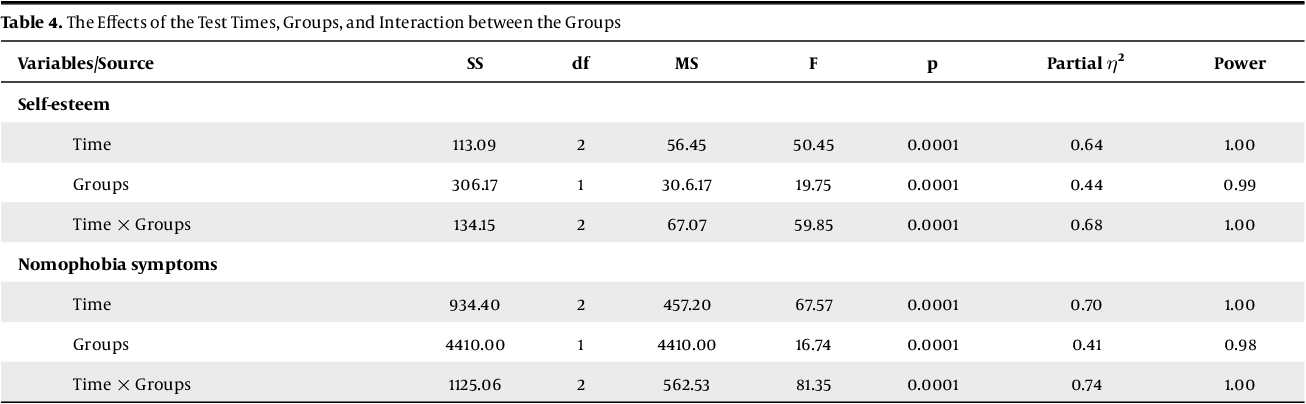
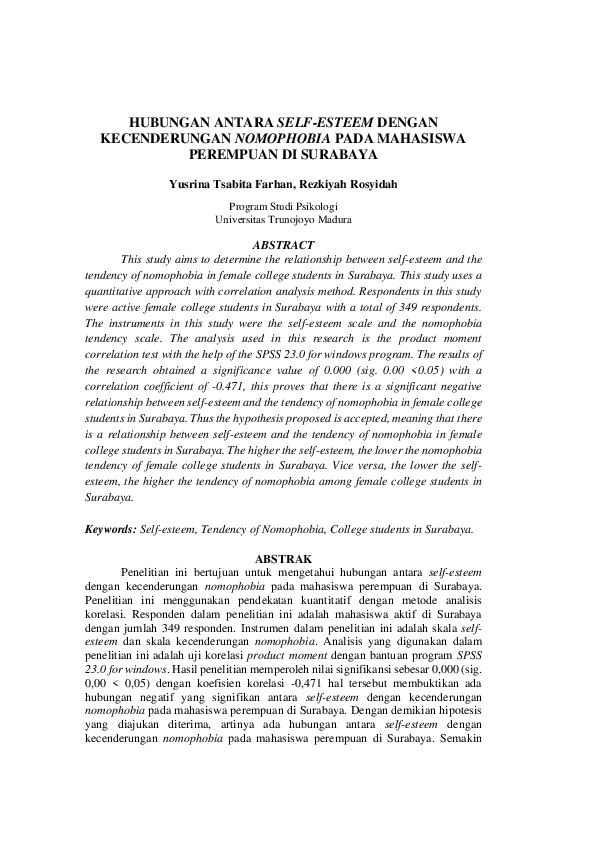
Research has shown a strong association between low self-esteem and Nomophobia. Studies have reported that individuals with low self-esteem are twice as likely to suffer from Nomophobia compared to those with high self-esteem. Additionally, fear of relating, social anxiety, lack of self-confidence, shyness, and low proactivity have been linked to Nomophobia dependence.
Impact of Nomophobia on Self-Confidence
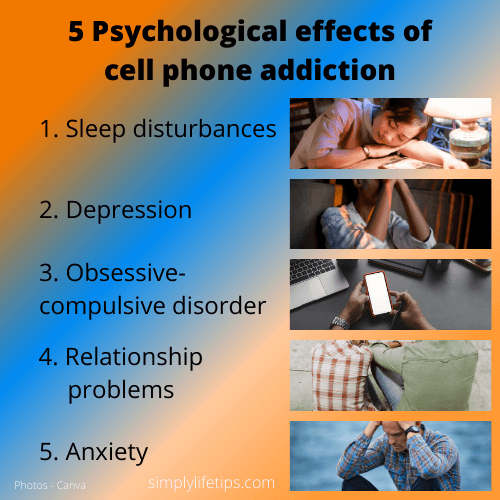
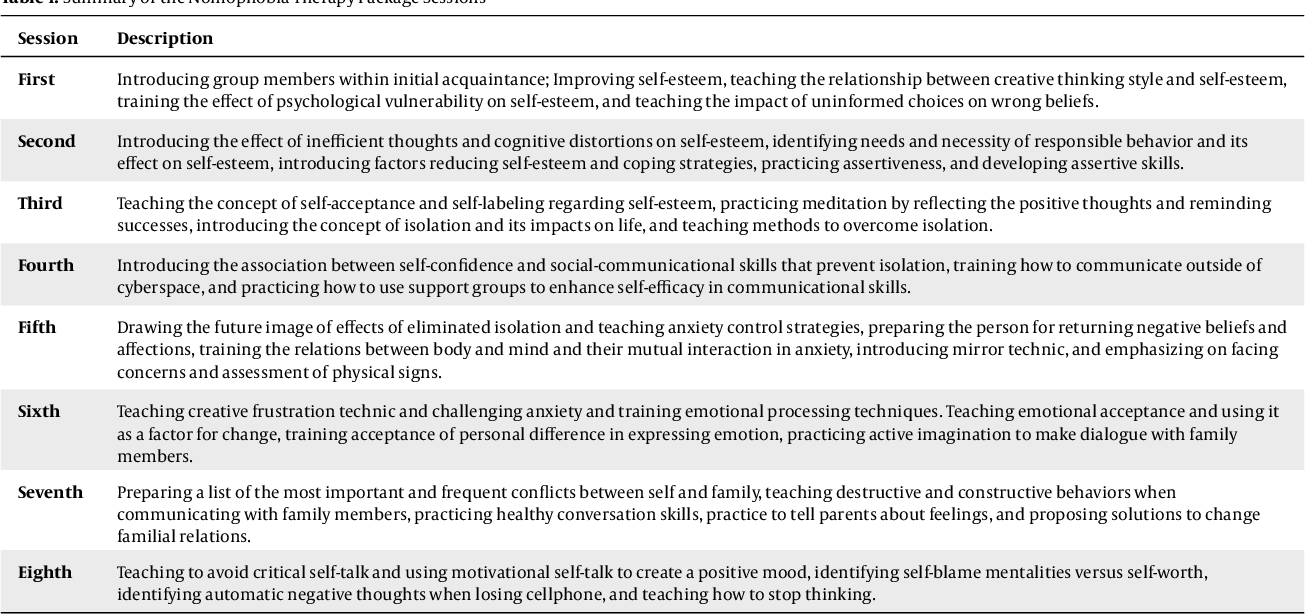
The effects of Nomophobia on self-confidence are multifaceted. Anxious individuals struggling with Nomophobia often experience difficulties in social settings, leading to feelings of inadequacy and low self-esteem. Moreover, the excessive smartphone use associated with Nomophobia can lead to social isolation, sleep disturbances, and decreased self-confidence. A study on Nomophobia and its effects on self-confidence found a significant association between perceived health assessments and Nomophobia among young adults, highlighting the need for intervention strategies to address the root causes of Nomophobia.
Achieving Self-Confidence and Overcoming Nomophobia
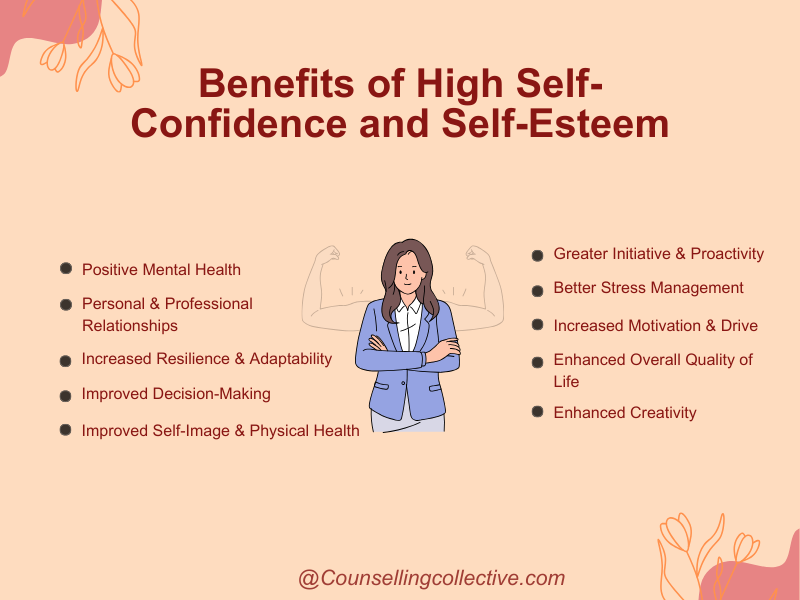
To achieve self-confidence and overcome Nomophobia, individuals should: * Practice mindfulness and self-awareness to understand the underlying causes of their anxiety * Engage in healthy coping mechanisms such as exercise, meditation, and social interactions * Set boundaries and establish a daily routine that promotes balance and self-care * Seek support from friends, family, or mental health professionals to address underlying issues * Limit smartphone use and engage in activities that promote self-confidence and self-esteem
Conclusion
Nomophobia is a pervasive psychological condition that affects millions of individuals worldwide. Its effects on self-confidence are far-reaching, contributing to social anxiety, low self-esteem, and decreased academic performance. To overcome Nomophobia and achieve self-confidence, individuals must be aware of the root causes of their anxiety and take proactive steps to address them. By adopting healthy coping mechanisms and promoting self-awareness, individuals can break free from the grip of Nomophobia and cultivate a more confident and fulfilling life.