Mixing Ibuprofen and Tylenol with Other Medications: What You Need to Know
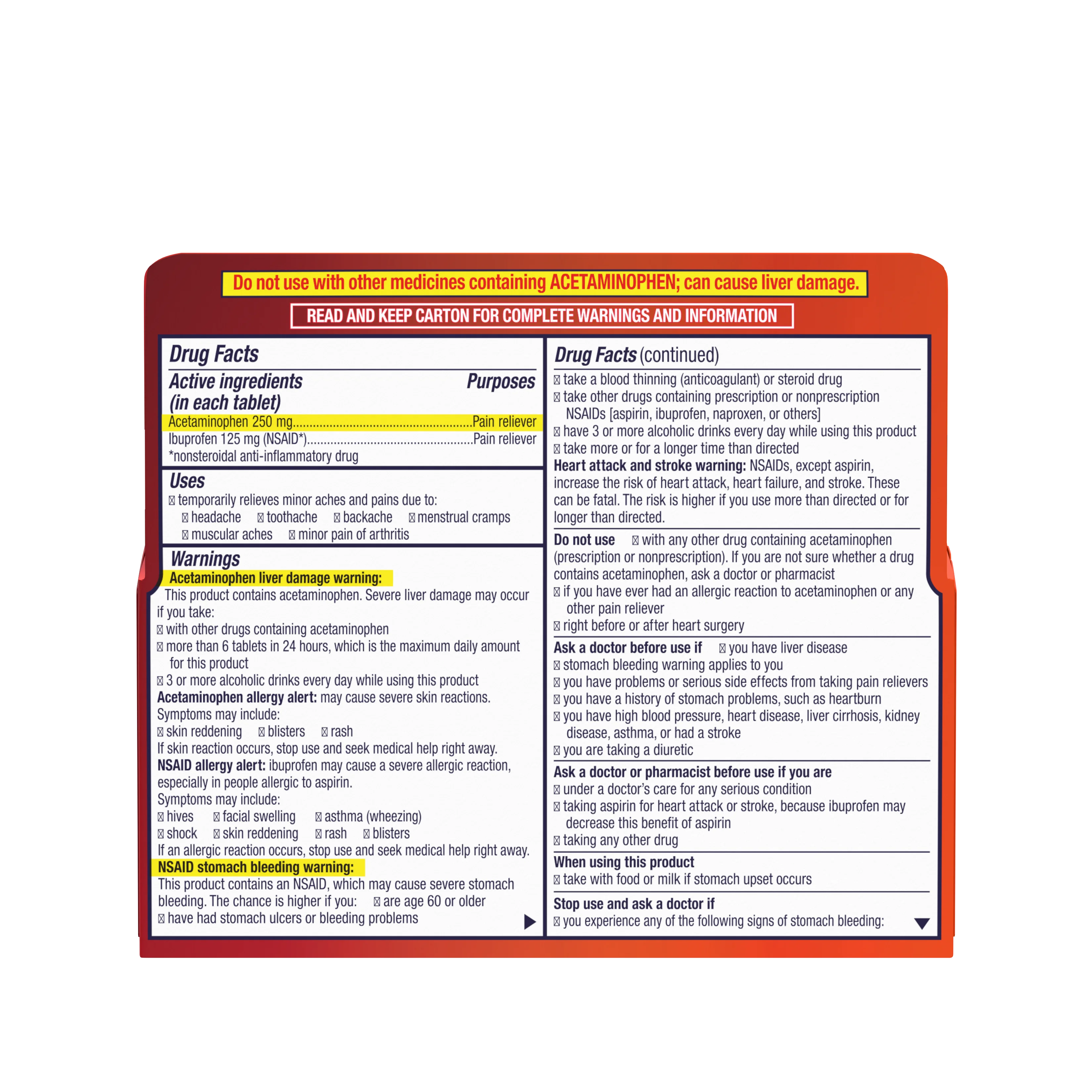
When it comes to pain relief, many of us reach for over-the-counter (OTC) medications like ibuprofen (Advil, Motrin) and acetaminophen (Tylenol). But did you know that taking these medications together can be safe and even effective for certain conditions? However, it's essential to understand the potential interactions and side effects that may occur when mixing ibuprofen and Tylenol with other medications.Understanding Ibuprofen and Tylenol
Acetaminophen (Tylenol) and ibuprofen (Advil, Motrin) are two of the most commonly used OTC pain relievers. They work differently to relieve pain and reduce inflammation. Acetaminophen works centrally in the brain, while ibuprofen acts on peripheral sites to reduce inflammation and offer pain relief.Why Mix Ibuprofen and Tylenol?
Taking ibuprofen and Tylenol together can be beneficial for several reasons:- Reduced risk of side effects: By combining the two medications, you can reduce the risk of experiencing side effects associated with taking either medication alone.
- Increased efficacy: The combination of ibuprofen and Tylenol can provide improved pain relief for certain conditions, such as menstrual cramps or muscle aches.
- Convenience: Taking two medications together can be more convenient than taking them separately, especially when managing chronic pain or inflammation.
What to Consider When Mixing Ibuprofen and Tylenol with Other Medications
While combining ibuprofen and Tylenol can be safe for some individuals, there are potential interactions and side effects to be aware of:- Do not mix ibuprofen and Tylenol with other NSAIDs (such as Aleve or aspirin). This can increase the risk of stomach bleeding and ulcers.
- Avoid taking multiple medications containing acetaminophen, as this can harm the liver.
- Be cautious when taking warfarin (a blood thinner) with ibuprofen, Tylenol, or other NSAIDs, as this can increase the risk of bleeding.
- Monitor your liver function regularly if you're taking medications that may harm the liver.
- Do not mix ibuprofen with certain antidepressants, antibiotics, or diuretics.

Staggered Dosing Schedule
To minimize potential interactions and side effects, consider a staggered dosing schedule:- Take the first dose of one medication in the morning and the second dose in the afternoon, with at least 4-6 hours between doses.
- Rotate the order of the medications on subsequent days to avoid building up liver levels of the medications.
Alternatives to Ibuprofen and Aspirin
If you're concerned about the potential risks of mixing ibuprofen and Tylenol or prefer alternative pain relief options, consider:- Acetaminophen (Tylenol): This medication is a common alternative to ibuprofen and aspirin.
- Other OTC pain relievers: Consult your healthcare provider for alternative recommendations and find out the dose and schedule that suits your symptoms.