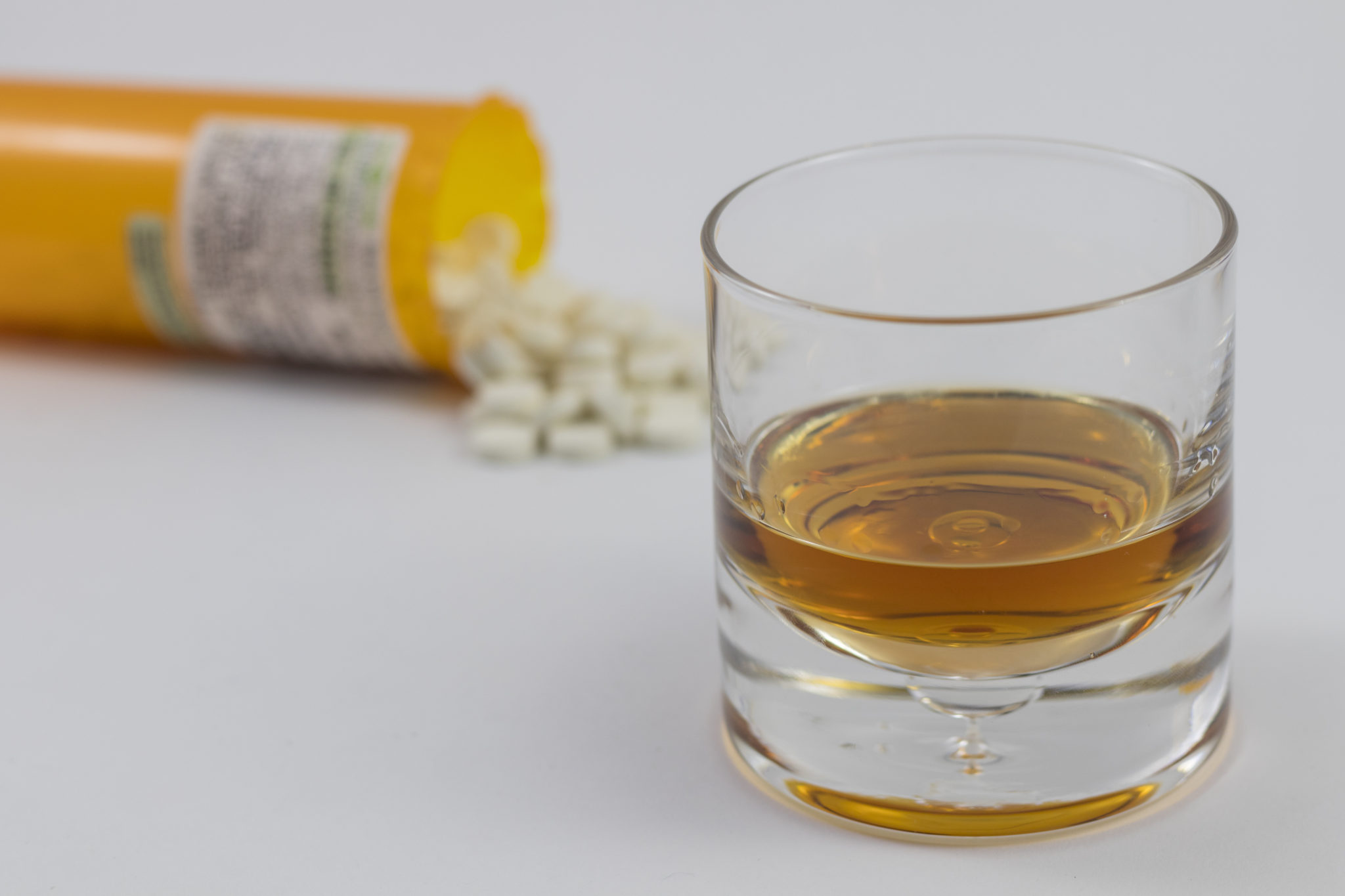
Understanding the Interaction Between Antibiotics and Alcoholic Beverages
When it comes to treating bacterial infections, antibiotics are often the go-to solution. However, many people are unaware of the potential interactions between antibiotics and alcoholic beverages. In this article, we will delve into the world of antibiotic-alcohol interactions, exploring the risks, symptoms, and safe alternatives for those taking these medications.
What Are Antibiotic-Alcohol Interactions?
Antibiotics are designed to fight bacterial infections, but they can interact with various substances, including alcohol. These interactions can range from mild to severe and even life-threatening. The risk of antibiotic-alcohol interactions depends on the type of antibiotic, the amount of alcohol consumed, and individual sensitivity.
Types of Antibiotic-Alcohol Interactions
- Metronidazole-Related Reactions: Metronidazole, an antibiotic used to treat various bacterial and protozoal infections, can cause severe "disulfiram-like reactions" when taken with even small amounts of alcohol. This can lead to symptoms like nausea, vomiting, abdominal cramps, and diarrhea.
- Linezolid (Zyvox) and Blood Pressure: Linezolid, an antibiotic used to treat respiratory infections, can interact with tyramine, a compound found in certain types of wine and tap beer. This can cause a dangerous spike in blood pressure, leading to hypertensive crises.
- Other Antibiotic-Alcohol Interactions: Some antibiotics, such as ciprofloxacin, may interact with dairy products, calcium-fortified foods, or other supplements, reducing their effectiveness or increasing the risk of side effects.
Recognizing Conerning Symptoms
When taking antibiotics, it's essential to recognize the signs of potential interactions with alcoholic beverages. If you experience any of the following symptoms, seek medical attention immediately:
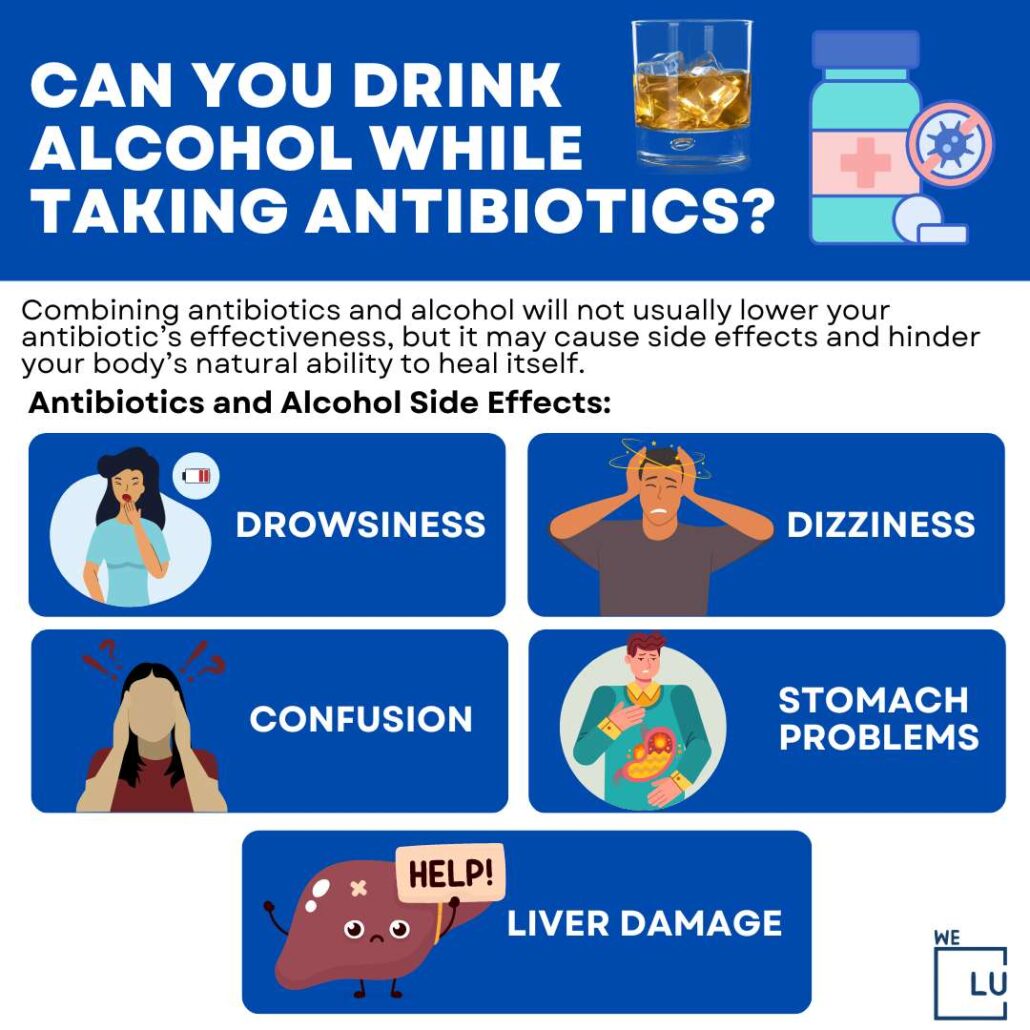
- Nausea and vomiting
- Abdominal cramps and diarrhea
- Stomach upset and drowsiness
- Increased heart rate and blood pressure

Safe Alternatives and Precautions
To minimize the risks of antibiotic-alcohol interactions, follow these guidelines:
- Consult your doctor or pharmacist about safe consumption of alcoholic beverages while taking antibiotics.
- Read and follow the medication label instructions carefully.
- Choose beverages without alcohol or low-alcohol content (1-2% ABV).
- Drink plenty of water to stay hydrated and reduce the risk of side effects.
- Consider non-alcoholic alternatives, such as herbal teas or flavored sparkling water.
Conclusion
Understanding the interaction between antibiotics and alcoholic beverages is crucial for safe and effective treatment. By recognizing the risks, symptoms, and safe alternatives, you can make informed decisions during antibiotic treatment. Remember to always consult your healthcare provider for personalized advice and to address any concerns.
References
For more information on antibiotic-alcohol interactions, visit reputable sources such as WebMD, the National Institute on Alcohol Abuse and Alcoholism (NIAAA), or consult your healthcare provider.


.jpg "Fact versus Fiction: a Review of the Evidence behind Alcohol and ...")