How to Write a Resume: A Comprehensive Guide to Sticking Out in a Competitive Job Market
Introduction
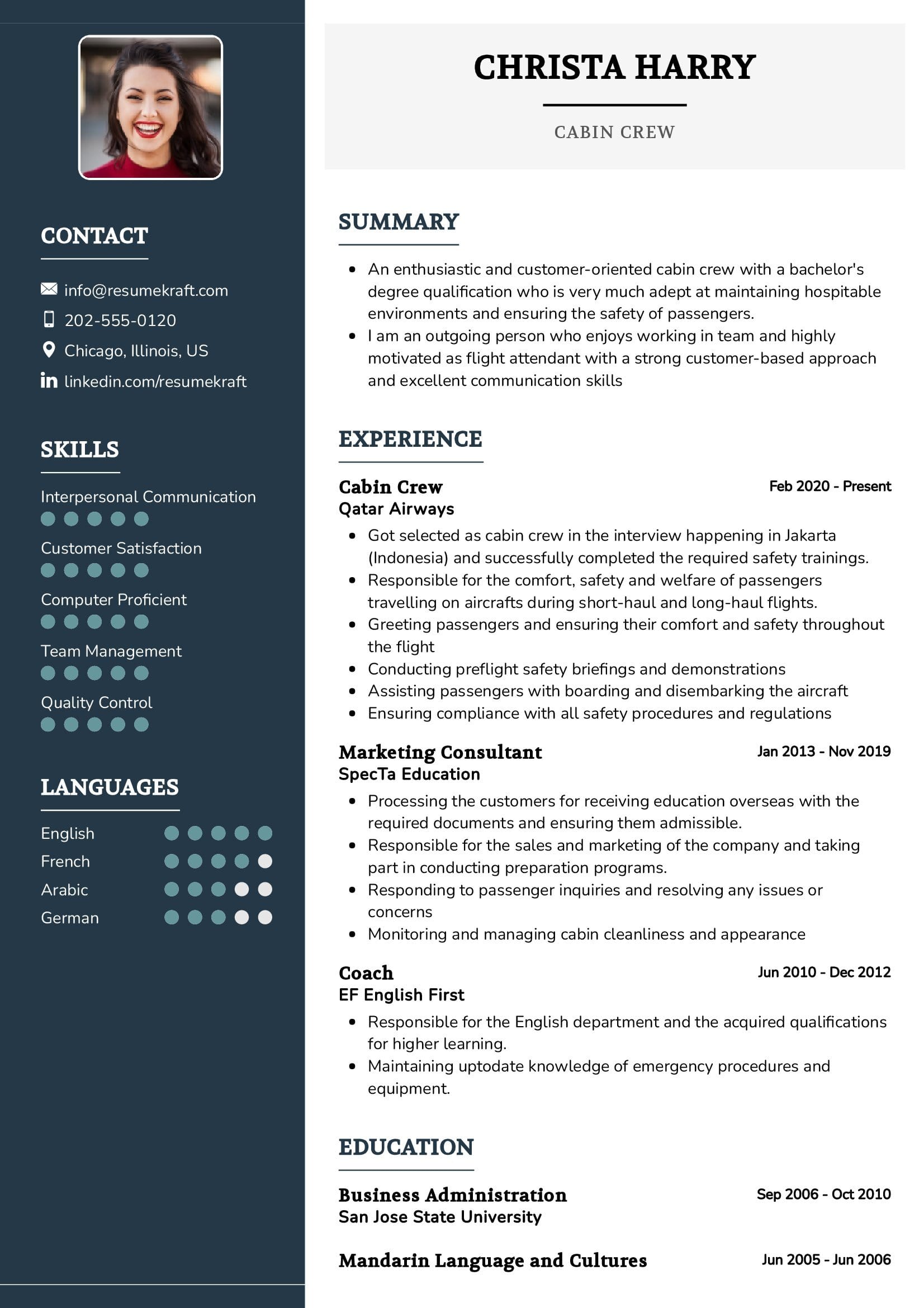
When it comes to applying for a job, a well-crafted resume is often the first impression you make on a potential employer. Aresumeis a concise, informative summary of your abilities, education, and experience, designed to showcase your strongest assets and differentiate you from other candidates. In this article, we'll take you through the steps to learnhowtowrite a resume that lands you interviews and secures your next job.
Understanding the Purpose of a Resume
Aresumeis a one-page document that highlights your relevant skills, qualifications, and experience. It's a tool to help you pass through applicant tracking systems (ATS) and catch the eye of hiring managers. With a structured format and key information, you can use aresume to stand out in a crowded job market.
Before You Write Your Resume
Before youstartwriting your resume, read the job announcement closely. Some sections will tell you whether you qualify for the job and what to include in yourresume. This will help you tailor your resume to the specific requirements of the position.
Basic Resume Sections
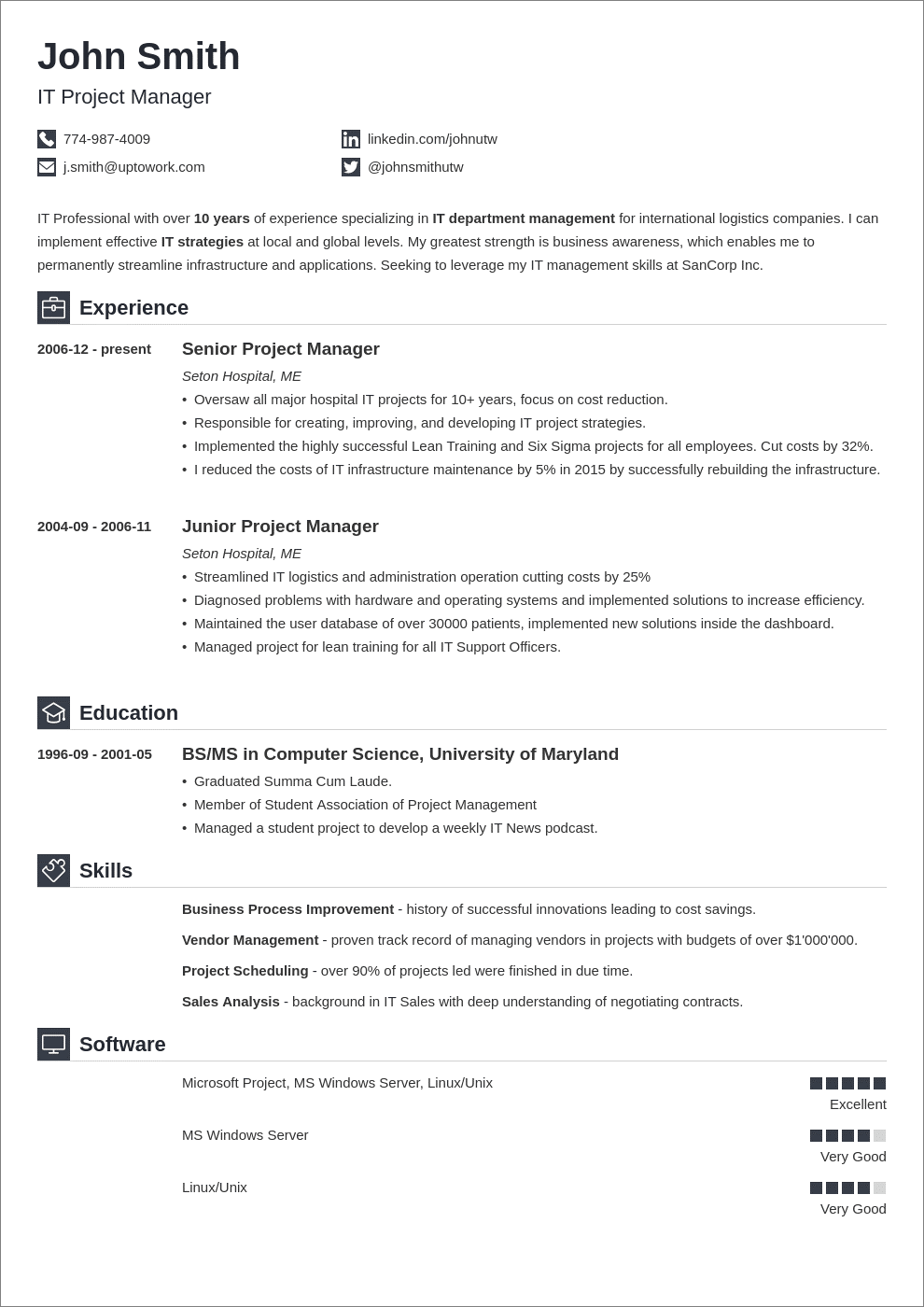
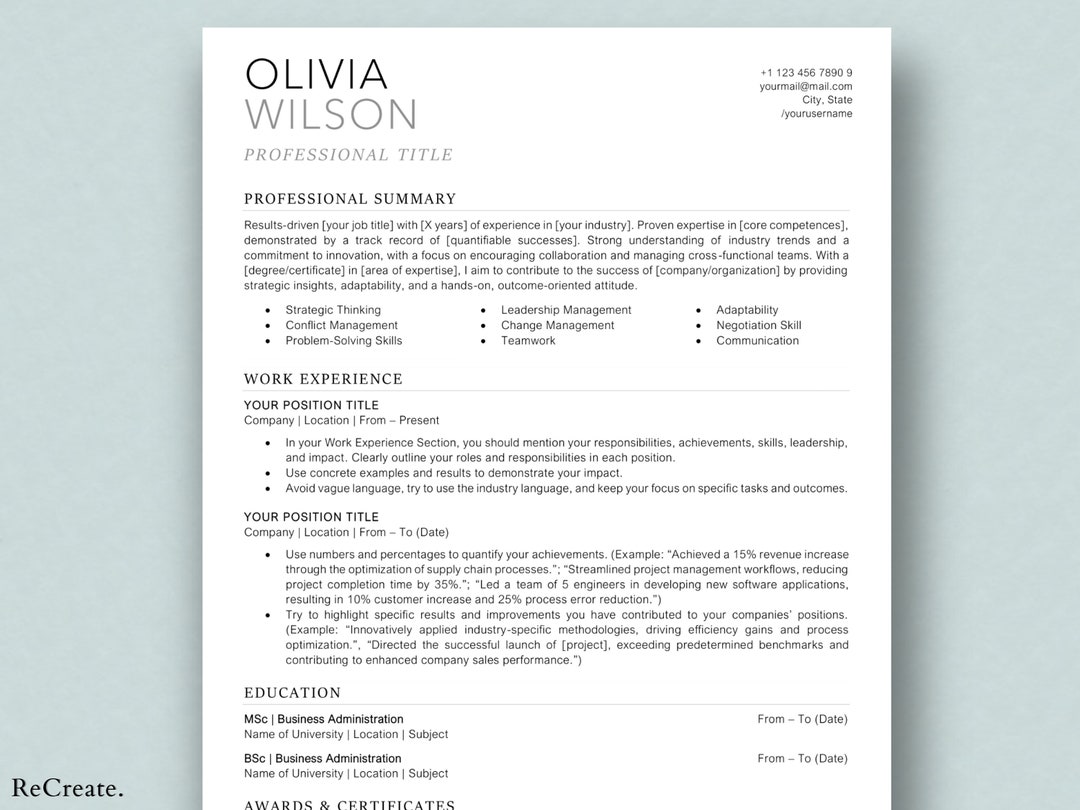
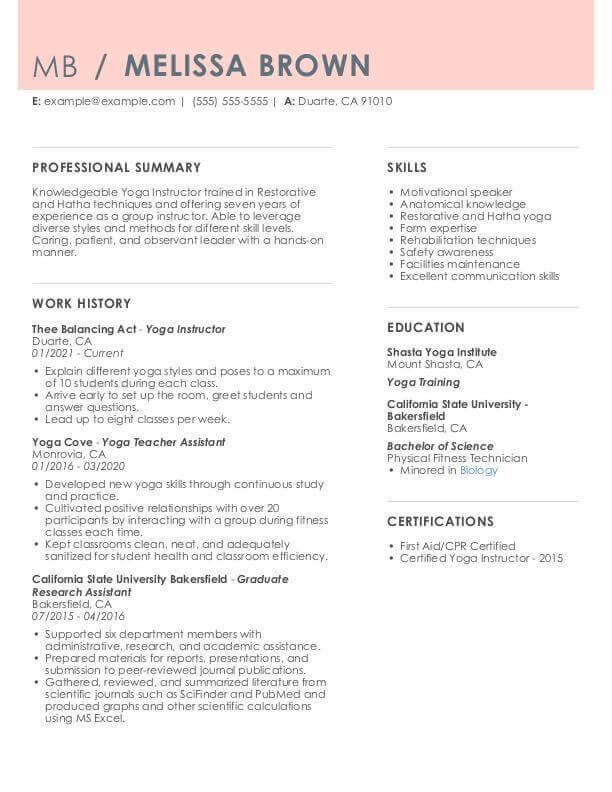
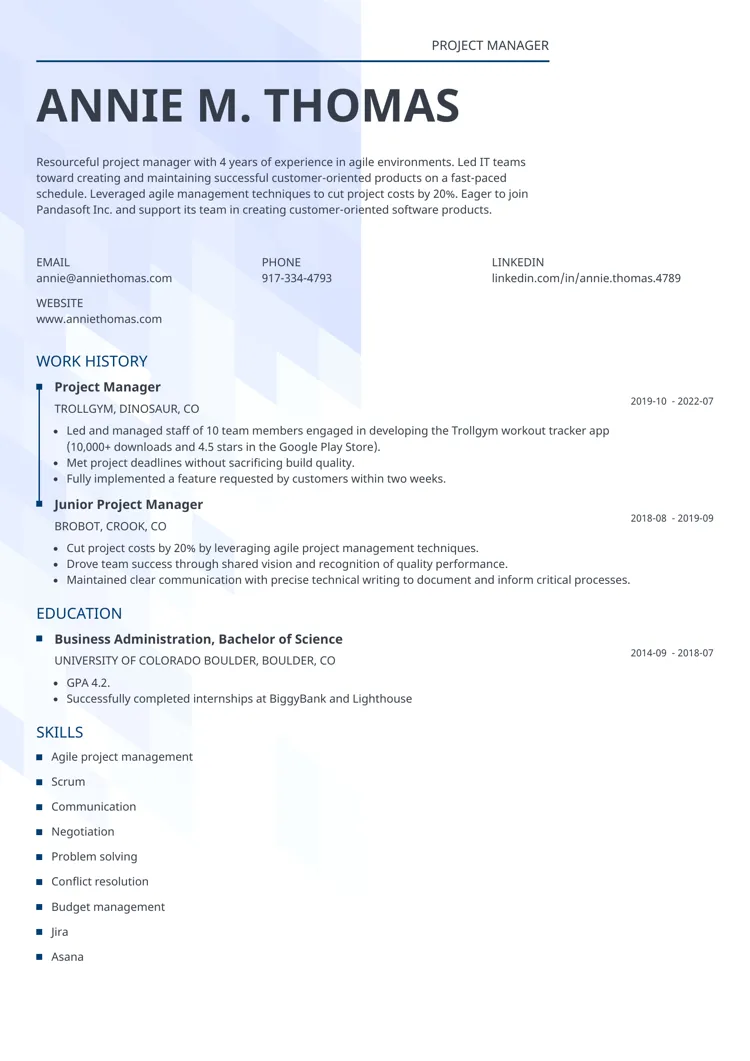
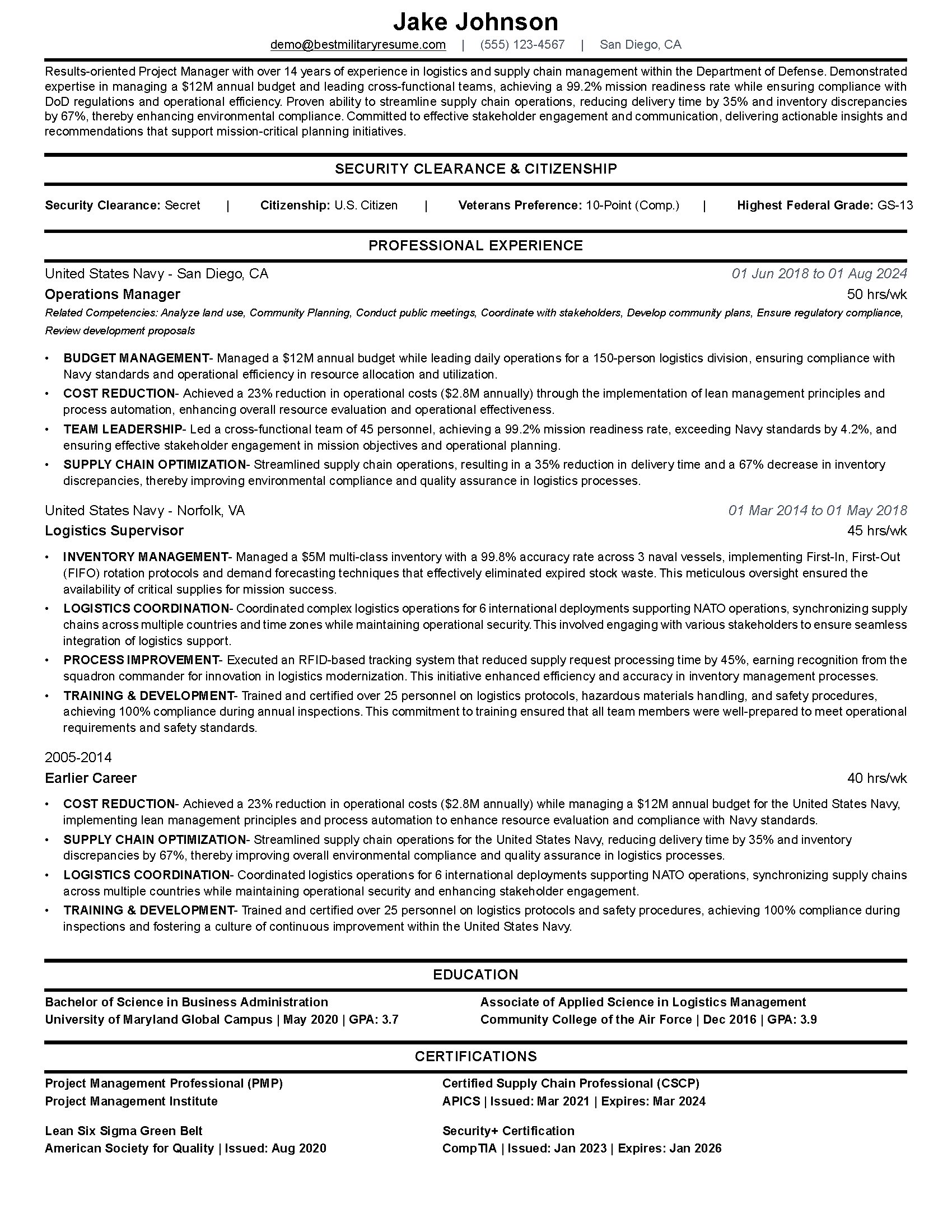
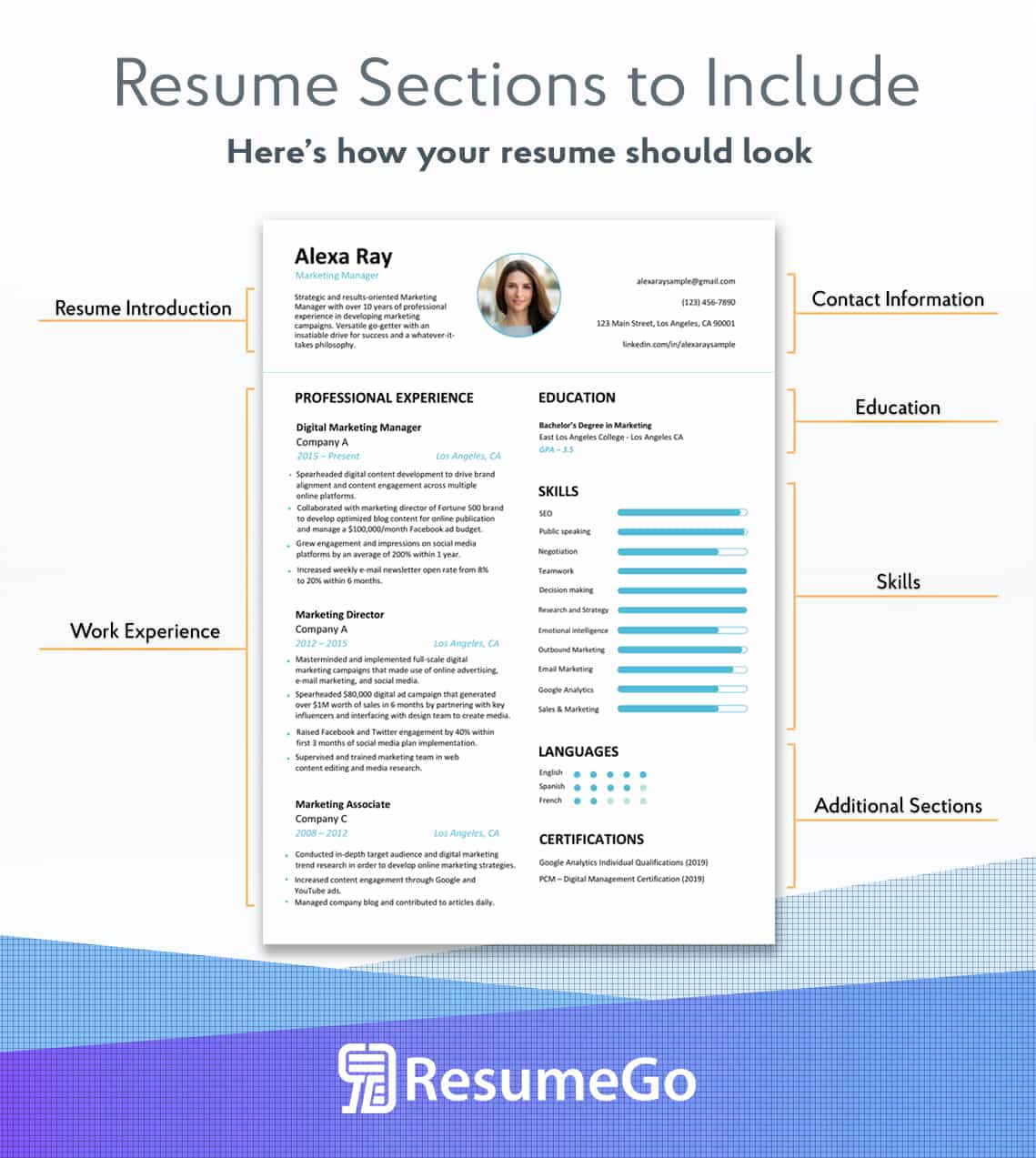
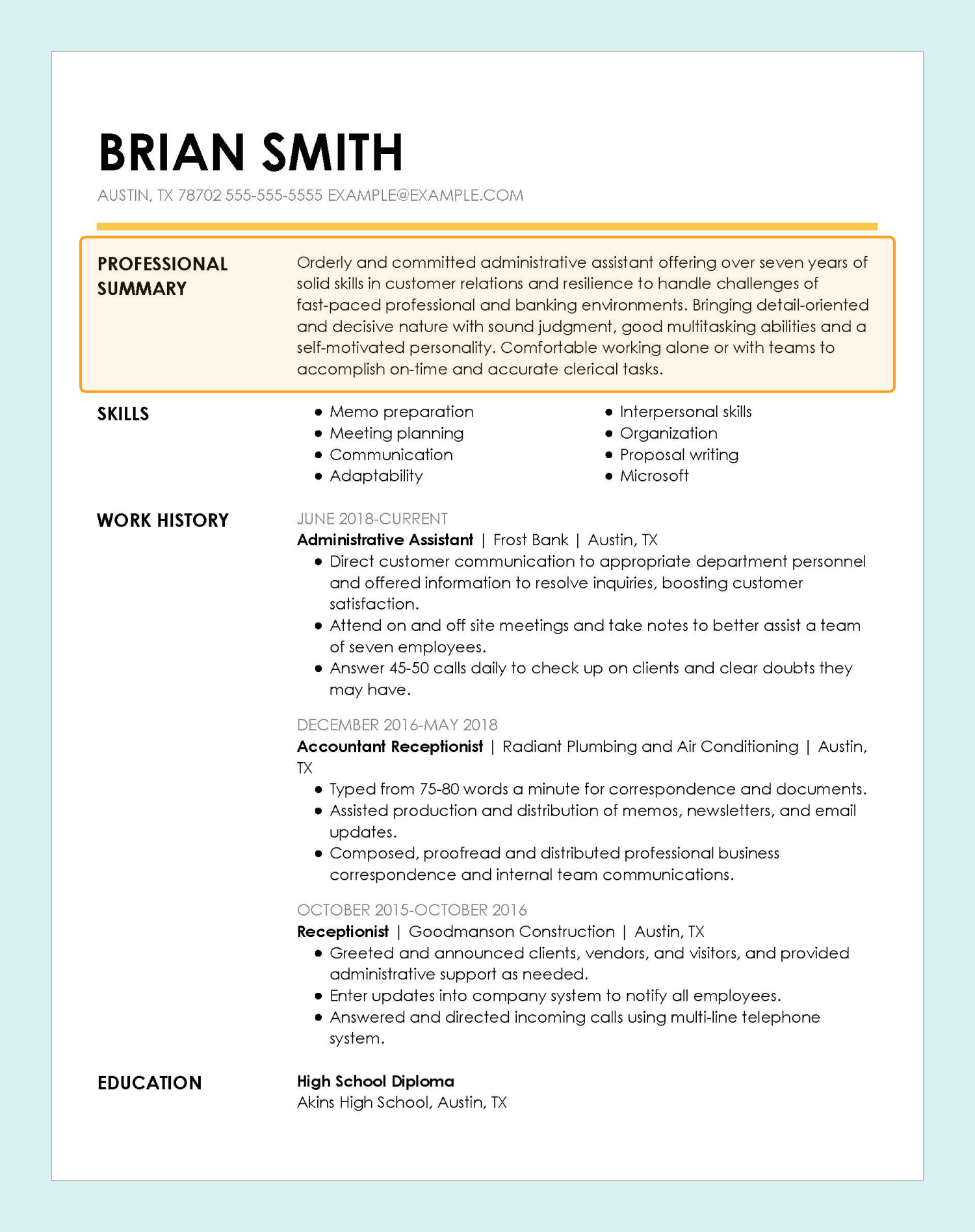
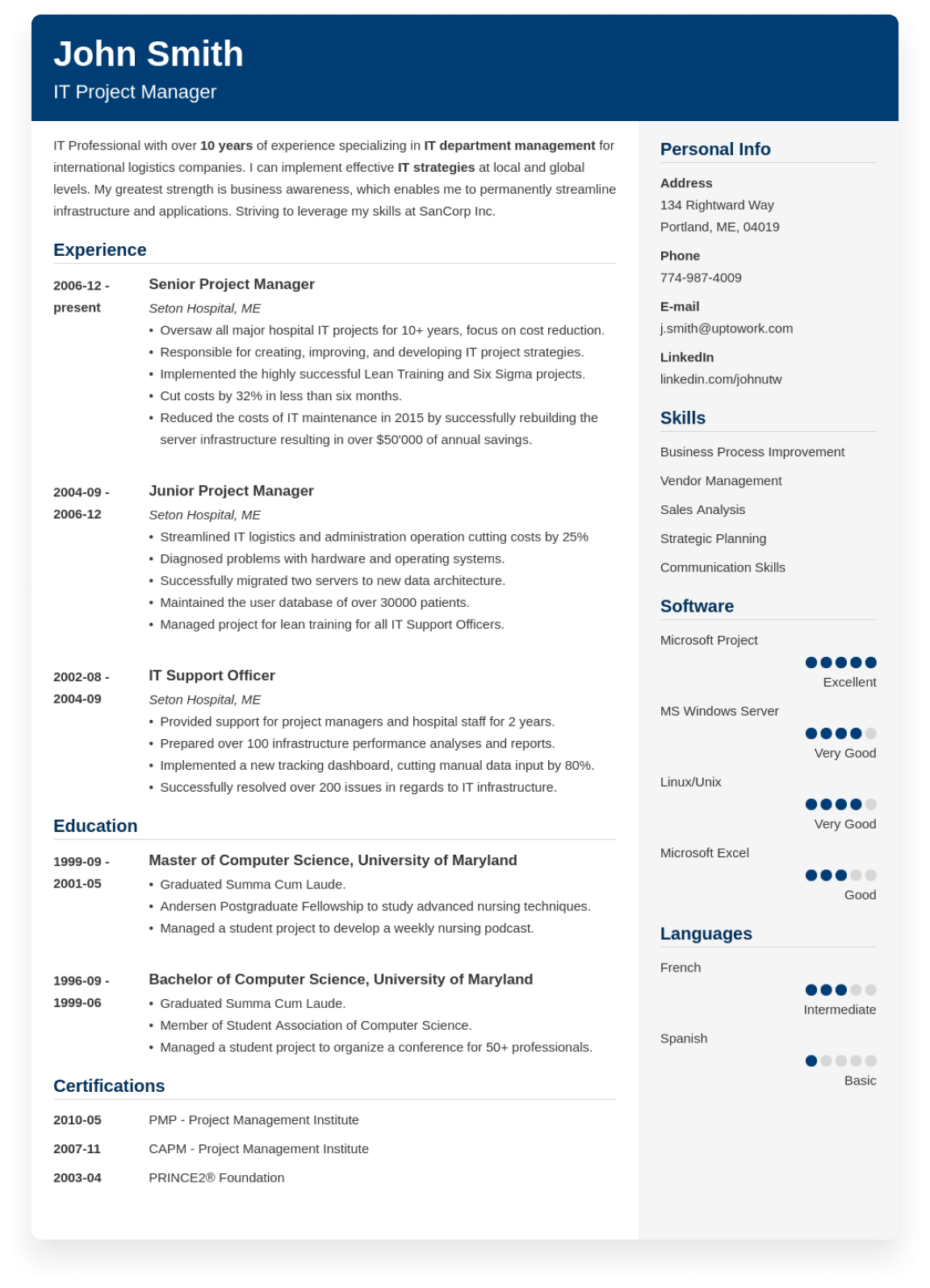
Mostresumesfollow a standard format with the following sections:
- Contact Information
- Headline or Professional Summary
- Skills
- Work Experience
- Education
- Certifications
- References (optional)
Writing Each Section
Headline or Professional Summary
Write a brief headline or professional summary that highlights your strongest skills and experience. This section should give the reader a quick understanding of your value proposition.
Skills
Make a list of your relevant skills and qualifications, both technical and soft. Be specific and use action verbs like "managed," "created," and "developed."
Work Experience
Usebulletpoints to highlight your achievements and responsibilities in each job. Focus on results and the impact you made, rather than just listing job duties.
Education
Include your educational background, relevant courses, and achievements. If you have certifications or training relevant to the job, be sure to list them.
References
Optional, but it's a good idea to have at least two references prepared. This can include former employers, supervisors, or colleagues who can vouch for your skills and experience.
Formatting Your Resume
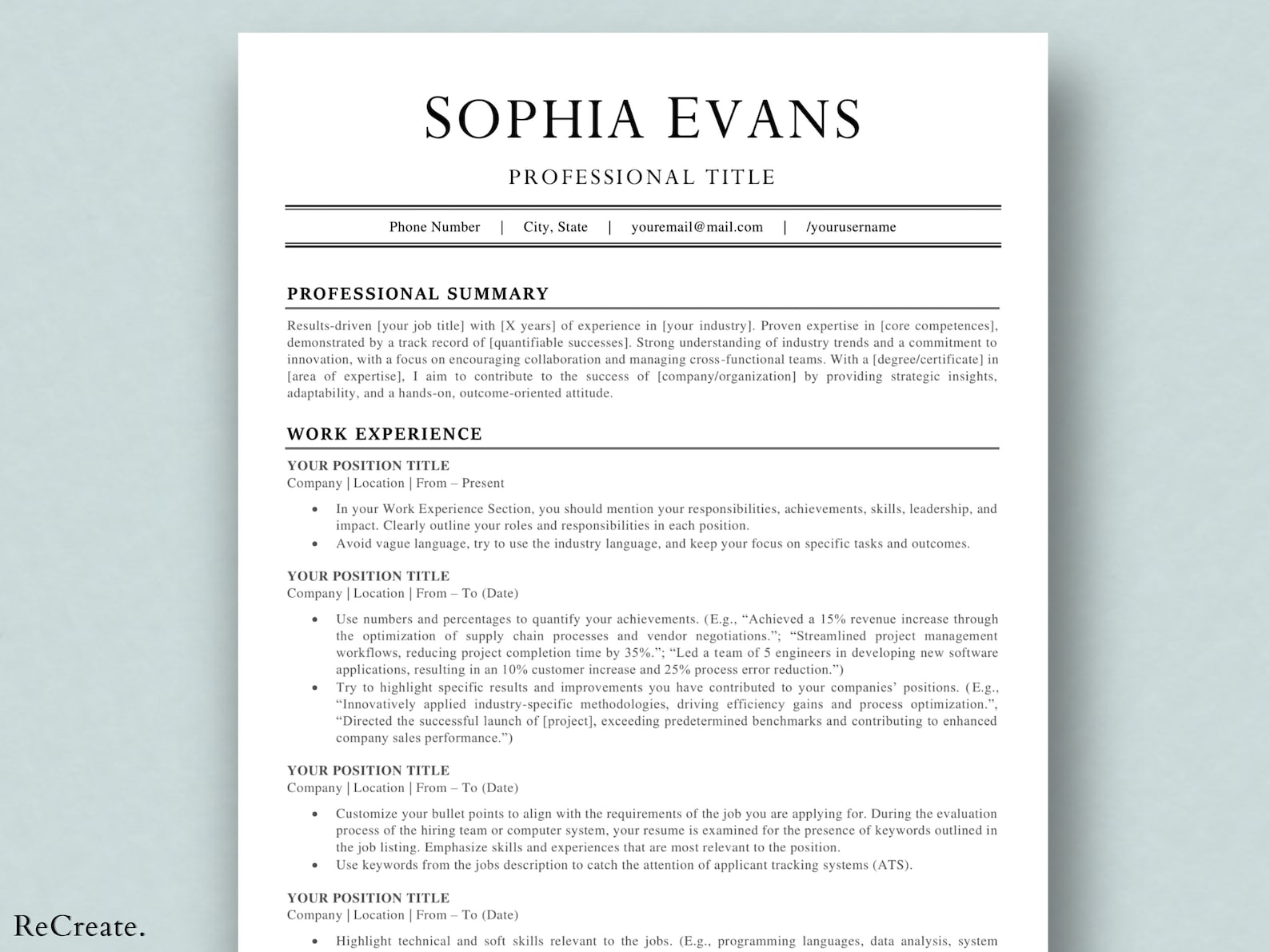
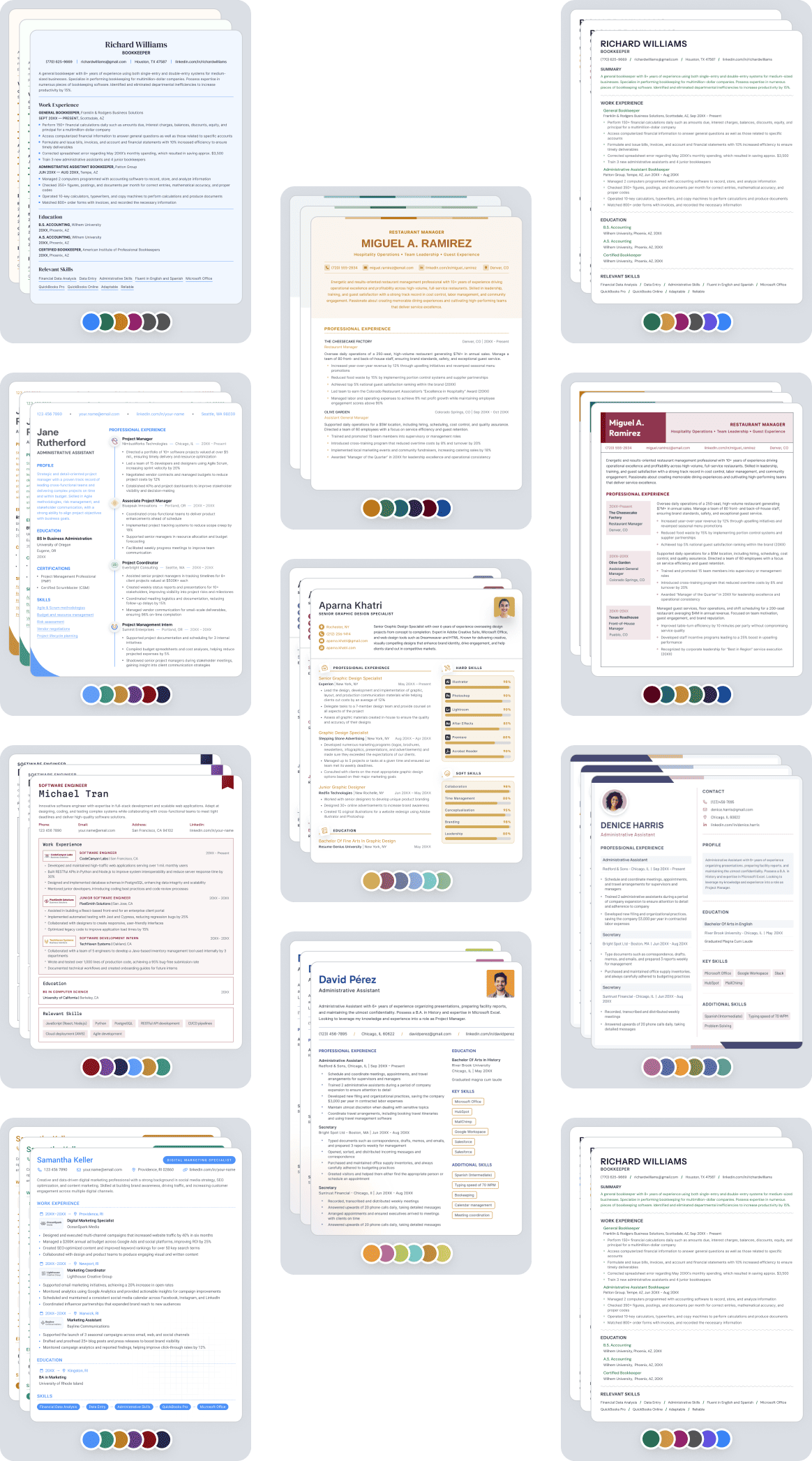
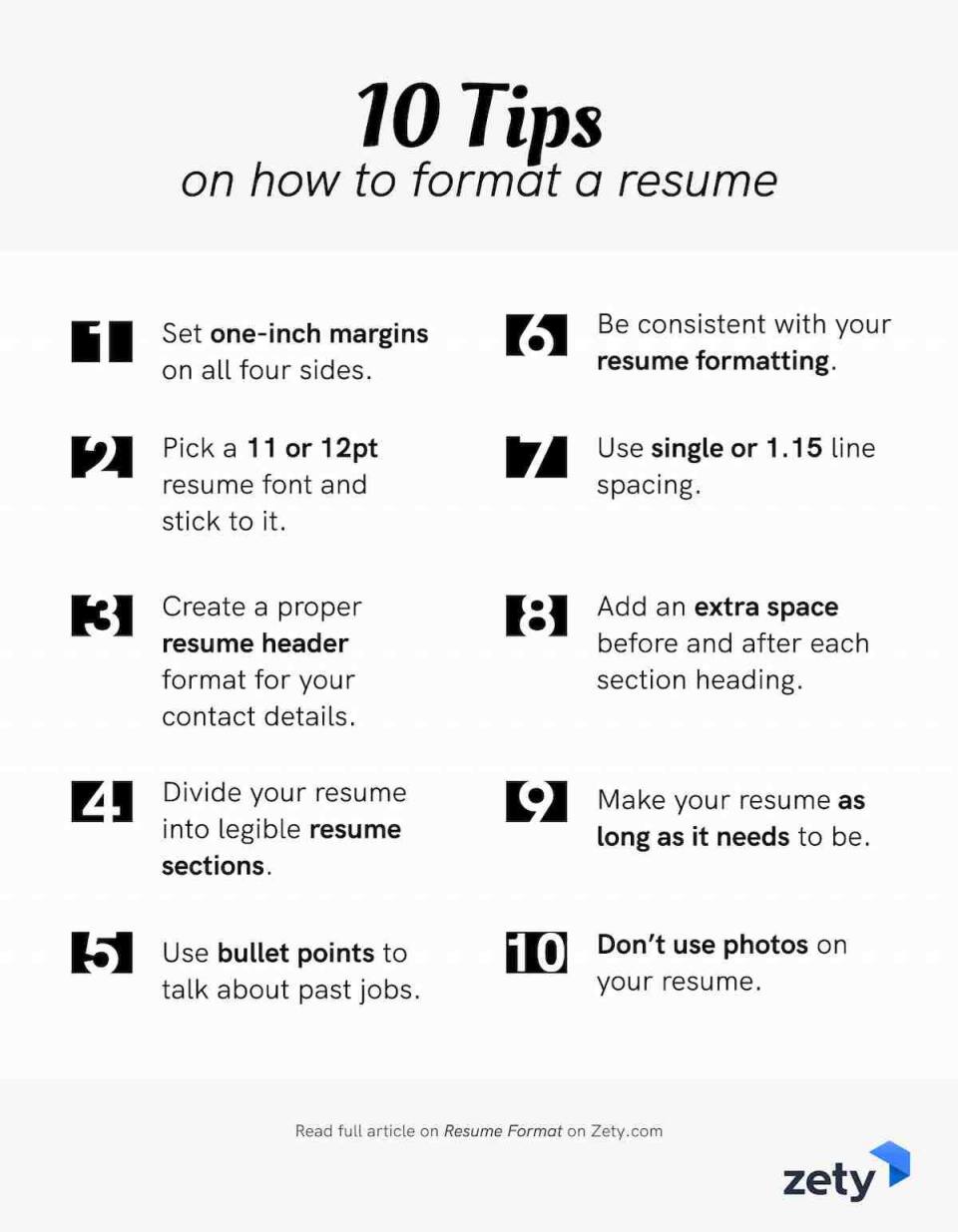
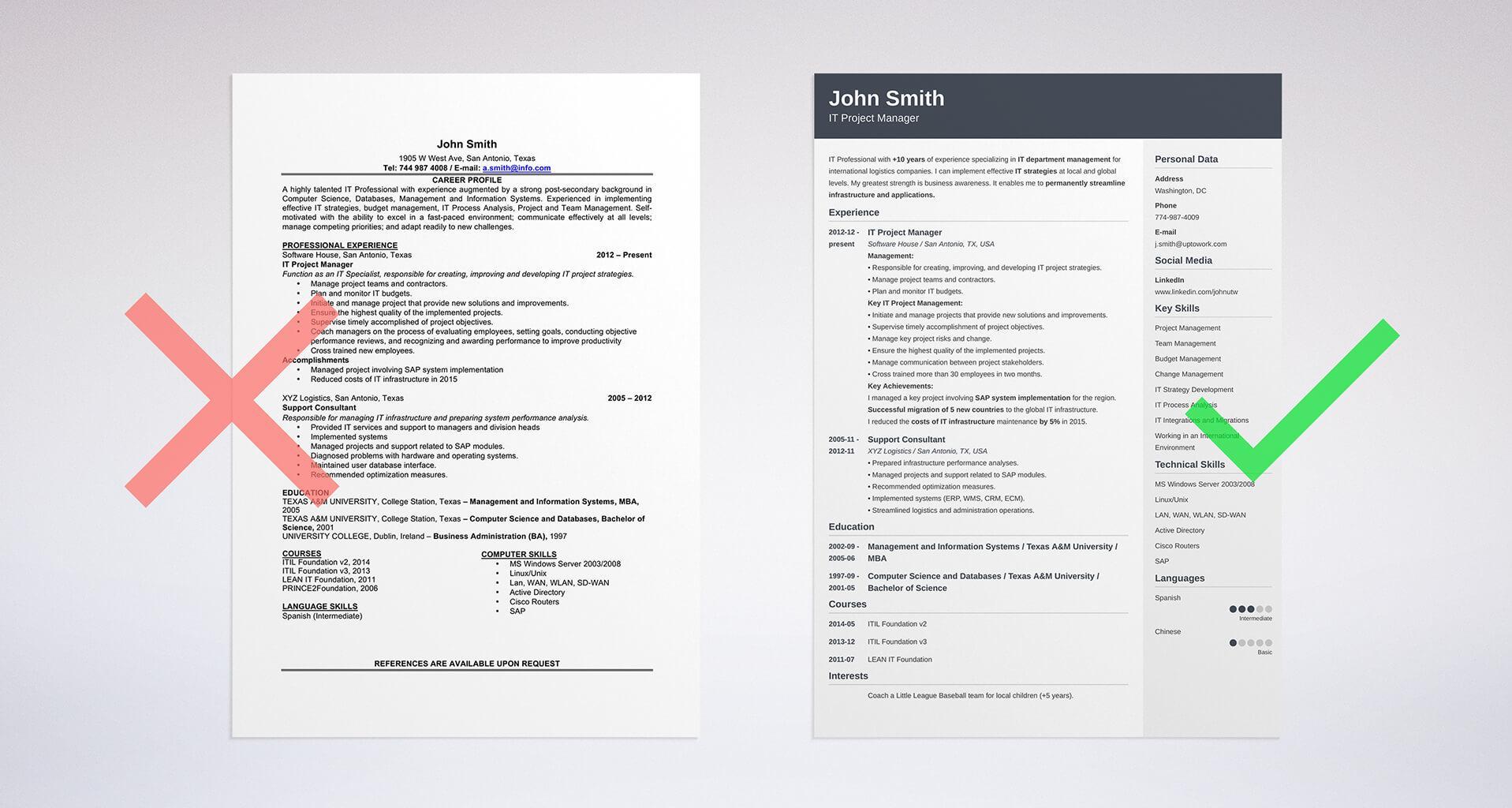
When it comes to formatting yourresume, choose a clean and easy-to-read font, like Arial, Calibri or Helvetica. Use size 10 or 11 for the body of the text, and a bit larger for headings. Word-processing software like Microsoft Word or Google Docs can help you create a professional-looking resume, including a variety of formatting templates and tools.
Final Tips:
- Proofread your resume multiple times for spelling and grammar errors.
- Tailor your resume to the specific job you're applying for.
- Use action verbs and numbers to demonstrate your achievements.
- Use keywords and phrases from the job posting to help your resume pass through ATS.
Conclusion
Learninghow to write a resume that stands out can take time and practice, but with this guide, you'll be well on your way to creating a comprehensive and effective resume that lands you interviews and secures your next job. Remember to tailor your resume to each job you apply for, and use every tool at your disposal to make your application stand out.
![How to Make a Resume in 2026 [Writing Tips & Examples]](https://d14b9ctw0m6fid.cloudfront.net/ugblog/wp-content/uploads/2022/10/image1-2-724x1024.png "How to Make a Resume in 2026 [Writing Tips & Examples]")