How to Stop Bed Bug Infestation: A Comprehensive Guide
Bed bugs are a nuisance that can cause itchy, uncomfortable bites. Bed bug infestations can be tricky to identify and difficult to eliminate. Knowing how to stop bed bug infestation is essential for every household to prevent these nighttime pests from spreading quickly and causing discomfort.
Understanding Bed Bugs
Bed bugs are small, parasitic insects that need human or animal blood to survive. They ingest this blood when they bite. Though they do not transmit disease, their bites can be irritating. Bed bugs are found in homes, apartments, and other buildings, and can spread quickly through contact with infested furniture, clothing, or luggage.
Common Signs of Bed Bug Infestation
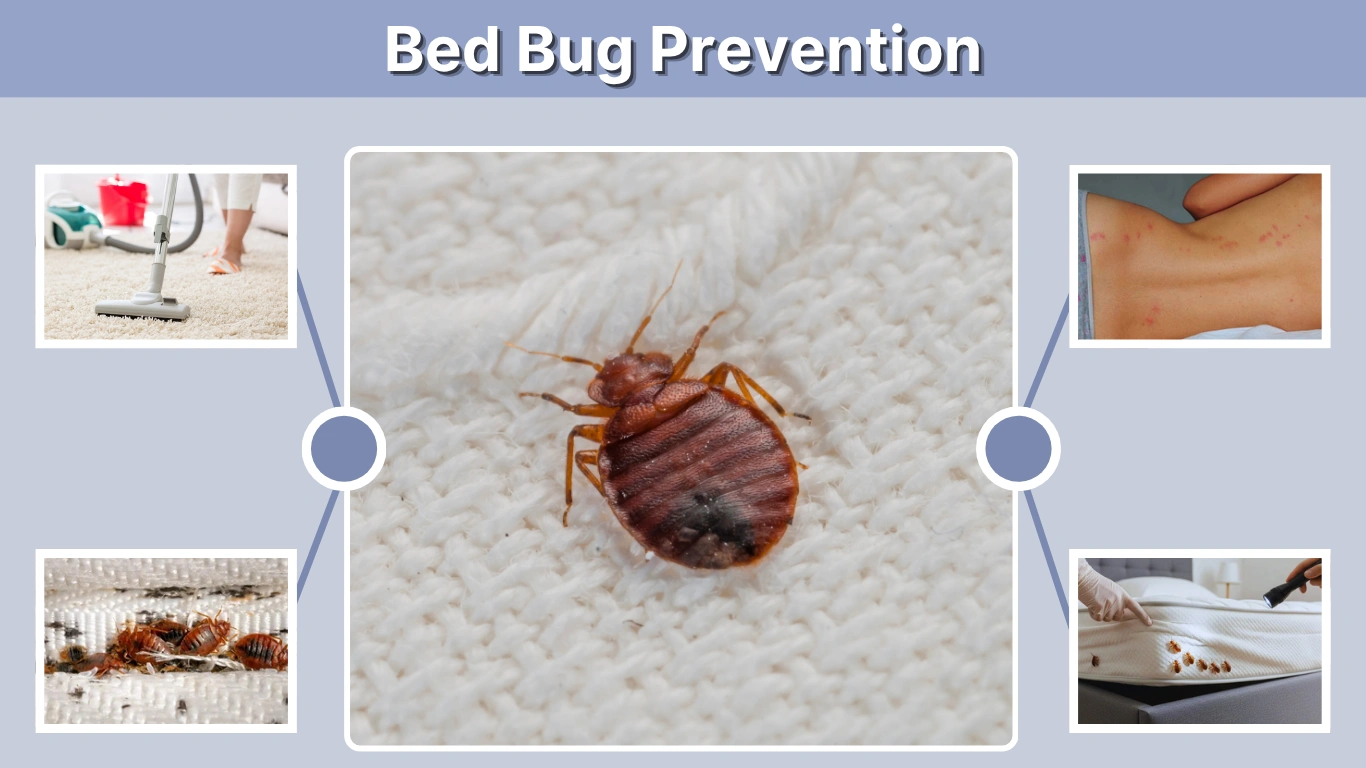
- Bites and Skin Reactions: One of the most noticeable signs is the appearance of itchy, red bites on the skin, usually on the arms, legs, and torso.
- Blood Stains: Small reddish or rust-colored spots on sheets or pillowcases from crushed bugs or their blood meals.
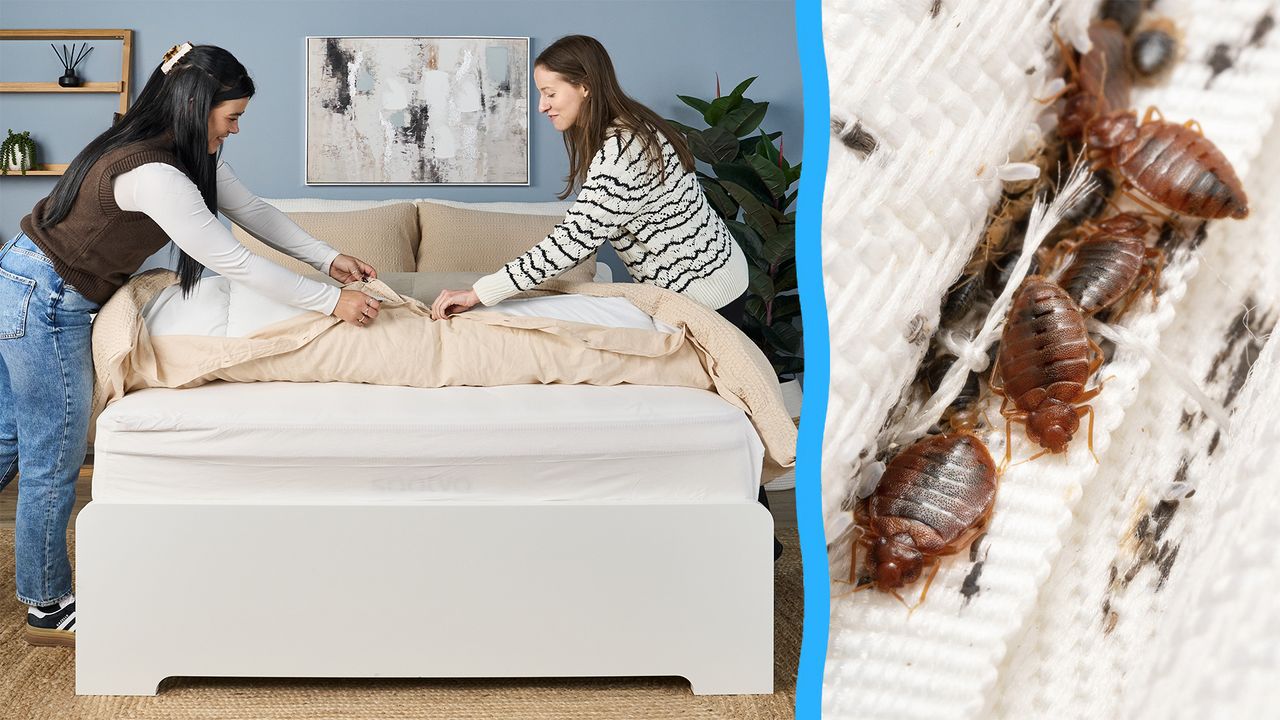
- Fecal Spots: Dark or black tiny spots, often found on mattress seams or bedding, which are bed bug droppings.
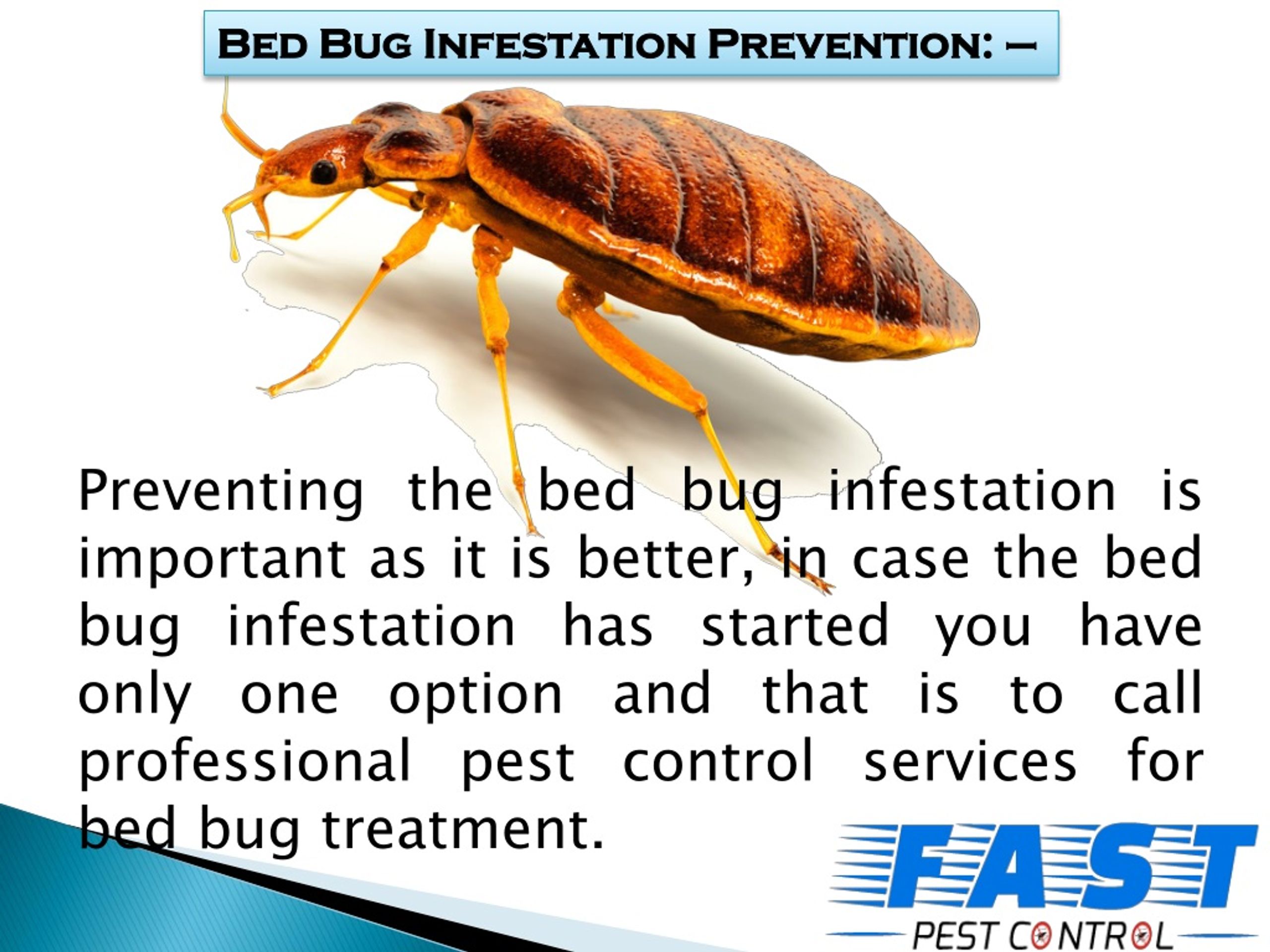
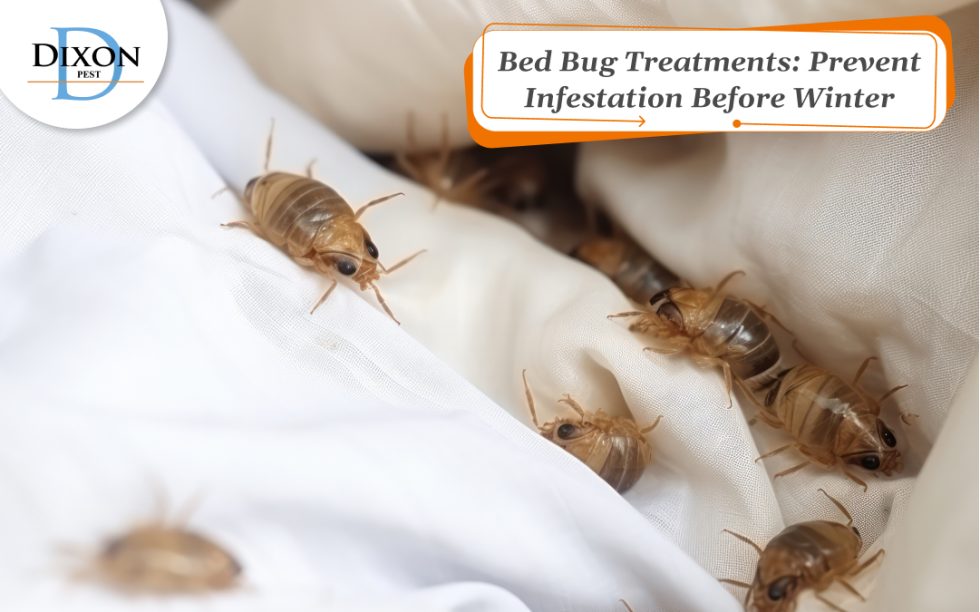
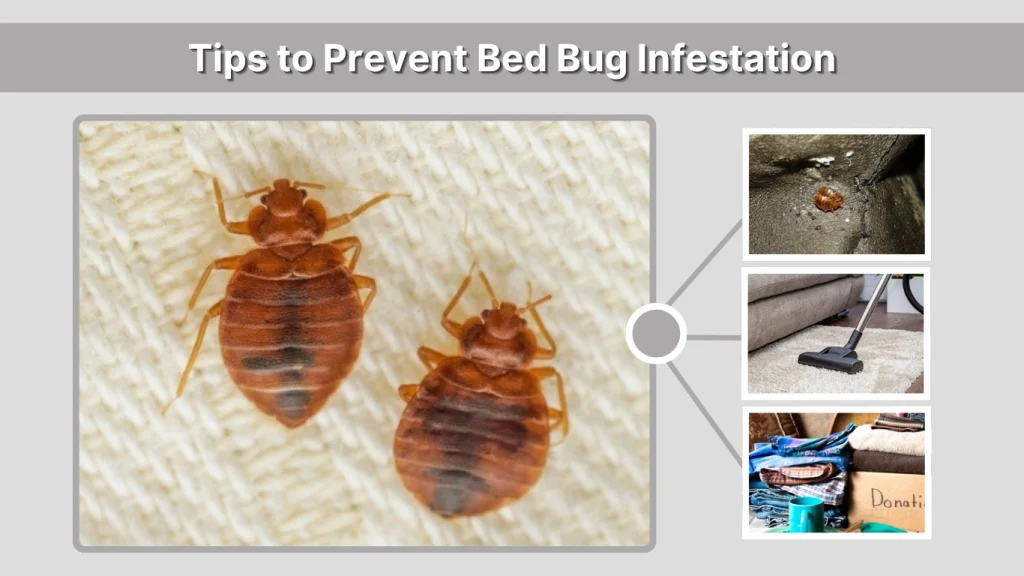
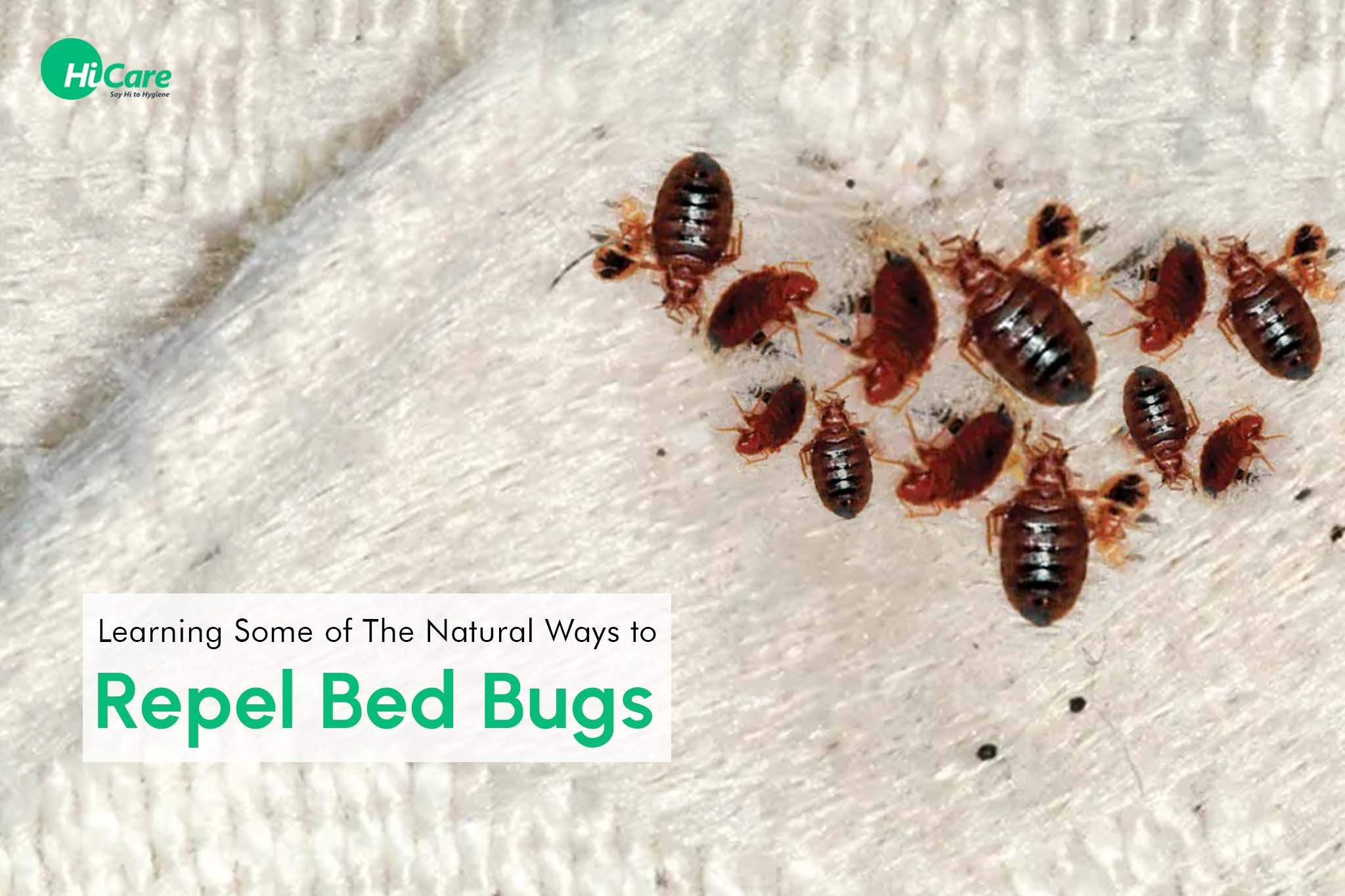
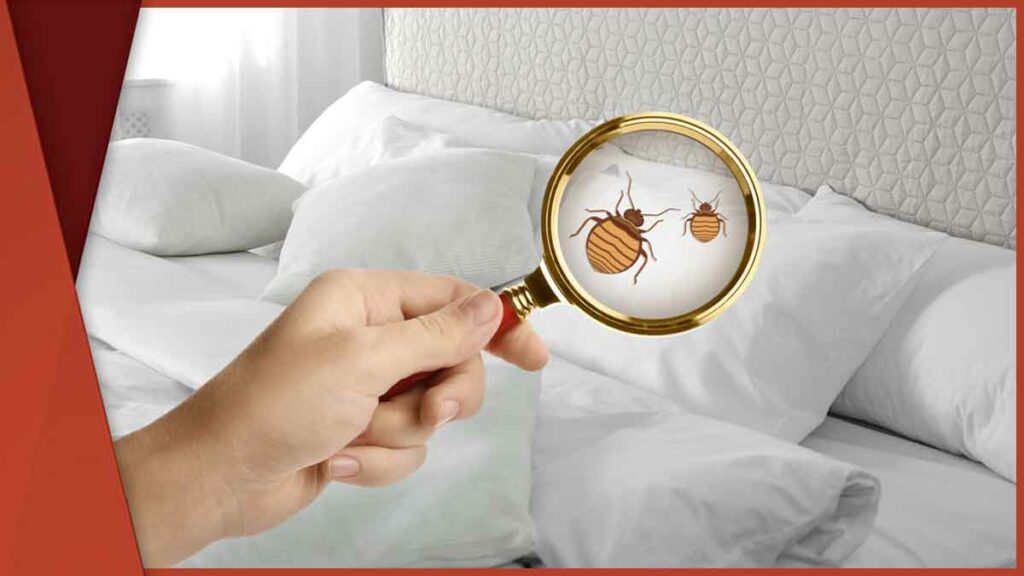
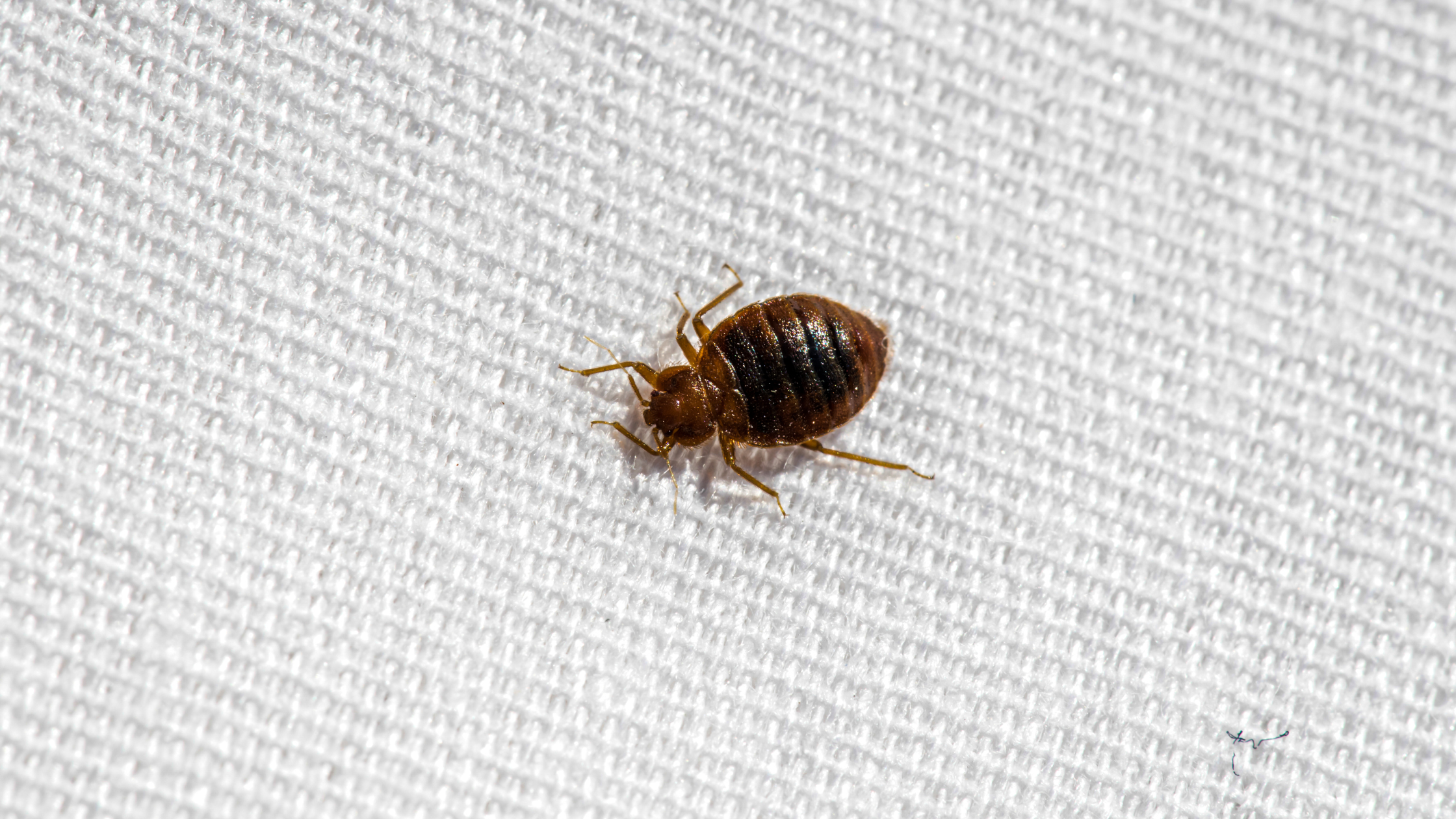
- Live Bed Bugs: Adult bed bugs are flat, oval-shaped, and about 4-5 mm long, with a distinctive red-brown color.
- Eggshells: Tiny, brown, or white eggshells, about 1 mm long, often found in cracked areas or joints of furniture and mattresses.
Preventing Bed Bug Infestation
Preventing bed bug infestation is easier than treating an infestation. Here are some valuable tips to protect your home and prevent these pests from spreading:
- Inspect Second-Hand Furniture: Before bringing second-hand furniture into your home, inspect it carefully for signs of bed bugs and treat the item before bringing it inside.
- Seal Cracks and Crevices: Seal any cracks or crevices in walls, floors, and furniture to prevent bed bugs from escaping or entering.
- Use Bed Bug-Proof Mattress Covers: Cover your mattress with a bed bug-proof cover to prevent bed bugs from laying eggs or feeding on your blood.
- Wash and Dry Bedding Regularly: Wash and dry your bedding regularly in hot water and high heat to kill bed bugs and their eggs.
- Use a Dehumidifier: Use a dehumidifier to keep your home's humidity level below 50% to discourage bed bug growth and activity.
Eliminating Bed Bug Infestation
Eliminating bed bug infestation can be challenging, but it's essential to take swift action to prevent further problems. Here are some effective steps to control and prevent bed bug infestations in your home:
- Identify the Source: Identify the source of the infestation and eliminate it, whether it's a piece of furniture, an article of clothing, or a person.
- Use a Combination of Treatments: Use a combination of chemical and non-chemical treatments, such as heat, steam, vacuuming, and encasements, to eliminate bed bugs and their eggs.
- Use Professional Help: If the infestation is severe or you're not able to eliminate it on your own, consider hiring a professional bed bug exterminator to help eliminate the infestation.
- Follow Up: Follow up with regular inspections and treatments to ensure that the bed bugs are eliminated and the infestation is fully controlled.
Conclusion
Stopping bed bug infestation requires a combination of prevention, early detection, and swift action. By understanding the common signs of bed bug infestation, preventing bed bug transmission, and eliminating bed bug infestations using a combination of treatments, you can keep your home safe and bed-bug-free. If you're dealing with a bed bug infestation, don't hesitate to seek professional help to ensure effective elimination and prevention of future problems.