Getting Rid of Gnats in Greenhouses: A Comprehensive Guide
If you're a greenhouse owner, you're likely no stranger to fungus gnats. These pesky insects can quickly infest your entire space, causing damage to your plants and disrupting your productivity. But don't worry, we've got you covered! In this article, we'll explore the best ways to get rid of gnats in greenhouses using natural, organic methods and integrated pest management (IPM) strategies.
Understanding Fungus Gnats
Fungus gnats are flies that infest soil, potting mix, other container media, and other sources of organic decomposition. Their larvae primarily feed on fungi and organic matter in soil, but also chew roots and can be a problem in greenhouses, nurseries, potted plants, and interior landscapes.
Signs of Fungus Gnat Infestation
- Yellowing of leaves, leaf drop, and stunted growth due to root damage
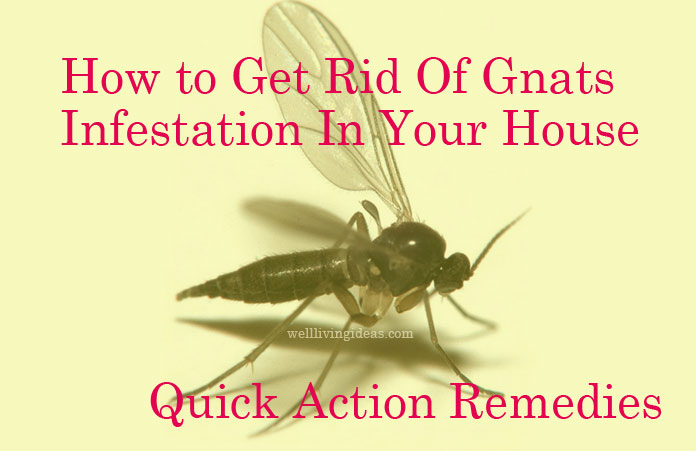
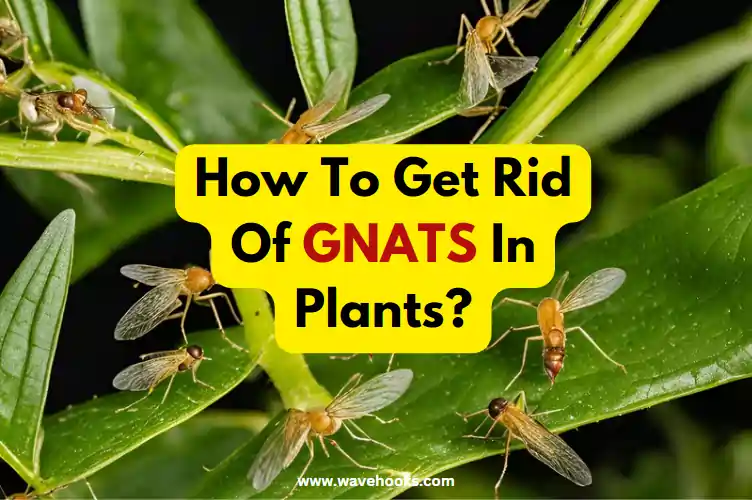
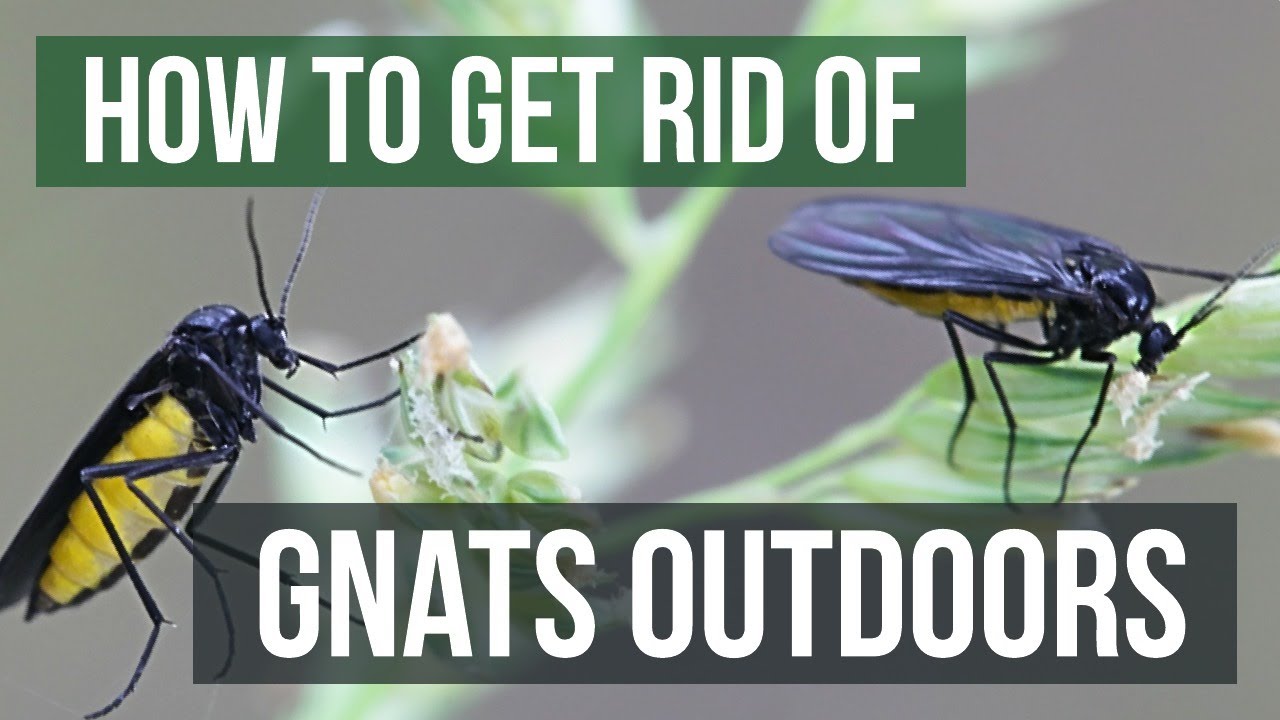
- Small, dark, delicate-looking flies similar in appearance to mosquitoes
- Adult fungus gnats have slender legs with segmented antennae that are longer than their head
How to Get Rid of Gnats in Greenhouses
Getting rid of gnats in greenhouses requires a multi-pronged approach. Here are some effective methods to help you eliminate these pests:
1. Improve Ventilation and Reduce Moisture
One of the most effective ways to get rid of gnats in greenhouses is to improve ventilation and reduce moisture. Fungus gnats thrive in damp environments, so make sure to:
- Improve airflow by installing fans or reducing the number of plants per bench
- Reduce the frequency of watering to prevent waterlogged soil
- Use a layer of mulch or a layer of aggregate material to reduce soil moisture
2. Use Natural Traps and Baits
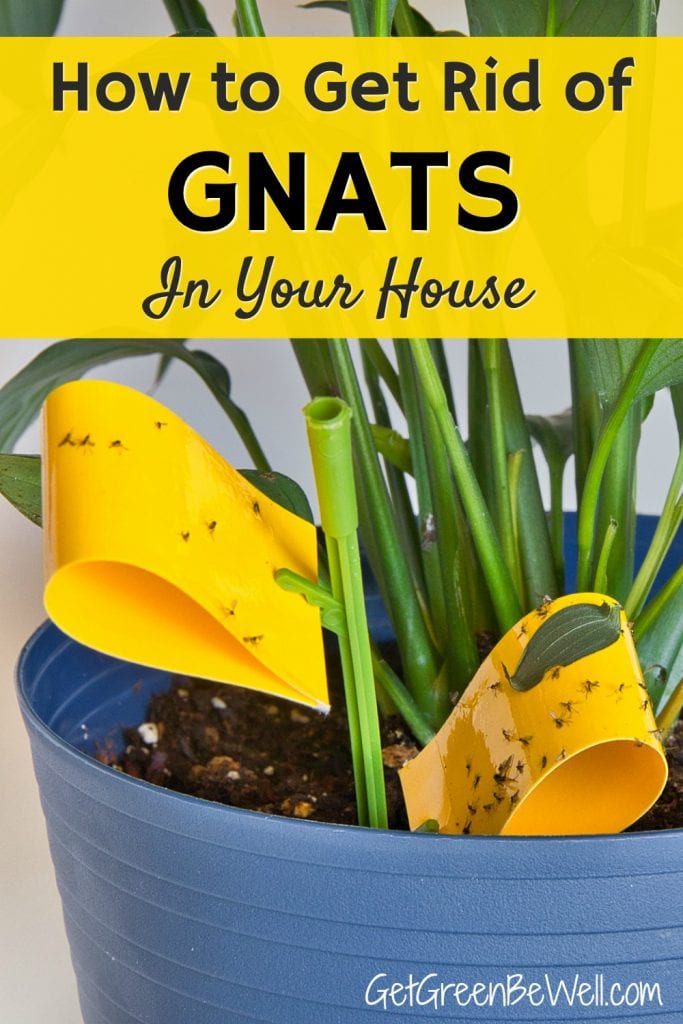
Traps and baits can help capture adult fungus gnats, reducing the number of larvae that hatch and feed on your plants. Some effective natural traps and baits include:
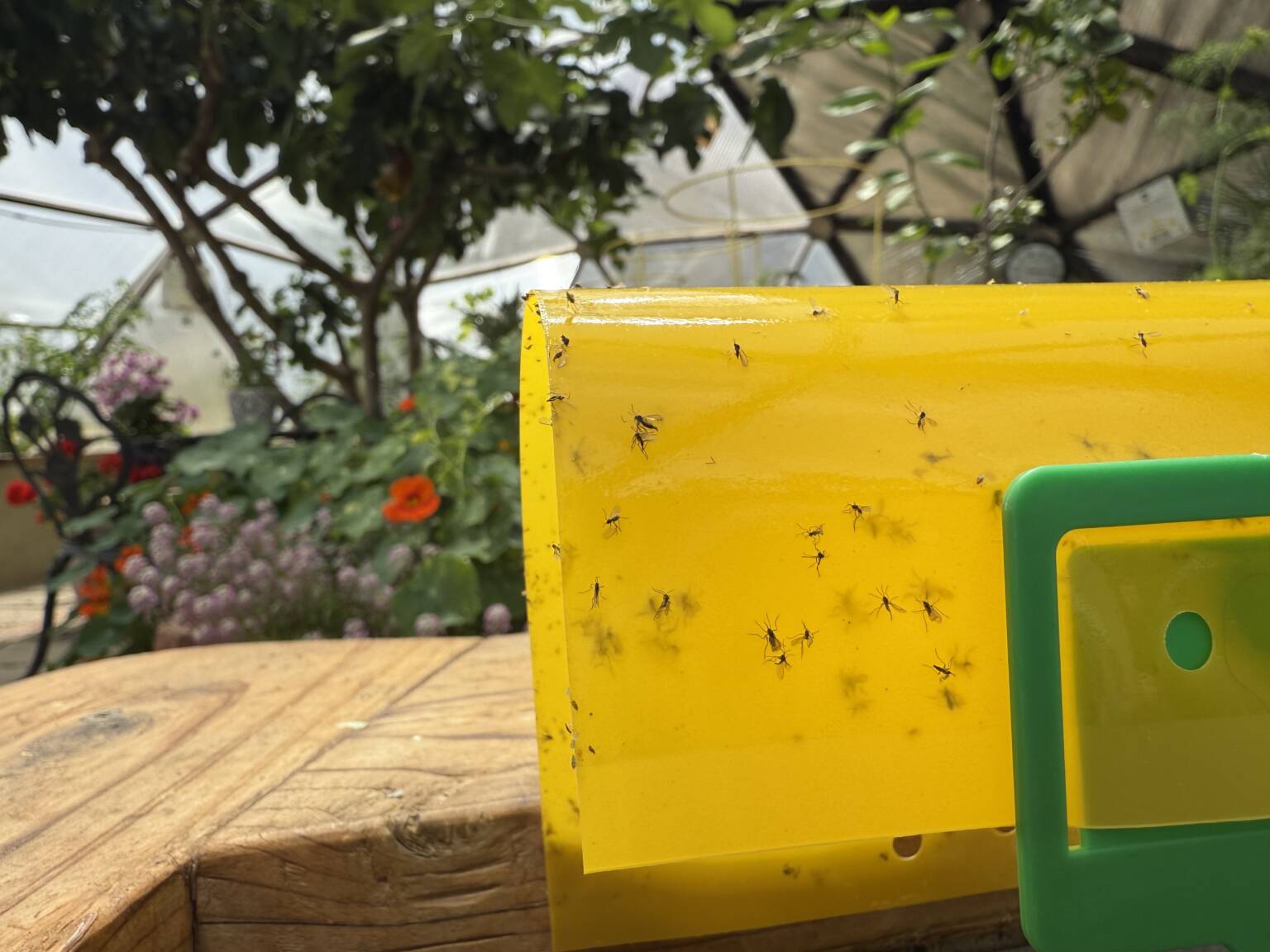
- Yellow sticky traps to capture adult fungus gnats
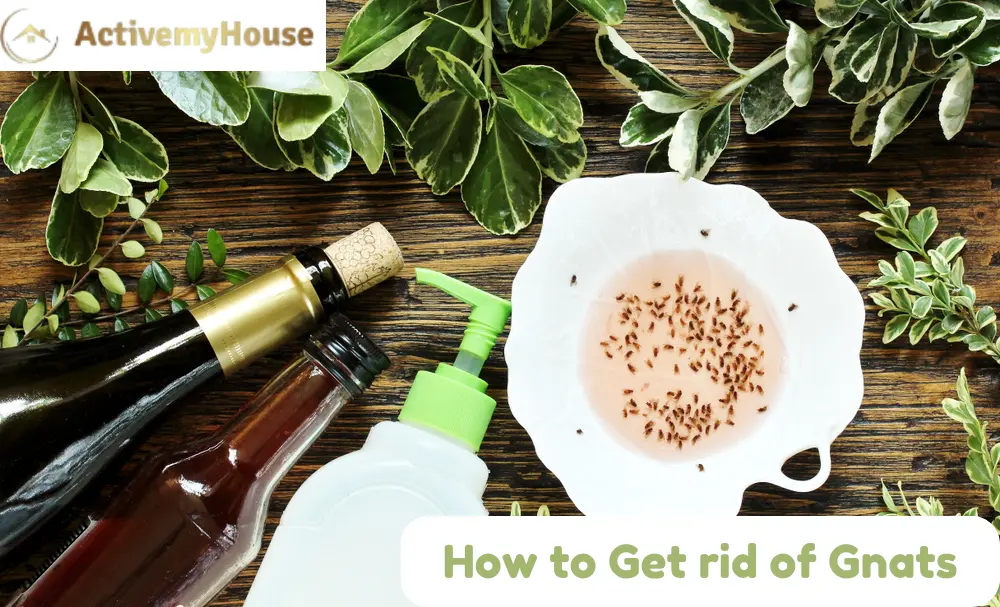
- Apple cider vinegar and dish soap solutions to trap adult fungus gnats
- Soil-based baits that use diatomaceous earth or Bacillus thuringiensis israelensis (BTI) to kill larvae
3. Apply Organic Treatments
Organic treatments can help control fungus gnats and prevent re-infestation. Some effective options include:
- Neem oil to repel and kill adult fungus gnats
- Hydrogen peroxide to kill larvae in soil
- Soap-based solutions to repel and kill adult fungus gnats
Preventing Re-Infestation
Preventing re-infestation is key to maintaining a gnat-free greenhouse. Here are some tips to help you prevent re-infestation:
- Water carefully and avoid waterlogging soil li Use clean water and soil in your plants
- Monitor your greenhouse for signs of gnat infestation and take action quickly
Conclusion
Getting rid of gnats in greenhouses requires a comprehensive approach that involves understanding the pest, improving ventilation, using natural traps and baits, and applying organic treatments. By following these tips, you can keep your greenhouse free from fungus gnats and promote healthy plant growth. Remember, early detection and action are key to preventing re-infestation. Happy gardening!