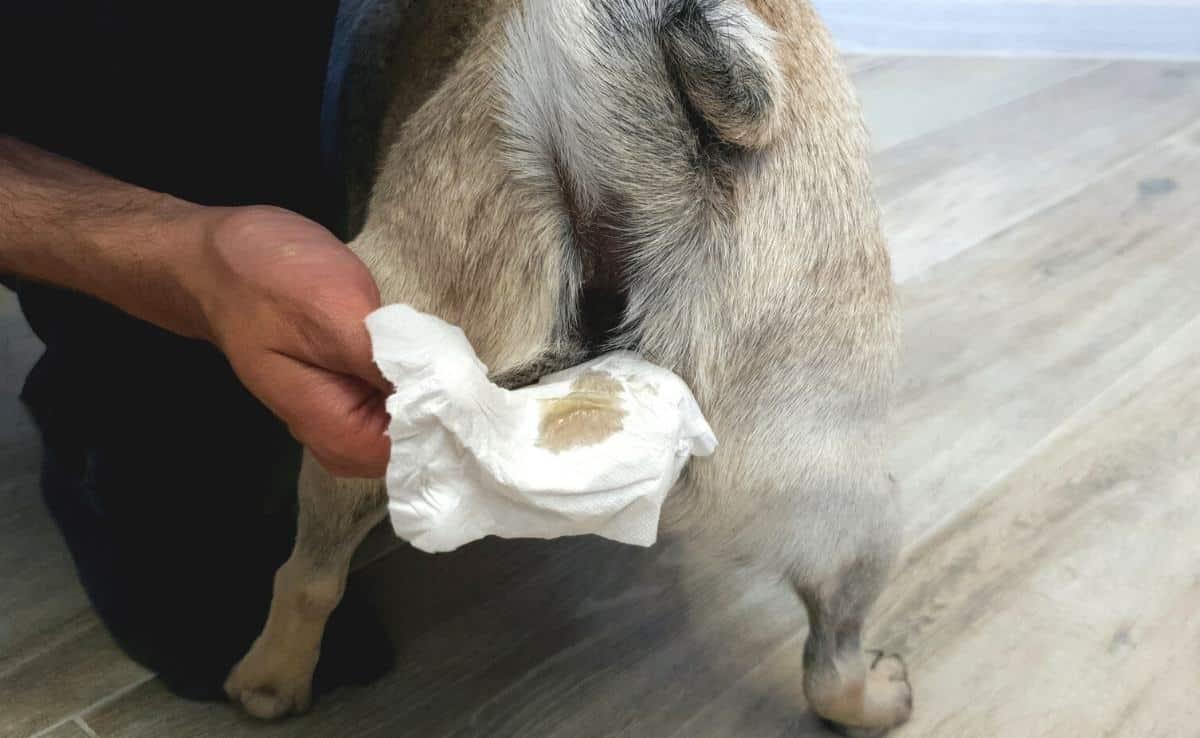
How to Express a Dog's Anal Glands When They are Constipated
Expressing your dog's anal glands can be a natural and essential process for maintaining their health, but it requires caution and expertise. When your dog is constipated, their anal glands can become impacted or infected, leading to discomfort, pain, and even infection. In this comprehensive guide, we will walk you through the step-by-step process of how to express your dog's anal glands when they are constipated, as well as the warning signs to watch for and when to seek veterinary help.
Understanding Anal Glands
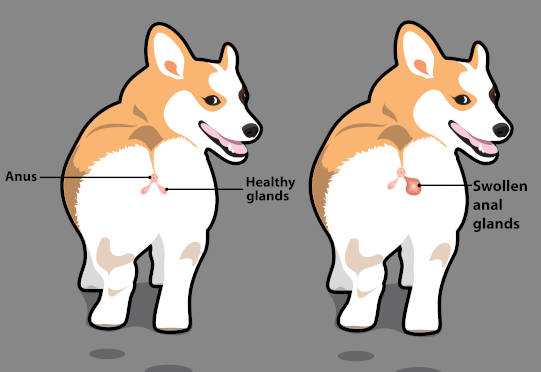
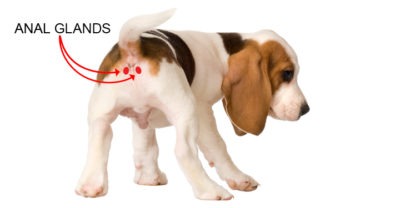
- Anal glands are two small sacs located on either side of the anus (roughly at the 4 o'clock and 8 o'clock positions).
- They contain a strong-smelling fluid that dogs use for scent marking and communication.
- Normally, anal glands empty naturally during defecation, but sometimes they become impacted or infected, causing discomfort and health issues.
Causes of Constipation in Dogs
Constipation in dogs can be caused by various factors, including diet, age, and health conditions. Some common causes of constipation in dogs include:
- Diet: Feeding a low-fiber diet or a diet that is high in fat can lead to constipation in dogs.
- Age: As dogs age, their anal glands can become less efficient, leading to constipation.
- Health conditions: Certain health conditions, such as gastrointestinal issues or neurological disorders, can cause constipation in dogs.
Warning Signs of Constipated Anal Glands
There are several warning signs to watch for if your dog's anal glands are impacted or infected:
- Increased scooting or dragging the anus on the ground.
- Excessive licking or chewing at the anus.
- Discharge or bleeding from the anus.
- Abdominal pain or coughing.
How to Express Your Dog's Anal Glands at Home
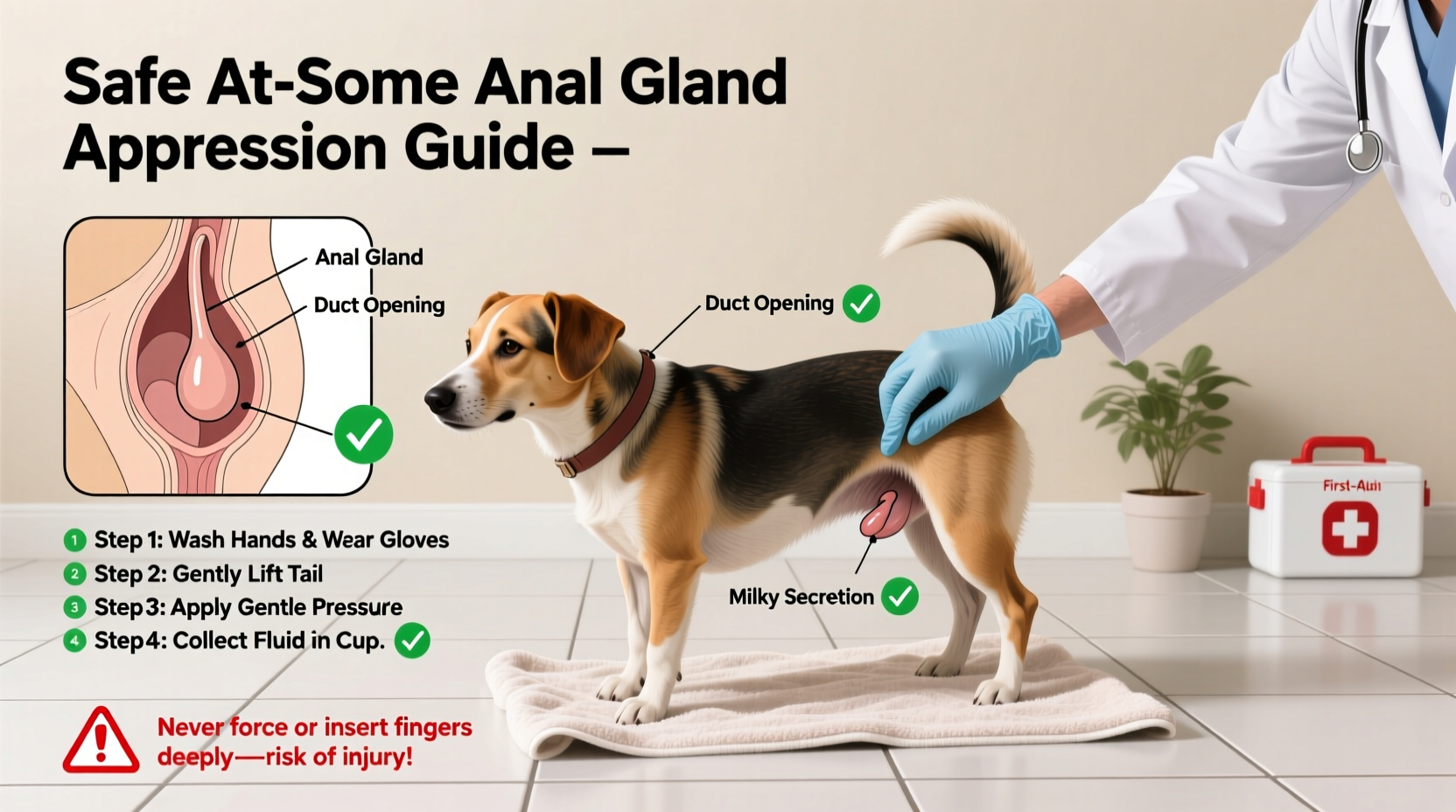
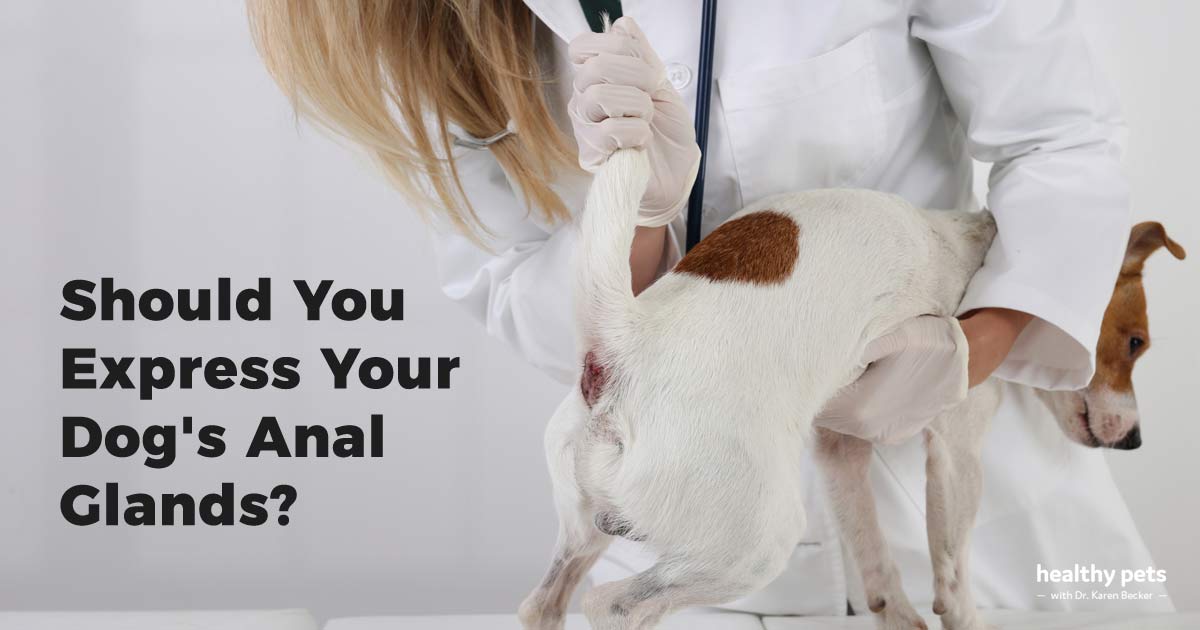
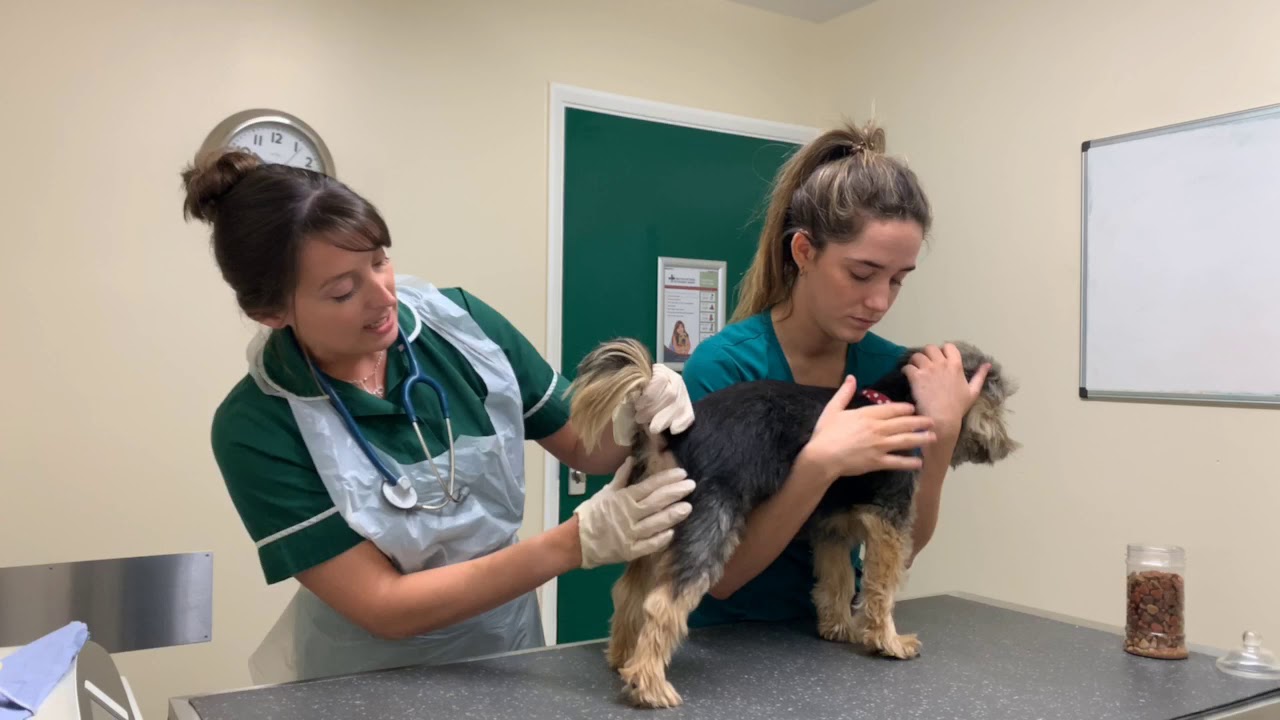
Expressing your dog's anal glands at home can be done safely and effectively, but it requires caution and expertise. Here's a step-by-step guide on how to express your dog's anal glands at home:
- Prepare your dog: Before attempting to express your dog's anal glands, make sure they are comfortable and relaxed. You can use treats or toys to calm them down.
- Gather equipment: You will need a lubricant, such as saline solution or coconut oil, and a pair of gloves.
- Locate the anal glands: The anal glands are located on either side of the anus, roughly at the 4 o'clock and 8 o'clock positions.
- Apply lubricant: Apply a small amount of lubricant to the anal glands to help the expression process.
- Express the glands: Using your fingers, gently but firmly press the anal glands from the sides inward and upward (at the 4 and 8 o'clock positions). Be careful not to push too hard, as this can cause injury or discomfort.
- Repeat the process: If the first expression does not empty the anal glands completely, repeat the process until the glands are empty.
When to Seek Veterinary Help
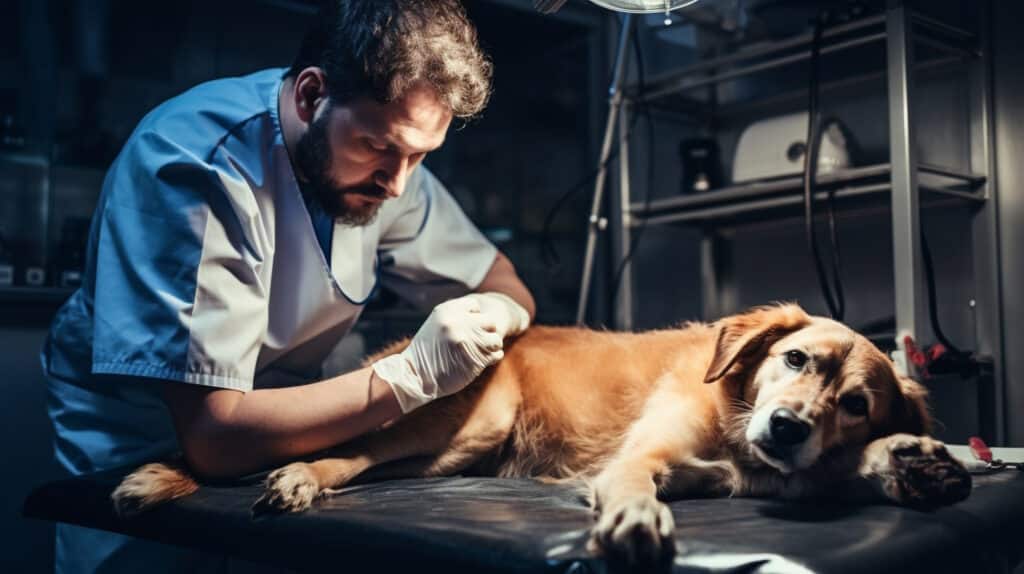
If you suspect that your dog's anal glands are impacted or infected, it's essential to seek veterinary help. A veterinarian can diagnose the problem and provide the necessary treatment to alleviate the discomfort and prevent infection. In some cases, surgery may be necessary to remove the impacted anal gland.
Conclusion
Expressing your dog's anal glands can be a natural and essential process for maintaining their health, but it requires caution and expertise. By following the step-by-step guide above and watching for warning signs, you can help prevent constipated anal glands in your dog. However, if you are unsure or uncomfortable expressing your dog's anal glands at home, it's always best to seek veterinary help.
Additional Tips
Here are some additional tips to keep in mind when expressing your dog's anal glands at home:
- Regular check-ups: Schedule regular veterinary exams to monitor your dog's anal gland health and catch any issues early.
- Maintain a high-fiber diet: Feeding a diet rich in fiber can help produce firmer stools, which naturally express the anal glands during defecation.
- Preventative measures: Regularly grooming your dog can help prevent the buildup of debris and bacteria in the anal glands, which can lead to infection.





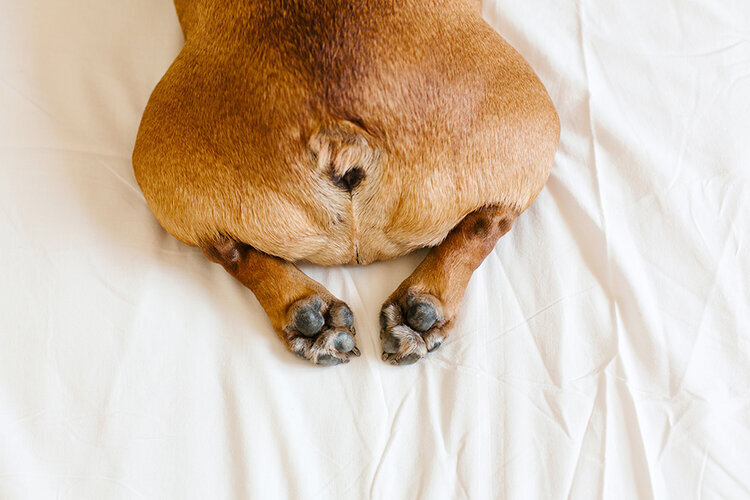.jpg "What Are Anal Glands, and Why Do Pets Have Issues with Them")