How to Create a Professional Online Portfolio
In today's digital age, having a professional online portfolio is essential for anyone looking to showcase their skills and achievements. Whether you're an artist, designer, writer, or web developer, a well-crafted online portfolio can help you stand out in a competitive field and establish yourself as an expert in your industry.
Why Do You Need an Online Portfolio?
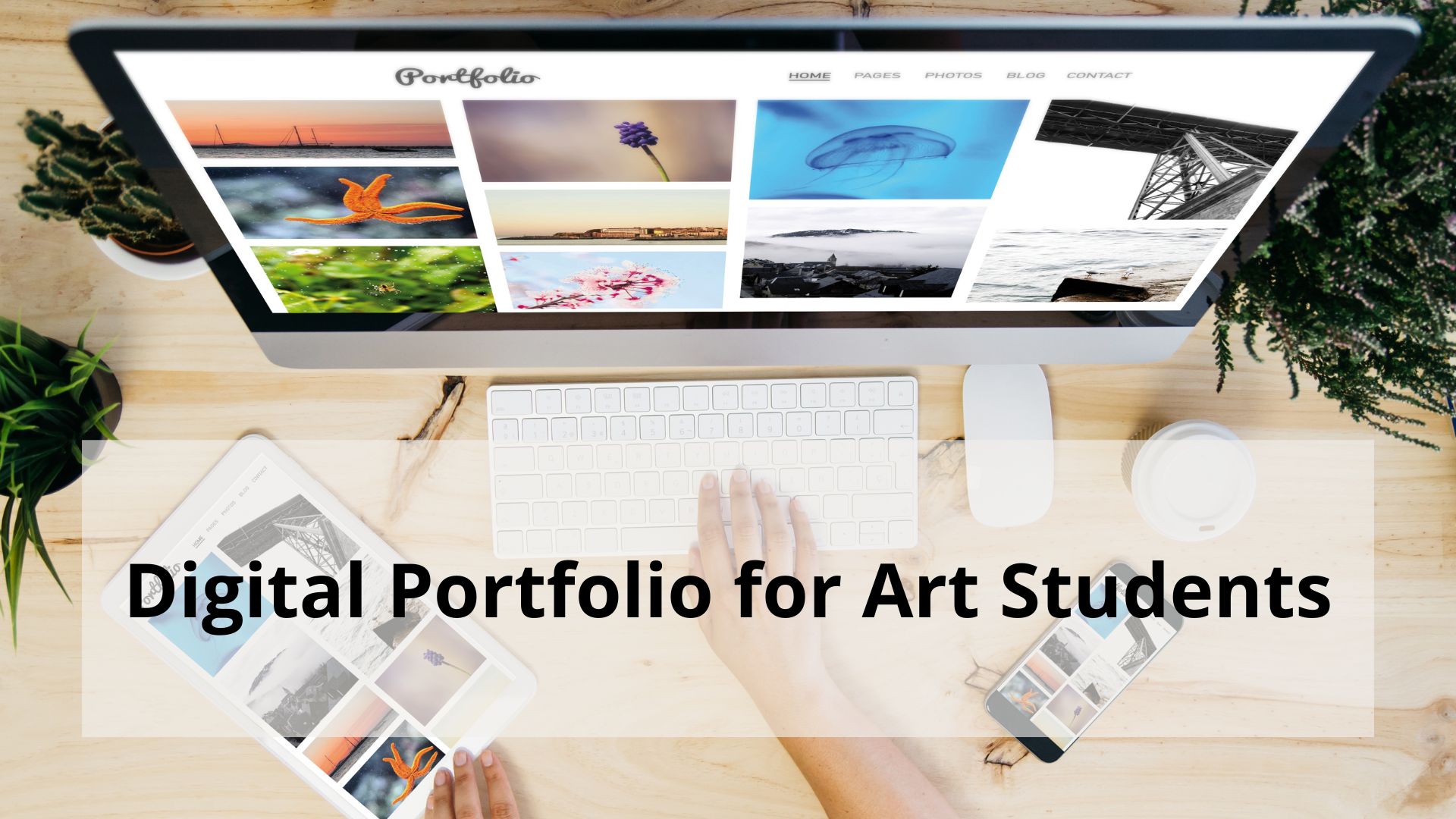
An online portfolio is a collection of work samples and other documents that provide an overview of your abilities and qualifications. By putting your portfolio online, you can proudly display your work to the world and attract potential clients, employers, or collaborators. A professional online portfolio should include:
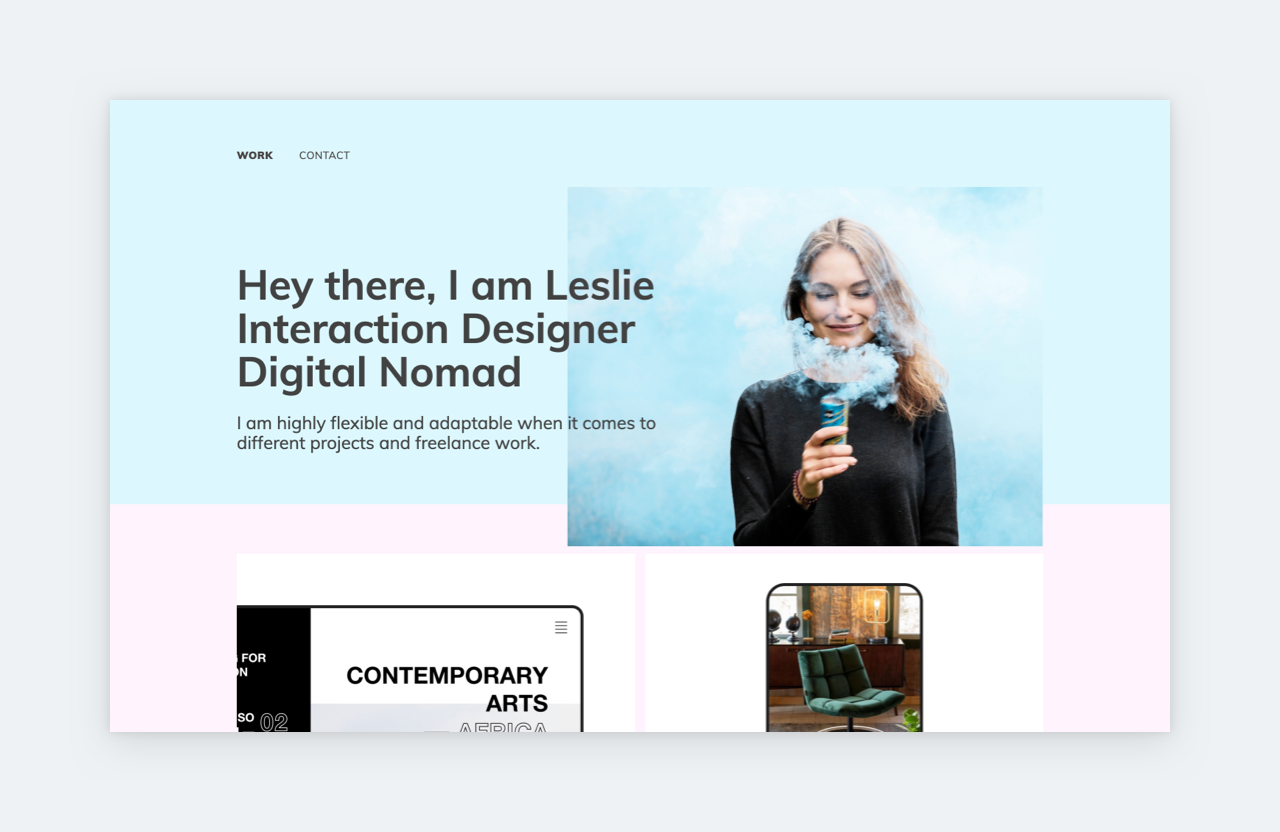
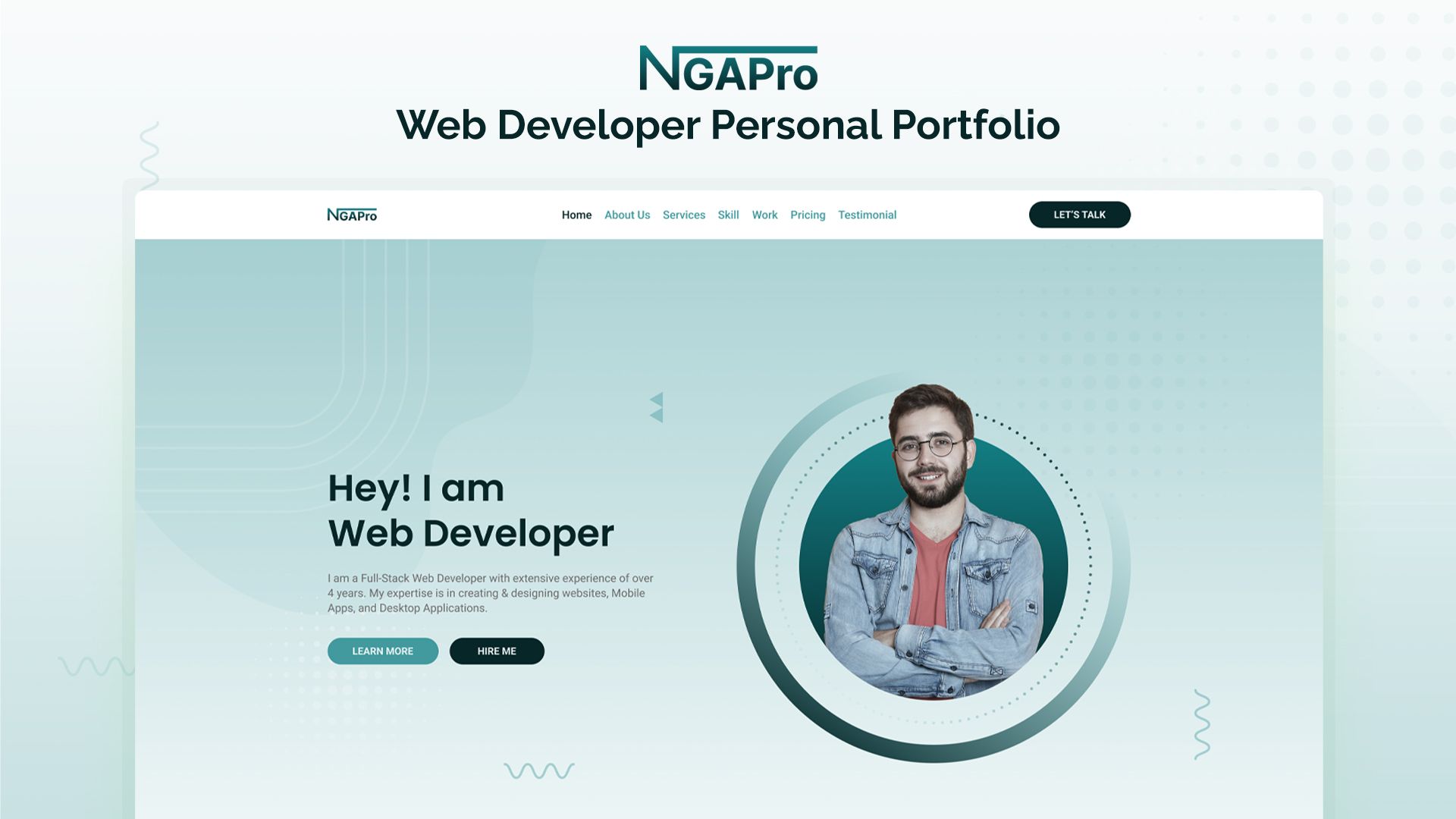
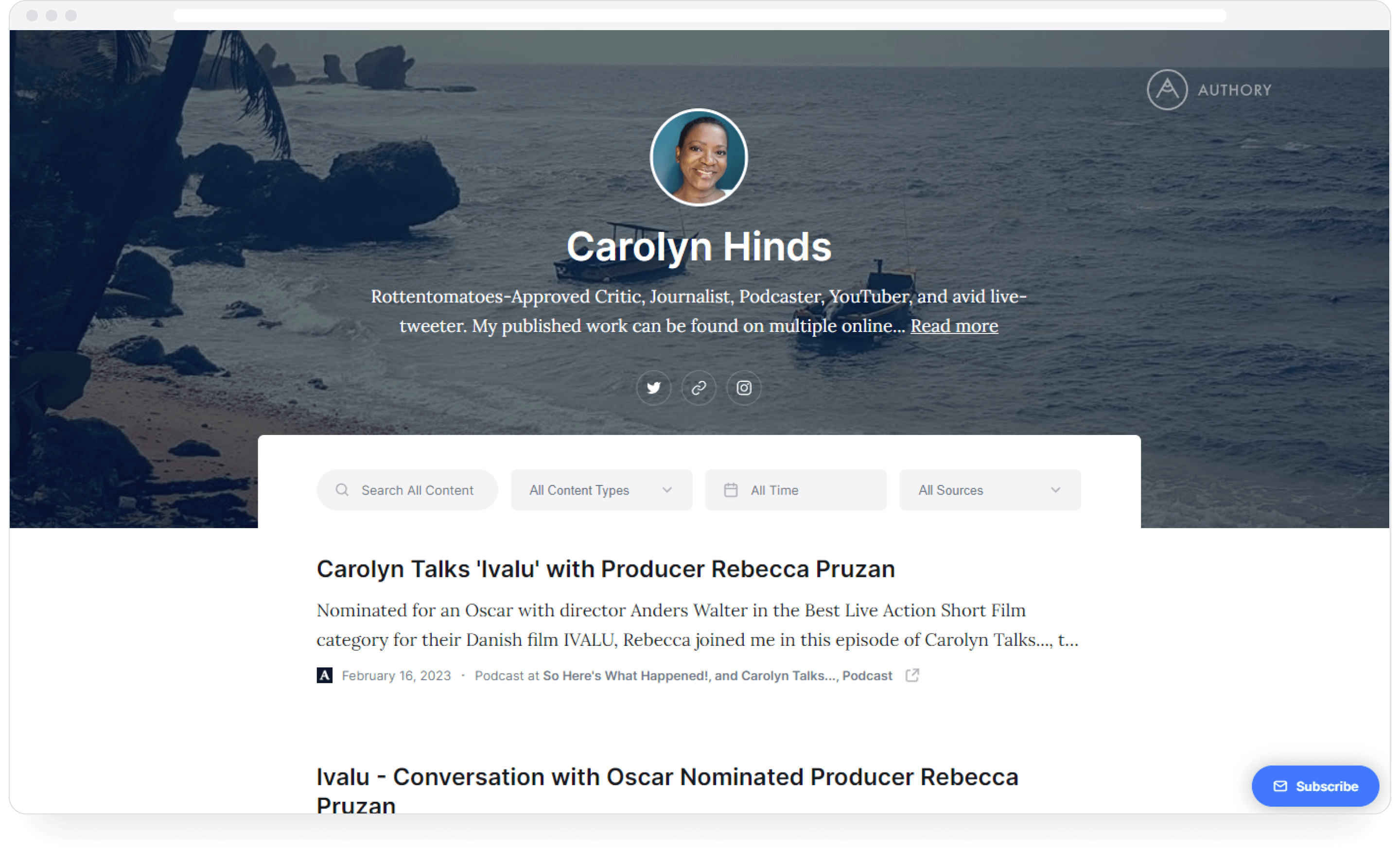
- A clear and concise introduction to who you are and what you do
- A showcase of your best work, including projects, case studies, and testimonials
- A call-to-action, encouraging visitors to get in touch or learn more
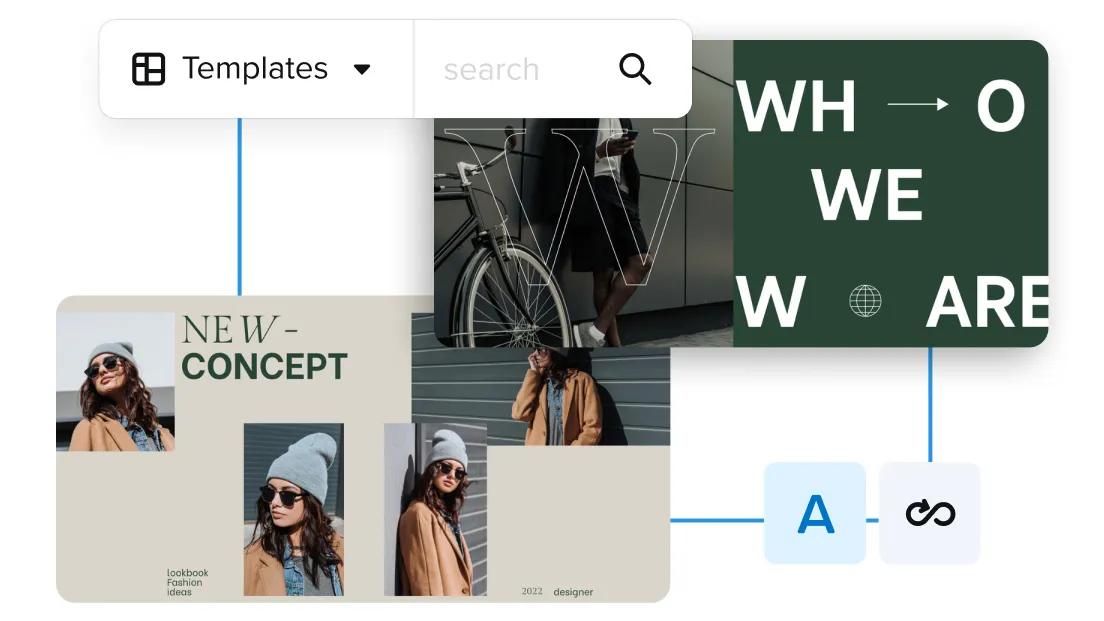
Step 1: Choose a Platform for Your Online Portfolio
With so many options available, choosing the right platform for your online portfolio can be overwhelming. Consider the following factors:
- Customizability: Can you easily customize the design and layout of your portfolio?
- User experience: Is the platform easy to navigate and user-friendly?
- Cost: Is the platform free or paid, and are there any hidden costs?
- Features: Does the platform offer features such as project galleries, case-study layouts, and e-commerce integrations?
Step 2: Plan Your Content
Your online portfolio should be a reflection of your skills and experience. Consider the following:
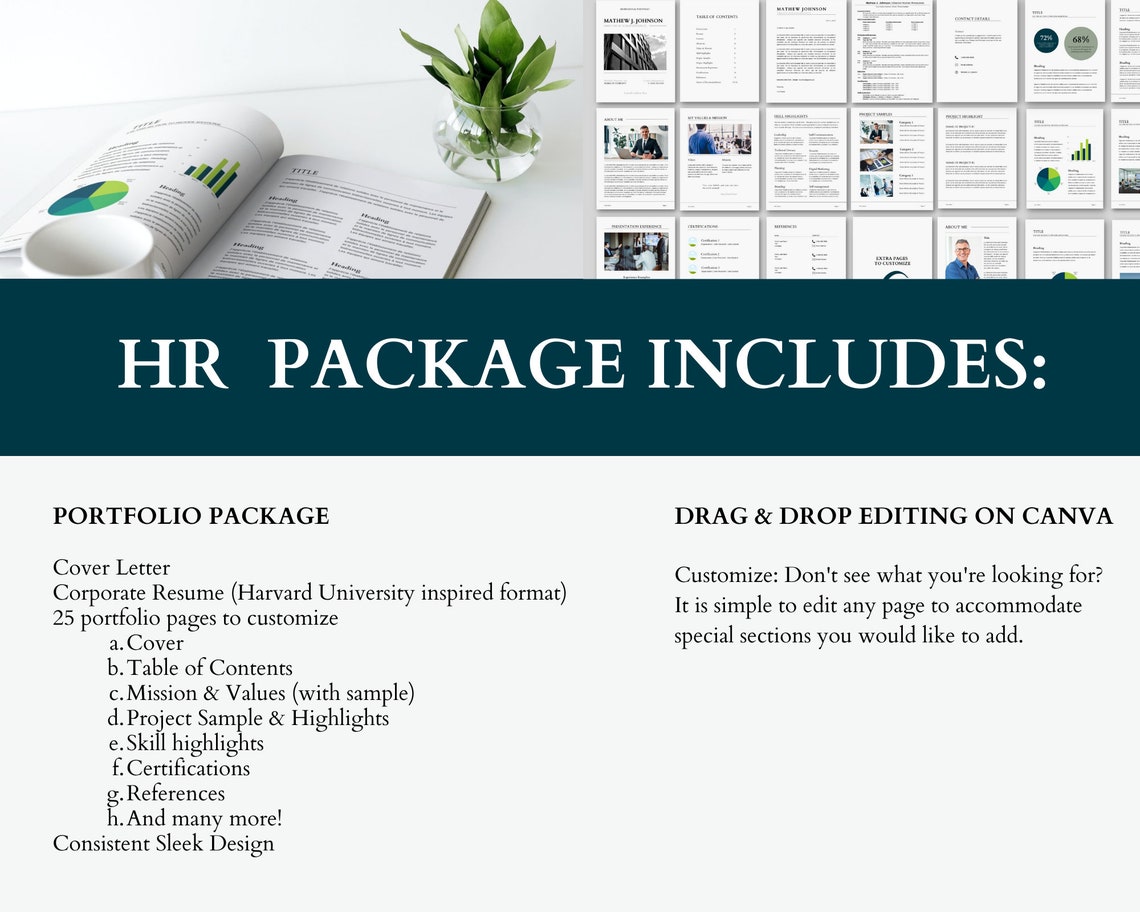
- What type of content should you include? (e.g. projects, case studies, testimonials)
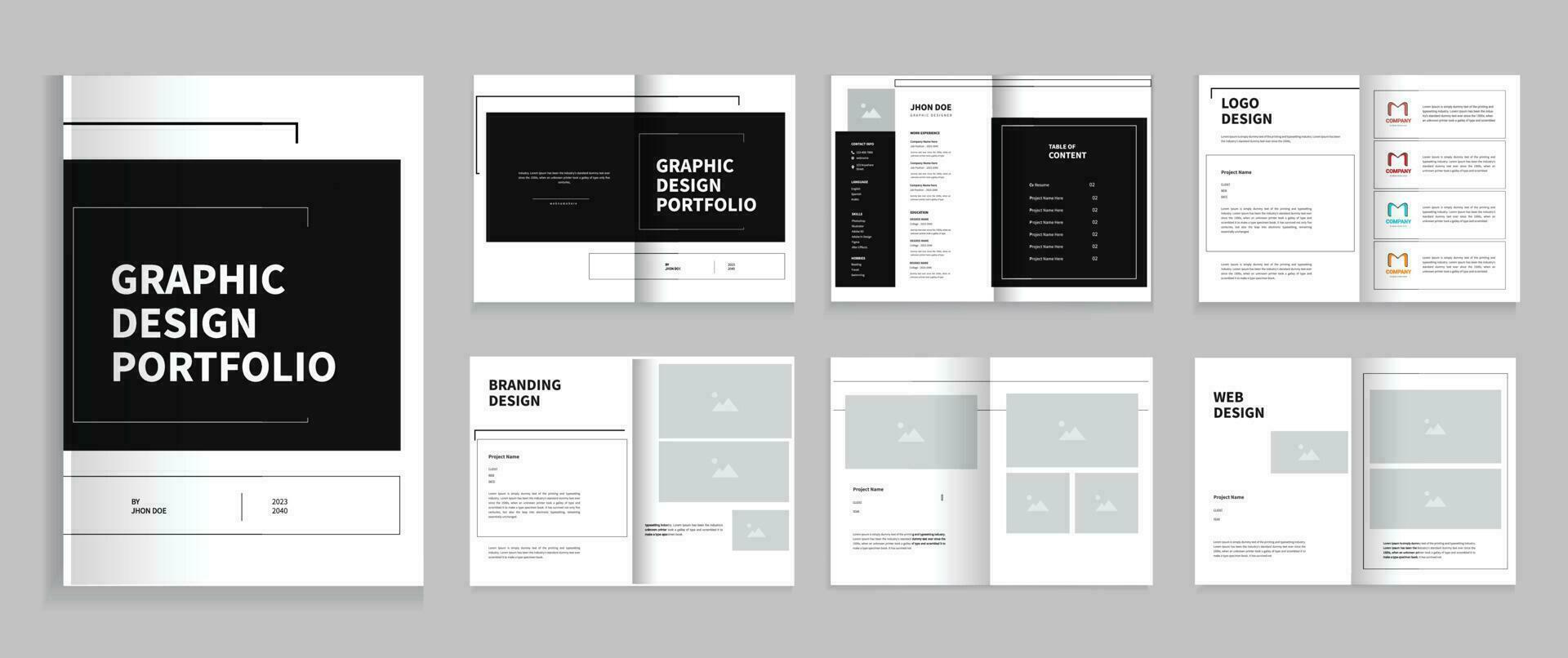
- How will you organize your content? (e.g. by project type, client, or date)
- What tone should you convey? (e.g. professional, friendly, humorous)
Step 3: Create Your Portfolio Pages
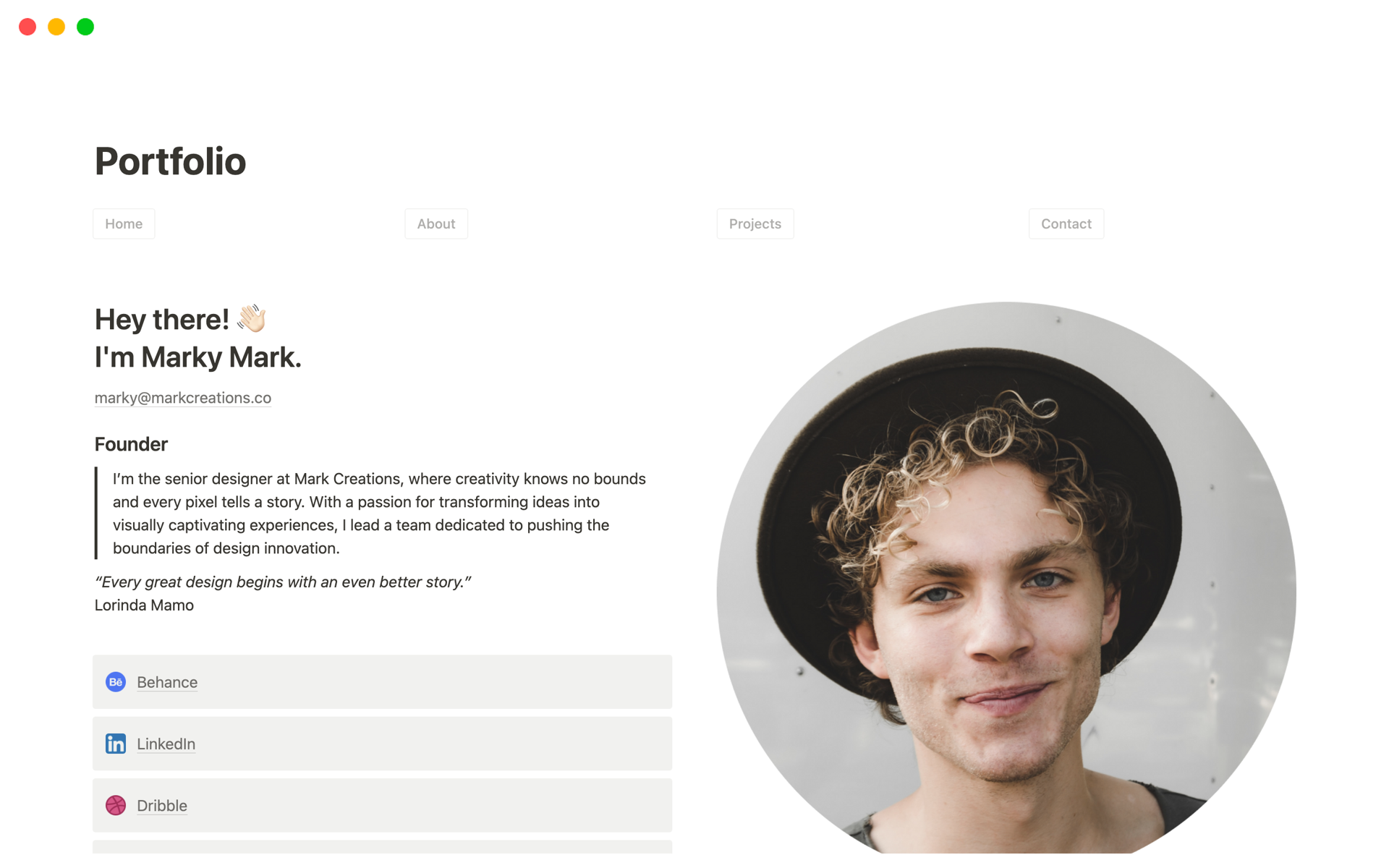
Your portfolio pages should be clear, concise, and visually appealing. Consider the following:
- Use high-quality images and graphics to break up text and add visual interest
- Use headings and subheadings to organize your content and make it scannable
- Use a clear and consistent font and color scheme throughout your portfolio
Step 4: Add a Call-to-Action
A call-to-action (CTA) is a crucial element of your online portfolio. It should encourage visitors to take a specific action, such as:
- Getting in touch with you via email or phone
- Learning more about your services or products
- Visiting your social media profiles or other online platforms
Step 5: Launch and Promote Your Portfolio
Once you've created your online portfolio, it's time to launch and promote it. Consider the following:
- Share your portfolio on social media and other online platforms
- Reach out to your network and ask for feedback and support
- Optimize your portfolio for search engines to increase visibility
Conclusion
Creating a professional online portfolio takes time and effort, but it's an essential step for anyone looking to showcase their skills and achievements. By following these steps, you can create a portfolio that showcases your best work, establishes you as an expert in your industry, and attracts potential clients, employers, or collaborators.