How to Buy Stocks with a Small Amount of Money
The world of investing is no longer exclusive to those with large sums of money. With the proliferation of online brokerages and investing apps, buying stocks with a small amount of money is now more accessible than ever. In this article, we'll explore the various options available to you, even with a limited budget.Understanding the Basics
Before we dive into the how-to's, let's cover the basics. Stocks, also known as equities, represent ownership in a company. When you buy a stock, you're essentially buying a small portion of that company. Investors buy stocks for various reasons, including:- Capital appreciation: When a stock rises in price
- Dividend payments: Companies distribute their earnings to shareholders in the form of dividends
- The ability to vote shares and influence company decisions
Options for Investing with Little Money
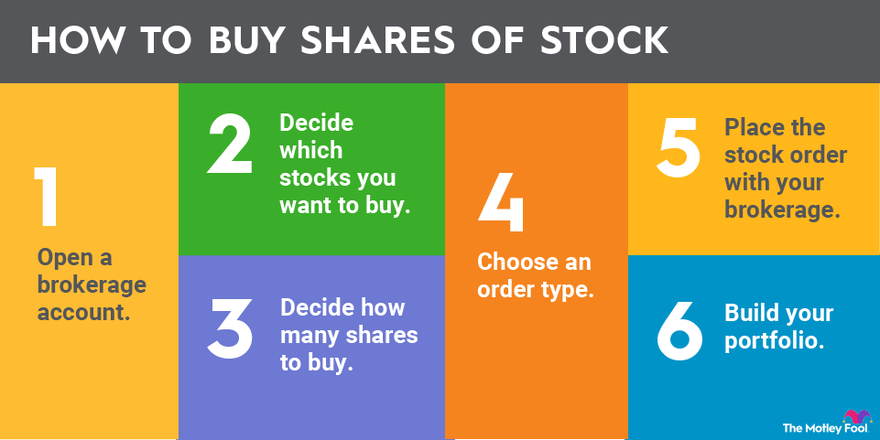
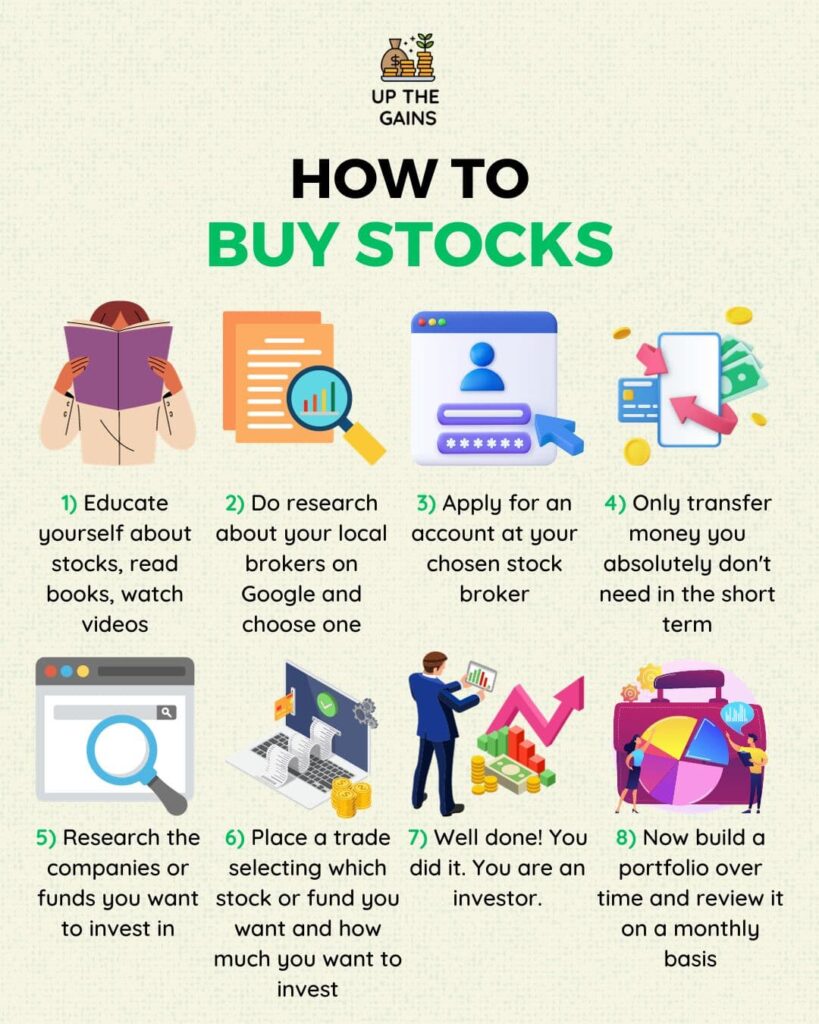
You don't need a large amount of money to start investing. Here are some accessible options:-
Invest through a Direct Purchase Plan
This plan allows you to buy stocks directly from a company, avoiding brokerage commissions. -
Online Brokerages and Investing Apps
Platforms like Robinhood, Acorns, and Stash enable you to invest small amounts of money over time. -
ETFs (Exchange-Traded Funds)
ETFs give you exposure to multiple stocks with a single purchase.
Buying Fractional Shares

Strategies for Investing with Little Money
If you've been wondering how to start investing with a small amount of money, consider the following strategies:-
Build an Emergency Fund
Start by saving a small amount each month and building an emergency fund to weather financial storms. -
Start with Index Funds or ETFs
These investments offer broad diversification and can be purchased with a small amount of money. -
Take Advantage of Fractional Shares
As mentioned earlier, fractional shares can be purchased for as little as $1. -
Consider a Robo-Advisor
Automated investment platforms, like Acorns, can help you invest small amounts of money without requiring significant upfront costs.