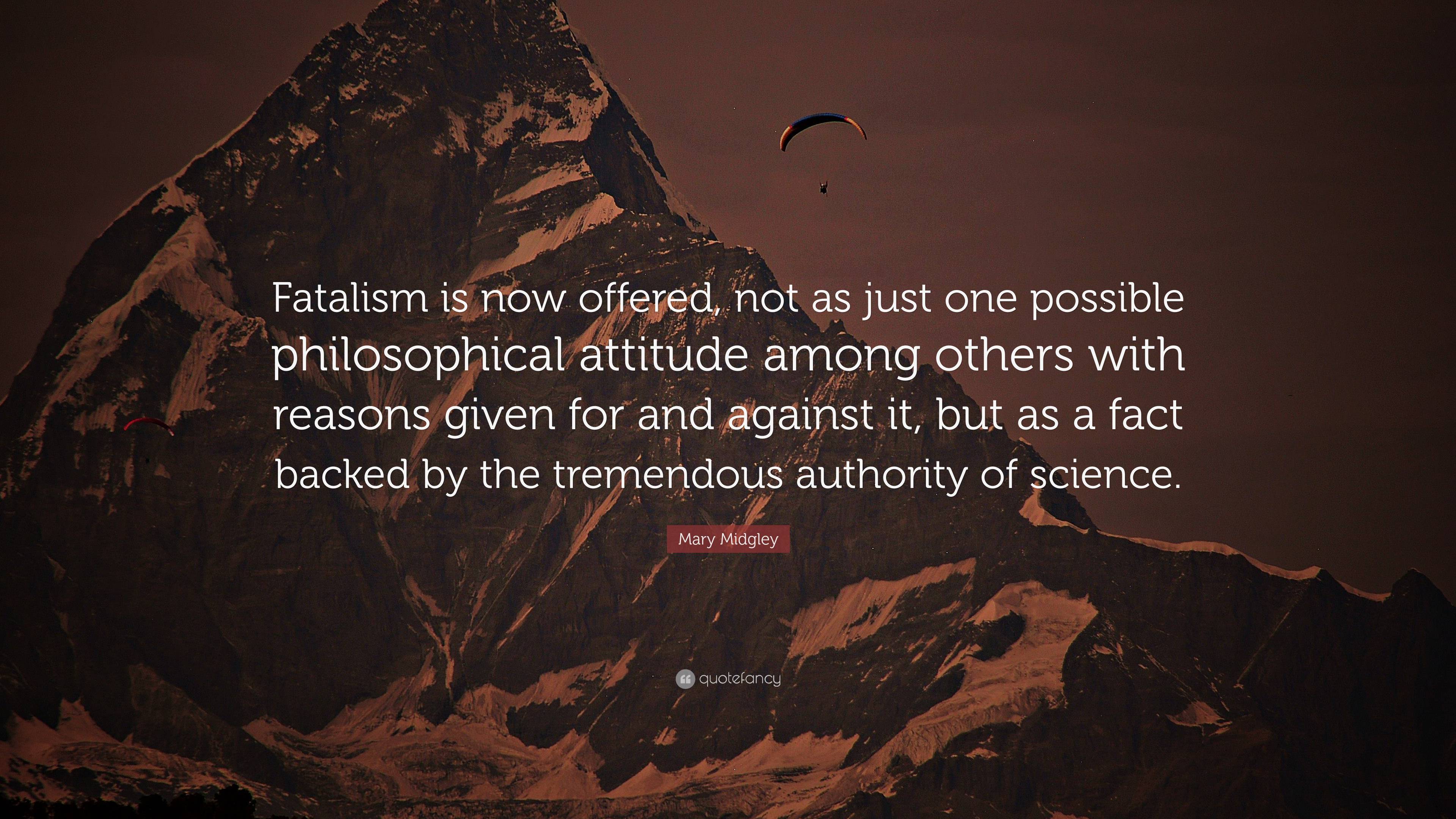
Fatalism and Negativity: Understanding the Impact on Mental and Emotional Well-being
Fatalism, the philosophical and psychological concept that events in one's life are predetermined and inevitable, has been studied extensively in various fields, including philosophy, psychology, and sociology. While some people find solace in fatalism, believing it helps them accept things they can't control, a more pervasive and harmful manifestation of fatalism is one that leads to negativity, hopelessness, and resignation. In this article, we will explore the concept of fatalism and negativity, their impact on individuals and society, and provide insights on how to overcome this mindset.
Defining Fatalism and Negativity
Fatalism is the attitude that accepts that whatever happens has been bound or decreed to happen. It is the belief that we are powerless to change the course of events, and therefore, we should not bother trying. Negative attitudes, on the other hand, are thoughts and feelings that focus on the worst outcomes and lead to pessimism and hopelessness. When combined, fatalism and negativity can create a debilitating mindset that hinders personal growth and success.
The Impact of Fatalism and Negativity on Mental and Emotional Well-being
Research has consistently shown that fatalistic attitudes have a negative impact on a broad variety of health behaviors and behavioral determinants of health. A growing body of research has documented an association between media exposure and fatalism, however, scholarship has not been able to ascertain the causal direction. This review aims to discuss the relationship between media exposure and fatalism and its potential impact on individual mental and emotional well-being.
- Lower locus of control: Fatalism can lead to a lower sense of control over one's life, resulting in feelings of powerlessness and hopelessness.
- Increased stress and anxiety: The belief that events are predetermined and outside of our control can lead to increased stress and anxiety levels.
- Decreased motivation: Fatalism can lead to a sense of resignation and apathy, making it challenging to find motivation to pursue goals and aspirations.
- Negative coping skills: Individuals with a fatalistic mindset are more likely to engage in negative coping skills, such as substance abuse or avoidance behaviors.
- Poor mental health: Fatalism and negativity have been linked to poor mental health outcomes, including depression, anxiety disorders, and suicidal thoughts.
Types of Fatalism
There are several types of fatalism, including:
- Passive fatalism: The belief that events are predetermined and outside of our control.
- Active fatalism: The belief in a predestined personal and global future, combined with the belief that one must do their part to bring this predestined future into fruition.
- Coercive fatalism: The recognition of the desirability of non-fatalism but the inability to achieve it.
- Idealistic fatalism: The genuine commitment to the non-possibility of social transformation.
Overcoming Fatalism and Negativity
While it can be challenging to break free from a fatalistic mindset, it is possible with the right mindset and strategies. Here are some tips to help you overcome fatalism and negativity:
- Practice self-awareness: Recognize your thoughts and feelings, and challenge any negative or fatalistic patterns.
- Develop a growth mindset: Believe that your abilities and intelligence can be developed through hard work and dedication.
- Focus on the present: Concentrate on the present moment and take action towards your goals and aspirations.
- Seek social support: Surround yourself with positive and supportive people who encourage you to pursue your goals.
- Practice gratitude: Focus on the things you are thankful for, rather than dwelling on negative thoughts.
Conclusion
Fatalism and negativity can have a debilitating impact on mental and emotional well-being. By recognizing the types of fatalism and their negative effects, individuals can begin to break free from this mindset and cultivate a more positive and empowered approach to life. With the right mindset and strategies, anyone can overcome fatalism and negativity and achieve their goals and aspirations.