Electric Motorcycle Regenerative Braking: Unlocking the Secrets to Longer Riding Ranges
Electric motorcycling has become increasingly popular in recent years, thanks to its environmental benefits, cost-effectiveness, and thrilling performance. However, one of the lesser-known yet crucial features that sets electric motorcycles apart from their combustion-powered counterparts is regenerative braking. In this article, we will delve into the world of electric motorcycle regenerative braking, exploring its benefits, mechanisms, and the latest advancements in the field.What is Electric Motorcycle Regenerative Braking?
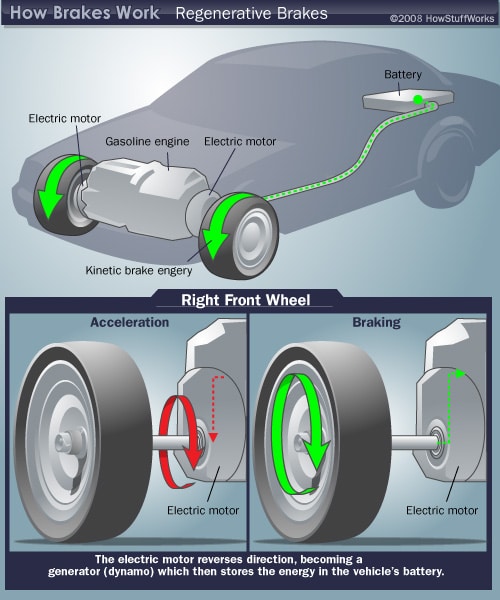
Regenerative braking is a technology that converts the kinetic energy generated by a slowing electric vehicle into electrical energy, which is then stored in the battery. It's a game-changer for electric motorcyclists, allowing them to capture energy that would otherwise be lost as heat in traditional braking systems.How Does Regenerative Braking Work?
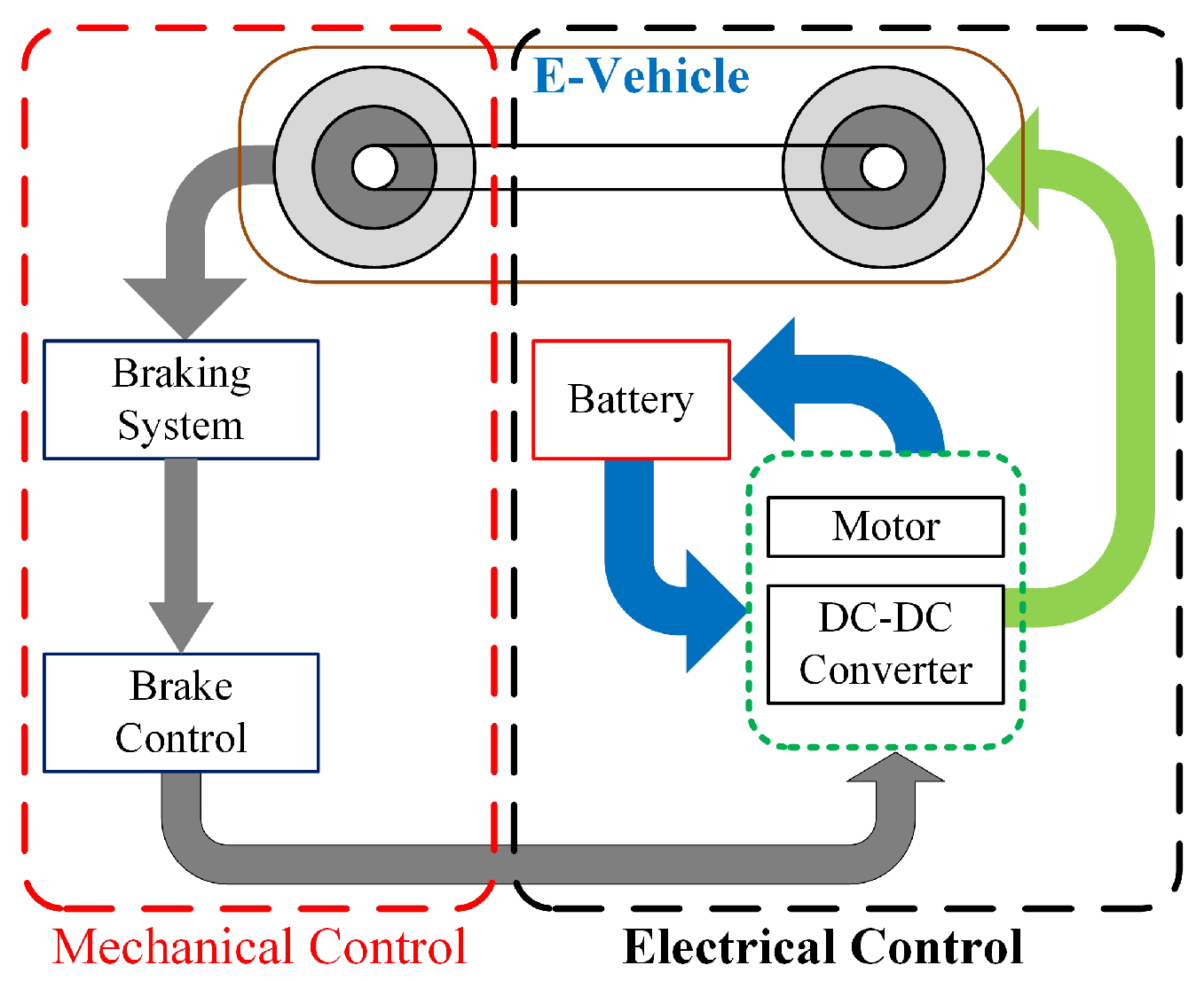
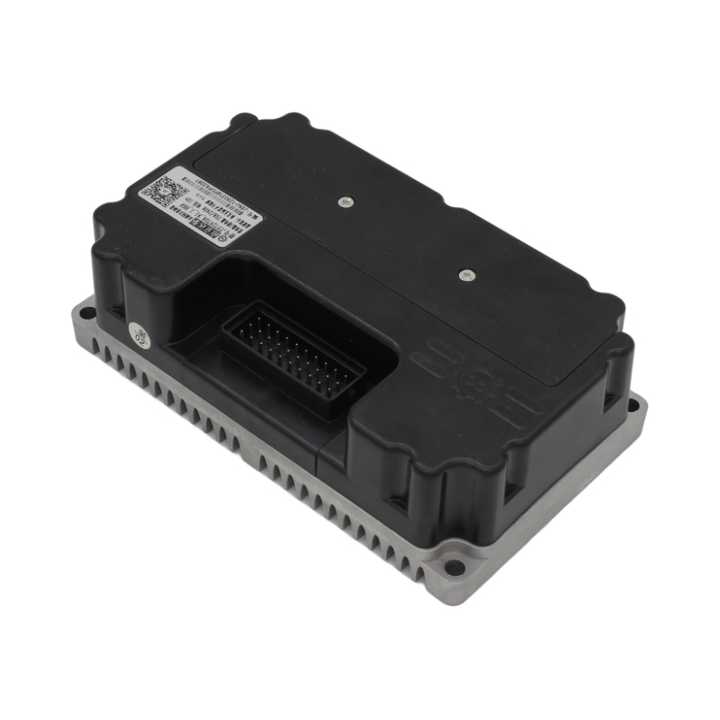
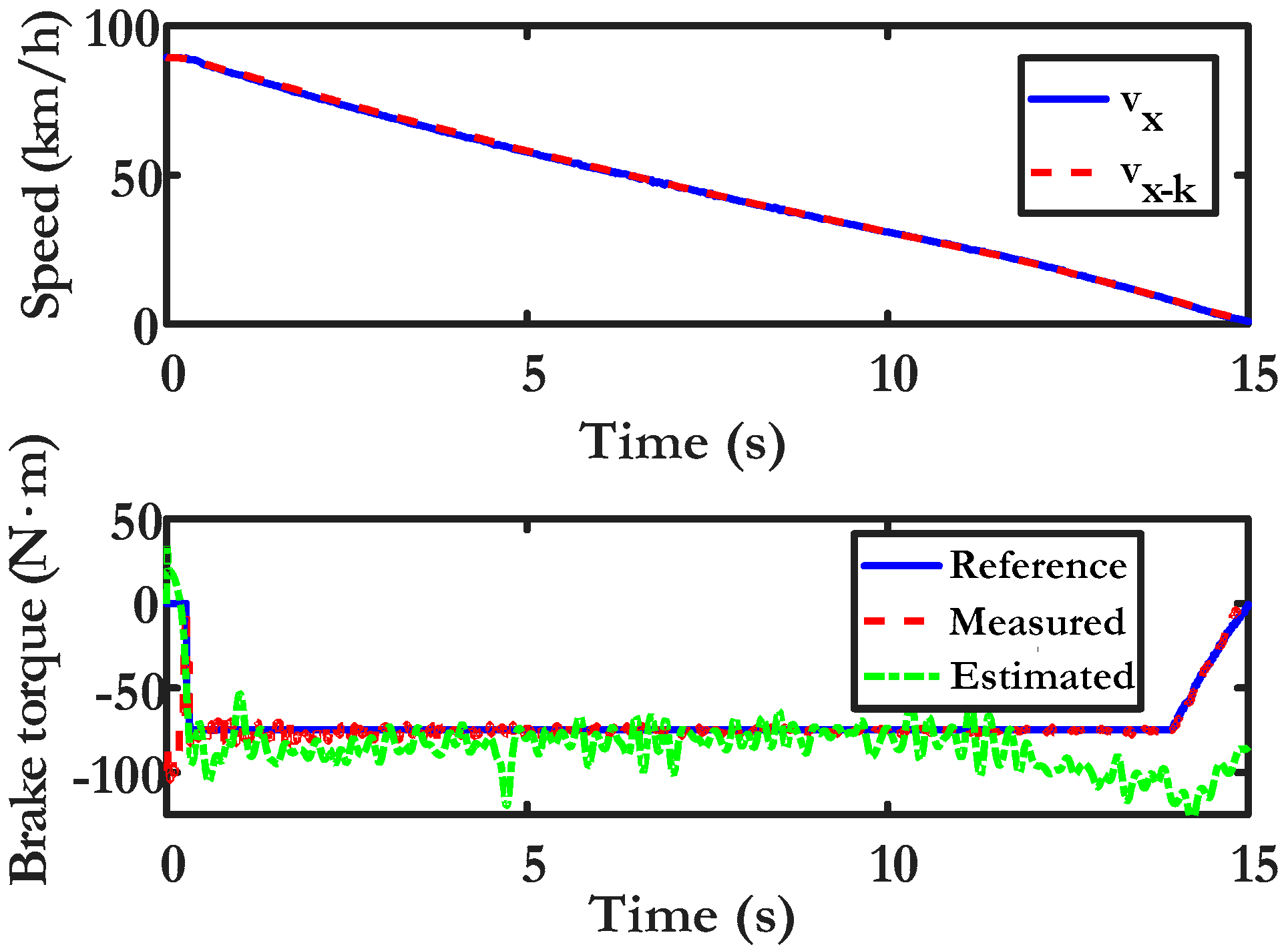
When an electric motorcyclist slows down or comes to a stop, the motor controller shifts into regenerative mode, converting the kinetic energy into electrical energy. This energy is then fed back into the battery, replenishing its charge. Regenerative braking is not only an energy-saving feature but also an essential safety feature, as it helps to supplement the traditional braking system, reducing wear and tear on the brakes.The Benefits of Electric Motorcycle Regenerative Braking
The integration of regenerative braking in electric motorcycles offers numerous benefits, including: *- Extended riding ranges: By capturing and storing energy, regenerative braking helps to conserve battery life and extend riding ranges.
- Improved safety: Regenerative braking supplements the traditional braking system, providing a safer and more responsive braking experience.
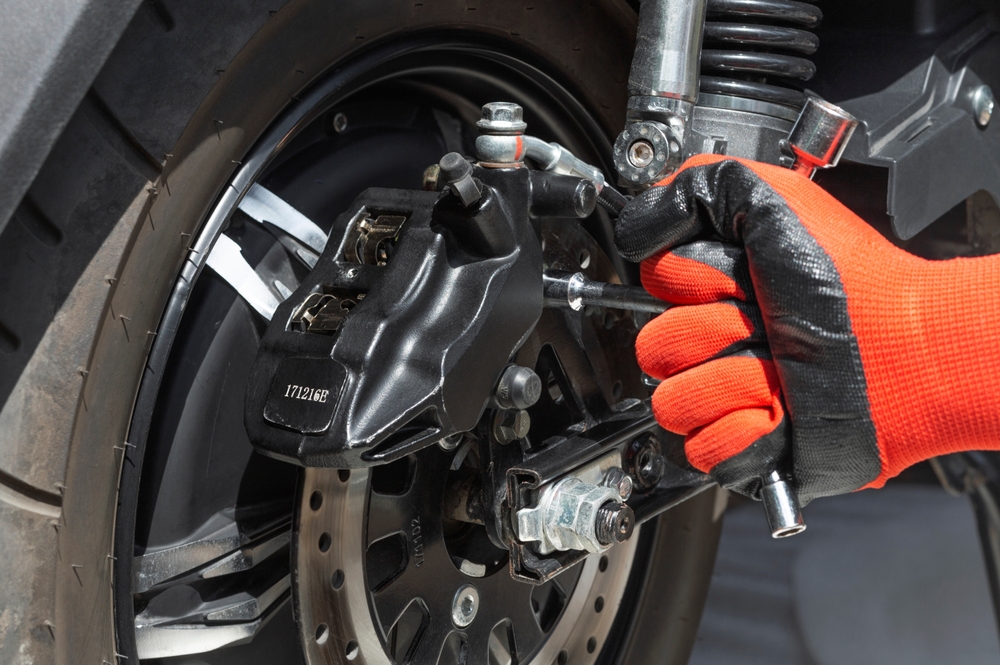
- Reduced maintenance: Regenerative braking reduces wear and tear on the brakes, leading to lower maintenance costs.
- Increased efficiency: Regenerative braking optimizes energy recovery, minimizing energy loss and ensuring a more efficient ride.
Types of Regenerative Braking Systems
There are two primary types of regenerative braking systems in electric motorcycles: *- Coasting mode: This type of regenerative braking occurs when the motor slows down, converting kinetic energy into electrical energy.
- Regenerative braking with motor assist: In this system, the motor actively assists the braking process, generating more energy during braking.

Key Features to Look for in Regenerative Braking Systems
When shopping for an electric motorcycle, look for the following key features: *- Active or adaptive regenerative braking systems
- Advanced regenerative braking algorithms
- High-capacity batteries for improved energy storage
- Seamless transitions between regenerative and traditional braking modes