Easily Accessible Tire Changing Methods: A Comprehensive Guide
Changing a tire can be a daunting task, especially if you're not familiar with the process. However, with the right tools and knowledge, you can change a tire quickly and safely. In this article, we'll explore easily accessible tire changing methods that you can use in case of a flat tire.
Why is it Important to Know How to Change a Tire?
Knowing how to change a tire is an essential skill for any driver. A flat tire can happen to anyone, at any time, and being prepared can save you from a lot of stress and inconvenience. In fact, the average driver will experience five flat tires over the course of their driving lifetime, and an estimated 1 in 5 American drivers don't even know how to change a tire. By learning how to change a tire, you can be better prepared for unexpected situations and keep yourself and others safe on the road.
Essential Tools for Tire Changing
Before we dive into the steps for changing a tire, it's essential to have the right tools. These tools can be easily accessible and stored in your trunk or glove box. Some of the essential tools include:
- Tire-changing kit
- Jack
- Lug wrench
- Tire iron
- Spare tire
- Tire pressure gauge
Step-by-Step Guide to Changing a Tire
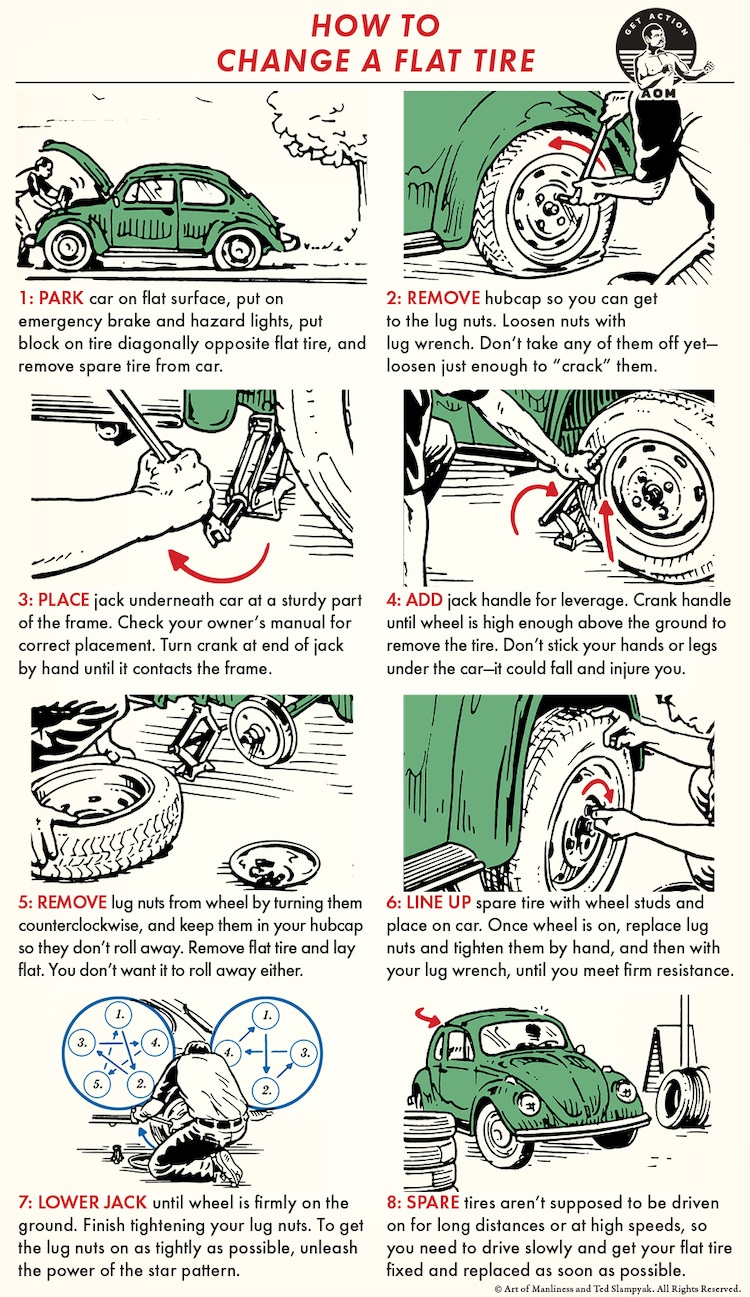
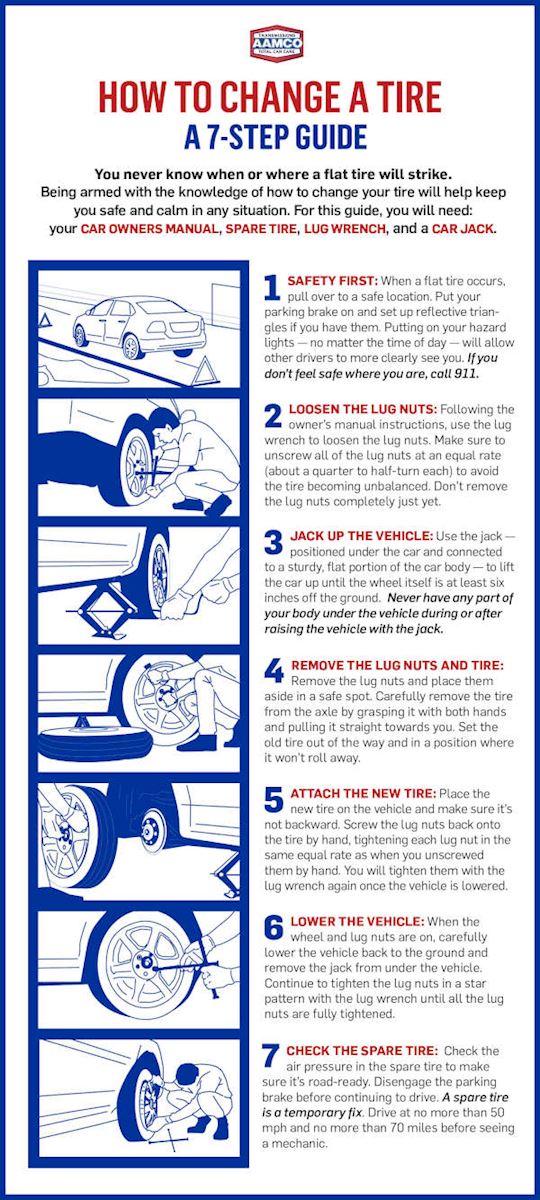
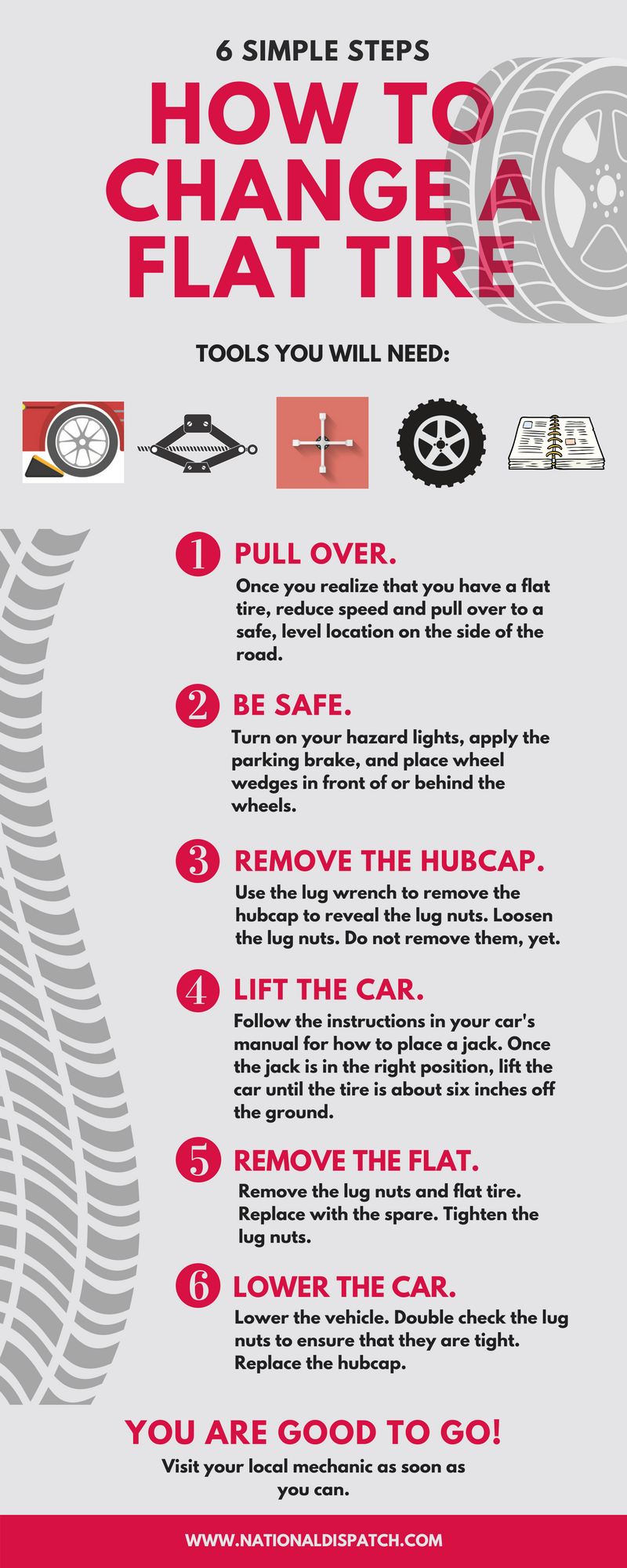
Changing a tire may seem like a complicated process, but it's actually quite simple. Here's a step-by-step guide to help you change a tire easily and safely:
Step 1: Find a Safe Location
Move your vehicle to a flat and stable surface, away from traffic. Turn off the engine and engage the parking brake.
Step 2: Gather Your Tools
Collect your tire-changing kit and the tools you need to change the tire. Make sure you have a spare tire, lug wrench, and jack.
Step 3: Loosen the Lug Nuts
Before you jack up the vehicle, loosen the lug nuts on the flat tire with the lug wrench. Turn them counterclockwise until they're loose, but don't remove them yet.

Step 4: Jack Up the Vehicle
Position the jack under the vehicle and raise it until the flat tire is off the ground. Make sure the jack is stable and sturdy.
Step 5: Remove the Lug Nuts and Flat Tire
Now that the vehicle is raised, you can remove the lug nuts from the wheel hub. Place them in a safe location where they won't get lost. Carefully pull the flat tire straight off the wheel hub and set it aside.
Step 6: Install the Spare Tire
Take the spare tire and place it onto the wheel hub. Hand-tighten the lug nuts to secure the tire.
Step 7: Tighten the Lug Nuts
Lower the vehicle to the ground and use the lug wrench to tighten the lug nuts in a star pattern. Make sure they're snug, but don't overtighten them.
Step 8: Check the Tire Pressure
Use a tire pressure gauge to check the air pressure of the spare tire. Add air if necessary, and make sure it's at the recommended pressure.
Conclusion
Changing a tire may seem like a daunting task, but with the right tools and knowledge, it can be done easily and safely. Remember to always prioritize safety and follow the steps outlined above. By being prepared and knowing how to change a tire, you can avoid stressful situations and keep yourself and others safe on the road.
Additional Tips and Resources
If you're not comfortable changing a tire yourself, don't hesitate to seek help from a professional mechanic or roadside assistance service. Additionally, consider taking a tire-changing course to learn more about this essential skill. Some other resources to help you learn how to change a tire include: