The Consequences of Screen Time on Adults: A Growing Concern
Excess screen time has become a ubiquitous aspect of modern life, with adults spending increasing amounts of time staring at their smartphones, tablets, and computers. While screens offer many benefits, including staying connected with loved ones and accessing a wealth of information, excessive screen time can have serious consequences for adults.
The Impact of Screen Time on Sleep
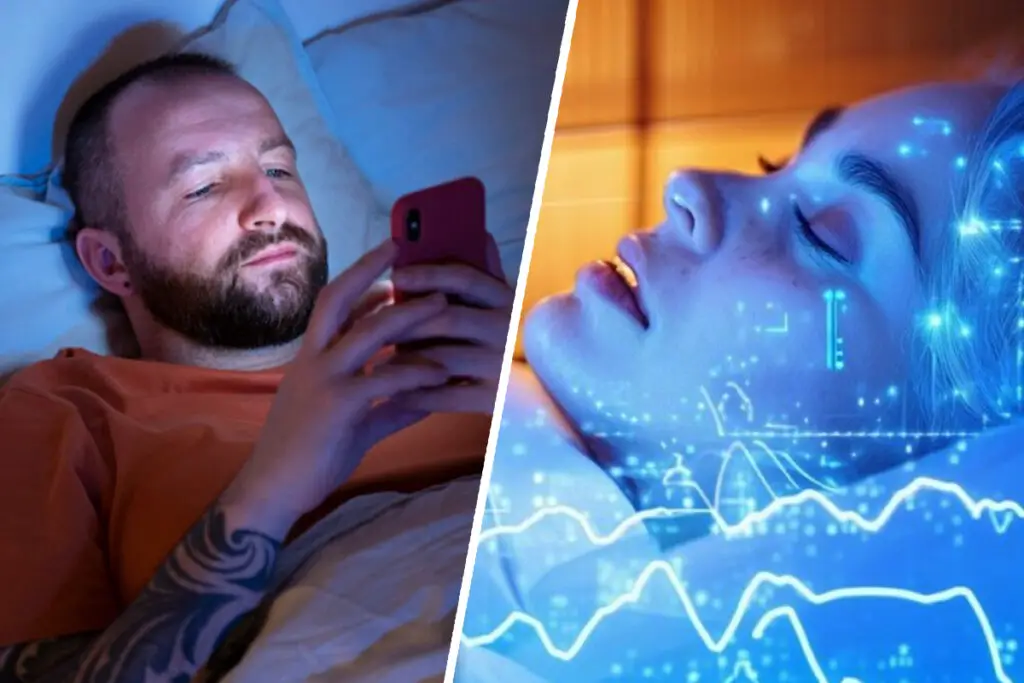
One of the most significant consequences of excessive screen time is its impact on sleep. Exposure to screens can delay the release of melatonin, the hormone that regulates sleep, by suppressing the production of melatonin in the brain's pineal gland. This can lead to difficulty falling asleep and reduce the quality of sleep, resulting in fatigue, decreased productivity, and a host of other problems.
Research has also shown that adults who engage in excessive screen time or have a diagnosed smartphone addiction have lower gray matter volume, which can impact cognitive function, memory, and mood. Furthermore, excessive screen time has been linked to an increased risk of sleep disorders, including insomnia and sleep apnea.
The Effects of Screen Time on Relationships
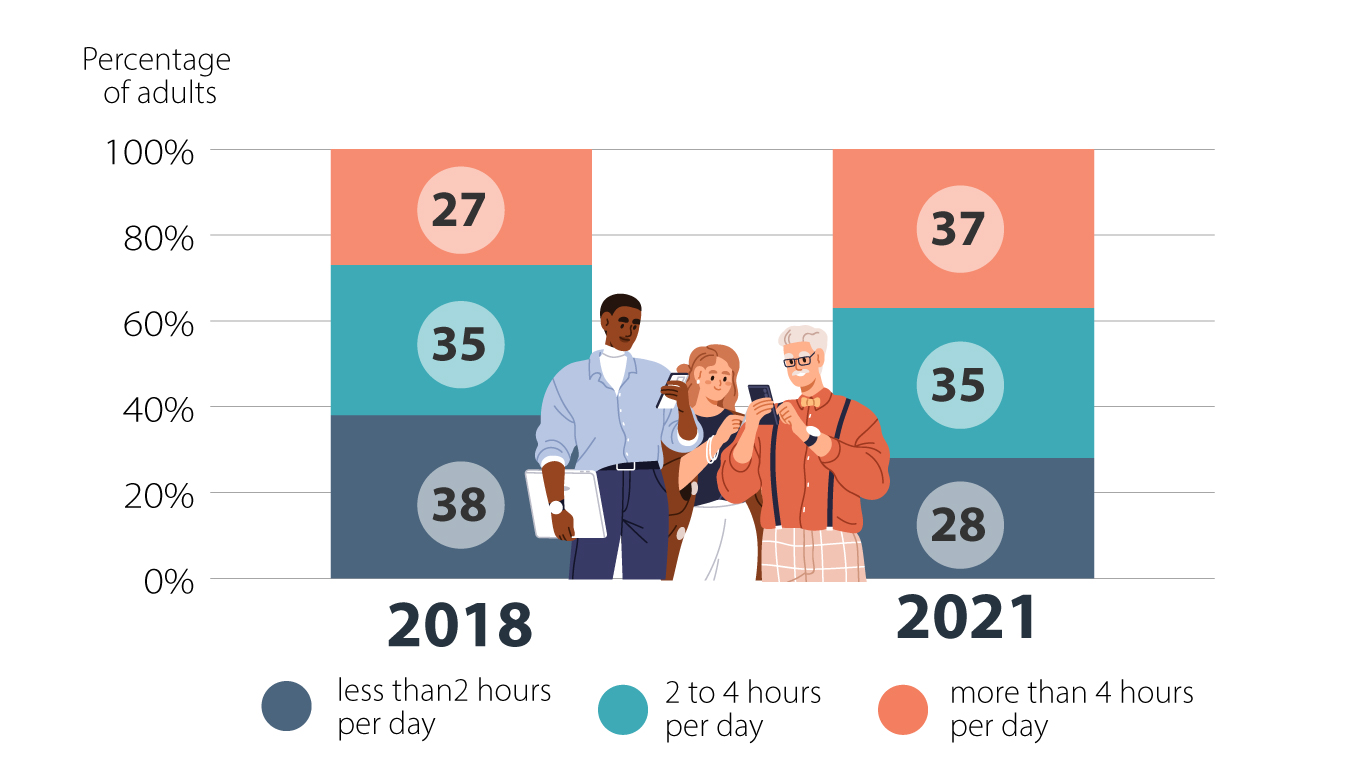
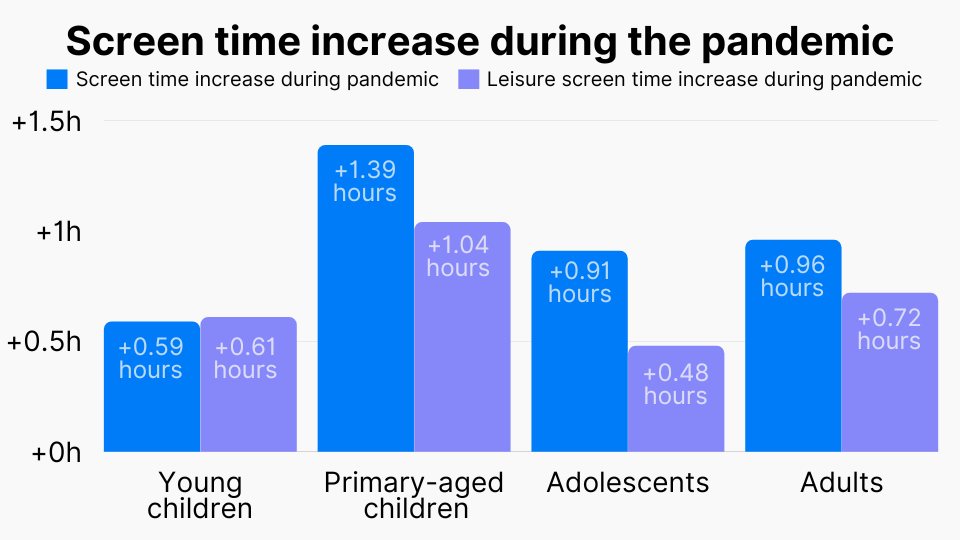
Excessive screen time can also have a significant impact on relationships, particularly between significant others. The constant flow of information and notifications from screens can lead to emotional disconnection, miscommunication, and conflict. A study found that over 80% of adults go online at least several times per day, and research indicates that even adults' fully-formed brains can suffer negative consequences from excessive screen time.
Moreover, excessive screen time has been linked to a decrease in face-to-face communication, which is essential for building and maintaining meaningful relationships. When we spend too much time looking at screens, we miss out on opportunities to connect with others, engage in deep conversations, and experience the joys of human interaction.
The Health Risks Associated with Excessive Screen Time
Excessive screen time has also been linked to a range of physical and mental health problems, including anxiety, depression, and attention deficits. Long-term health issues such as cardiovascular disease and infertility have also been linked to excessive screen time.

Furthermore, a lack of movement, combined with excessive screen time, can lead to a range of health problems, including obesity, decreased bone density, and an increased risk of chronic diseases like diabetes and heart disease.
Protecting Your Health in the Face of Screen Time
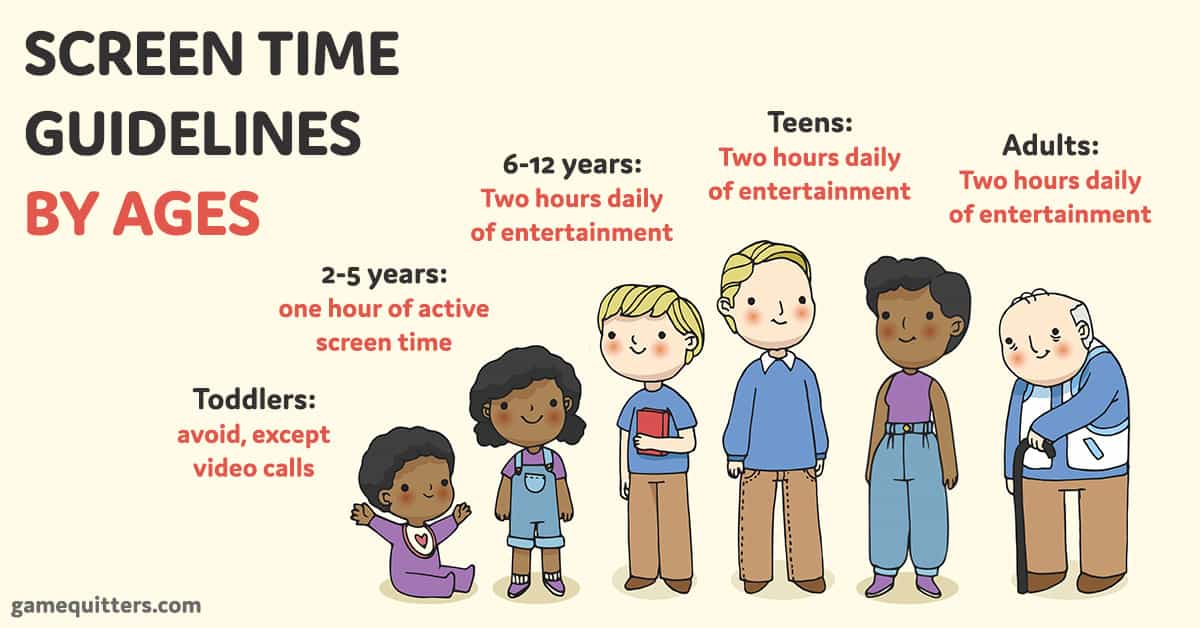
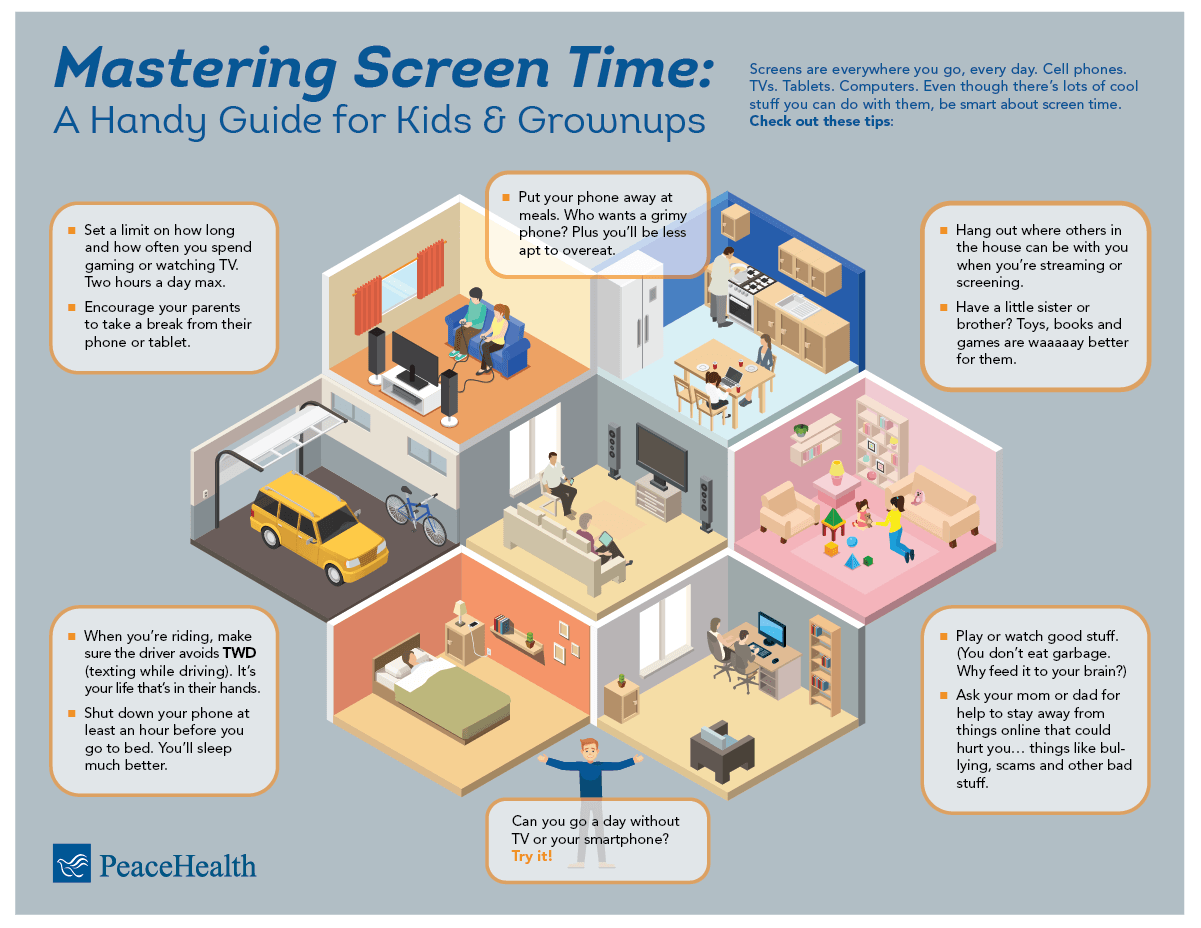
While it can be challenging to limit screen time in today's digital world, there are steps that adults can take to protect their health and well-being. These include:
- Setting screen-free times and places, such as during meals or in bed
- Engaging in regular physical activity, such as exercise or sports
- Practicing mindfulness and meditation to reduce stress and anxiety
- Getting enough sleep and prioritizing rest and relaxation
- Seeking social support and connecting with friends and family
Conclusion
The consequences of excessive screen time on adults are far-reaching and can have serious impacts on both physical and mental health. By being aware of the risks associated with excessive screen time and taking steps to mitigate them, adults can reduce their risk of health problems and improve their overall well-being. It's time to take control of our screen time and make informed choices about how we use technology in our lives.
References
AMA policy encourages primary and secondary schools to incorporate balance screen time with physical activity and sleep into their health class curricula. The AMA also encourages primary care physicians to assess pediatric patients and educate parents about amount of screen time, physical activity, and sleep habits.