The Ultimate Guide to Changing a Car Wheel: A Safe and Simple Process
Changing a car wheel may seem like a daunting task, but with the right guidance, it's a skill that anyone can master. Whether you're faced with a flat tire or simply want to equip your car with a new set of wheels, this comprehensive guide will walk you through the steps to change a car wheel safely and efficiently.
Why Knowing How to Change a Car Wheel is Crucial
Knowing how to change a car wheel is a vital skill for any driver. It may seem like a simple task, but getting a flat tire can leave you stranded, potentially putting you and others at risk. By knowing the process, you'll save time, money, and ensure your safety on the road.
Step-by-Step Guide to Changing a Car Wheel
Tools Needed:
- Spare tire
- Wheel chocks or wedges
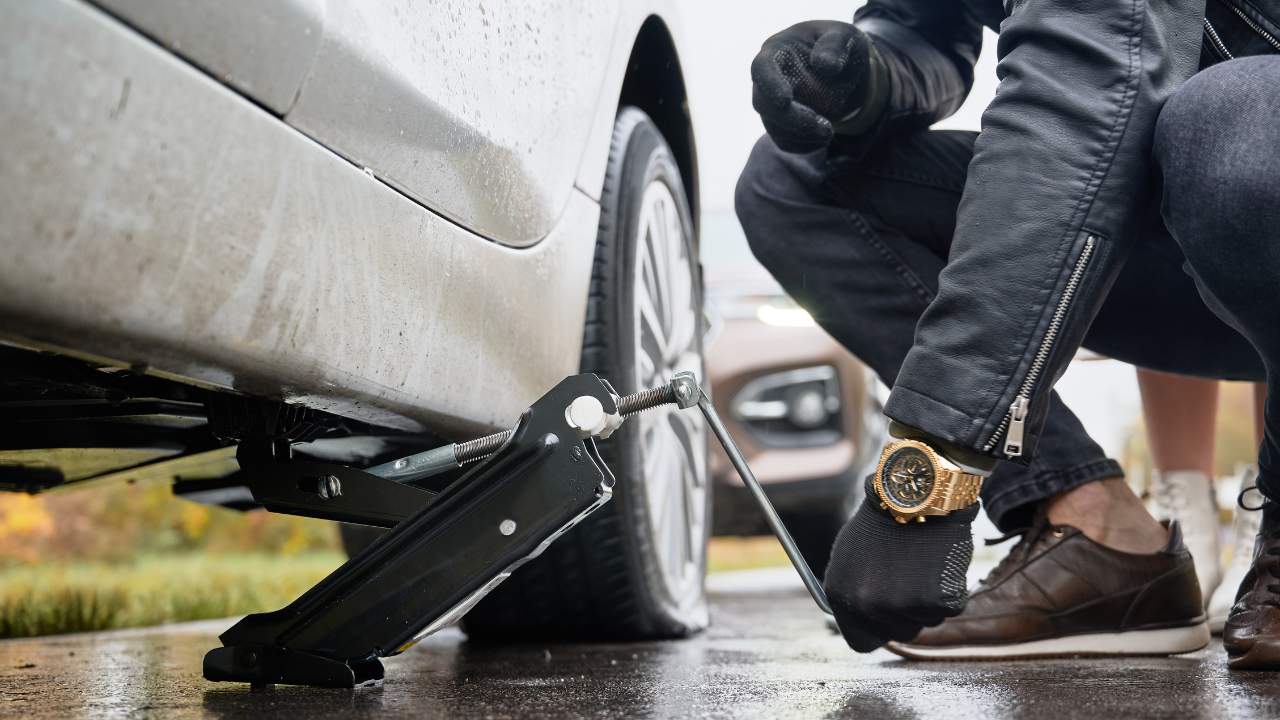
- Jack and jack stands
- Lug wrench or tire iron
- Tire pressure gauge
Step 1: Safety First!
Before changing the wheel, ensure your car is in a safe and stable position. Engage the parking brake, put the transmission in park (automatic) or first gear (manual), and turn off the engine.
Step 2: Loosen the Lug Nuts
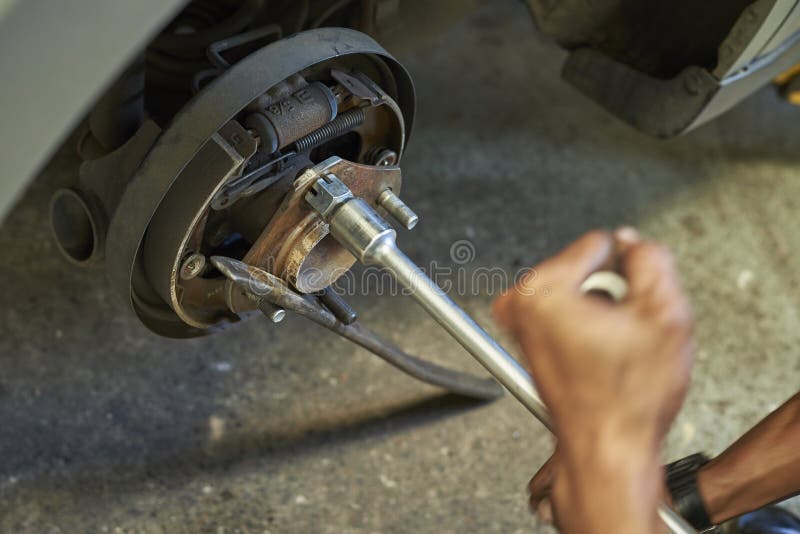
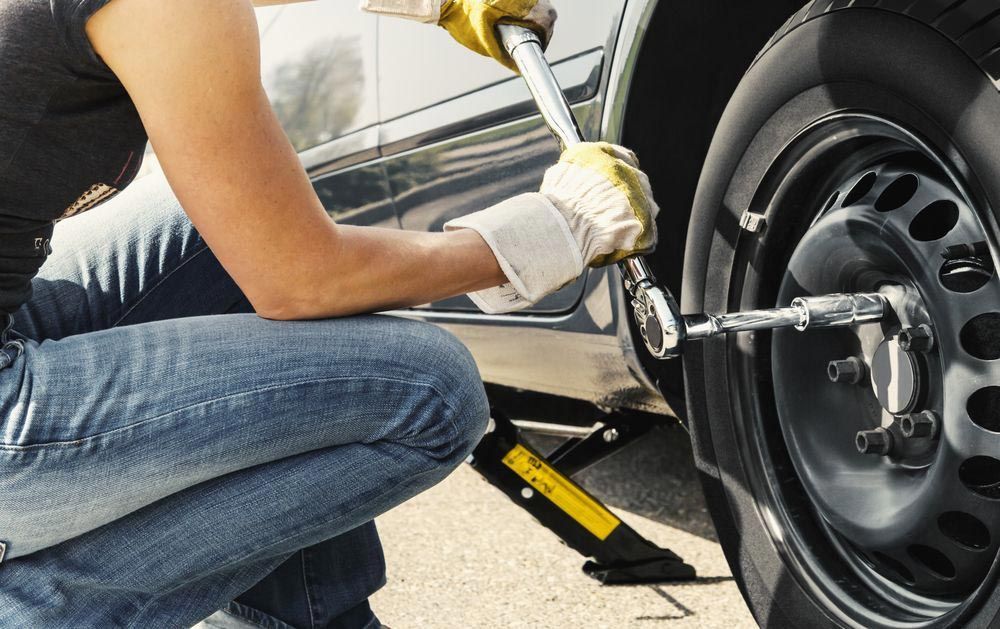
Use your lug wrench to loosen the lug nuts on the flat tire. Turn them counterclockwise until they are loose, but do not remove them yet.
Step 3: Raise the Car
Position the jack under the car and raise it until the flat tire is off the ground. Use jack stands for added safety and support.
Step 4: Remove the Lug Nuts and Flat Tire
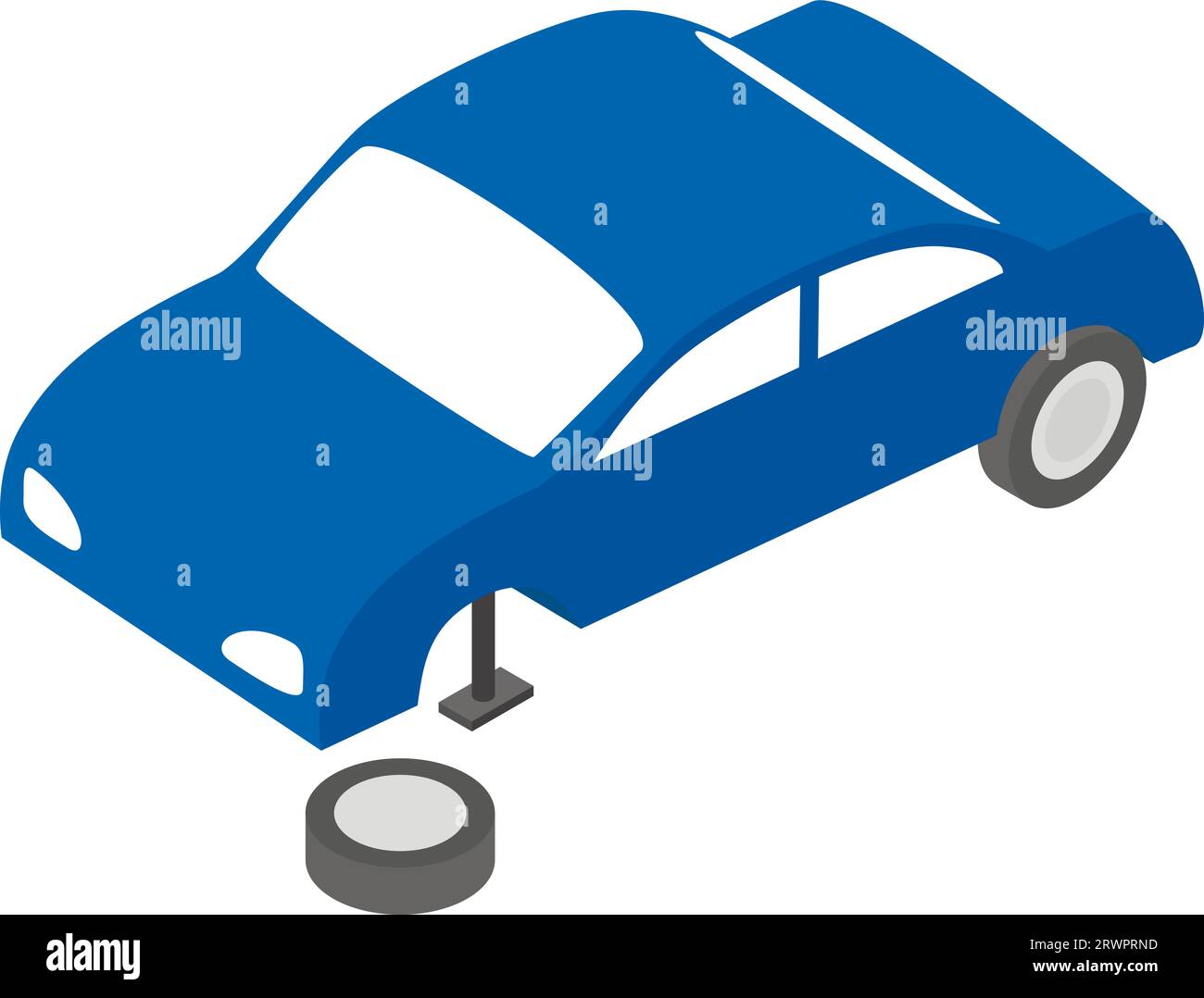
Completely remove the lug nuts and take off the flat tire. Place the flat tire aside and replace it with the spare tire.
Step 5: Tighten the Lug Nuts
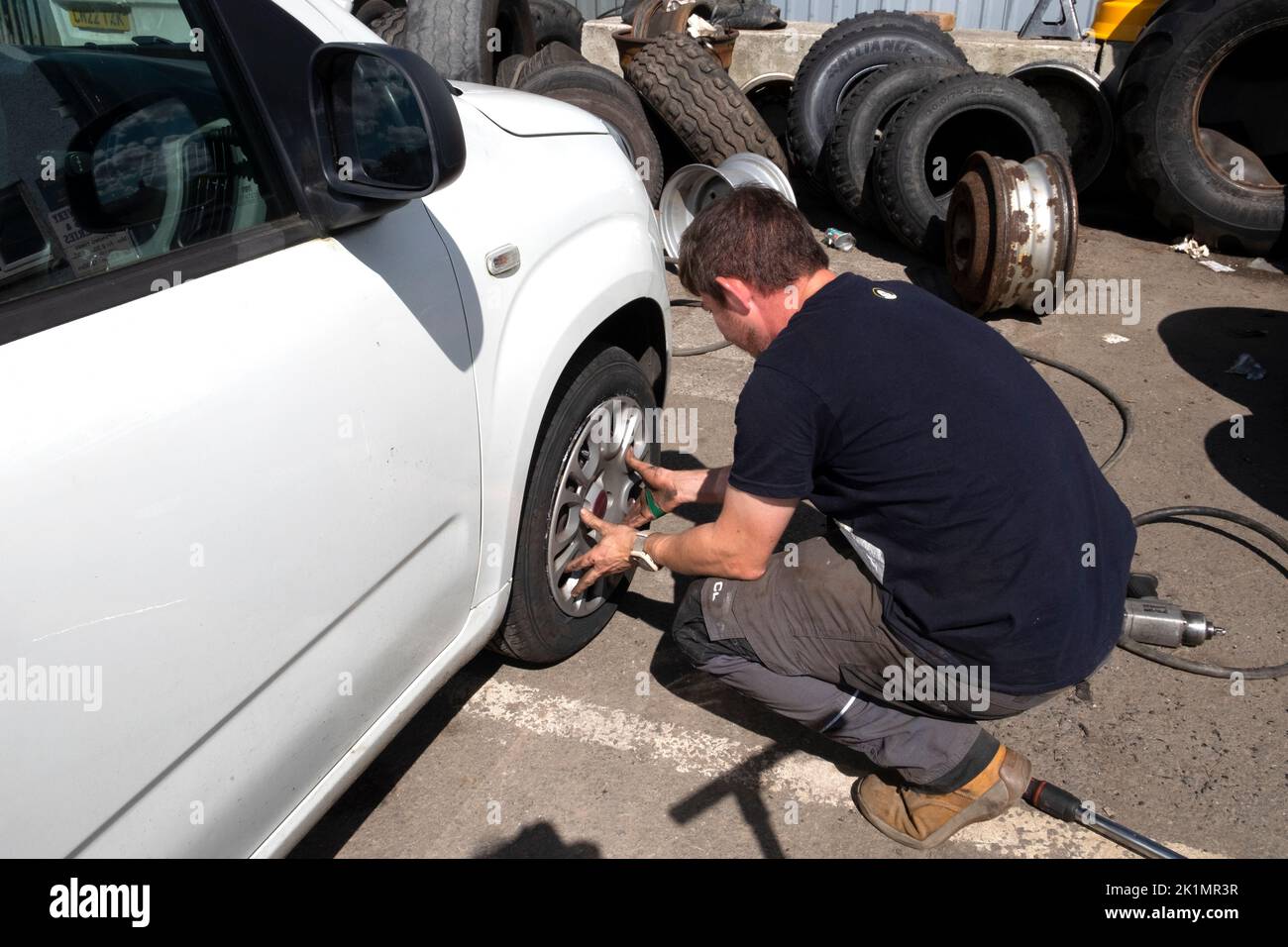
Hand-tighten the lug nuts in a star pattern to ensure even tightening. Then, use your lug wrench to tighten them further in the same star pattern until they are snug.
Step 6: Lower the Car
Carefully lower the car to the ground using the jack stands.
Step 7: Tighten the Lug Nuts Again
Use your lug wrench to tighten the lug nuts as tight as possible in a star pattern. Check the owner's manual for the recommended torque specification.
Additional Tips and Precautions
Be Aware of Your Surroundings:
When changing a car wheel, make sure you're in a well-lit and stable area, away from traffic. Use reflective warning signs to alert others of your situation.
Use the Right Tools:
Using the wrong tools can damage your vehicle or wheel. Invest in a good-quality lug wrench and wheel chocks for safety.
Check Your Fitment Specs:
Ensure the new wheel is compatible with your vehicle's bolt pattern, offset, and wheels size. Consult your owner's manual or contact the manufacturer for assistance.
Replace the Wheel in the Opposite Sequence:
Replace the wheel in the opposite sequence of how you removed it. Tighten the lug nuts in the same star pattern to avoid over-tightening.
Conclusion
Changing a car wheel may seem intimidating, but with the right guidance, you can do it safely and efficiently. Remember to stay calm, use the right tools, and follow the steps outlined in this guide. Practice makes perfect, so next time you encounter a flat tire, you'll be well-equipped to change the wheel and get back on the road quickly and safely.