Can I Sleep on My Back During Pregnancy?
The Risks and Benefits of Sleeping on Your Back During Pregnancy
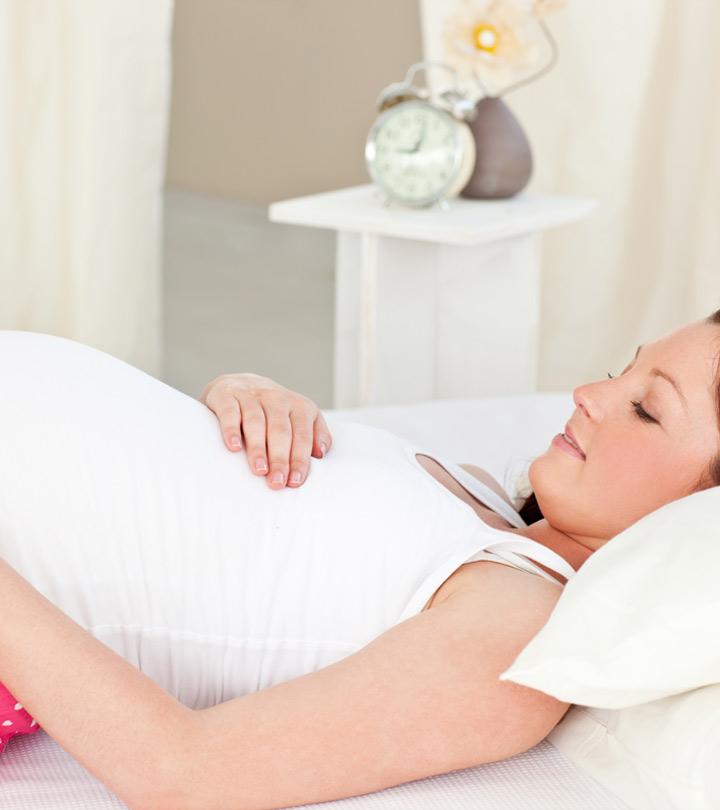
As your belly grows, sleeping on your back may not be good for you. It's essential to understand the risks and benefits of sleeping on your back during pregnancy to ensure a safe and comfortable experience for both you and your baby.During pregnancy, the weight of your uterus puts pressure on your spine and back muscles. This can lead to discomfort, back pain, and even potentially harm your baby.
What Happens if You Sleep on Your Back for Too Long in Pregnancy?
Research has shown that sleeping on your back in the third trimester (after 28 weeks of pregnancy) increases the risk of stillbirth. A study published in the Sleep journal found an association between people who slept longer on their backs and lower birth weight.
When Should You Stop Lying on Your Back?
Healthcare providers recommend stopping lying on your back after reaching 28 weeks of pregnancy. This is because the increased pressure on your back and internal organs can cause discomfort and potentially harm your baby.
Safe Sleeping Positions During Pregnancy
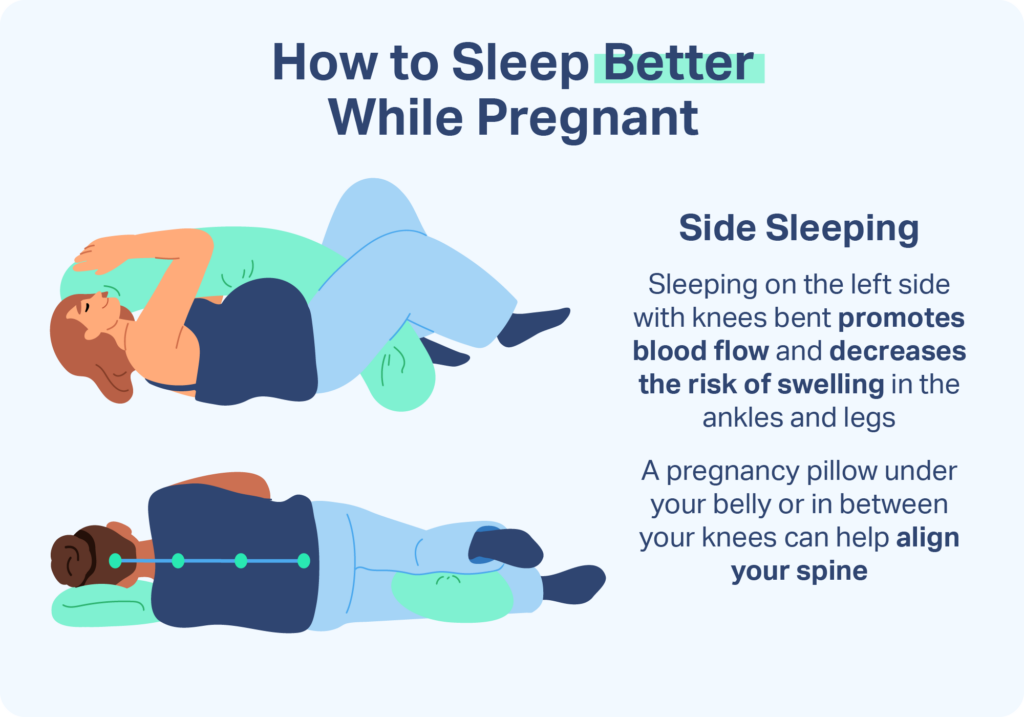
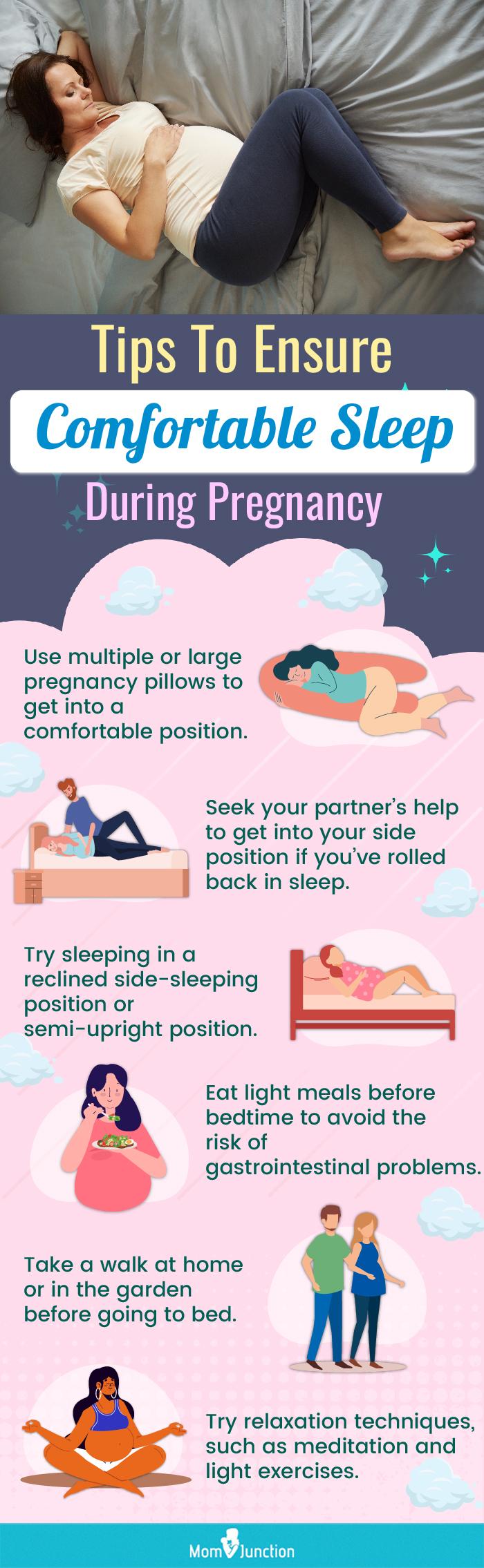
Thesleepfoundation recommends sleeping on your left side to increase blood flow to the uterus and fetus. Other safe sleeping positions include:
- Sleeping on your left side with a pillow between your knees
- Sleeping on your left side with a pillow under your belly
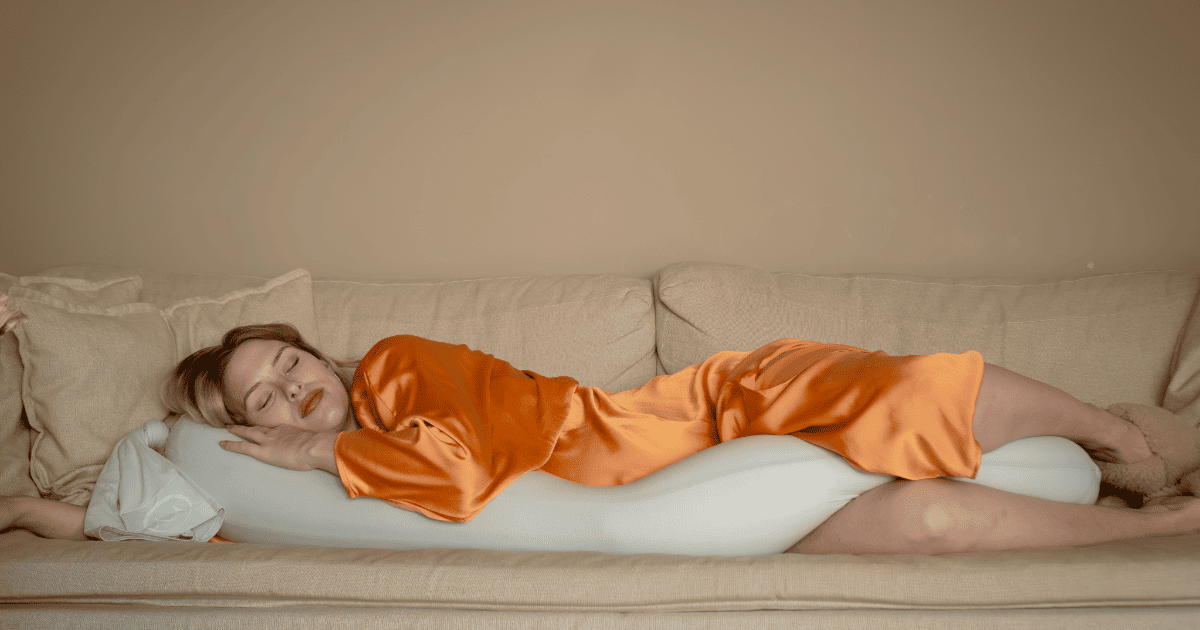
- Using a body pillow or full-length pillow to support your back and belly
- Placing a pillow behind your back to maintain a neutral spine position

Why Sleeping on Your Back Can Be Harmful During Pregnancy
Lying on your back during pregnancy can cause several issues, including:
- Compression of the inferior vena cava, which can reduce blood flow and oxygen circulation
- Back pain and discomfort due to the increased pressure on your spine and back muscles
- Potential harm to your baby, including stillbirth and lower birth weight
Can I Sleep on My Back During Pregnancy? - Expert Opinion
The National Sleep Foundation (NSF) and healthcare providers recommend avoiding sleeping on your back during pregnancy. Instead, opt for a left-side sleeping position or try using pillows for support to make adjusting your sleep position easier and help you get better sleep.
Conclusion
As you navigate pregnancy, it's essential to prioritize your comfort and safety. Sleeping on your back may lead to discomfort, back pain, and potentially harm your baby. By understanding the risks and benefits of sleeping on your back during pregnancy, you can make informed decisions to ensure a safe and comfortable experience for both you and your baby.
Final Thoughts
Remember, every pregnancy is unique, and it's crucial to consult with your healthcare provider for personalized advice on sleeping positions during pregnancy. By taking the necessary precautions and making informed decisions, you can ensure a comfortable and safe sleep experience throughout your pregnancy.