Can Cats Drink Lactose-Free Milk Replacer?
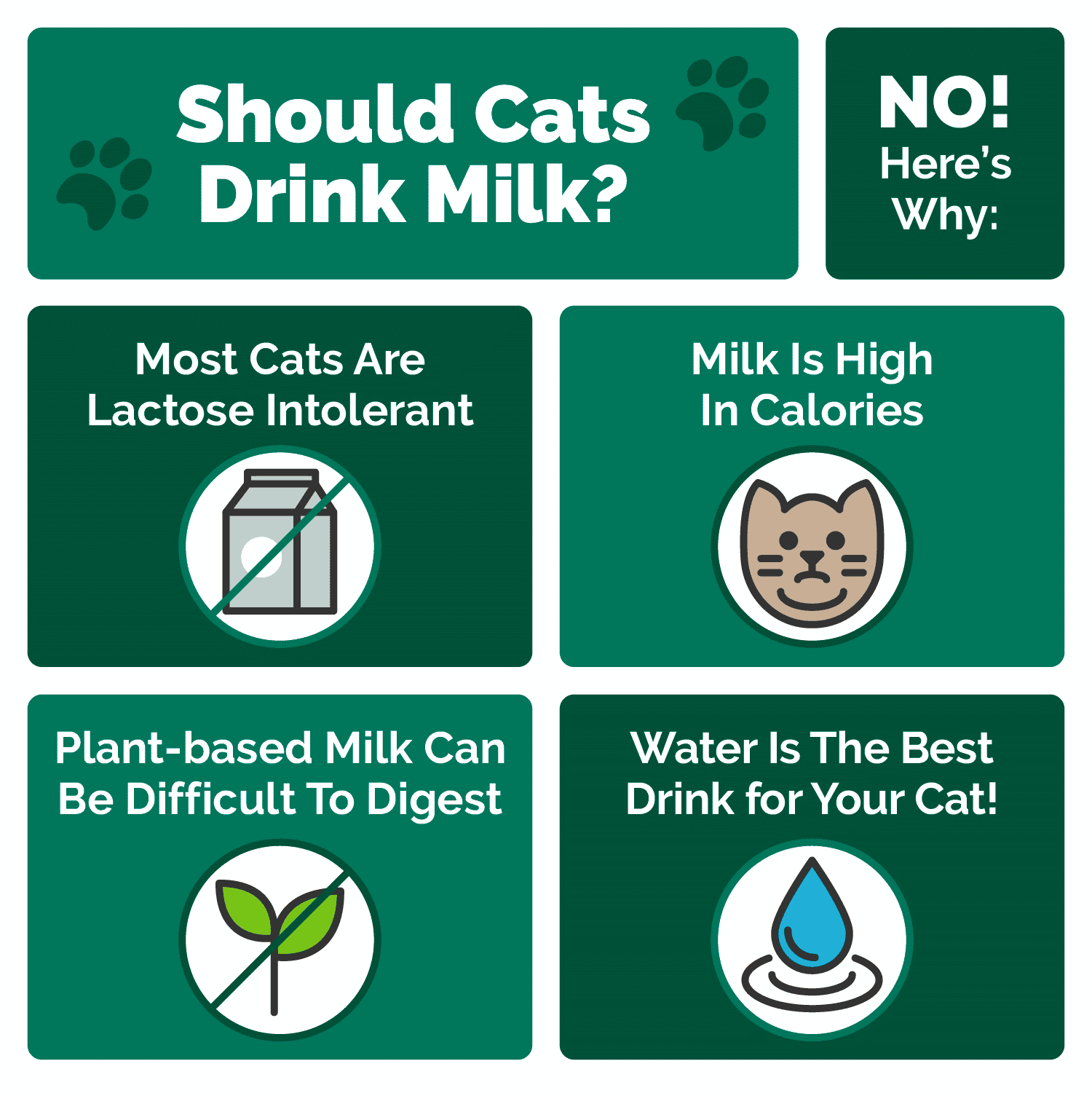
As a cat owner, you may have wondered if you can give your feline friend a saucer of milk. While it's a common practice to see cats drinking milk in movies and cartoons, the reality is that most cats are lactose intolerant. This means they don't have the enzyme lactase that breaks down lactose, a sugar found in milk.
Why Cats Can't Drink Regular Milk
Cats are obligate carnivores, which means they require a diet rich in protein and fat from animal sources. Milk is not a natural part of their diet, and even kittens weaned from their mother's milk gradually stop producing lactase, the enzyme that breaks down lactose. Drinking regular milk can cause digestive issues, including diarrhea, vomiting, and stomach cramps, in cats.
Lactose-Free Milk Replacer: A Safer Option?
While regular milk is not suitable for cats, lactose-free milk replacers may seem like a safer option. However, it's essential to note that even lactose-free milk replacers can cause digestive issues in cats, especially if given in large amounts or as a replacement for their regular diet.
So, can cats drink lactose-free milk replacers? The answer is yes, but with caution. If you want to give your cat a milk-like treat, choose a specially formulated lactose-free cat milk product. These products are designed to be easily digestible and are a better option than regular milk. However, always consult with your veterinarian before introducing any new food or drink into your cat's diet.
Safe Alternatives to Milk Replacer
If you're looking for alternatives to milk replacers, there are several options available:
- Lactose-free cat milk products
- Plain, unflavored yogurt or kefir
- Cat-specific milk replacers
- Bone broth
- Fresh water

What to Avoid
When it comes to milk and dairy products, it's essential to avoid giving your cat:
- Cow's milk
- Goat's milk
- Hard cheeses
- Sour cream
- Cream
- Milk-based treats or snacks
Conclusion
In conclusion, while lactose-free milk replacers may seem like a safer option for cats, it's essential to approach with caution. Always consult with your veterinarian before introducing any new food or drink into your cat's diet. If you're looking for alternatives to milk replacers, there are several options available that are safer and more suitable for your feline friend.
Additional Tips
Here are some additional tips to keep in mind when it comes to milk and dairy products for cats:
- Always consult with your veterinarian before introducing any new food or drink into your cat's diet.
- Choose lactose-free cat milk products or plain, unflavored yogurt or kefir as occasional treats.
- Avoid giving your cat milk-based treats or snacks.
- Stick to a balanced and complete diet that meets your cat's nutritional needs.