The Alarming Truth About Blown Capacitors: Causes, Symptoms, and Solutions
A blown capacitor is a common issue that can bring electronics to a grinding halt, causing frustration and financial losses. Understanding the causes of capacitor failure and recognizing the warning signs can help prevent costly repairs and downtime. In this comprehensive guide, we'll delve into the world of capacitors, exploring the common causes of failure, symptoms to watch out for, and practical solutions to fix blown capacitors.
What is a Blown Capacitor?
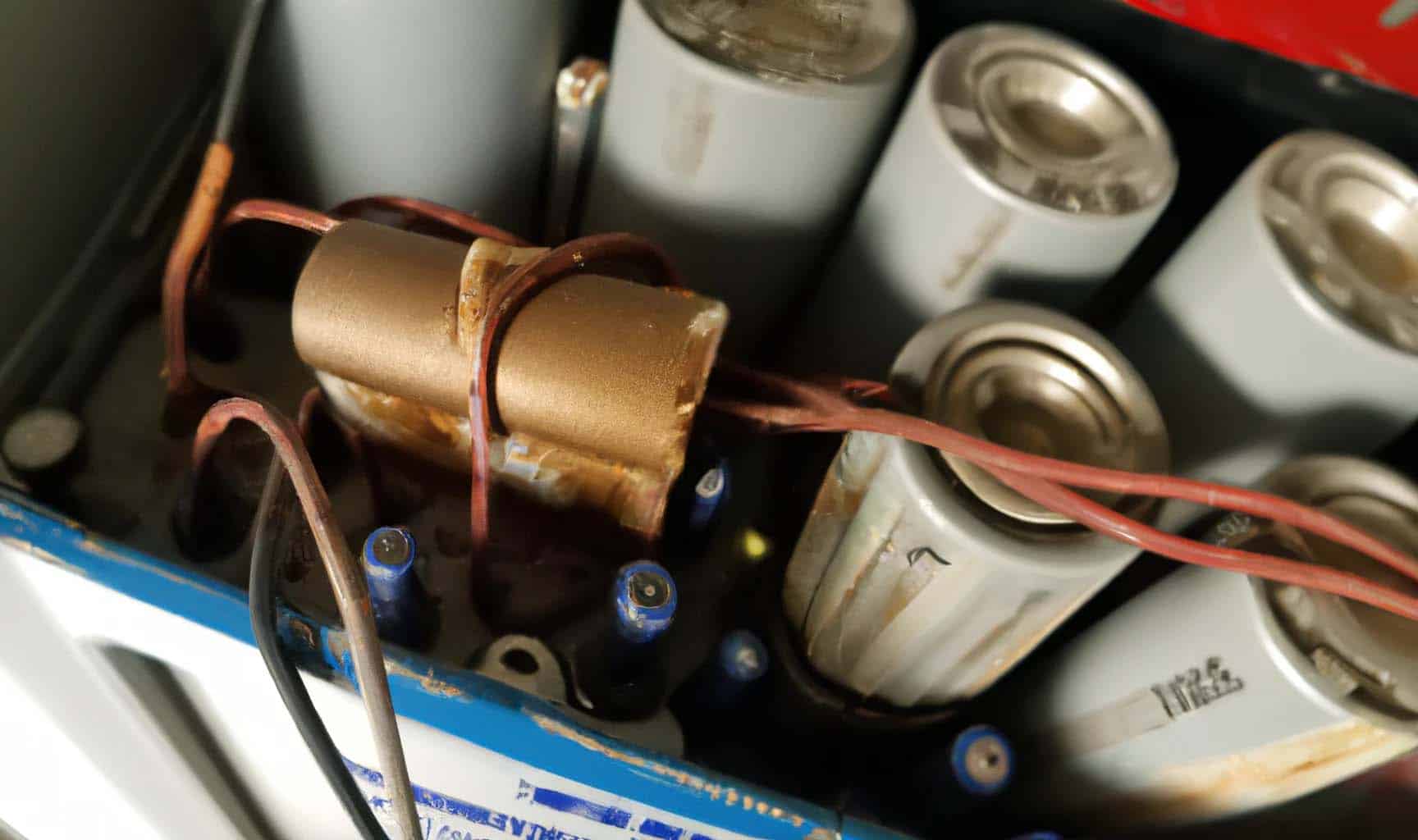
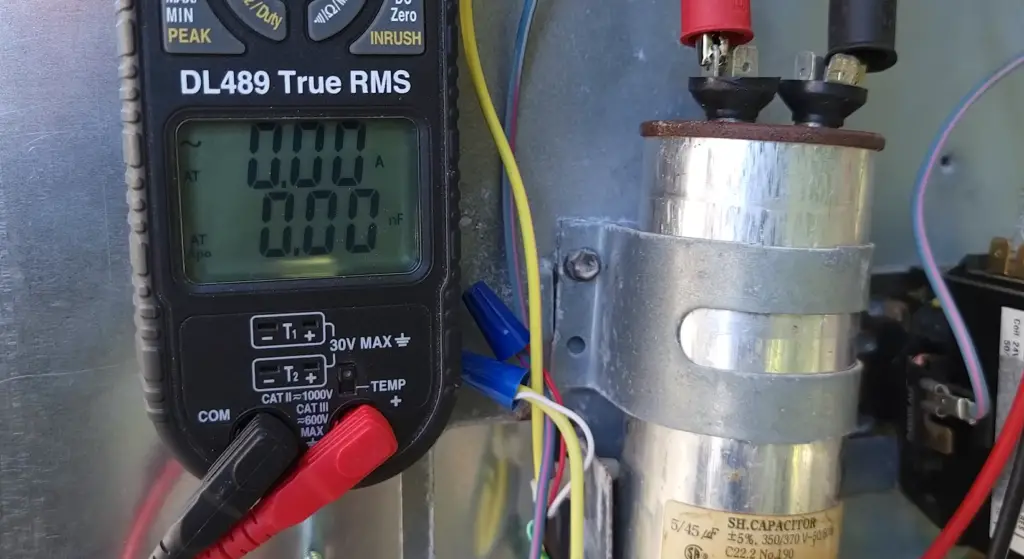
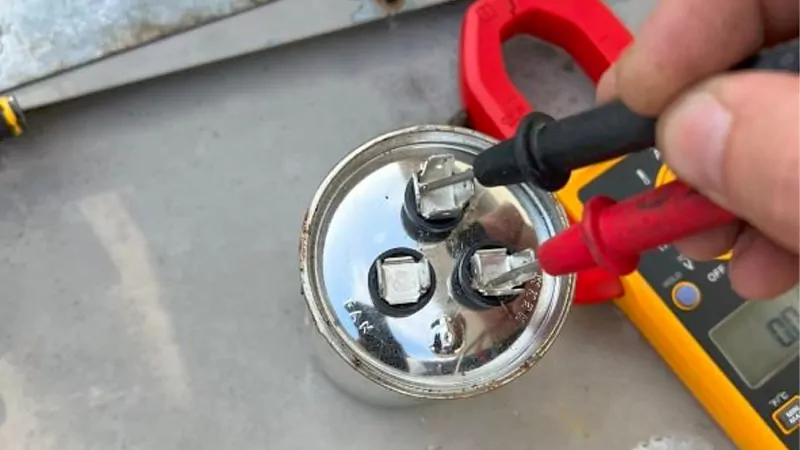
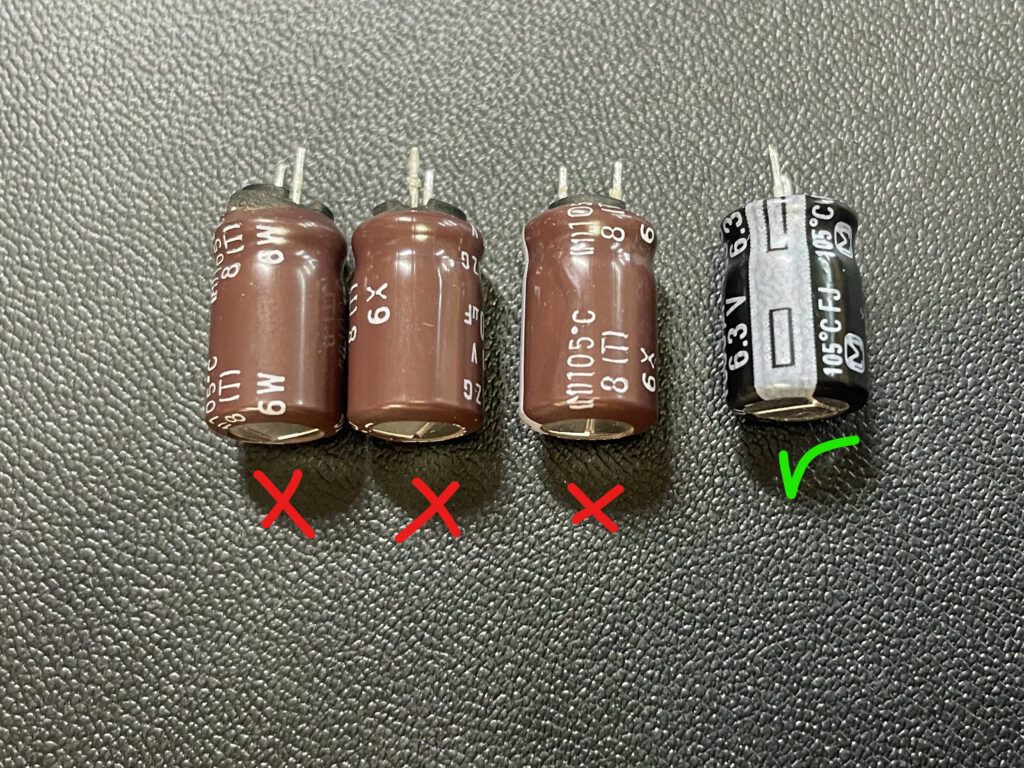
A blown capacitor is a capacitor that has failed, often due to overvoltage, excessive heat, or aging. When a capacitor blows, it may leak, bulge, or even explode, causing electrical failure in the device. Identifying a blown capacitor requires visual inspection and testing with a multimeter.
Common Causes of Capacitor Failure
- Reverse polarity voltage
- Over-voltage
- Excessive heat
- Aging
- Electrolyte degradation
- Contamination or oxidation
Among these causes, reverse polarity voltage and over-voltage are the two main factors that can make a capacitor explode. Compared to other types of capacitors, electrolytic capacitors are more likely to explode.
Recognizing the Symptoms of Capacitor Failure
Failed electrolytic capacitors can exhibit several symptoms, including:
- Open vents in the top of the can
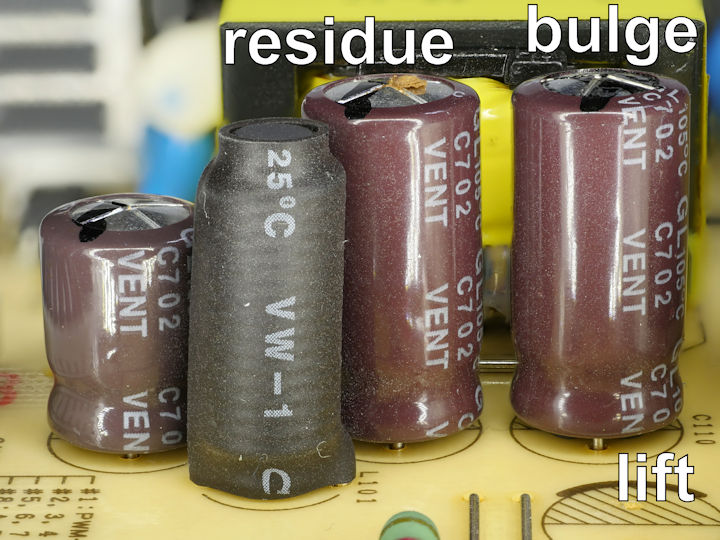
- Visible dried electrolyte residue (reddish-brown color)
- Bulging, leaked, or ruptured vents
- Crust or residue on the printed circuit board
- Lifting off the printed circuit board

When a capacitor fails, it can cause a range of symptoms, including:
- Unusual humming or clicking sounds
- Tripped breakers or blown fuses
- A visible bulge or leakage on the capacitor canister
- A hard start or no start condition
Fixing Blown Capacitors: A Step-by-Step Guide
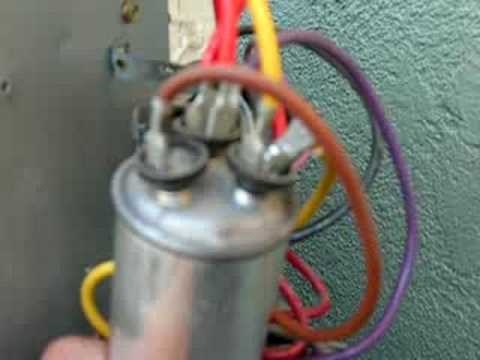
Fixing a blown capacitor is as simple as swapping out the busted capacitor for a new one. However, it's essential to follow proper safety procedures and take precautions to avoid electrical shock or damage to surrounding components.
Prevention is the Best Cure: How to Avoid Blown Capacitors
Preventative maintenance can help avoid blown capacitors altogether. By checking capacitors regularly, replacing faulty ones, and using high-quality components, you can minimize the risk of capacitor failure.
Conclusion
A blown capacitor can bring your electronics to a grinding halt, causing frustration and financial losses. By understanding the causes of capacitor failure, recognizing the warning signs, and following practical solutions to fix blown capacitors, you can prevent costly repairs and downtime. Remember, prevention is the best cure, so be sure to check and maintain your capacitors regularly.