Ambient Lighting: The Key to a Well-Lit Space
Ambient lighting is a crucial aspect of any well-designed interior space. It provides general, overall illumination that makes a room usable and comfortable at any time of day. Unlike task or accent lighting, ambient lighting fills the room with a soft, even glow, creating a warm and inviting atmosphere. In this article, we'll explore the world of ambient lighting, its benefits, and how to incorporate it into your home or workspace.
What is Ambient Lighting?
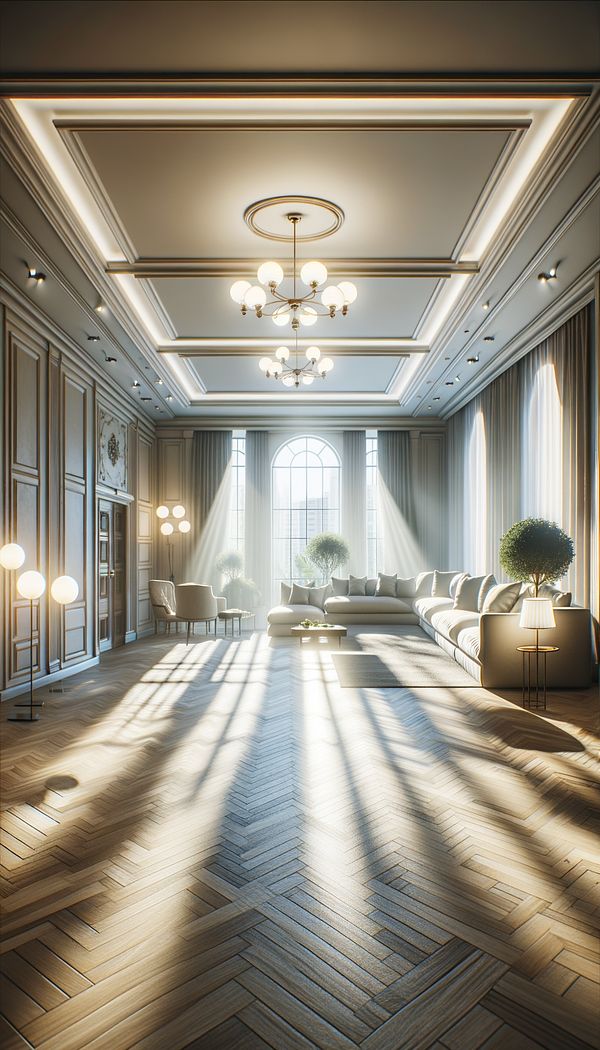
Ambient lighting is the indirect light that bounces off surfaces in an environment and fills in the areas not hit by a direct light source. It's the general, overall light in a space that comes from all directions, including reflections off walls and natural light from windows. This light "fills in" the shadows and creates a baseline for color perception.
Types of Ambient Lighting
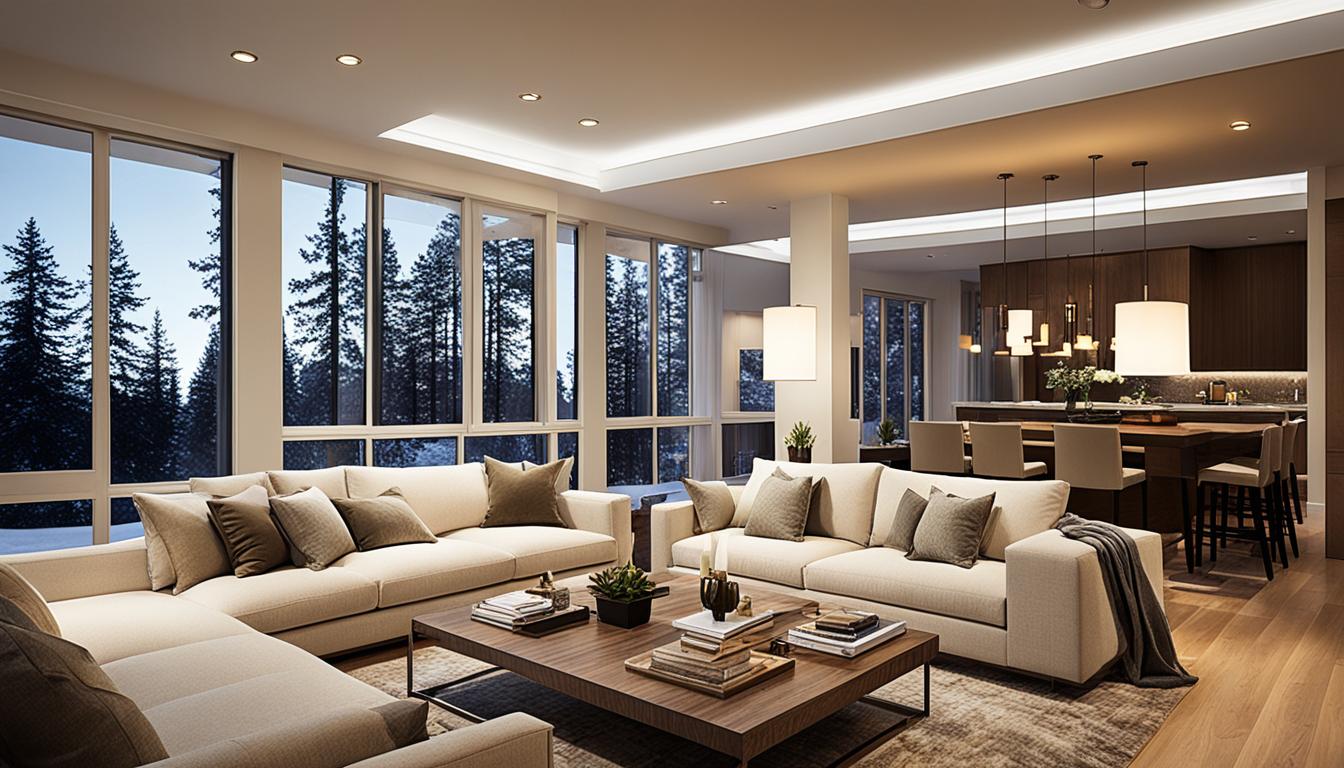
General Lighting: This type of lighting provides overall illumination and is usually the most prominent light source in a room.
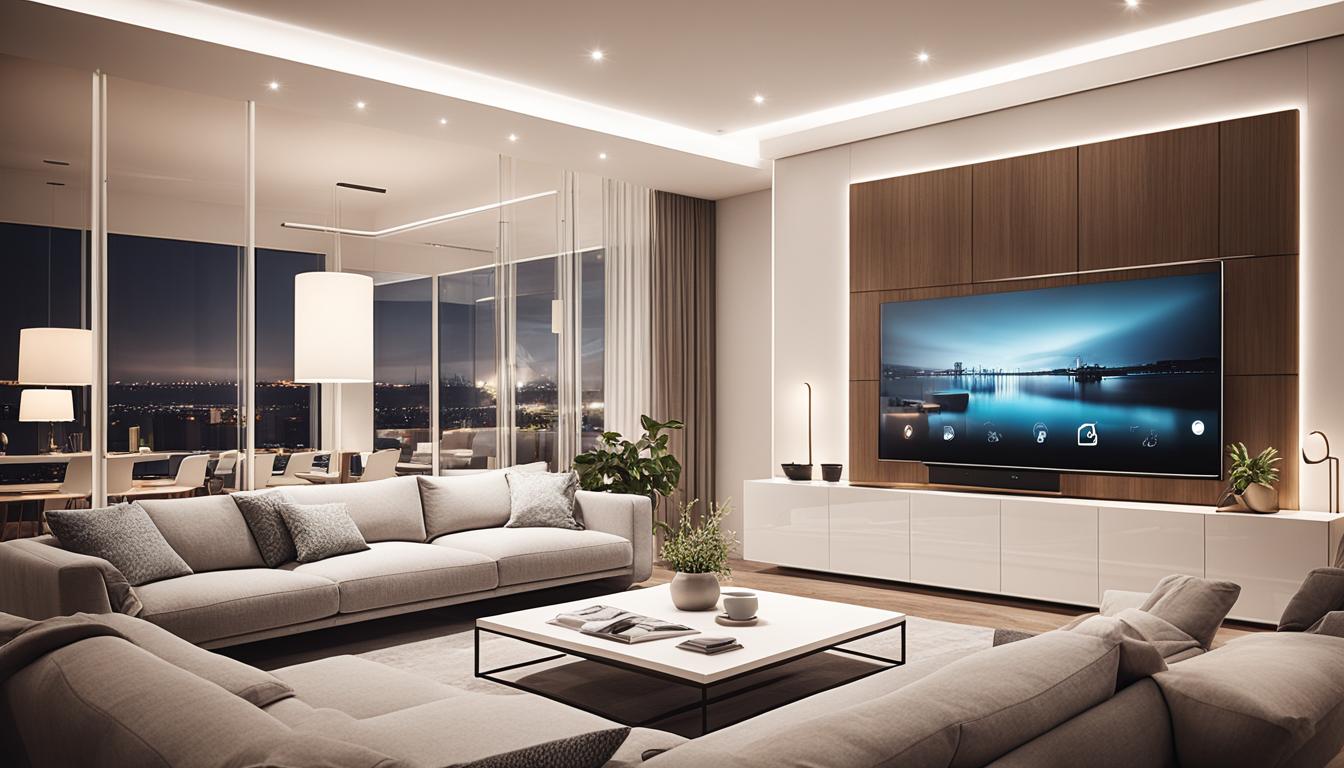
Layered Lighting: This approach involves combining multiple light sources to create a layered effect, providing both ambient and task lighting.
Benefits of Ambient Lighting
Ambient lighting offers several benefits, including:
Creating a warm and inviting atmosphere
Providing general, overall illumination
Filling in shadows and creating a sense of depth
Enhancing color perception
Examples of Ambient Lighting
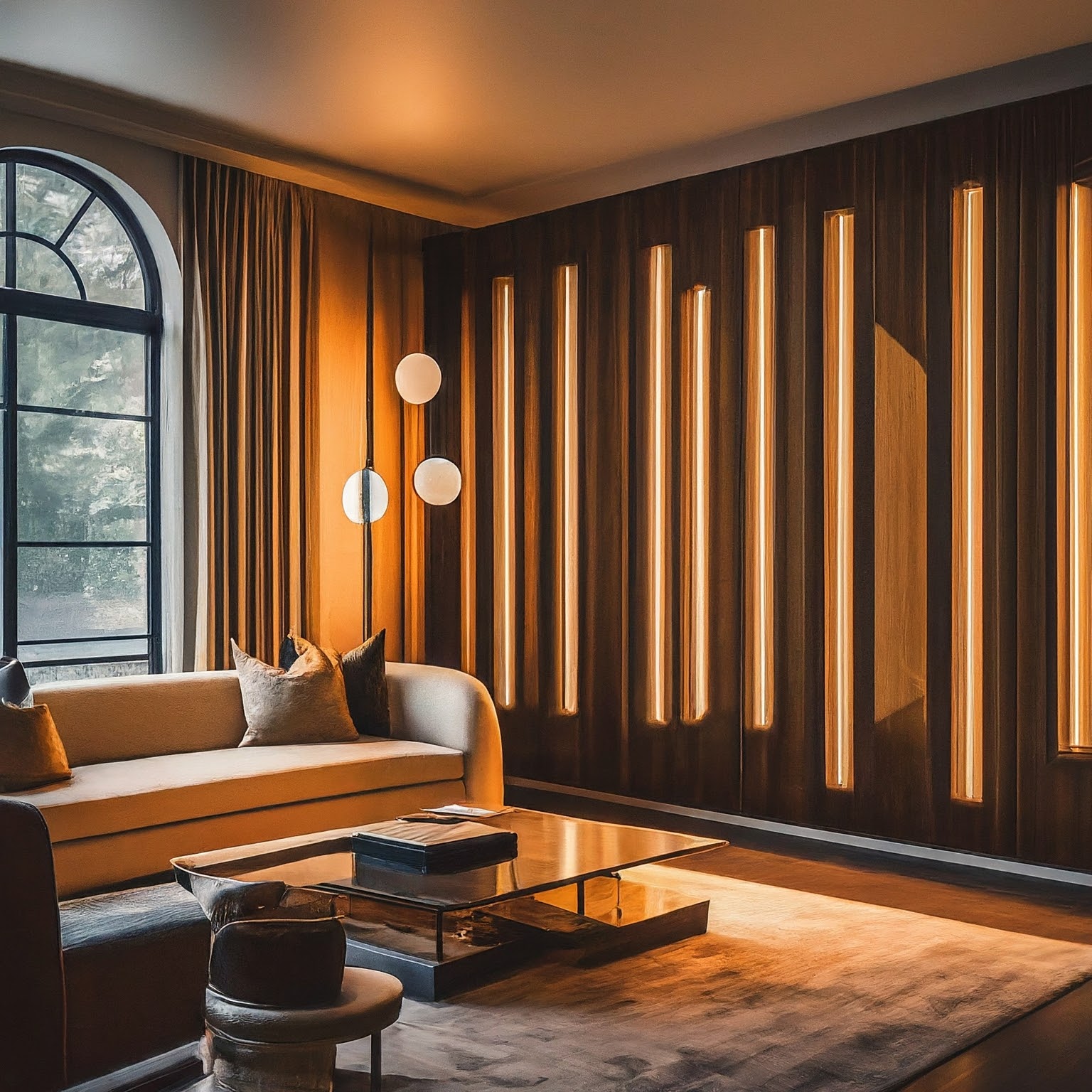
Ambient lighting can be achieved through various methods, including:
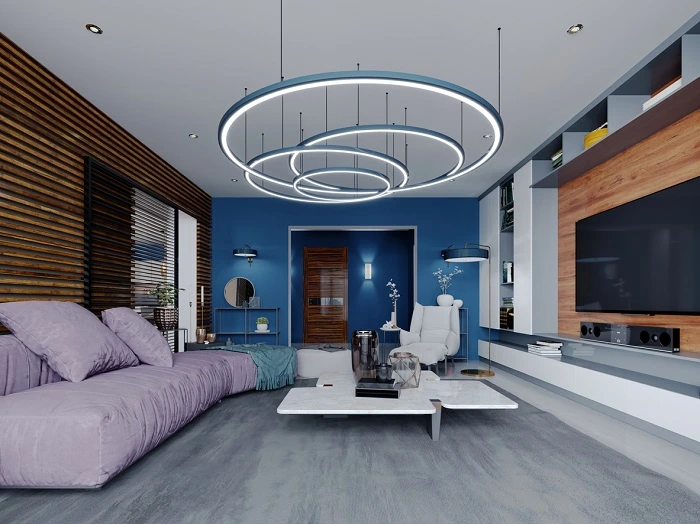
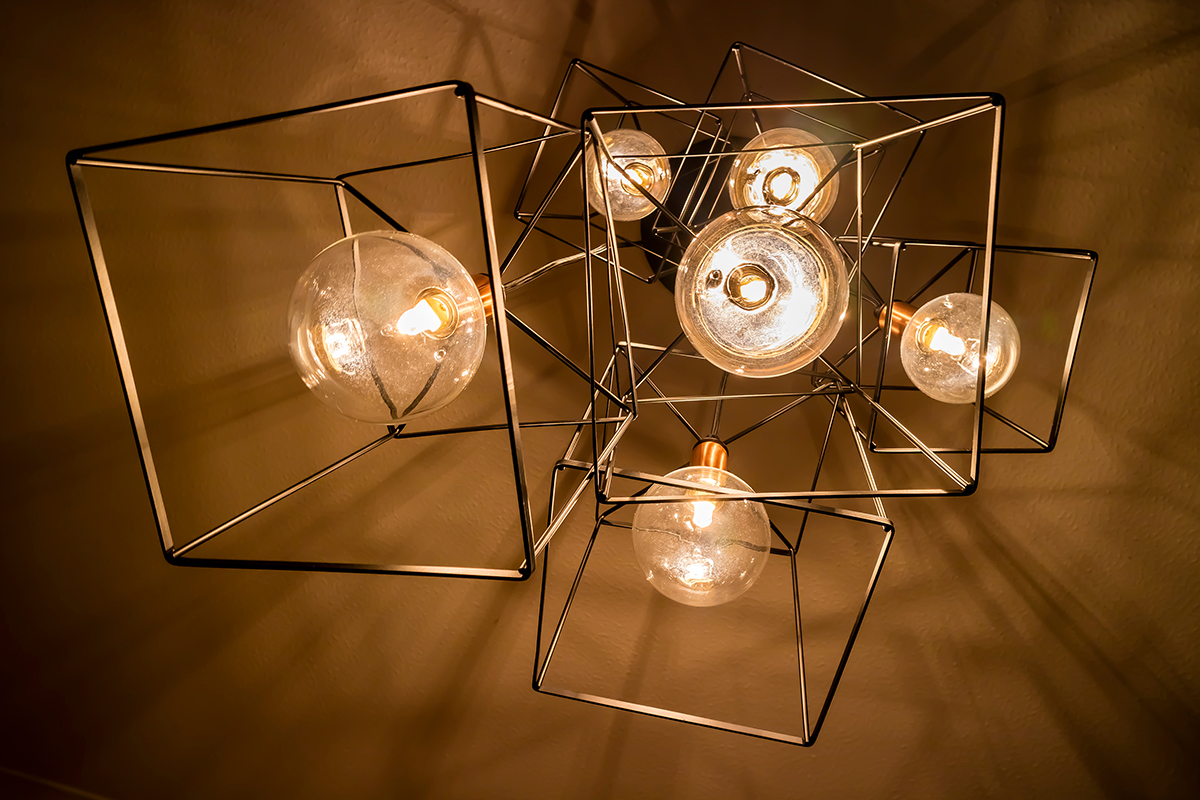
Ceiling lights: Installing ceiling lights or fixtures that provide general illumination can create a warm and inviting atmosphere.
Wall fixtures: Wall-mounted lights or sconces can provide ambient lighting and add visual interest to a room.
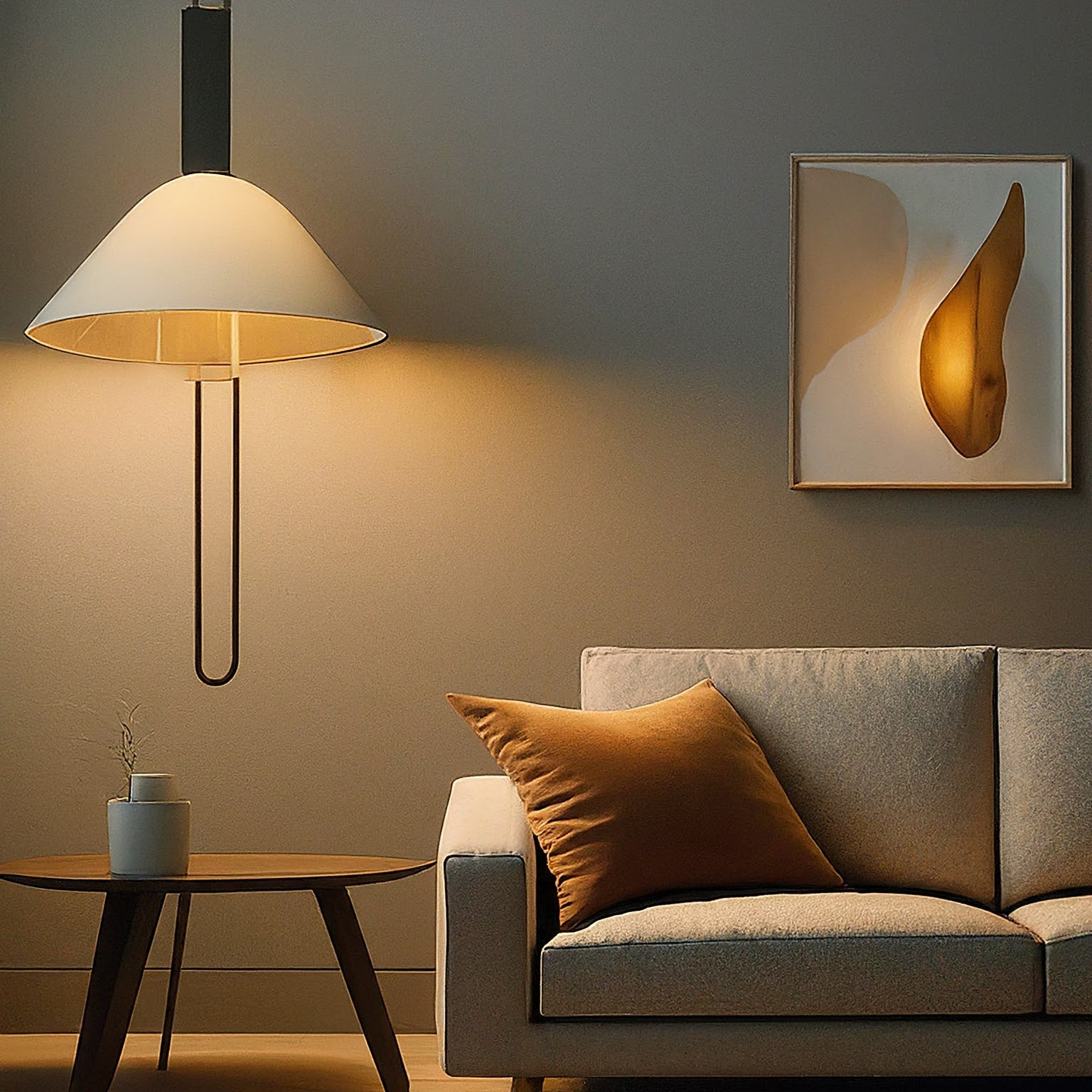
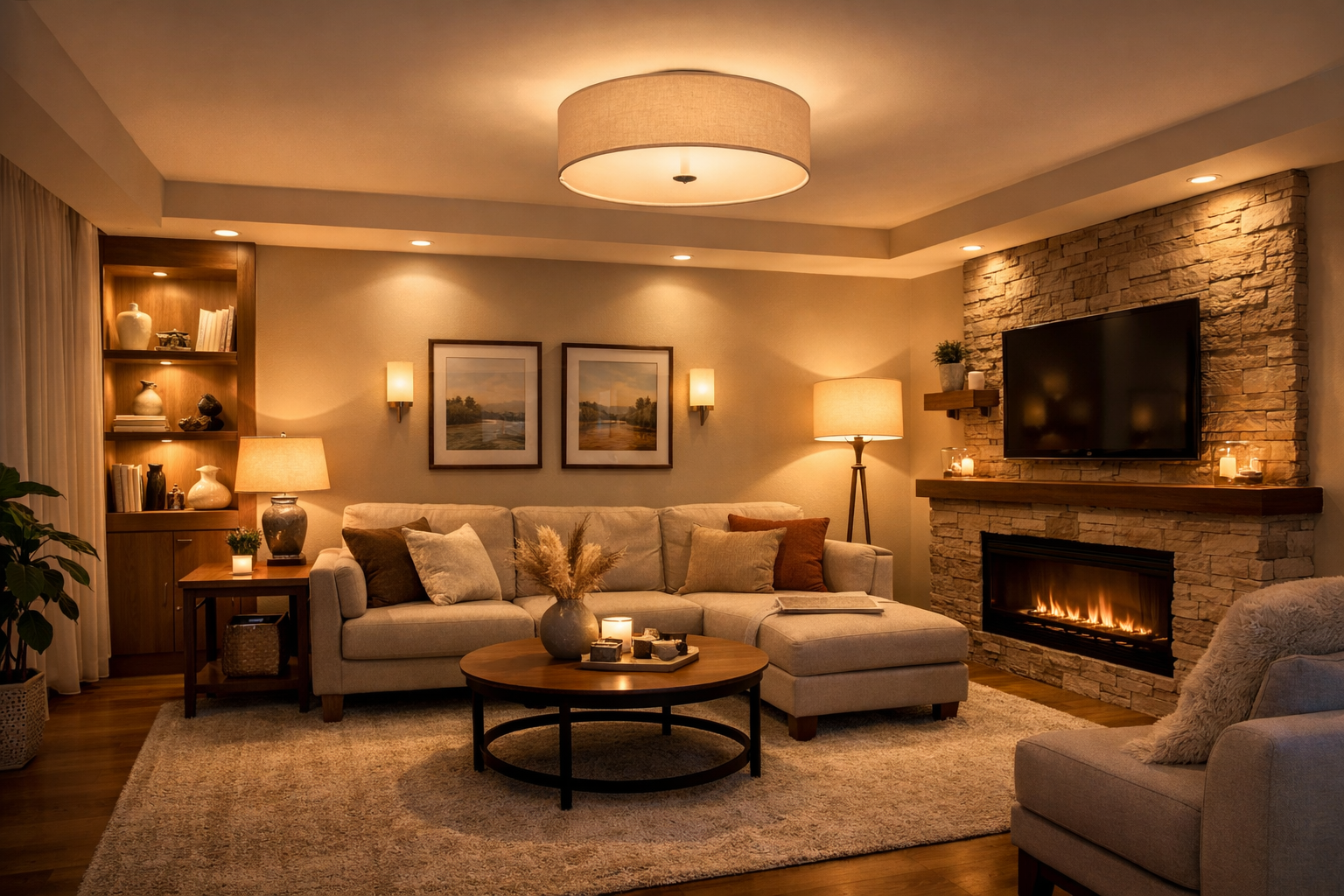
Floor lamps: Placing floor lamps in a room can create a cozy and intimate atmosphere, providing both ambient and task lighting.
How to Incorporate Ambient Lighting into Your Space
Incorporating ambient lighting into your space can be achieved through various methods, including:
Layering lighting: Combine multiple light sources to create a layered effect, providing both ambient and task lighting.
Using warm-toned lighting: Warm-toned lighting can create a cozy and inviting atmosphere, perfect for living rooms or bedrooms.
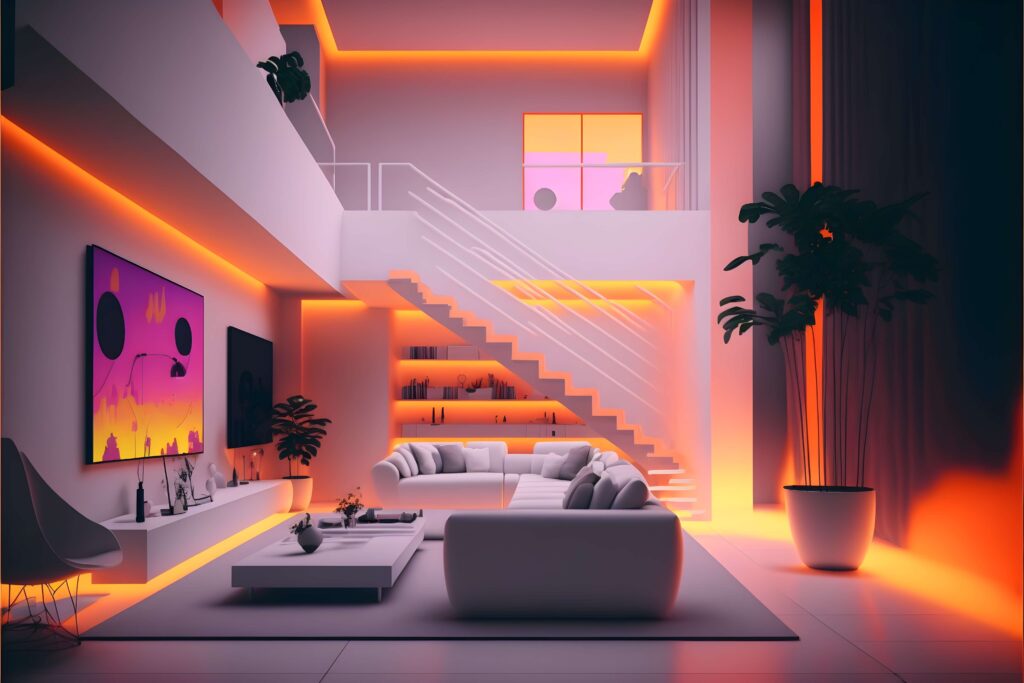
Experimenting with different light sources: Try using different light sources, such as LED strips or candles, to create a unique and ambient lighting effect.
Conclusion
Ambient lighting is a crucial aspect of any well-designed interior space. It provides general, overall illumination, creating a warm and inviting atmosphere. By understanding the types of ambient lighting, its benefits, and how to incorporate it into your space, you can create a comfortable and functional environment that meets your needs.