Boost Your Router Security with Expert Tips: Safeguard Your Home Network with Strong Passwords, WPA3 Encryption, VPNs, and More
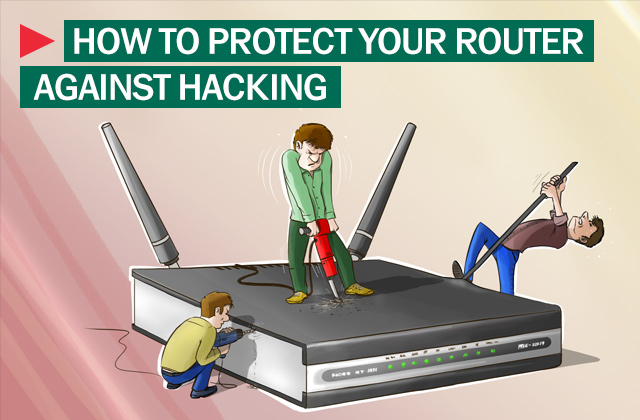
As we increasingly rely on wireless networks to connect our devices to the internet, ensuring the security of our routers becomes a top priority. A wireless router is the hub of your home network, connecting all your devices and safeguarding them against attacks from the internet. But with the rise of cyber threats, it's essential to implement robust wireless router protection methods to protect your network and sensitive information. In this article, we'll discuss the best practices to safeguard your wireless network, including strong passwords, WPA3 encryption, VPNs, and more.
Why You Should Secure Your Wi-Fi and Router
Many home and small office environments use a router as a gateway between the internet and your devices. Routers serve as a crucial layer of security, protecting your devices from unwanted attacks. However, if your router's security is compromised, your entire network is at risk. By securing your Wi-Fi and router, you can prevent hackers from snooping onto your network, stealing your data, and compromising your devices.
Wireless Router Protection Methods: Strong Passwords
The first step in securing your wireless router is to change the default password and create a strong, unique password. Avoid using easily guessable passwords, such as your name, birthdate, or common words. Instead, opt for a password that combines a mix of letters, numbers, and special characters. Use a password manager to generate and store complex passwords for your router and other devices.
- Change the default password: Ensure you change the default password supplied by the manufacturer.
- Use a strong password: Create a password that combines a mix of letters, numbers, and special characters.
- Use a password manager: Store complex passwords securely using a password manager.
Wireless Router Protection Methods: WPA3 Encryption
WPA3 is the latest security protocol designed to safeguard your Wi-Fi traffic. Upgrade to WPA3 encryption to ensure the highest level of security for your wireless network. WPA3 encryption uses individual data encryption keys for each device, providing a higher level of security compared to WPA2 or WEP.
- Upgrade to WPA3: Ensure your router supports WPA3 encryption for the highest level of security.
- Choose WPA3 for new devices: When setting up new devices, use WPA3 encryption to ensure compatibility and security.
Wireless Router Protection Methods: Virtual Private Networks (VPNs)
A Virtual Private Network (VPN) creates a secure, encrypted connection between your device and the VPN server. This ensures that all internet traffic is encrypted, protecting your data from interception by hackers or malicious actors. Consider using a VPN when accessing public Wi-Fi networks or when working remotely.
- Use a VPN: Consider using a VPN when accessing public Wi-Fi networks or working remotely.
- Choose a reputable VPN provider: Opt for a reputable VPN provider that offers strong encryption and secure servers.
Wireless Router Protection Methods: Regular Updates and Maintenance
Regularly update your router's firmware to ensure you have the latest security patches and features. Also, consider resetting your router periodically to clear any cached data and restore default settings.
- Regularly update your router's firmware: Ensure you have the latest security patches and features.
- Reset your router periodically: Clear cached data and restore default settings to maintain optimal performance.
Wireless Router Protection Methods: Securing Your Guests
Guest networks are convenient, but they can also pose a security risk if not properly configured. Create a password-protected guest network and a unique network name to prevent unwanted access to your network.
- Create a password-protected guest network: Prevent unwanted access to your network.
- Use a unique network name: Create a unique network name to identify your guest network.