Preventing Tech Neck: A Guide to a Healthier Spine
Are you tired of dealing with sore necks and upper back pain? If so, you're not alone. "Tech neck" is a modern condition that affects millions of people worldwide, caused by excessive screen time and poor posture. In this article, we'll explore the causes of tech neck, its effects on the body, and most importantly, provide practical tips on how to prevent and fix it.
What is Tech Neck?
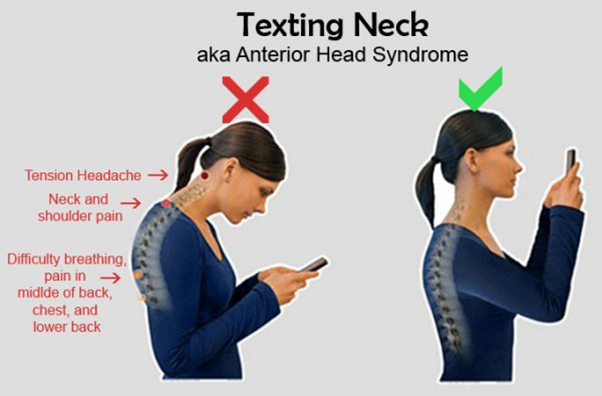
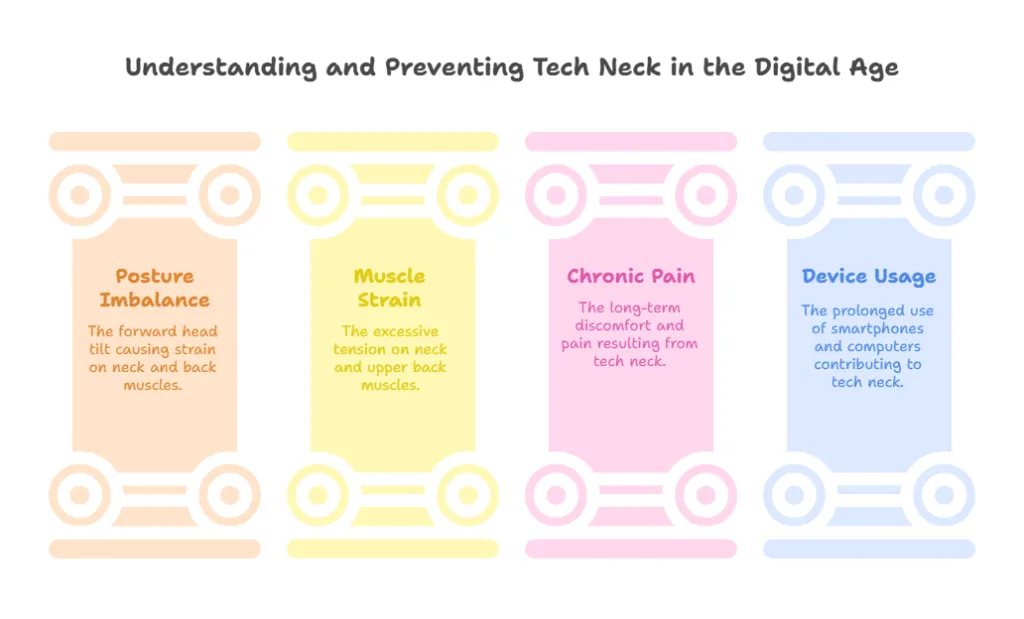
Tech neck is a term used to describe the forward head posture caused by using electronic devices such as phones, tablets, and computers. It's a common condition that can lead to neck and upper back pain, headaches, and even numbness in the arms and hands.
Causes of Tech Neck
There are several reasons why tech neck occurs:
- Excessive screen time: Constantly looking at screens for hours can lead to poor posture, muscle strain, and neck pain.
- Poor posture: Slouching or leaning forward while working on a computer or phone can put pressure on the spine and lead to discomfort.
- Weakened neck muscles: Weakness in the neck muscles can cause poor posture and increase the risk of tech neck.
- Other factors: Stress, lack of exercise, and inadequate sleep can also contribute to tech neck.
Effects of Tech Neck
Ignoring tech neck can lead to serious consequences, including:
- Chronic neck and upper back pain
- Tension headaches
- Numbness or tingling in the arms and hands
- Difficulty sleeping due to discomfort and pain
- Long-term damage to the spine
Ways to Prevent Tech Neck

Fortunately, there are many ways to prevent and alleviate tech neck:
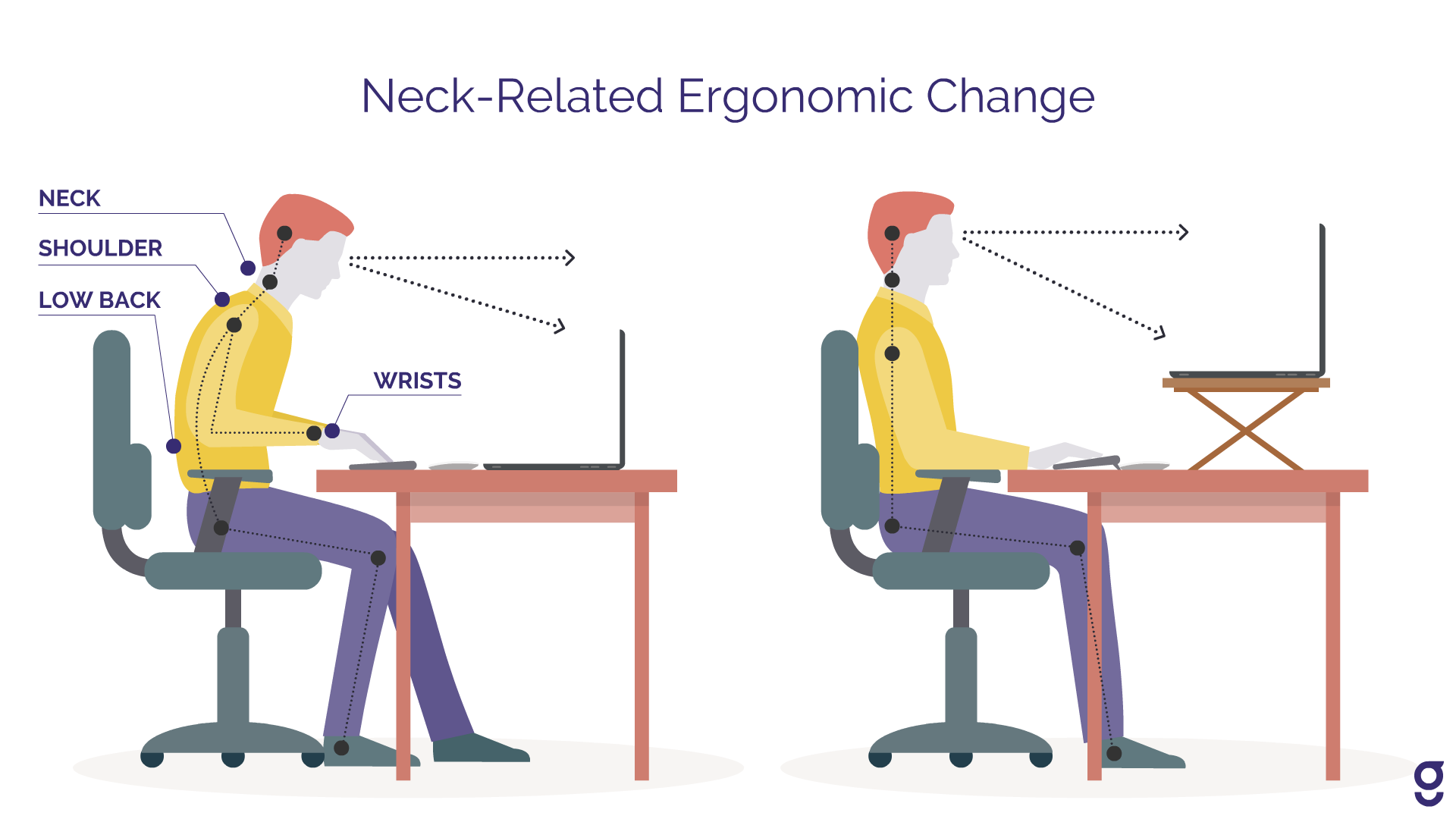
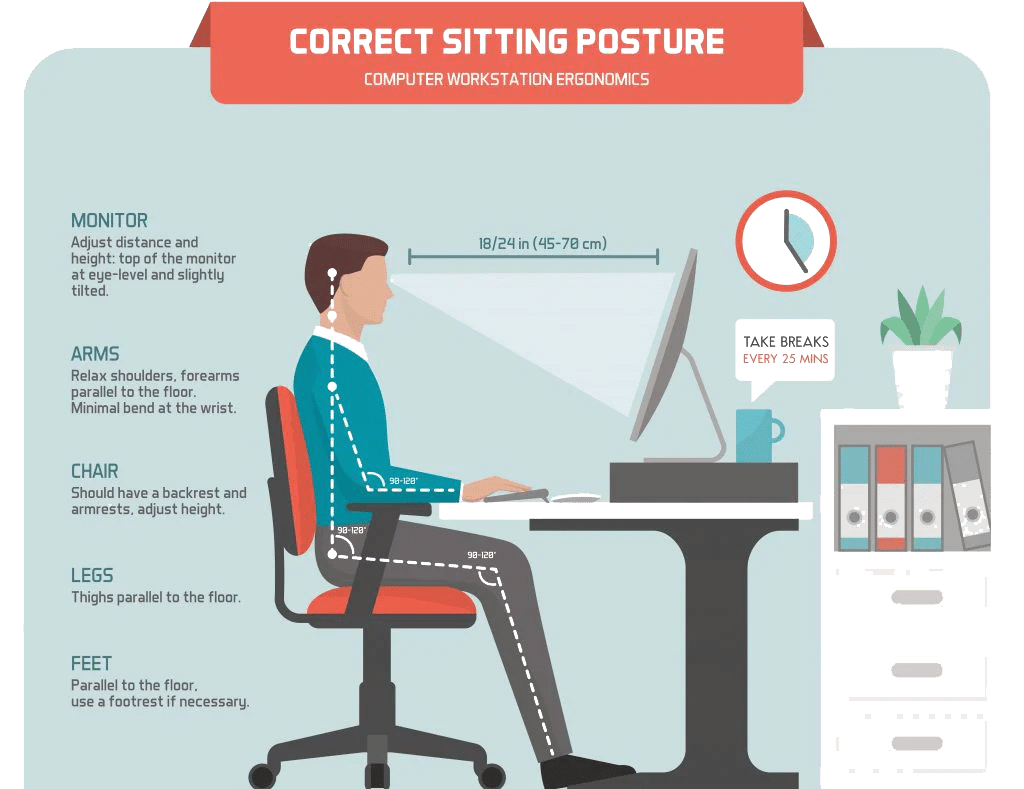
- Adjust Your Screen Height**: Keep your monitors at eye level and hold your phone or tablet up rather than down in your lap.
- Take Frequent Breaks**: Get up and stretch every 20-30 minutes to reduce muscle fatigue and improve posture.
- Strengthen Your Neck Muscles**: Engage in exercises that strengthen your neck muscles, such as shoulder rolls and chin tucks.
- Practice Good Posture**: Make a conscious effort to maintain good posture while working or using electronic devices.
- Take Care of Your Sleep**: Ensure you get adequate sleep and establish a relaxing bedtime routine to reduce stress and promote better posture.
- Exercise Regularly**: Engage in regular physical activity to reduce stress and improve overall health.
- Consider a Standing Desk**: Switch to a standing desk or alternating between sitting and standing throughout the day to reduce muscle fatigue and improve posture.
Exercises to Fix Tech Neck
Here are some simple exercises to alleviate tech neck:
- Chin tucks: Slowly tilt your head back and then forward, keeping your chin in line with your chest.
- Shoulder rolls: Roll your shoulders forward and backward to loosen and relax your neck muscles.
- Neck stretches: Slowly tilt your head to the side, bringing your ear towards your shoulder, and hold for 30 seconds.
- Upper back stretches: Place your hands behind your back and interlace your fingers, then lean back and stretch your upper back.
Conclusion
Preventing and fixing tech neck requires a combination of good posture, regular exercise, and mindful habits. By incorporating the tips and exercises outlined in this article, you can reduce your risk of tech neck and maintain a healthier spine.
Additional Resources
For more information on preventing and fixing tech neck, consult with a healthcare professional or consider visiting the following resources:
- WebMD: Tech Neck and Posture
- Mayo Clinic: Tech Neck and Neck Pain
- Spine-Health: Tech Neck and Spinal Health