Tylenol for Dogs with Anxiety: Is it Safe?
If you're a pet owner struggling to help your dog cope with anxiety or nervous behaviors, you're not alone. Anxiety can manifest in dogs in various ways, including panting, pacing, and destructive behavior. In this article, we'll explore the topic of Tylenol for dogs with anxiety and discuss whether it's a viable solution for managing your dog's anxiety.Is Tylenol Safe for Dogs?
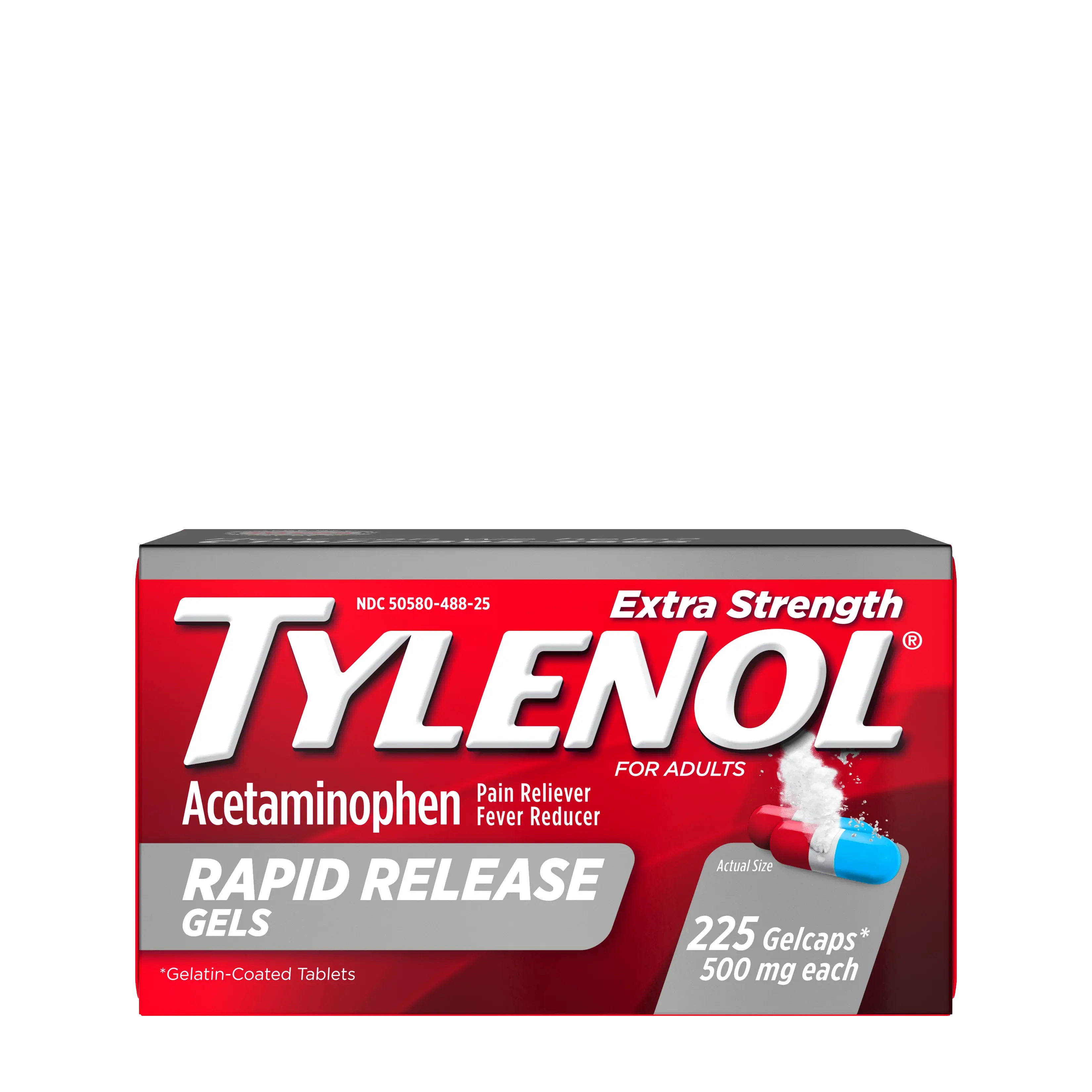
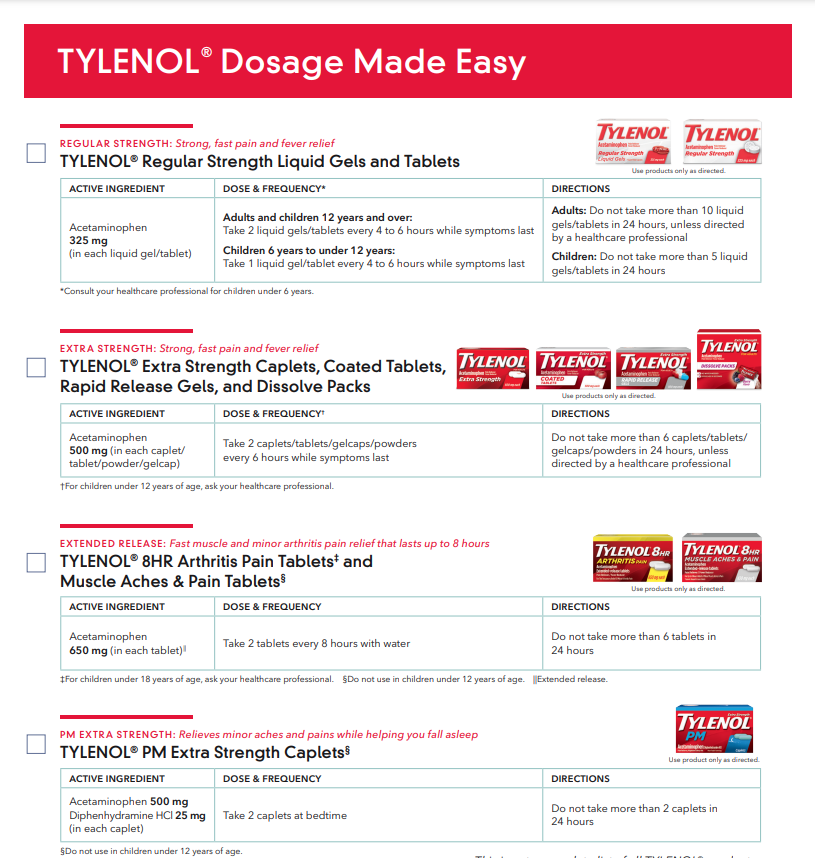
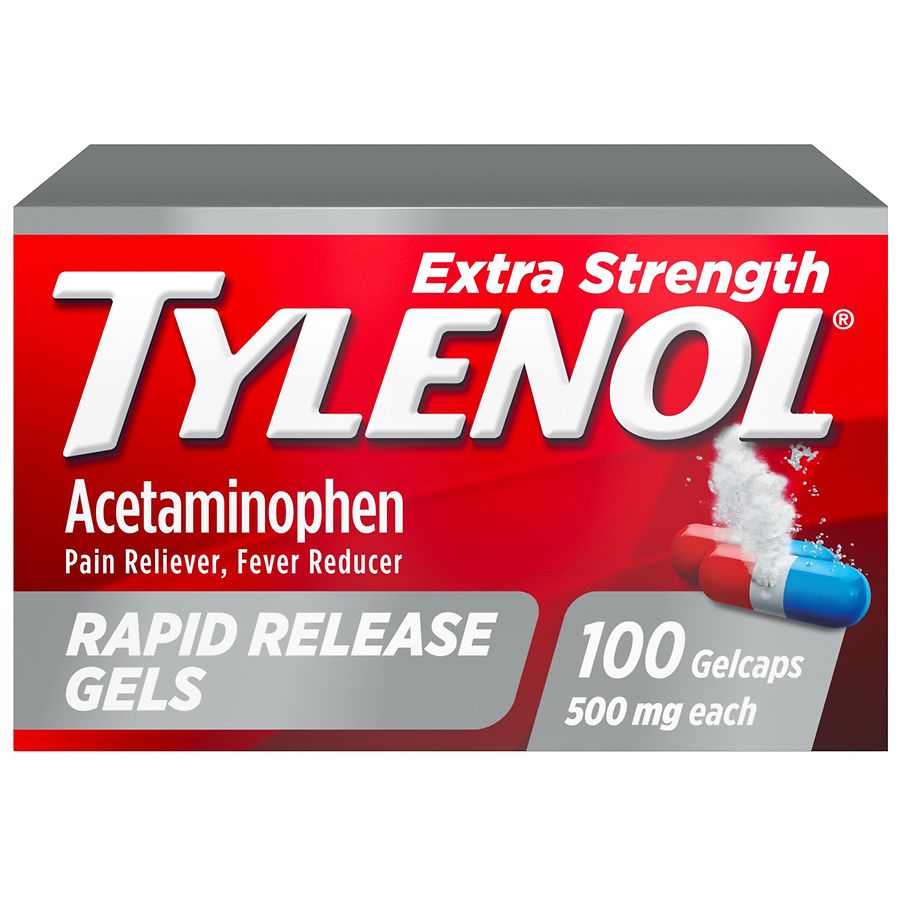
The short answer is no, Tylenol (acetaminophen) is not safe for dogs. While it may be a common pain reliever for humans, administering Tylenol to your dog can cause serious side effects, including liver damage, red blood cell toxicity, and even death. The risks associated with giving Tylenol to dogs far outweigh any potential benefits.Why is Tylenol Toxic to Dogs?
Acetaminophen, the active ingredient in Tylenol, is naturally eliminated from the body through urine in humans. However, dogs metabolize acetaminophen differently, which can lead to a buildup of toxic compounds in the liver. This can cause permanent liver damage, which may be irreversible.Signs of Tylenol Poisoning in Dogs
If you suspect your dog has ingested Tylenol, it's essential to remain calm and seek veterinary attention immediately. Common signs of Tylenol poisoning in dogs include:- Vomiting
- Diarrhea
- Abdominal pain
- Weakness or lethargy
- Yellowing of the skin and eyes (jaundice)
Alternatives to Tylenol for Anxiety in Dogs
Fortunately, there are safer and more effective alternatives to Tylenol for managing anxiety in dogs. Your veterinarian may recommend:- Prescription medications, such as benzodiazepines, antidepressants, or anti-anxiety medications
- Natural supplements, such as melatonin, chamomile, or L-theanine
- Behavioral modifications, such as training, exercise, and environmental enrichment
- Desensitization and counterconditioning techniques to help your dog cope with anxiety triggers