The Dopamine Loop Theory: Understanding the Psychological Cycle of Reward and Motivation
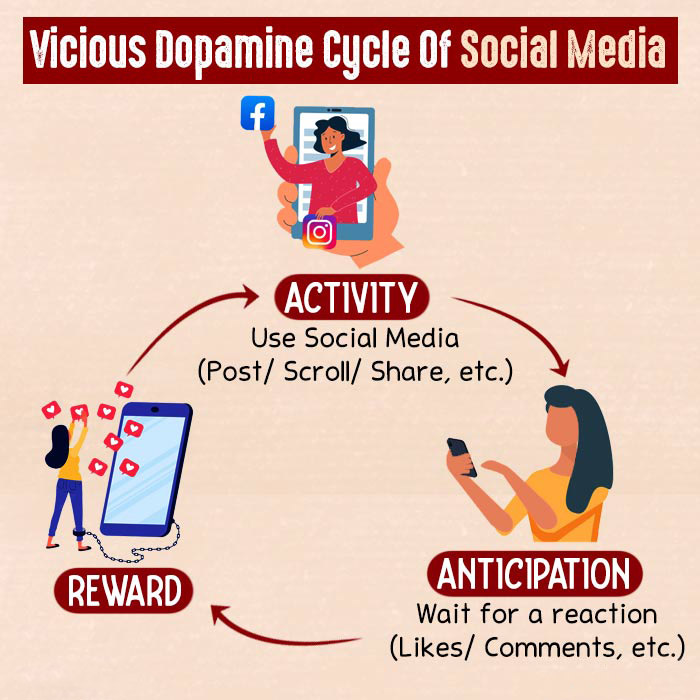
Have you ever found yourself endlessly scrolling through social media, each click and scroll feeding your desire for a dopamine rush? Or perhaps you're glued to a compelling video, incapable of pulling away? You're not alone. The dopamine loop theory explains the psychological mechanism behind these addictive behaviors, and it's time to understand how it affects your life.
What is the Dopamine Loop Theory?
The dopamine loop theory proposes that the brain's reward system, mediated by the neurotransmitter dopamine, is a self-perpetuating cycle of craving and satisfaction. When we engage in an activity that stimulates dopamine release, our brain associates that activity with pleasure and reward. This creates a feedback loop, where our brain craves more of the stimulus, reinforcing the behavior and eroding our ability to disengage.
Evolution of the Dopamine Loop Model
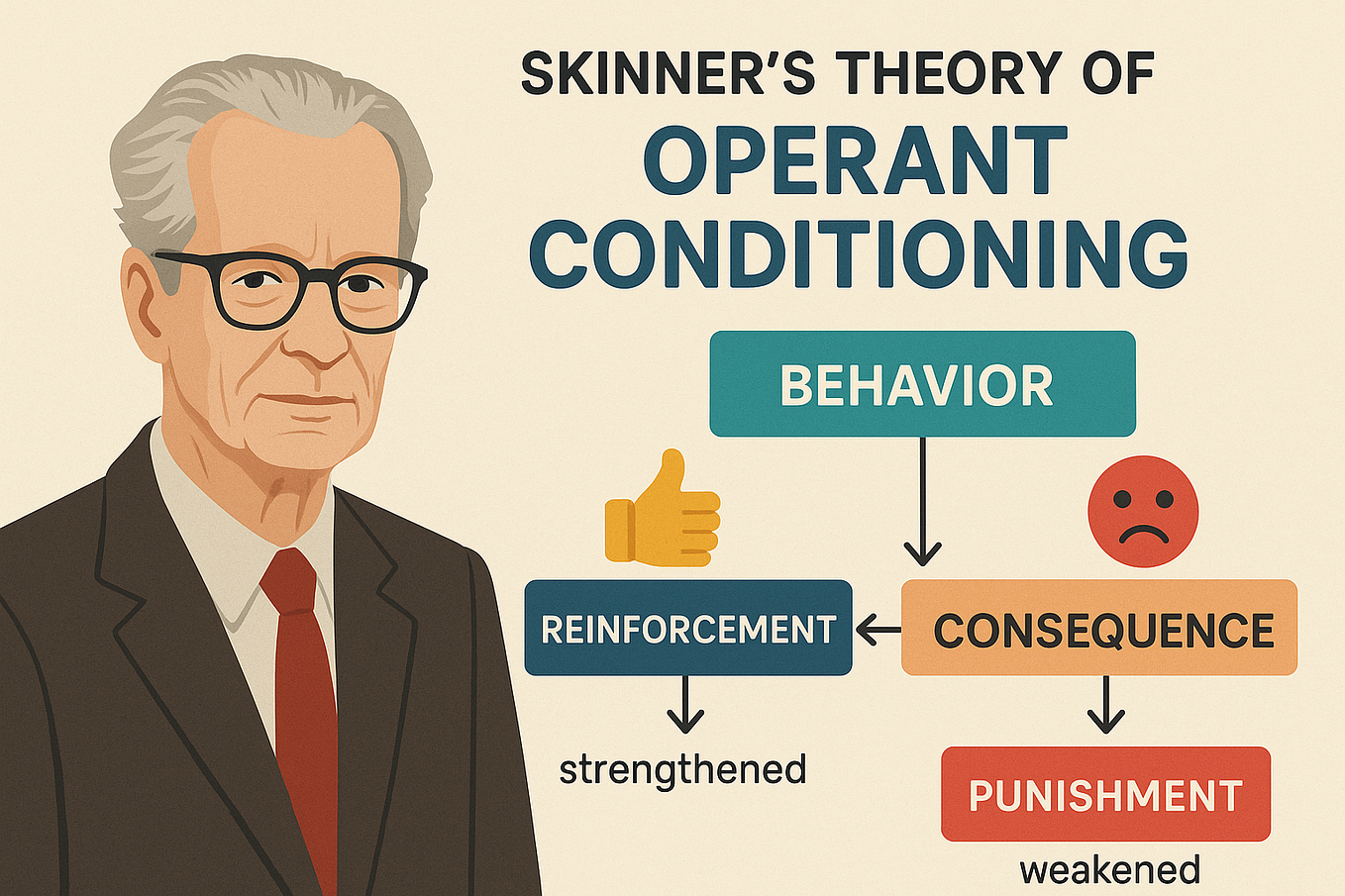
The dopamine loop model has been shaped by insights from behavioral psychology and learning theory. Classical conditioning, a concept introduced by Ivan Pavlov, suggests that associations between stimuli and behaviors can be learned. Operant conditioning, developed by B.F. Skinner, explains how rewards and punishments shape behavior. These concepts provide a framework for understanding how the brain's reward system, via dopamine, rewards desired behaviors.
How the Dopamine Loop Affects Behavior
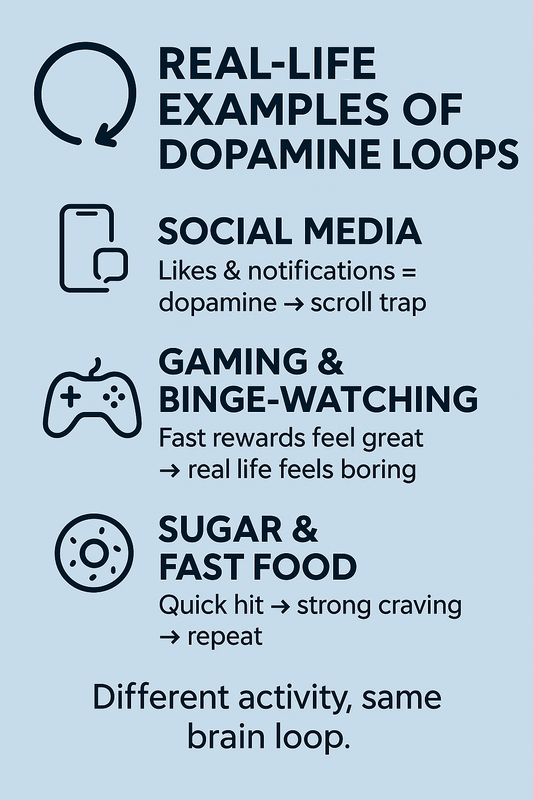
The dopamine loop's hyperactivity can lead to addictive behaviors, such as social media addiction, video gaming, or excessive eating. The repeated stimulation of the dopamine system creates a feedback loop, where our brain craves more and our ability to disengage weakens. This cycle is not unique to these behaviors but is a fundamental aspect of the brain's reward system.
Understanding the Brain's Reward System
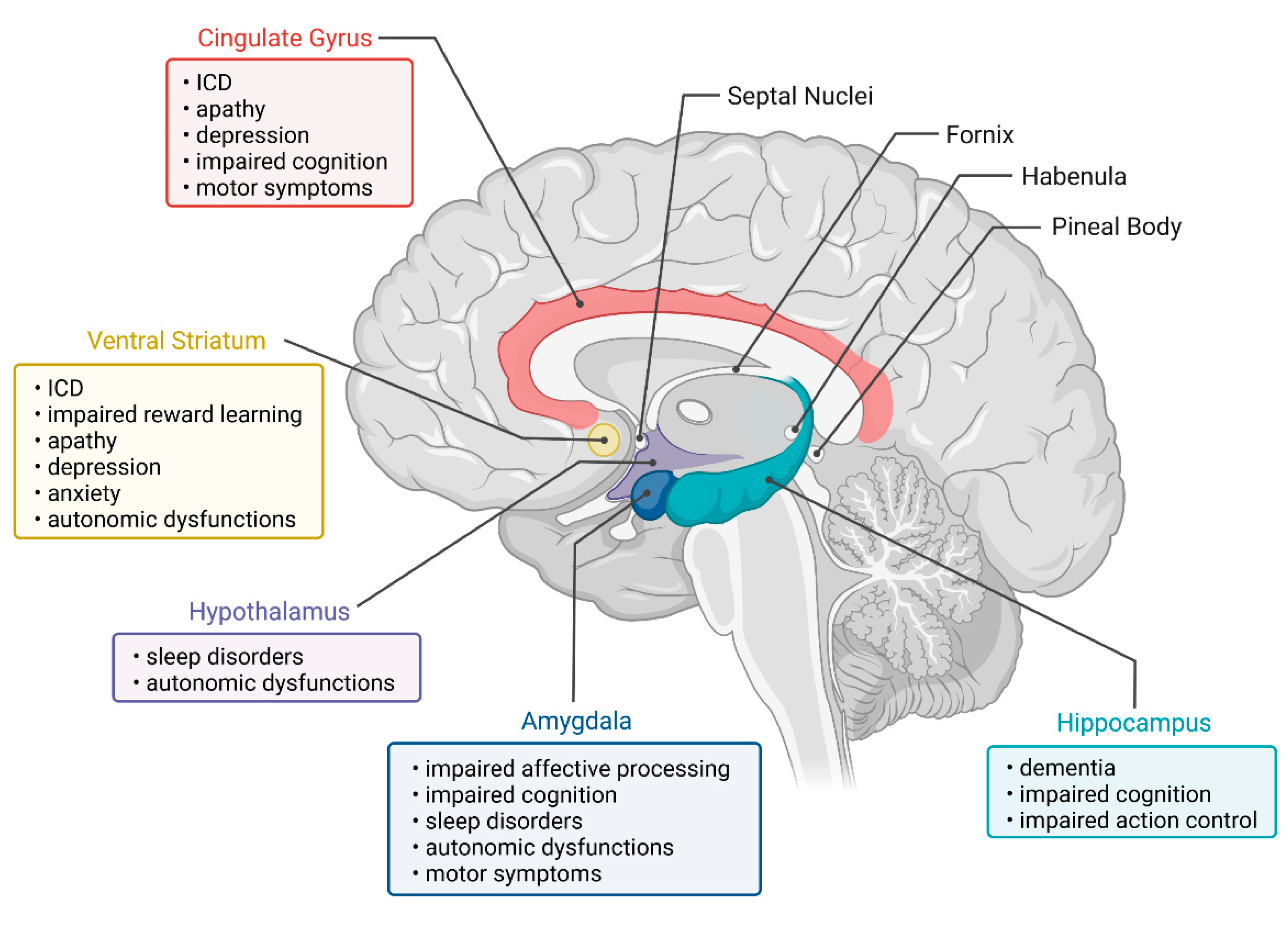
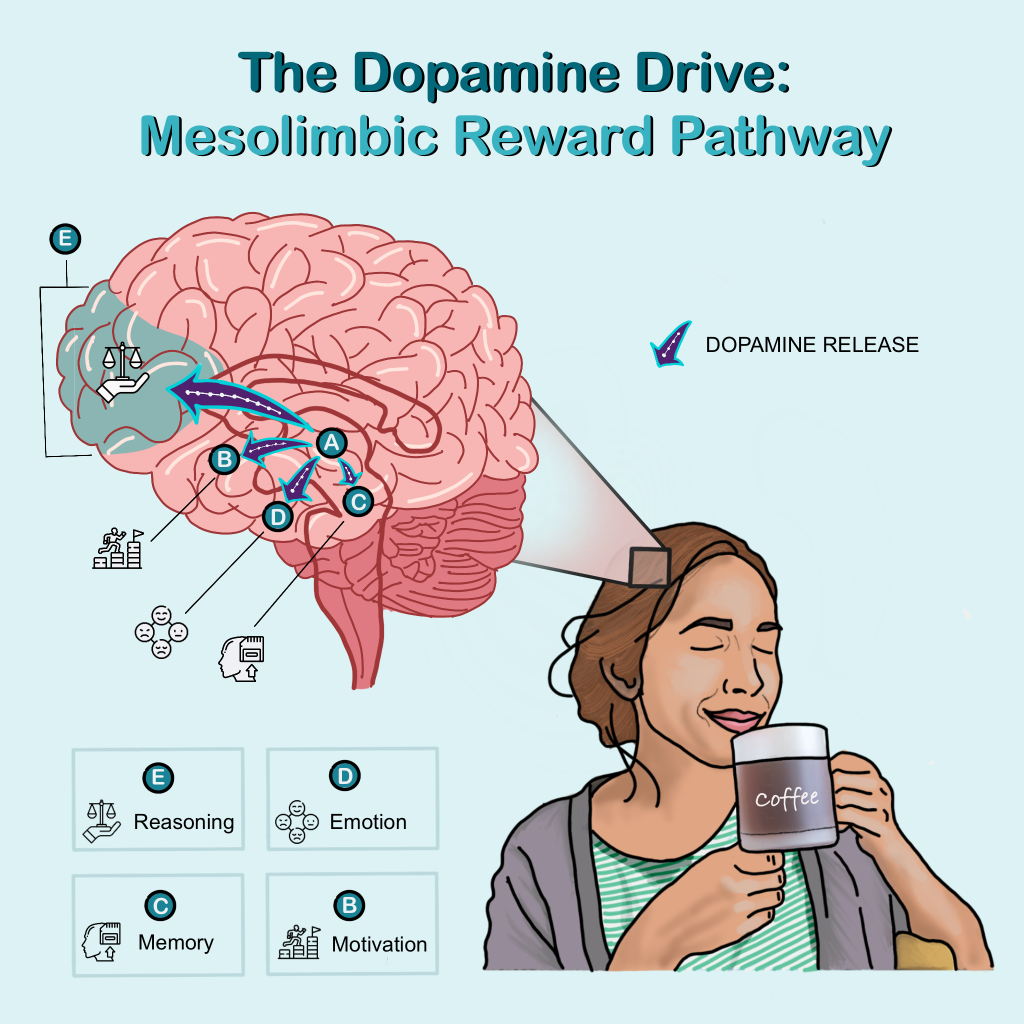
The dopamine system plays a crucial role in regulating motivation, reward, and pleasure. When we experience something pleasurable, our brain releases dopamine, reinforcing the behavior and encouraging repetition. Research suggests that the dopamine system consists of two main components: the ventral striatum, responsible for reward processing, and the prefrontal cortex, involved in decision-making and impulse control.
The Dopamine Loop in Real-Life Scenarios
Research has seen many real-life applications of the dopamine loop theory. For example, social media platforms, like TikTok and YouTube Shorts, rely on the dopamine loop to keep users engaged. The instant rewards and continuous notifications activate the brain's reward system, fostering a cycle of craving and satisfaction.
The Consequences of the Dopamine Loop
Chronic engagement in activities that stimulate the dopamine loop can have negative consequences, such as decreased productivity, strained relationships, and excessive screen time. Moreover, excessive dopamine release can lead to addiction, as seen in conditions like substance abuse or compulsive behavior.
Breaking the Dopamine Loop
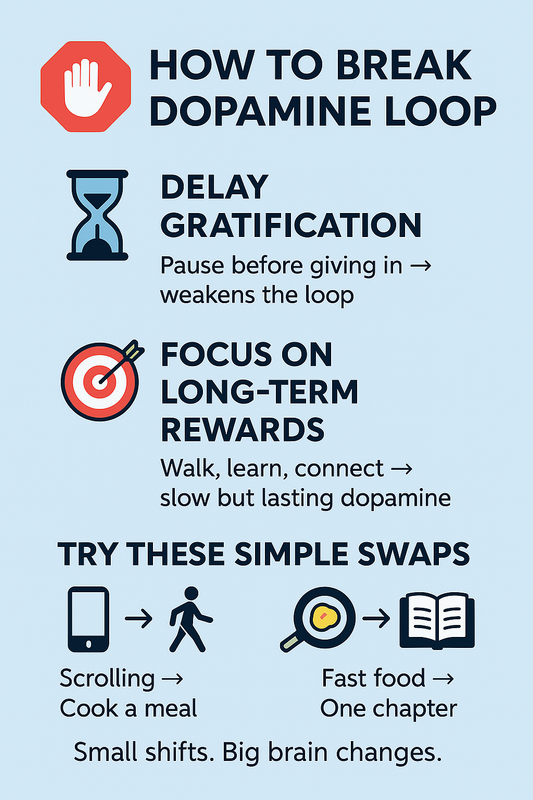
Fortunately, breaking the dopamine loop is possible. Recognizing the triggers and setting boundaries can help you regain control over your behavior. The goal is not to eliminate the pleasure and rewards system but to rewire your brain to associate activities with a sense of purpose and fulfillment rather than mere dopamine hits.
Conclusion
The dopamine loop theory is a fundamental principle in understanding the mechanisms driving our behavior and motivation. While the theory has far-reaching implications, it also provides a valuable framework for taking control of our actions and associated with rewards, promoting a healthier and more balanced lifestyle.