Exploring the Tech Addiction Statistics: A Growing Concern
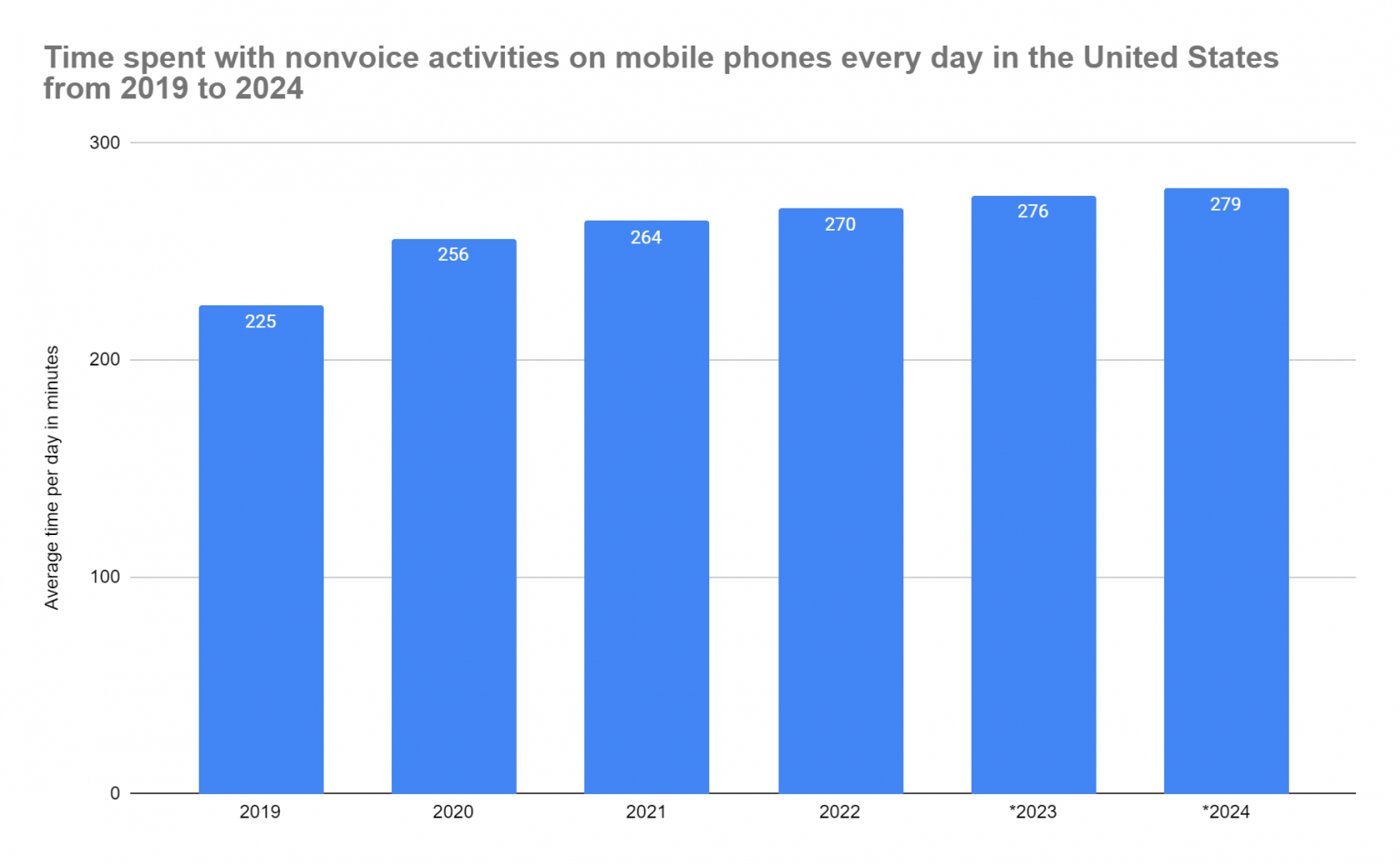
Technology has become an integral part of our daily lives, and it's hard to imagine a world without it. However, excessive technology use has become a significant concern, affecting our mental health, relationships, and productivity. In this article, we'll delve into the latest technology addiction statistics, highlighting the trends, impacts, and insights that reveal how technology affects our daily lives.The Prevalence of Tech Addiction
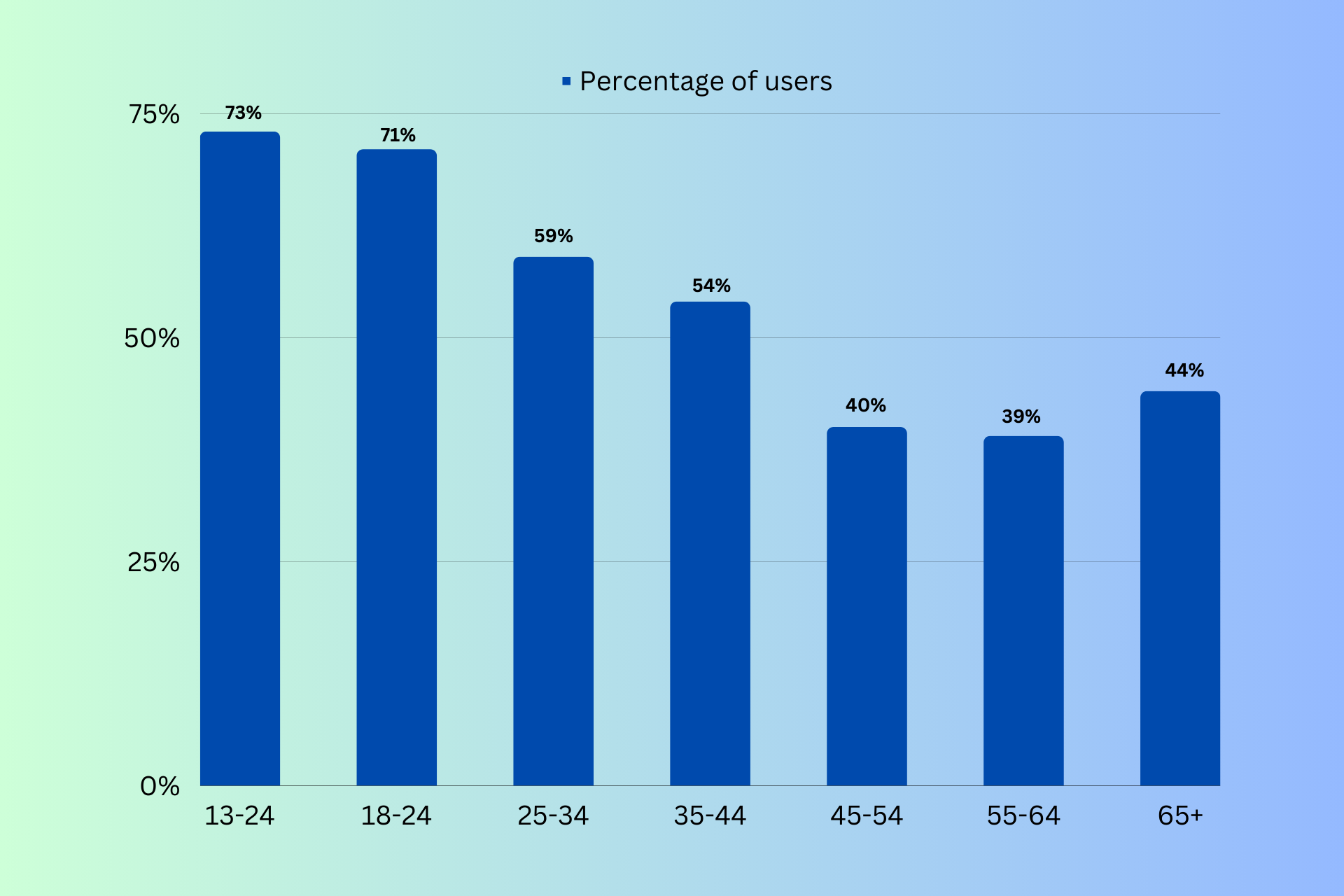
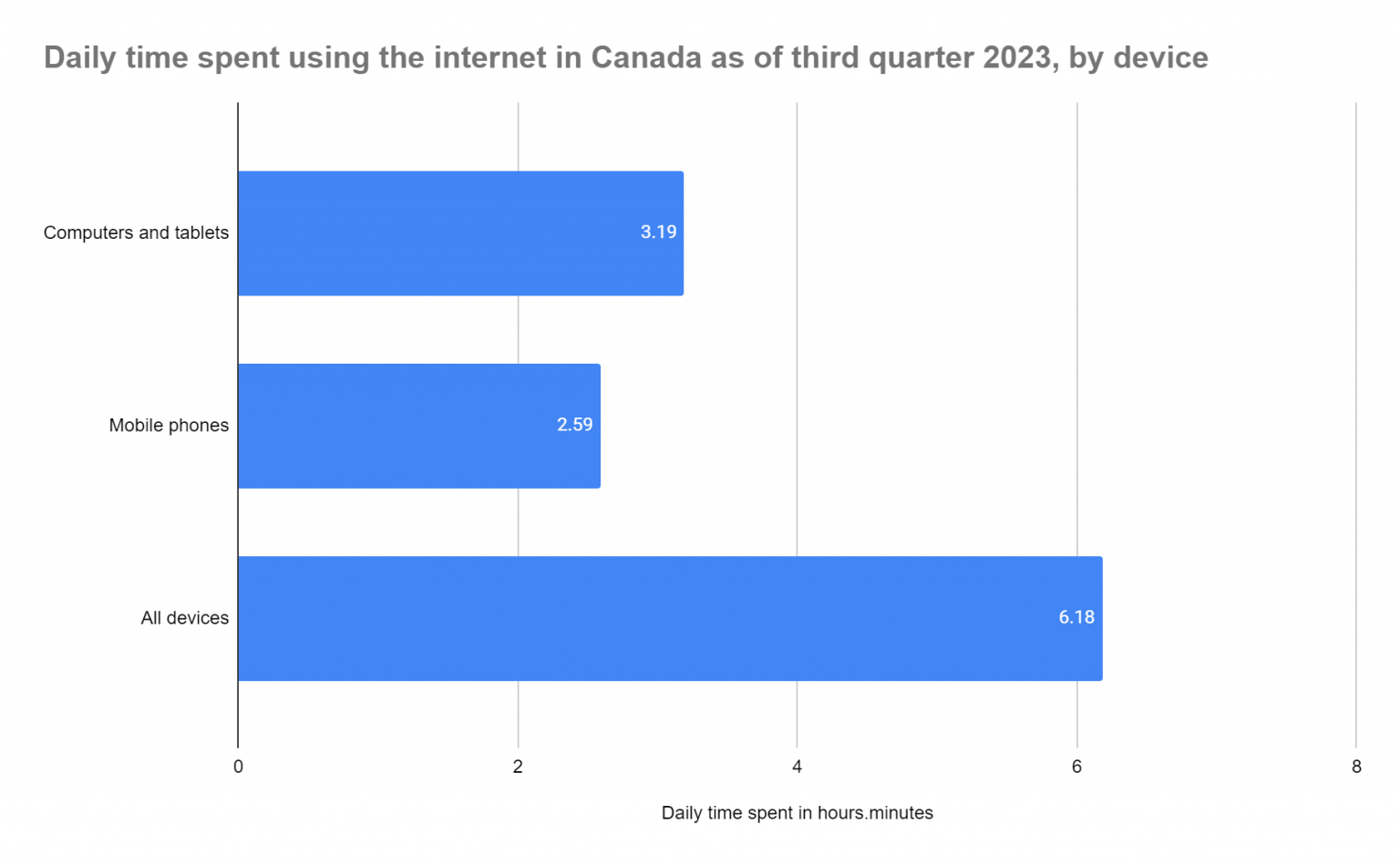
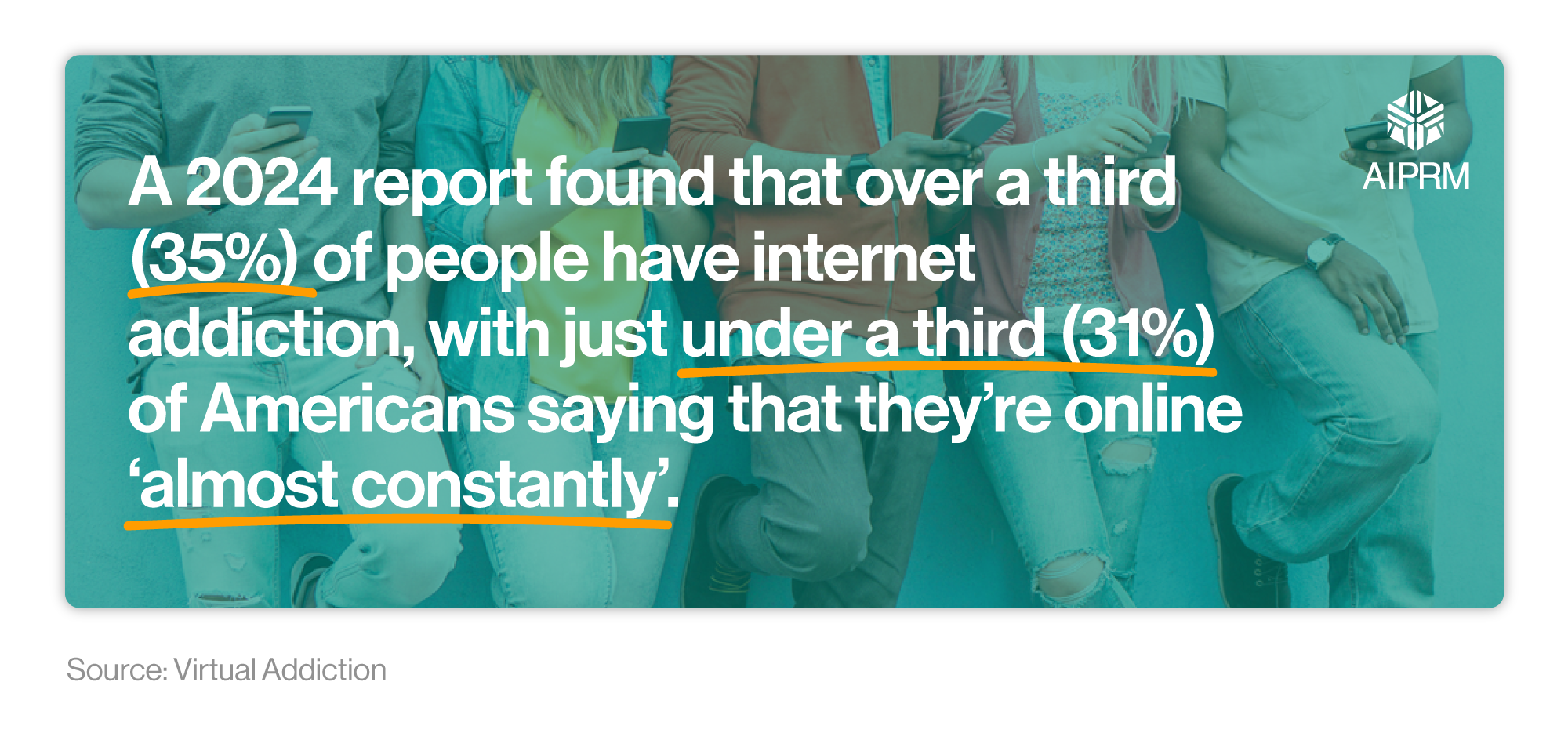
The statistics paint a grim picture of technology addiction's prevalence. According to a recent study, nearly 1 in 4 people shows signs of smartphone addiction, harming mental health and social connections. (1) In the United States, 85% of people go online daily, with significant variations across age groups. (2)Young Adults and Technology Addiction
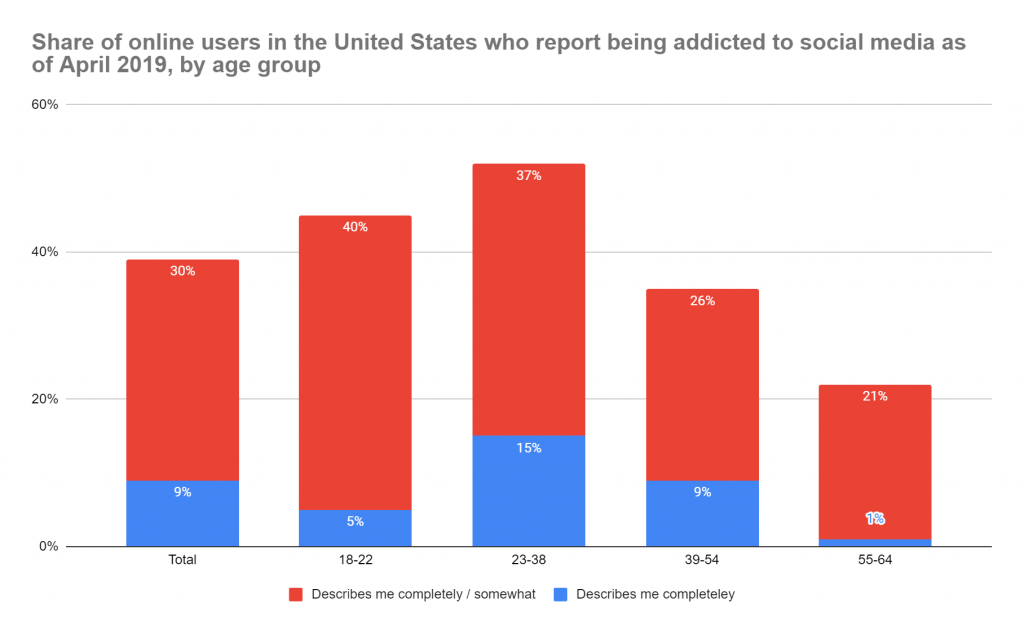
Researchers have increasingly recognized internet addiction as a critical public health and social issue. In a study published in 2022, 45% of internet users in the United States considered themselves addicted or somewhat addicted to digital devices. (3) Furthermore, a study aimed to examine the different latent profiles of technology addiction in young adults. The results showed that daily social network usage time, daily instant messaging usage time, and daily online gaming usage time were significant predictors of technology addiction. (4)Technology Addiction and Mental Health
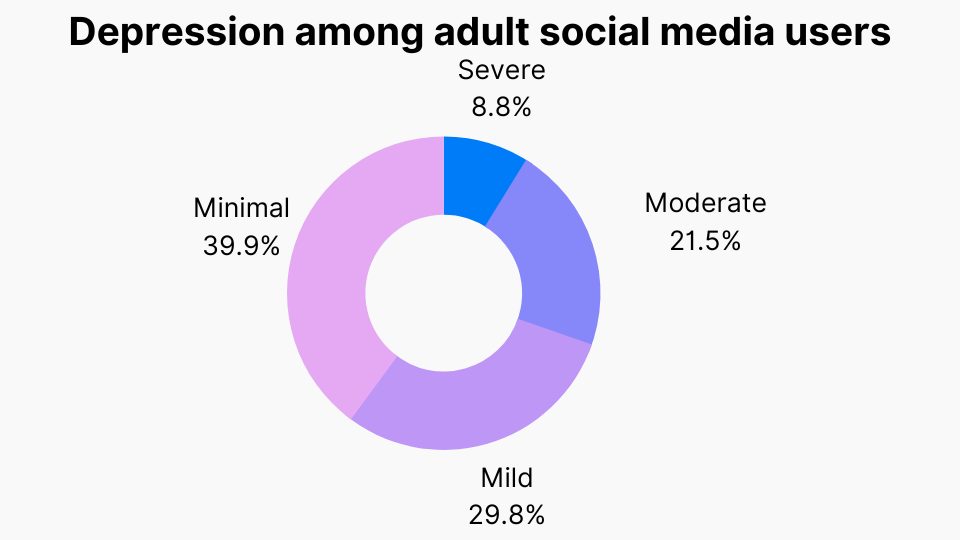
Excessive technology use has been linked to various mental health issues, including depression, anxiety, and sleep disorders. According to a study published in 2024, technology addiction was associated with increased symptoms of depression and anxiety in teenagers. (5) Furthermore, research suggests that technology addiction can lead to social isolation, which can exacerbate mental health issues.Technology Addiction and Relationships