Smart Phone Phantom Vibration: Why You Feel Your Phone Buzzing When It Isn't
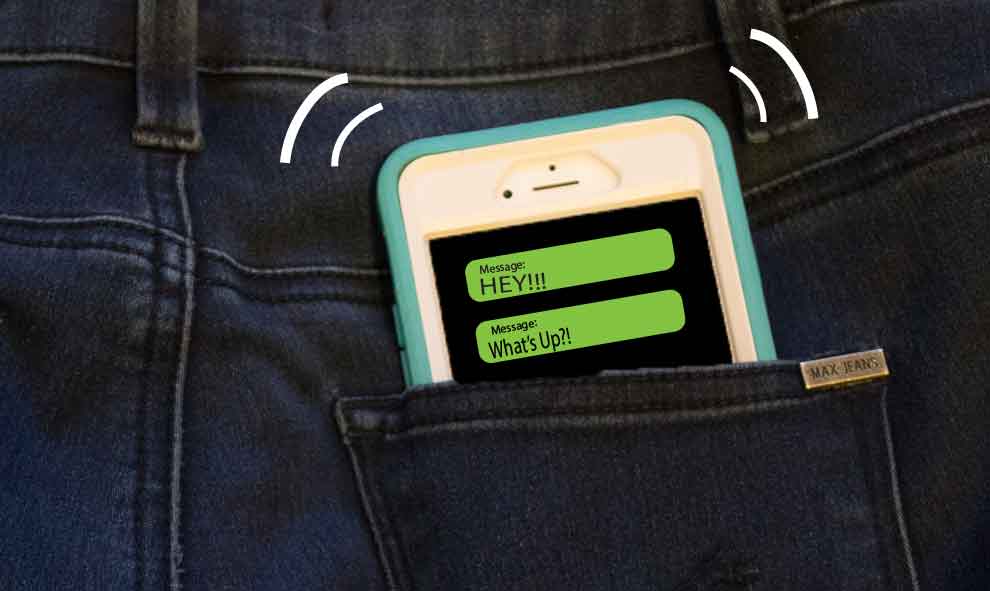
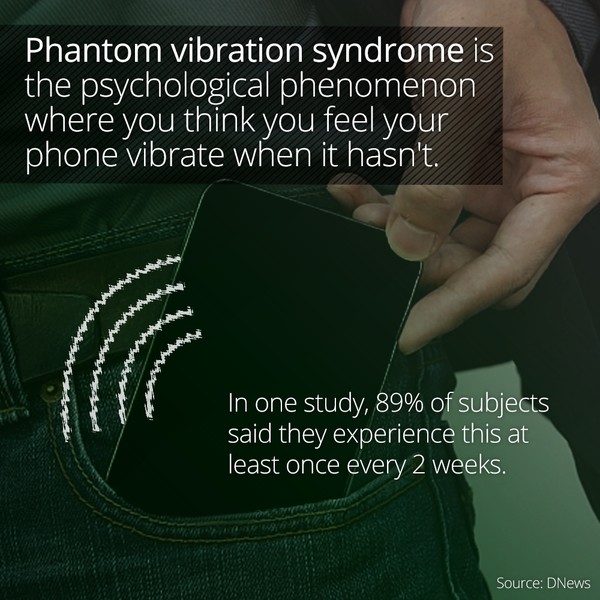
Have you ever experienced the sensation of feeling your phone vibrate against your body, only to reach for it and find that it hasn't actually made a sound? If so, you're not alone. Millions of people around the world have reported experiencing the phenomenon of "smart phone phantom vibration," where the brain mistakenly interprets a sensation as a phone vibration, even when there is no incoming call or message to justify it.
The Neuroscience Behind Smart Phone Phantom Vibration
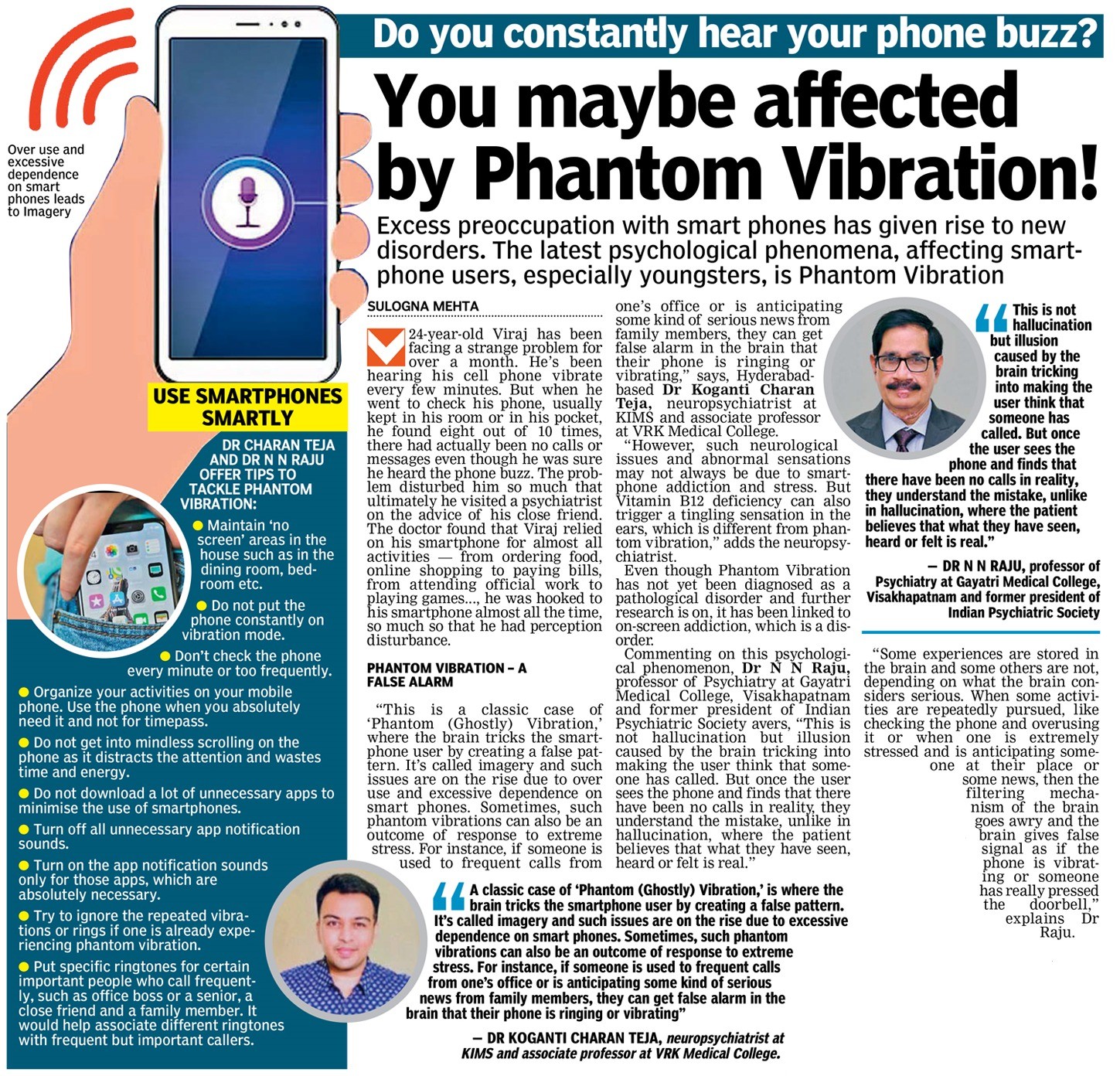
The exact cause of phantom vibration syndrome is not yet fully understood, but research suggests that it is closely tied to our increasing reliance on smart phones and other digital devices. Studies have shown that people who spend more time on their phones are more likely to experience phantom vibrations, and that those who are more anxious or stressed are more prone to misinterpreting sensations as phone vibrations.
Imprecise skin sensors: One theory is that the sensors in modern phones are not always accurate in determining whether or not the phone is vibrating.
Stress and tech overuse: Another theory is that excessive phone use and stress can put the brain in a state where it is more prone to misinterpreting sensory input.
Sensory misinterpretation: The brain may misinterpret muscle spasms, clothing movement, or nerve firings as phone vibrations due to habit and expectation.
Consequences of Phantom Vibration Syndrome
While phantom vibration syndrome is not considered a serious medical condition, it can be a sign of a deeper issue with our relationship with technology. In some cases, this phenomenon can be a warning sign for anxiety, depression, or other mental health concerns. If left unmanaged, these underlying issues can worsen and potentially lead to more serious psychiatric problems.

How to Stop Phantom Vibration Syndrome
Fortunately, there are several strategies that can help alleviate phantom vibration syndrome. Some of these include:
Turning off the vibration feature: Disabling the phone's vibration feature may help reduce the likelihood of misinterpreting sensations as phone vibrations.
Setting boundaries with phone use: Reducing phone use and taking regular breaks from the device can help reduce the brain's reliance on sensory input from the phone.
Practicing mindfulness and self-awareness: Recognizing when the brain is misinterpreting sensations as phone vibrations and engaging in self-care activities, such as deep breathing or meditation, may help alleviate symptoms.
Conclusion
Smart phone phantom vibration syndrome is a surprisingly common phenomenon that can be a sign of a deeper issue with our relationship with technology. By understanding the neuroscience behind it and implementing strategies to alleviate it, we can work towards a healthier and more positive relationship with technology.
Whether you're someone who experiences phantom vibrations regularly or just someone who wants to stay informed, this guide has provided you with a comprehensive overview of the phenomenon and its potential causes and consequences. By taking control of your phone use and staying mindful of your experiences, you can start to reduce the likelihood of phantom vibration syndrome and live a more productive and stress-free life.






 "The Phone That Wasn't There: 11 Things You Need to Know About Phantom ...")