Phantom Vibration Phobia: Understanding the Modern-Day Oddity
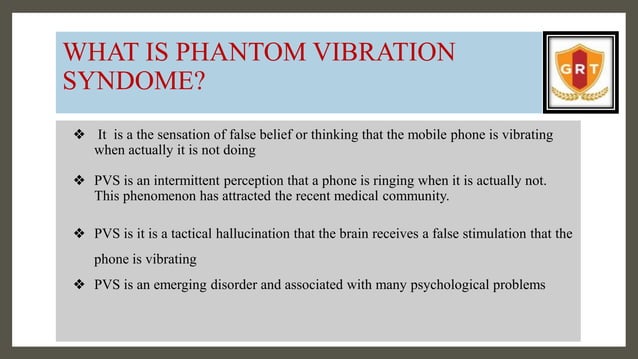
Have you ever felt your phone buzzing in your pocket, only to realize it's just your mind playing a trick on you? If so, you're not alone. Phantom Vibration Phobia, also known as Phantom Vibrations Syndrome or Phantom Ringing Syndrome, is a phenomenon where people perceive their mobile phone vibrating or ringing when it's actually not. This sensation can be maddening, and for many, it's become a daily occurrence.
What is Phantom Vibration Phobia?
Phantom Vibration Phobia is a type of hallucination reported among mobile phone users in the general population. The term was first coined in 2012, and since then, a plethora of studies have endeavored to understand the causes and consequences of this phenomenon. According to a survey conducted in 2012, 89% of the 290 undergraduates in the sample had experienced Phantom Vibrations at least once a week, with some experiencing them as frequently as every two days.
Causes of Phantom Vibration Phobia
So, what triggers Phantom Vibration Phobia? Researchers point to various factors contributing to this phenomenon, including:
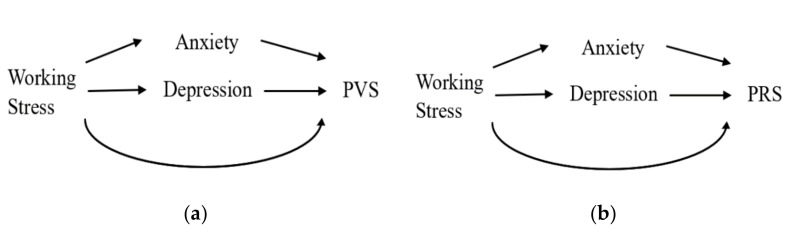
- Stress and Anxiety: Excessive stress and anxiety can lead to heightened senses, making us more prone to misinterpret sensations.
- Memory and Habit Formation: Our brains are wired to recognize patterns, which can lead to false positives, making us perceive our phone as vibrating when it's not.
- Expectation and Anticipation: With our constant need to feel connected, we develop an expectation that our phone will vibrate or ring, leading to a false sense of alertness.
- Neurological Basis: Research suggests that Phantom Vibration Phobia may be linked to an overactive brain, specifically the amygdala, which processes emotions, and the primary auditory cortex, responsible for processing sound.
Symptoms of Phantom Vibration Phobia
Phantom Vibration Phobia can manifest in various ways, including:
- Physical sensations: Feeling like your phone is vibrating or ringing when it's not.
- Mental states: Anxiety, restlessness, and feelings of discomfort.
- Behavioral responses: Frequent checking of the phone, excessive concentration on the phone's presence, and inevitable feelings of frustration.
Complications of Phantom Vibration Phobia
While Phantom Vibration Phobia may seem harmless, it can have serious consequences if left unaddressed. Some potential complications include:
- Worsening of mental health: Anxiety, stress, and hypervigilance can deteriorate into serious psychiatric issues, such as depression and anxiety disorders.
- Strained relationships: Phantom Vibration Phobia can lead to decreased productivity, mood swings, and irritability, affecting personal and professional relationships.
- Impact on daily life: The anxiety and frustration caused by Phantom Vibration Phobia can hinder daily activities, work, and overall well-being.
Strategies to Manage Phantom Vibration Phobia
If you're experiencing Phantom Vibration Phobia, there are several ways to mitigate its effects:
- Reduce Screen Time: Limit your phone use, taking regular breaks to reduce exposure to digital stimuli.
- Manage Anxiety: Practice relaxation techniques, such as meditation, yoga, or deep breathing exercises, to calm the mind and reduce stress.
- Identify Triggers: Recognize patterns and situations that contribute to Phantom Vibration Phobia and take steps to avoid or manage them.
- Set Boundaries: Establish clear boundaries around phone use, ensuring that you're only checking your phone when necessary.
Conclusion
Phantom Vibration Phobia is a modern phenomenon that demands attention and understanding. By recognizing the causes, symptoms, and complications of this condition, we can take the first steps toward managing and mitigating its effects. By doing so, we can reclaim our focus, reduce anxiety, and enhance our overall well-being in an increasingly digital world.