Managing Distractions in a Team Environment: Strategies for Success
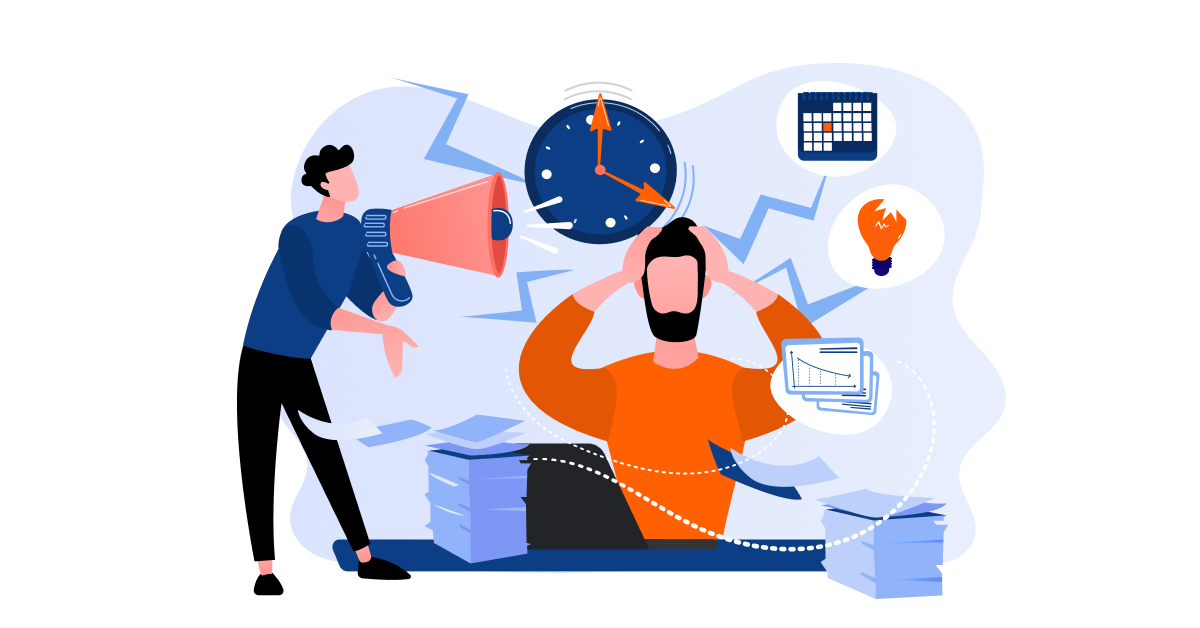
In today's fast-paced and interconnected work environment, managing distractions can be a challenging task for both employees and team leaders. However, optimizing team performance and minimizing distractions is crucial for achieving goals and maintaining productivity. As a leader, understanding the specific challenges your team faces and providing a supportive environment is key to setting the foundation for effective teamwork.
The Importance of Minimizing Distractions
Distractions can hinder productivity, impede progress, and ultimately stall the achievement of goals. According to research, it can take up to 23 minutes to regain focus after a single distraction, significantly impacting overall productivity. Therefore, identifying and effectively managing distractions in a team environment is essential.
Common Distractions in the Workplace
Often, workplace distractions can be categorized into two main types: internal and external. Internal distractions include factors such as multitasking, procrastination, and self-doubt, while external distractions encompass factors such as meetings, emails, social media, and colleagues' nonverbal cues. To effectively manage distractions, it's crucial to understand the specific distractions your team faces.
Strategies for Managing Distractions
Organizations can play a pivotal role in minimizing distractions in the workplace. By implementing strategies such as:
- Designing physical and digital spaces that minimize distractions
- Providing training to improve self-management skills
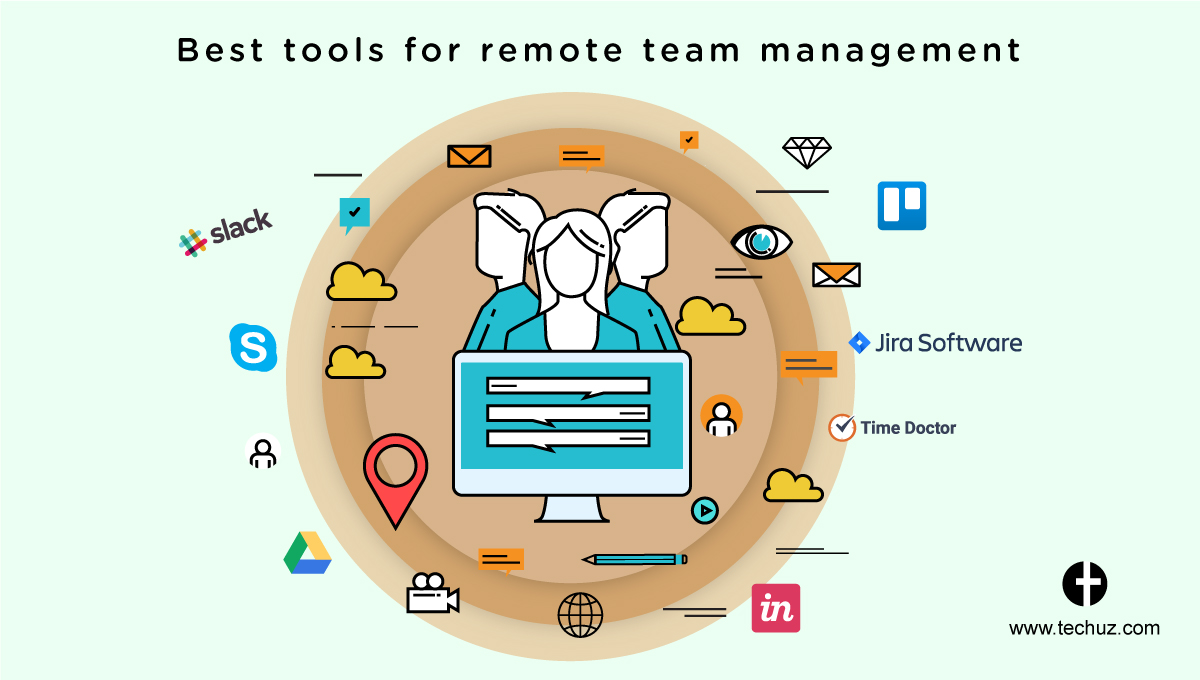
- Encouraging the use of focus-enhancing tools and apps
- Establishing clear boundaries and expectations
- Fostering open communication and collaboration
- Setting clear goals and priorities
- Leading by example and promoting a culture of accountability
Leaders can create a supportive environment where employees feel comfortable sharing their concerns and receive resources to improve productivity and focus.
Understanding and Addressing Individual Distractions
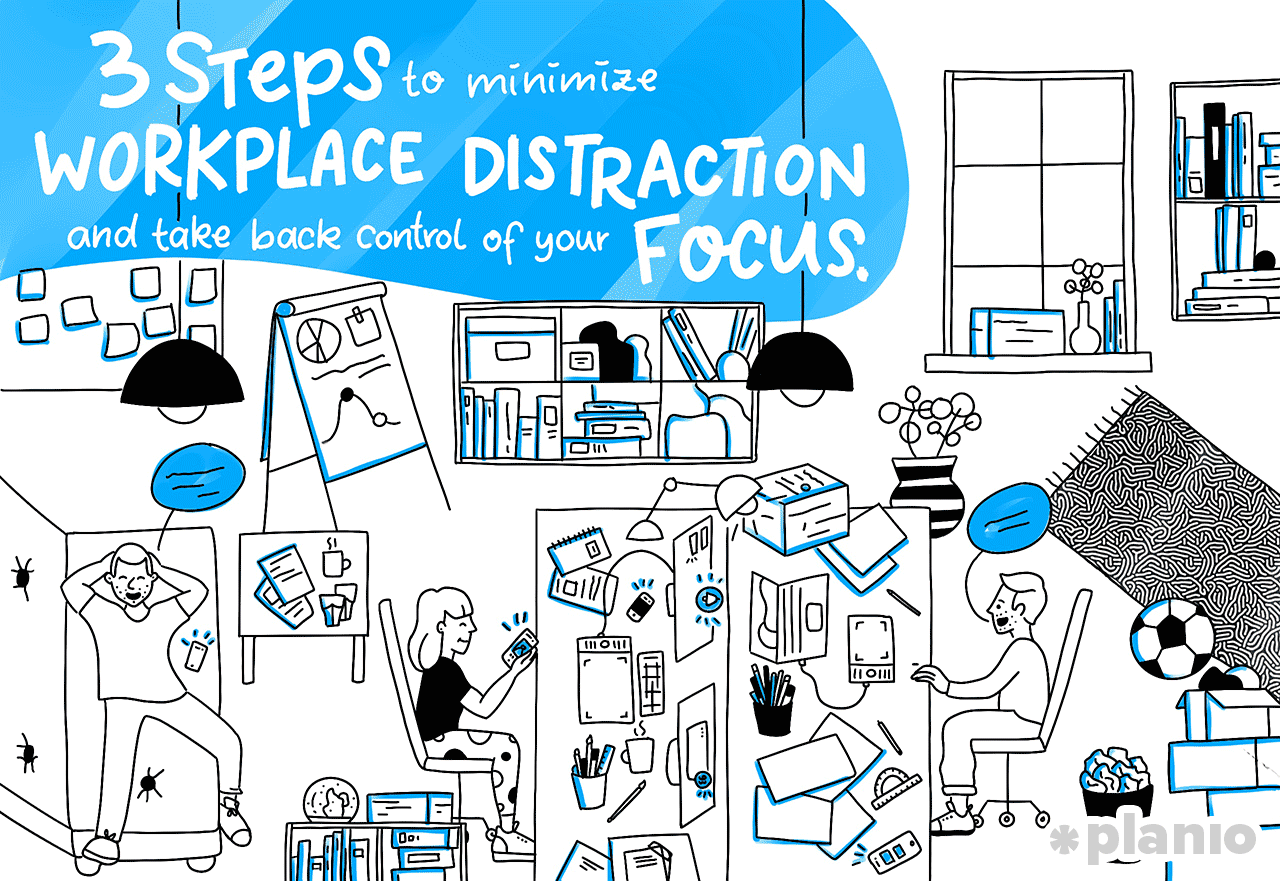
Each team member has unique distractions that can impact their productivity and overall performance. Effective team management involves acknowledging and addressing these individual distractions. Strategies to help employees avoid distractions include:
- Identifying and prioritizing tasks and goals
- Setting time limits for social media and online browsing
- Eliminating digital distractions, such as email and text notifications
- Creating a distraction-free workspace
- Minimizing meetings and setting clear agendas
- Using productivity-tracking tools and apps
Technology and Distractions
With the rise of technology, balancing the benefits of digital tools with potential distractions is crucial. Strategies for managing digital distractions include:
- Implementing do-not-disturb policies and availability controls
- Using tools to block social media and online distractions
- Setting clear boundaries for personal and work-related digital use
- Establishing protocols for email and messaging
- Providing training on digital responsibility and management
Creating a Distraction-Free Environment
Creating an environment that encourages employees to focus on their work can help minimize distractions. This includes:
- Designing physical workspaces that promote productivity and focus
- Minimizing noise, interruptions, and digital distractions
- Providing resources for stress management and self-care
- Encouraging collaboration and problem-solving
Conclusion
Managing distractions in a team environment is a complex task that requires a comprehensive approach. By identifying and addressing common distractions, implementing effective strategies, and creating a distraction-free environment, leaders can optimize team performance, boost productivity, and improve overall well-being. Remember, setting clear expectations, providing resources, and leading by example are key to creating a culture where employees can thrive and focus on achieving their goals.