Managing Digital Fatigue Syndrome: Reclaim Your Focus and Well-being
Feeling drained by screens, pings, and endless emails? Learn how to manage digital fatigue with 10 actionable tips to reduce fatigue and improve focus. In today's digital age, it's easy to get caught up in the constant stream of notifications, emails, and social media updates. However, this onslaught of digital information can have a devastating impact on our mental and physical health. That's why it's essential to recognize the signs of digital fatigue syndrome and take steps to manage it.Understanding Digital Fatigue Syndrome
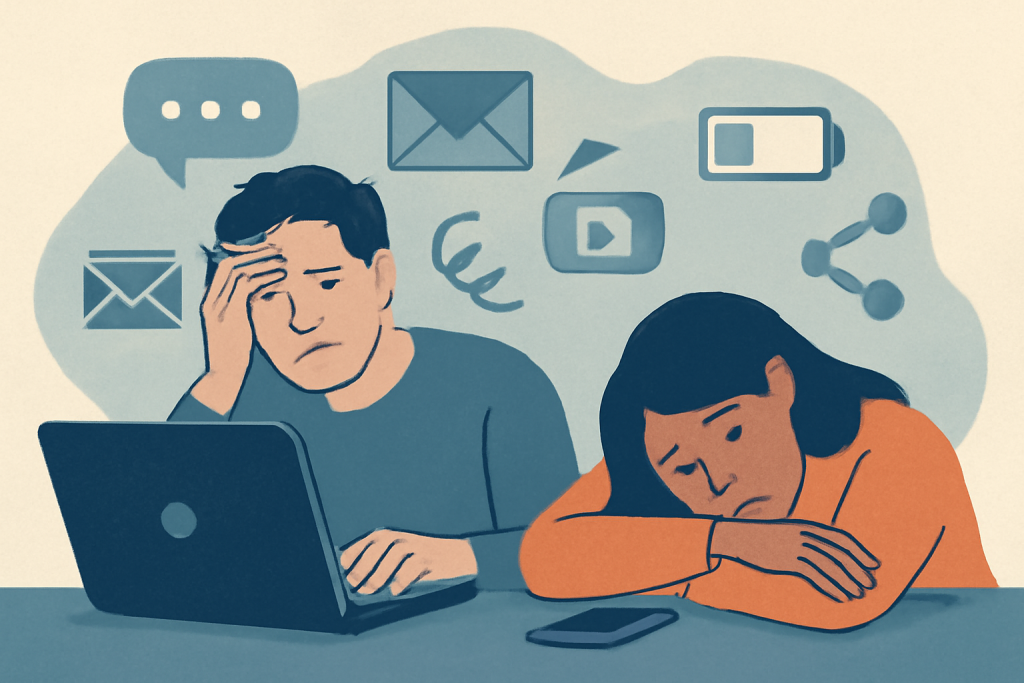
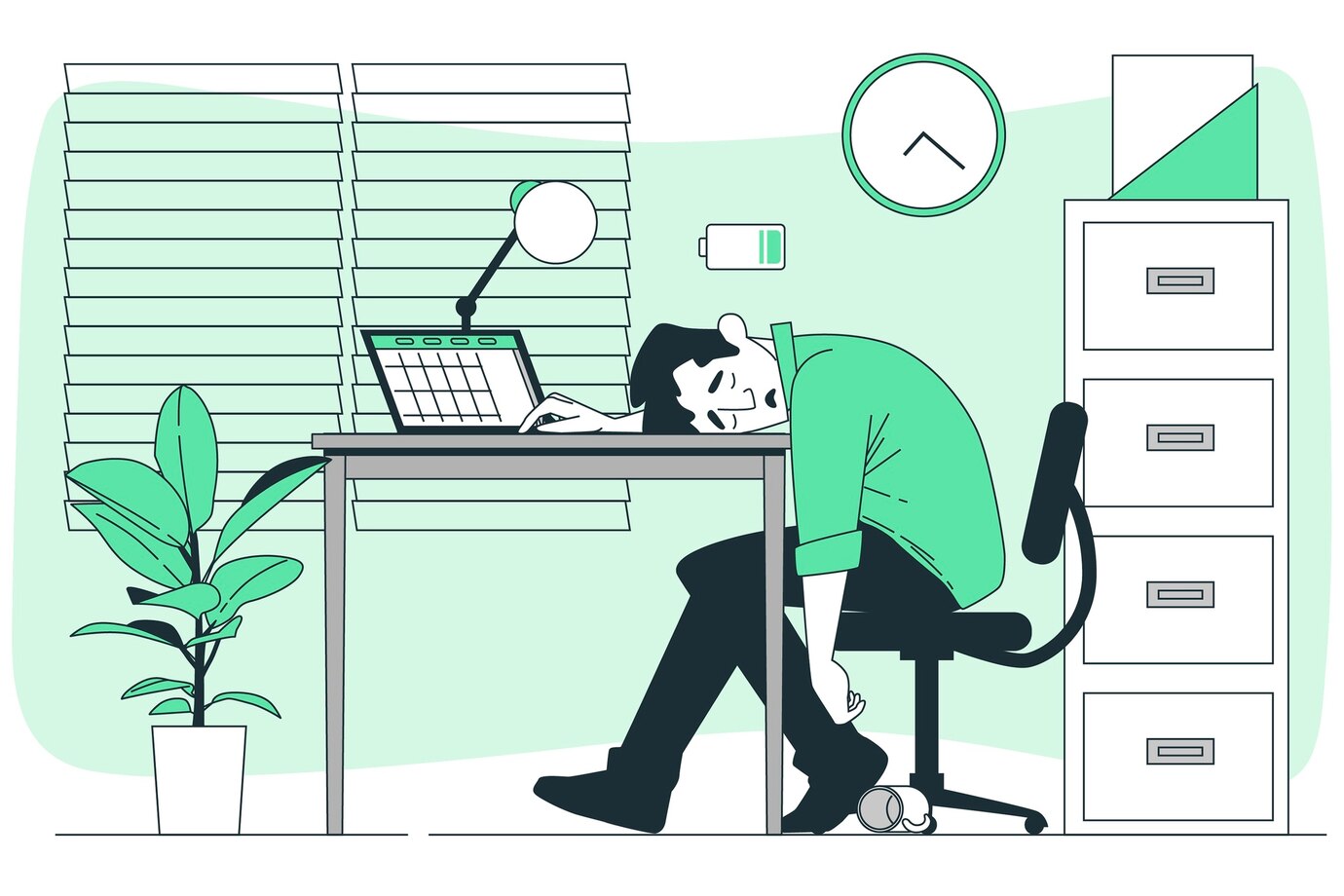
Digital fatigue syndrome is a condition characterized by mental and physical exhaustion caused by prolonged exposure to digital technology. This can include symptoms such as:- Headaches and eye strain
- Reduced focus and concentration
- Mental exhaustion and fatigue
- Decreased productivity and motivation
- Increased stress and anxiety
Causes of Digital Fatigue Syndrome
- Excessive screen time
- Constant notifications and social media checks
- Multitasking and task-switching
- Lack of breaks and self-care
- Poor sleep habits
Managing Digital Fatigue Syndrome: 10 Actionable Tips
Fortunately, there are many ways to manage digital fatigue syndrome and reduce its impact on your life. Here are 10 actionable tips to get you started:- Set Screen Time Limits:** Use apps to monitor and limit your daily screen time, allowing you to set a healthy balance between digital engagement and real-life activities.
- Develop a Self-Care Routine:** Make time for activities that bring you joy and relaxation, such as exercise, meditation, or reading.
- Prioritize Tasks:** Use the Pomodoro Technique to focus on tasks one at a time, minimizing multitasking and reducing digital engagement.
- Practice Digital Hygiene:** Regularly update your operating systems, apps, and browsers to ensure you have the latest security patches and features.
- Use Website and App Blockers:** Utilize tools to block distracting websites or apps during certain times of the day or for specific tasks.
- Take Regular Breaks:** Schedule breaks throughout the day to rest your eyes, stretch, and recharge.
- Set Boundaries:** Establish phone-free zones and times, such as during meals or when spending time with family and friends.
- Practice Mindfulness:** Engage in mindfulness exercises, such as meditation or deep breathing, to reduce stress and increase focus.
- Invest in Digital Learning:** Participate in training or workshops to improve your digital skills and stay up-to-date with the latest technologies.
- Seek Support:** Share your concerns with colleagues, friends, or a mental health professional to get support and guidance.