Learn to Draw Facial Expressions: Unlocking the Language of Emotions
Facial expressions play a crucial role in human communication, conveying emotions and intentions in a split second. As an artist, learning to draw facial expressions can elevate your work from mere illustration to a rich, emotive experience. In this comprehensive guide, we'll explore the world of facial expressions, providing you with invaluable techniques and tips to master the art.
The Basics of Facial Expressions
Facial expressions are a complex interplay of muscles, anatomy, and emotions. When drawing facial expressions, it's essential to understand the underlying structure of the face and how it responds to different emotions. The face can convey a wide range of emotions, from subtle nuances to extreme outbursts. By learning to capture these subtleties, you'll be able to create more nuanced and believable characters.
Mastering Facial Proportions
Before diving into facial expressions, it's vital to understand the basic proportions of the face. The right ratio of head-to-face proportions will ensure that your character's features are balanced and believable. A simple trick is to use a circle to draw the head, dividing it into thirds to establish the vertical proportions.
Exaggeration and Subtlety
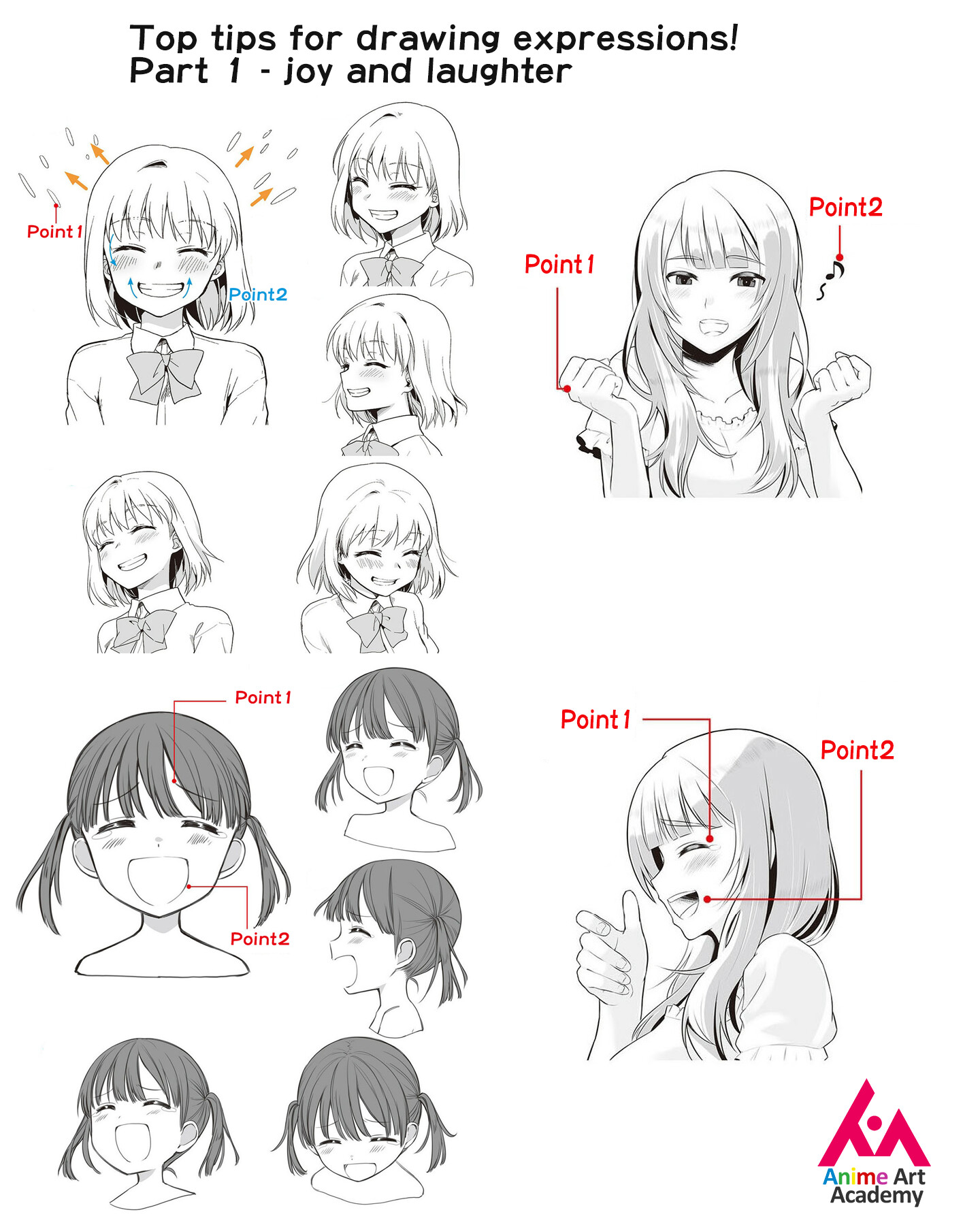
Facial expressions are all about balance between subtlety and exaggeration. When drawing emotions, it's tempting to go overboard, but remember that the human face is capable of nuanced expression. Practice capturing the delicate changes in facial features to create a range of emotions from subtle to extreme.
The Power of Eyes
The eyes are the windows to the soul, and drawing them correctly is essential. The position of the eyes, the shape and size of the pupils, and the surrounding eye sockets all contribute to the overall expression. Here's a tip: practice drawing different eye shapes and orientations to capture the subtleties of facial expression.
Exploring Facial Emotions

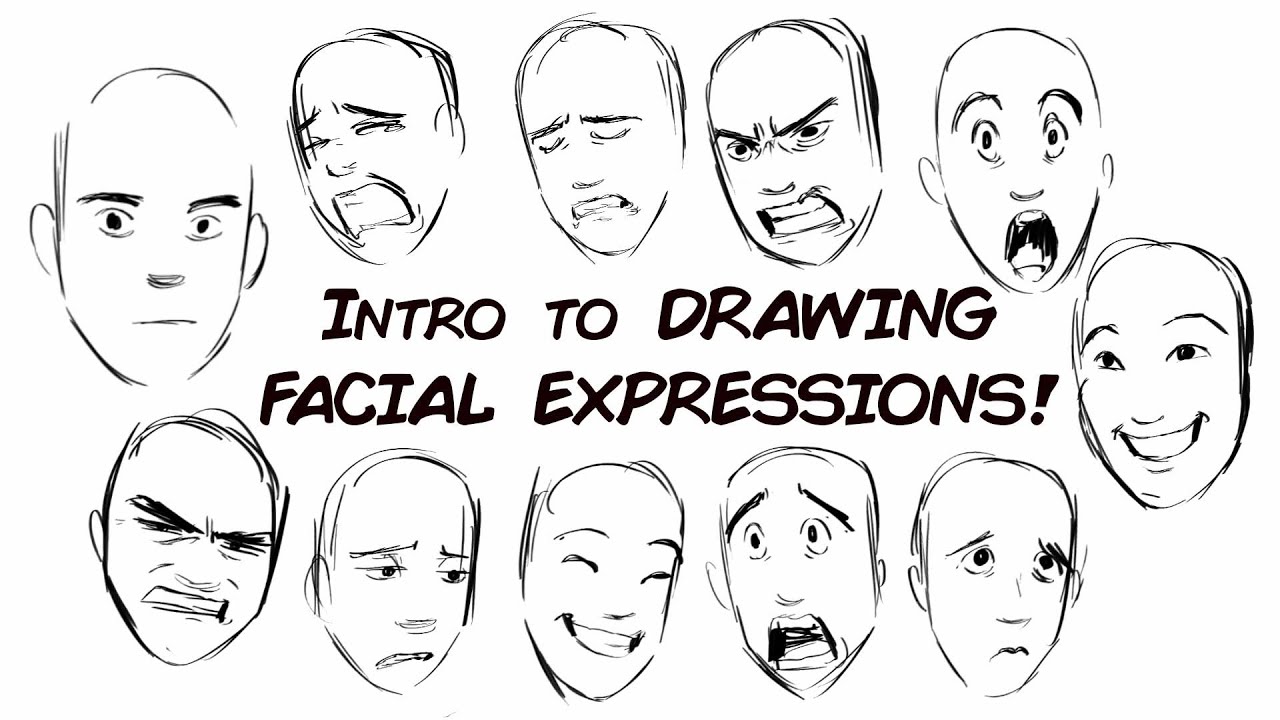
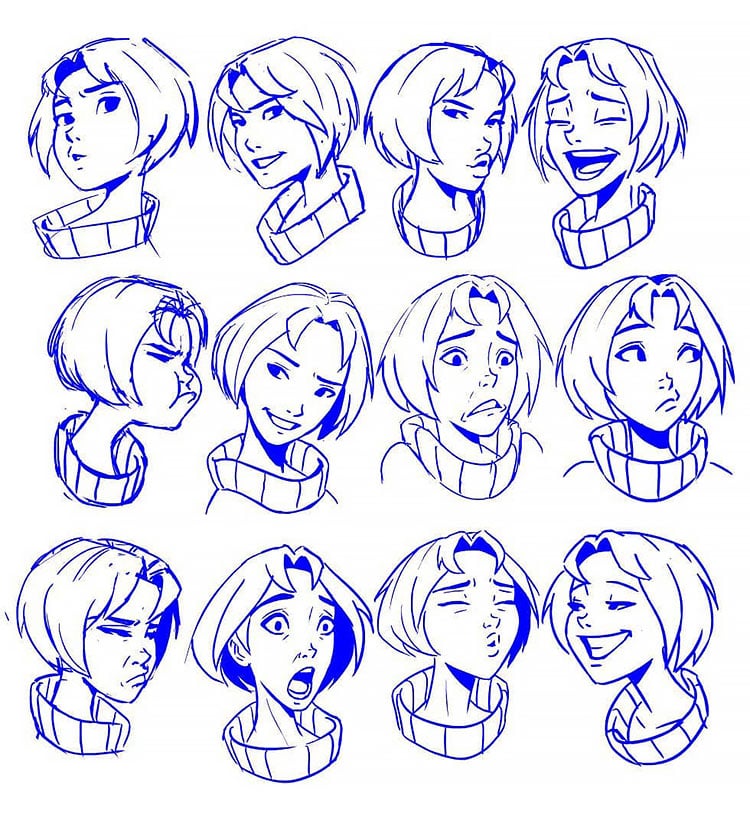
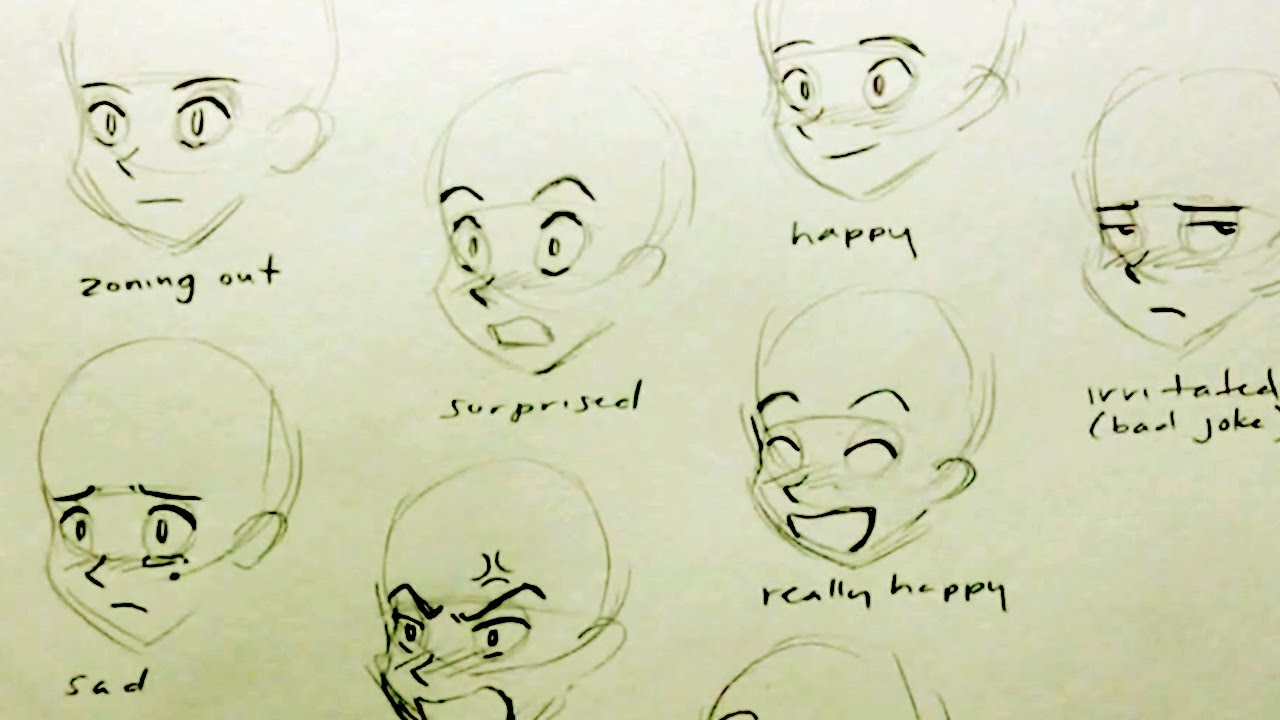
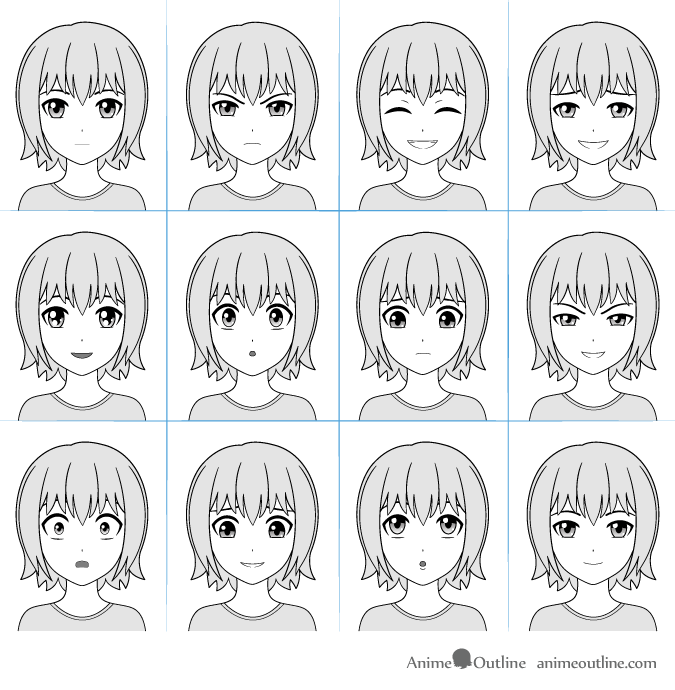
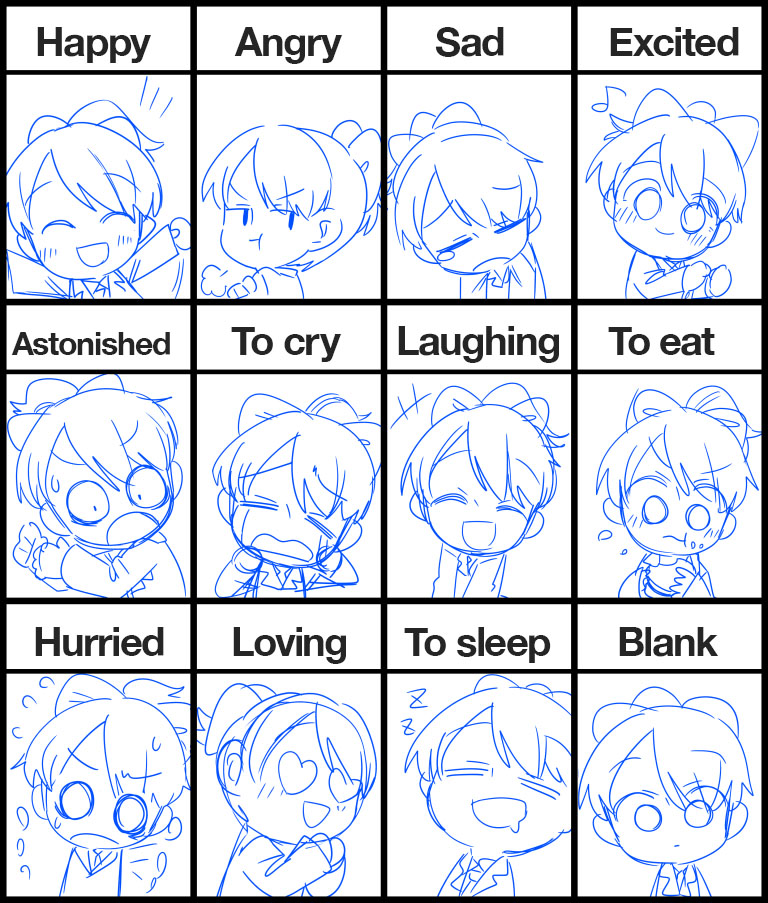
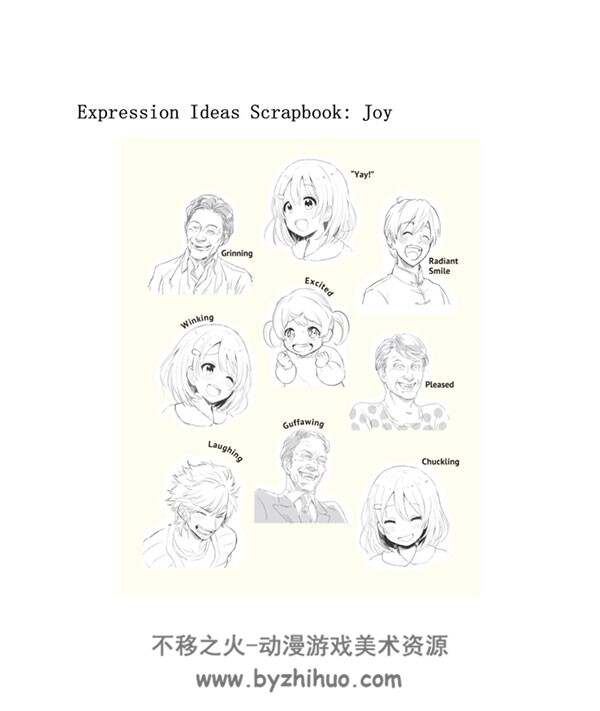
Facial expressions are not limited to a single emotion; they can convey a range of emotions with varying intensities. By learning to capture these subtle variations, you'll be able to create more believable and engaging characters. Here's a breakdown of some basic facial expressions:
- Happy: A relaxed, upturned mouth and slightly raised eyebrows
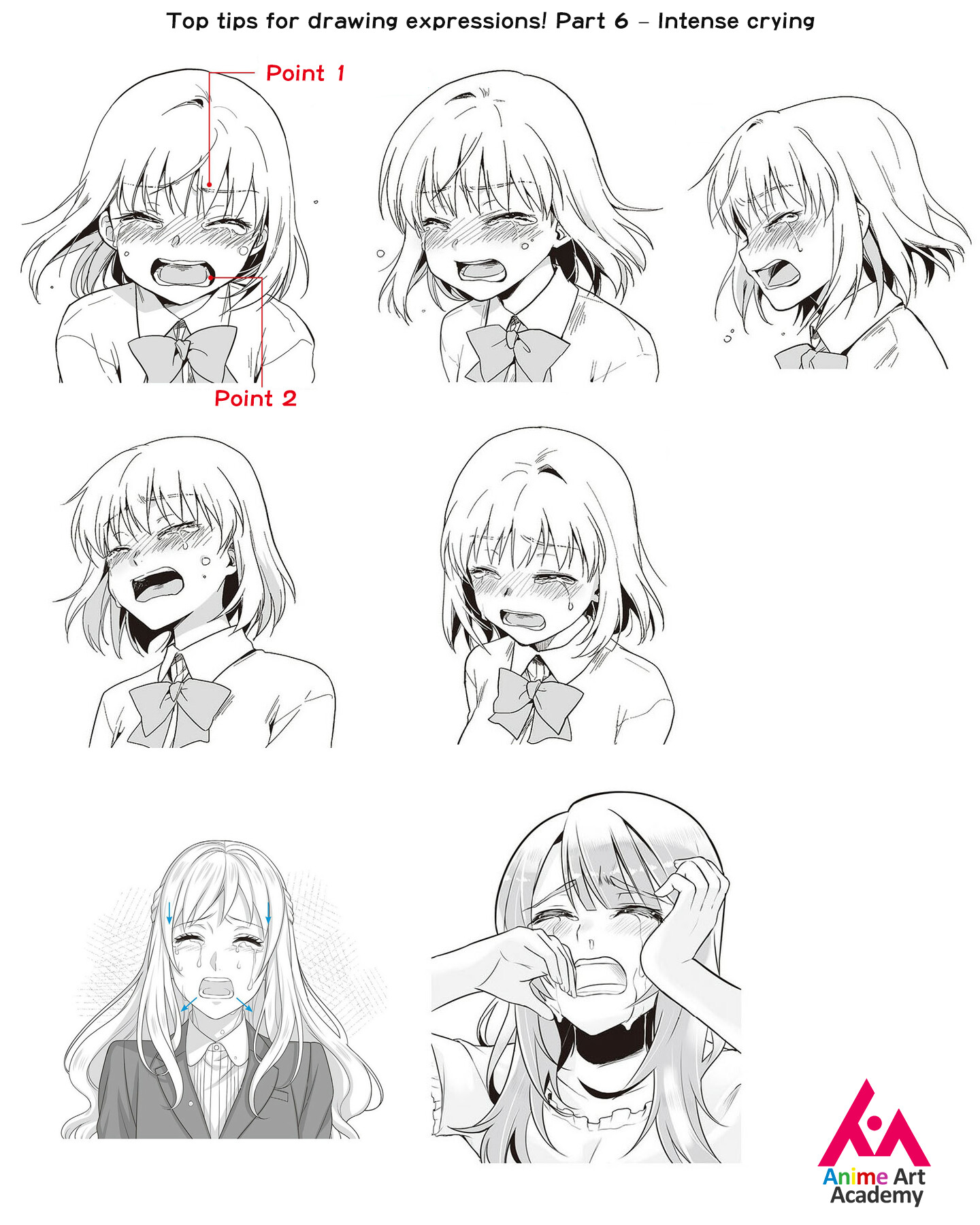
- Sad: A downturned mouth and relaxed facial muscles
- Angry: A furrowed brow and tensed facial muscles
- Surprised: Raised eyebrows and a widened, open mouth
Tips for Drawing Facial Expressions
Here are some valuable tips to help you master drawing facial expressions:
- Observe and study facial expressions in people and animals
- Practice drawing different facial features, such as eyes, eyebrows, and mouths
- Experiment with exaggeration and subtlety to capture various emotions
- Pay attention to facial proportions and anatomy
- Watch live-action and animated references to study facial expressions in different contexts
Resources for Learning Facial Expressions
There are numerous resources available to help you learn facial expressions. Here are a few:
- Online tutorials and videos
- Drawing and cartooning books
- Art classes and workshops
- Practice with sketches and character illustrations
Conclusion
Learning to draw facial expressions is a rewarding journey that requires practice, patience, and observation. By mastering the art of facial expressions, you'll be able to create more engaging, believable, and emotive characters in your artwork. Remember to practice and experiment with different techniques, and most importantly, have fun and enjoy the process of learning and growing as an artist.