Understanding Hypervigilance Syndrome: Causes, Symptoms, and Coping Strategies
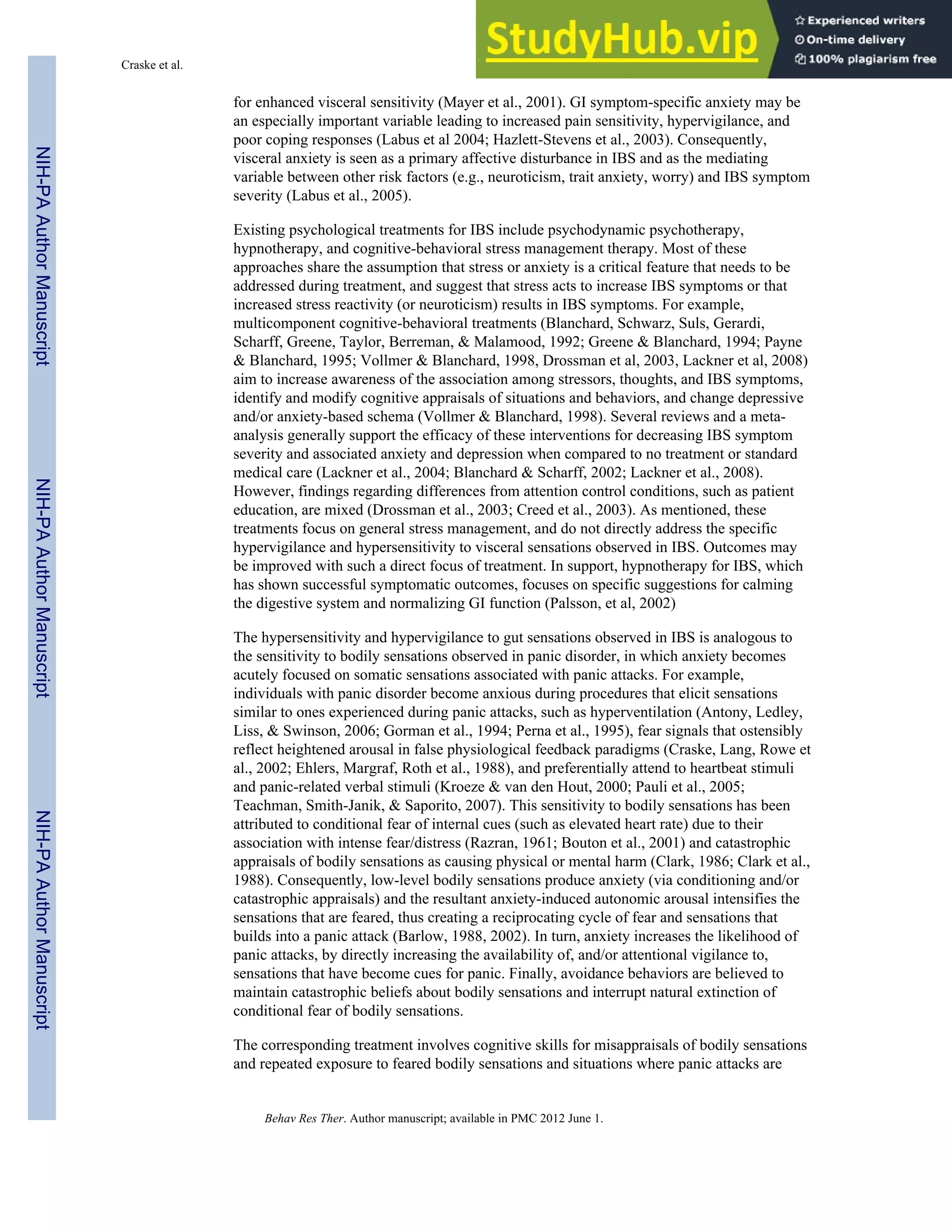
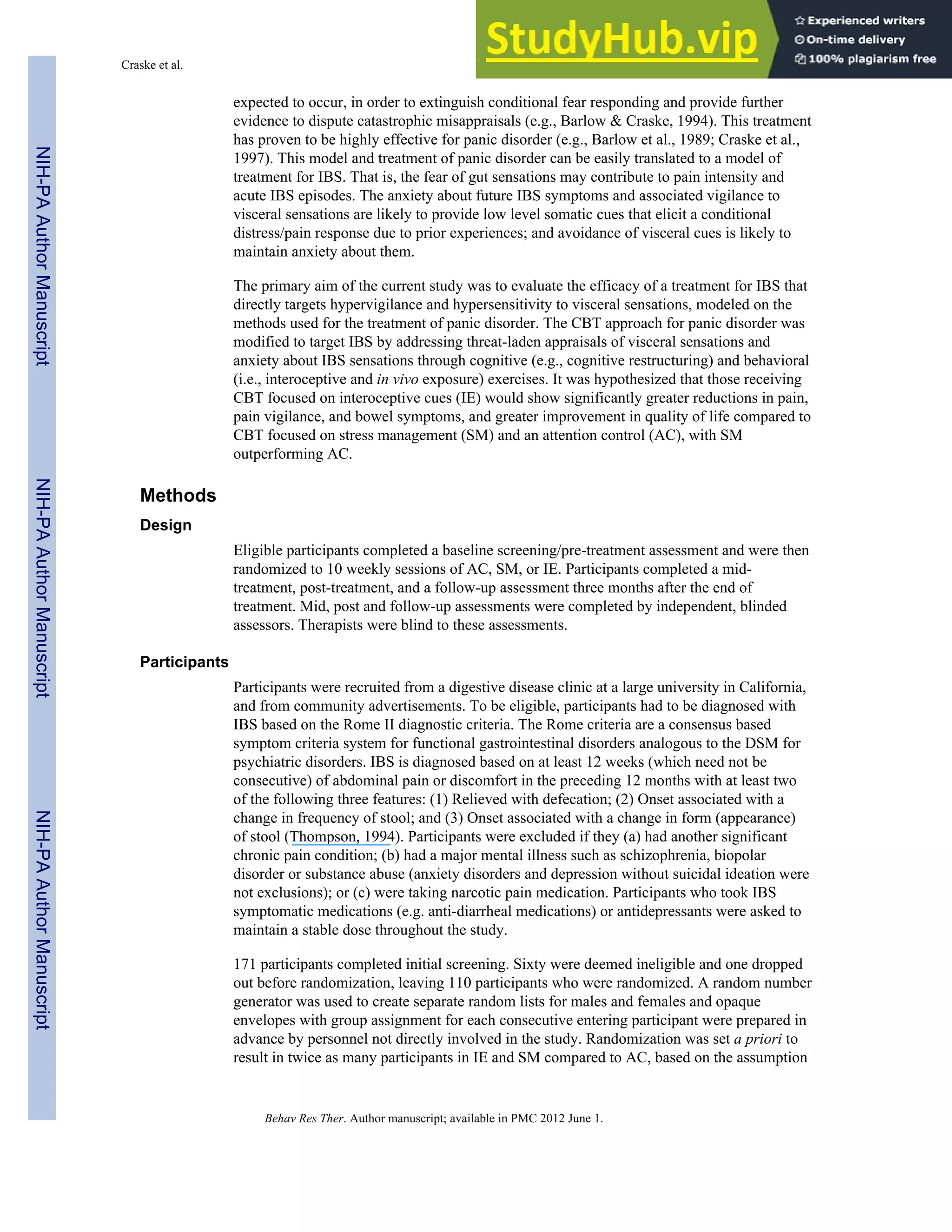
Hypervigilance Syndrome is a condition characterized by an excessive state of sensory sensitivity and alertness, often linked to anxiety, post-traumatic stress disorder (PTSD), and other mental health conditions. In this article, we will delve into the world of hypervigilance, exploring its causes, symptoms, and effective coping strategies to help you regain control over your life.
What is Hypervigilance Syndrome?
Hypervigilance Syndrome is a state of high alertness, where an individual is constantly scanning their environment for potential threats, even when they are in a safe environment. This increased state of vigilance can be a biological adaptation to stress, an attempt by the brain to keep the individual safe from harm. However, when hypervigilance becomes a chronic condition, it can severely impact daily life, relationships, and overall mental health.
Causes of Hypervigilance Syndrome
The causes of hypervigilance syndrome are multifaceted and complex. Some of the risk factors that may contribute to the development of this condition include:
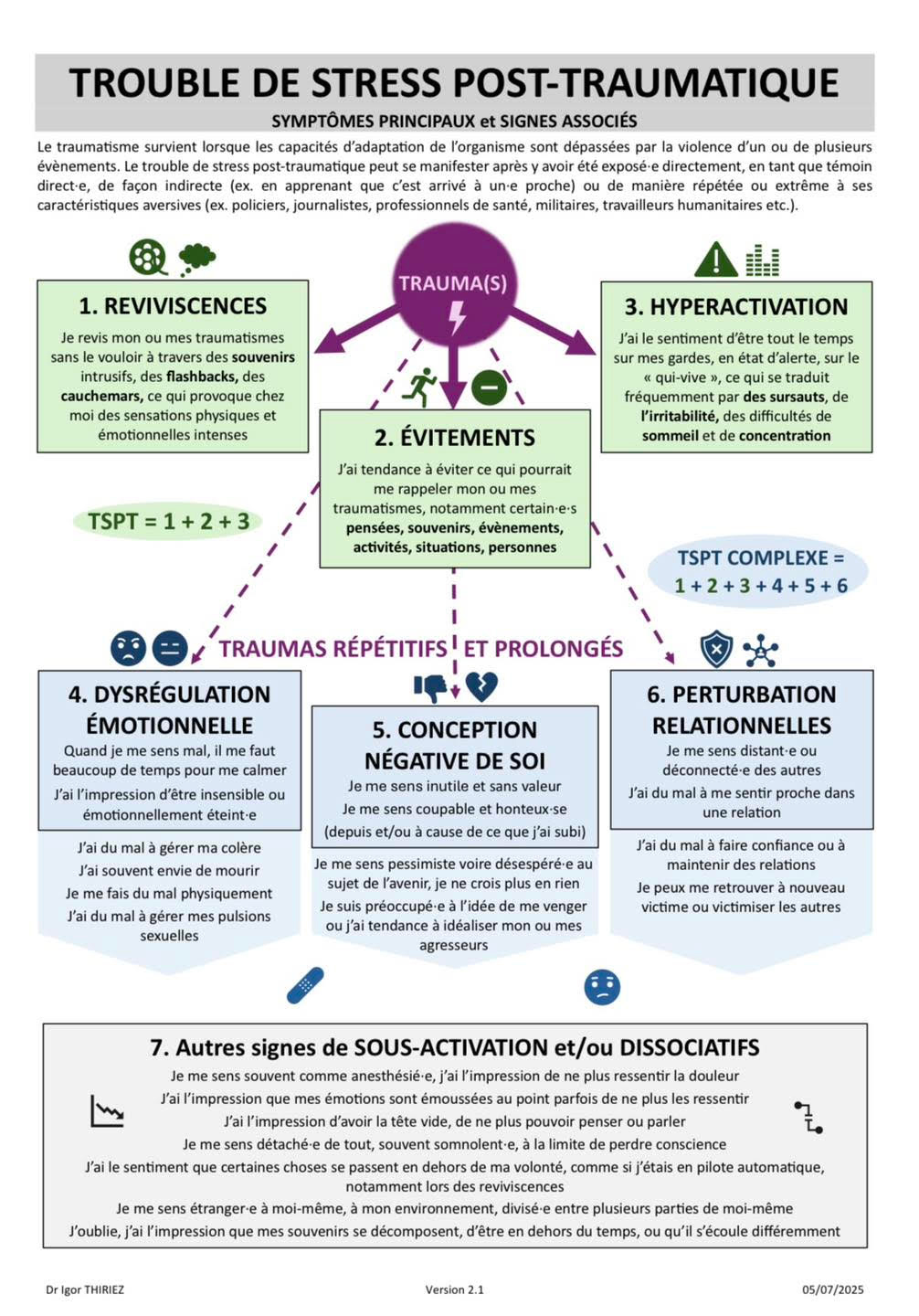
- Post-traumatic stress disorder (PTSD)
- Chronic anxiety disorder
- Obsessive-compulsive disorder (OCD)
- Personality disorders
- Schizophrenia
- Adrenal disease
- Hyperthyroidism
- Fibromyalgia
- Sleep deprivation
- Generalized anxiety disorder
It's essential to note that hypervigilance can be a symptom of various mental health conditions, and a comprehensive diagnosis by a healthcare professional is necessary to determine the underlying cause of your symptoms.
Symptoms of Hypervigilance Syndrome
The symptoms of hypervigilance syndrome can be both physical and emotional. Some common symptoms include:

- Excessive alertness and watchfulness
- Increased heart rate and blood pressure
- Restlessness and agitation
- Trembling or shaking
- Difficulty relaxing or falling asleep
- Increased sensitivity to sounds and sights
- Heightened sense of smell and taste
- Feeling "on edge" or "on guard" all the time
These symptoms can significantly impact daily life, relationships, and overall mental health, making it crucial to develop coping strategies to manage hypervigilance syndrome.
Coping Strategies for Hypervigilance Syndrome
While hypervigilance syndrome can be challenging to manage, there are various coping strategies that can help reduce symptoms and improve overall well-being. Some effective strategies include:
- Seeking professional help from a mental health expert or therapist
- Engaging in stress-reducing activities, such as yoga, meditation, or deep breathing exercises
- Practicing relaxation techniques, such as progressive muscle relaxation or visualization
- Developing healthy sleep habits and establishing a consistent sleep schedule
- Exercise regularly, focusing on activities that promote relaxation and reduce anxiety
- Keeping a journal or diary to track symptoms and identify triggers
- Building a support network of friends, family, or support groups
- Learning to recognize and reframe negative thought patterns and behaviors
By incorporating these coping strategies into your daily life, you can learn to manage hypervigilance syndrome and regain control over your life.
Conclusion
Hypervigilance syndrome is a complex condition that can significantly impact daily life, relationships, and overall mental health. By understanding the causes, symptoms, and coping strategies, individuals can take the first step towards managing this condition and regaining control over their lives. Remember, seeking professional help is essential in developing effective coping strategies and managing hypervigilance syndrome.