How to Secure Your Wireless Router: A Comprehensive Guide
Your wireless router is the hub of your home network, connecting all your devices to the internet. However, this convenience comes with a risk: if your router is not secure, it can be vulnerable to hacking, identity theft, and other cyber threats. In this article, we'll show you how to secure your wireless router and protect your home network from potential threats.
Understanding the Risks
Using a wireless router without proper security can expose your devices and data to various risks. Here are some of the potential threats:
- Hacking and unauthorized access to your network
- Identity theft and data breaches
- Malware and virus infections
- Bandwidth theft and unauthorized usage
Securing Your Wireless Router
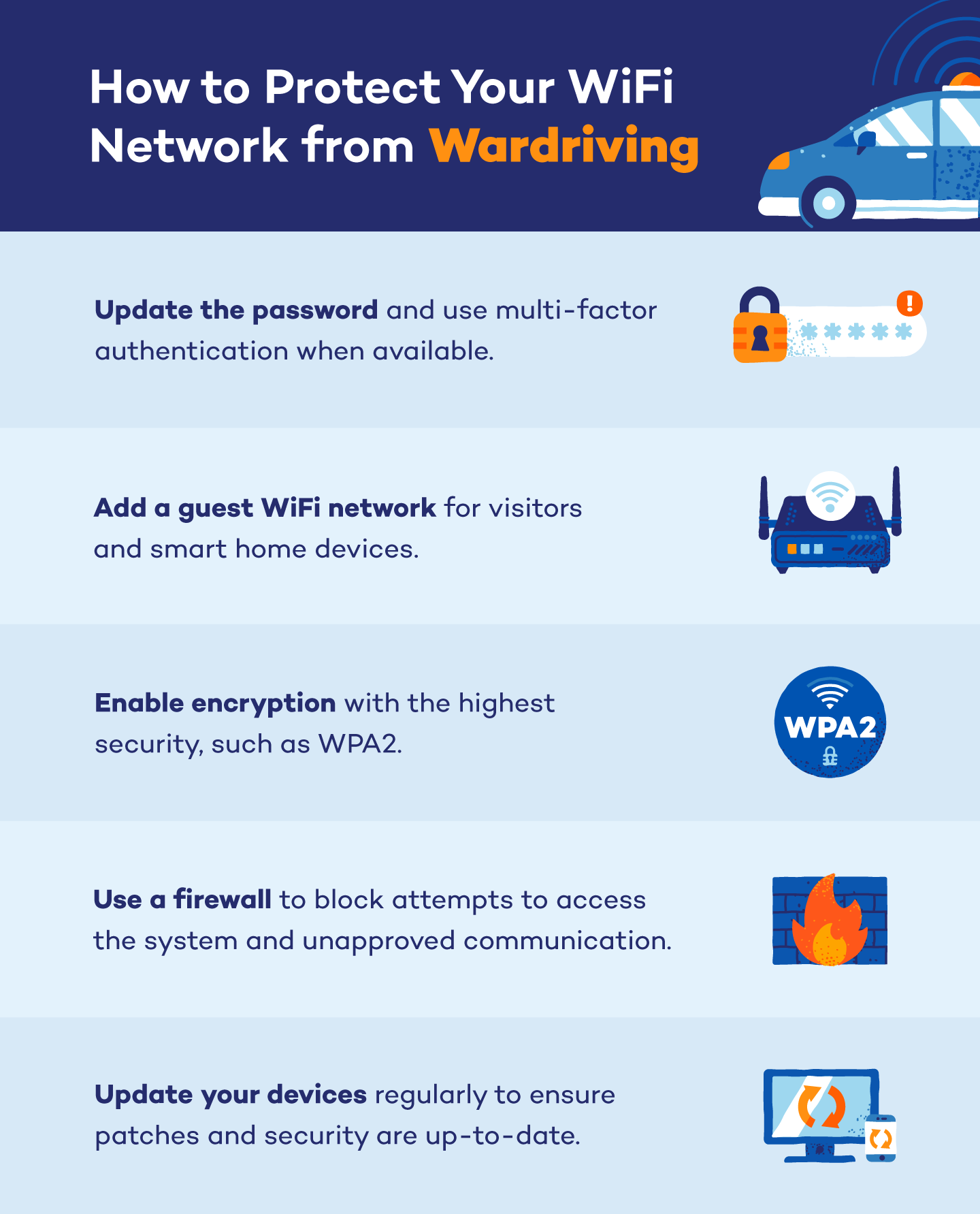
To prevent these risks, you need to secure your wireless router. Here are some essential steps to follow:
1. Change the Default Password and Username
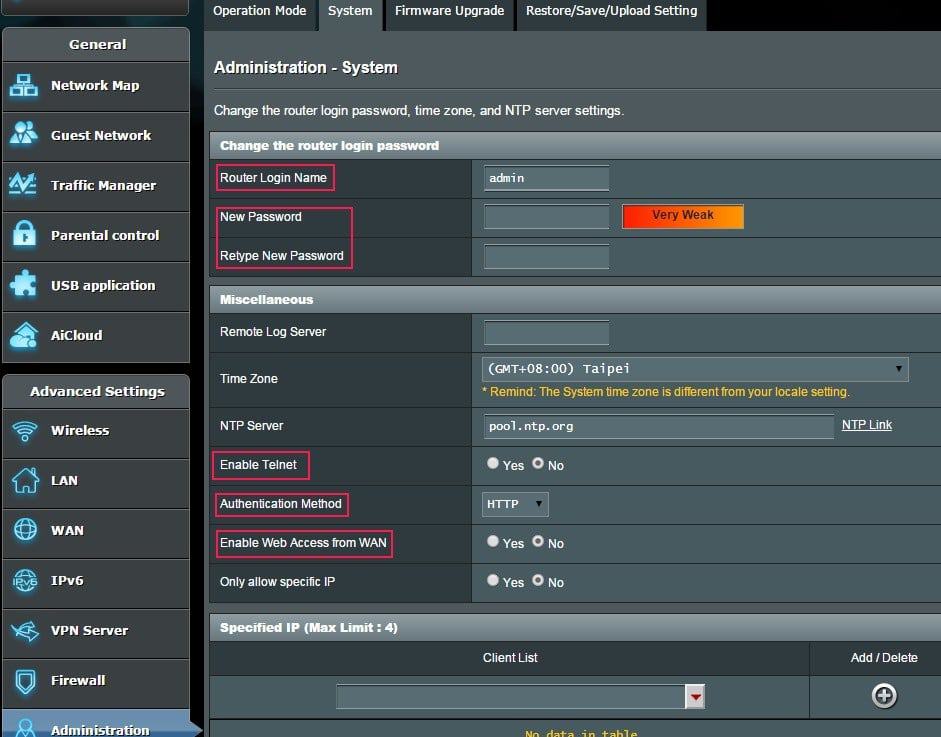
When you set up your router, it comes with default login credentials. However, these are easily guessable by hackers. Change the default password and username to strong, unique passwords.
2. Enable WPA3 Encryption
WPA3 (Wi-Fi Protected Access 3) is the latest encryption standard for wireless networks. Enable WPA3 encryption on your router to ensure secure data transmission between your devices and the router.
3. Set Up a Guest Network
A guest network is a separate network for visitors, keeping their devices isolated from your main network. This is a great way to limit exposure to potential threats.
4. Update Your Router's Firmware
Firmware updates often include security patches and bug fixes. Regularly update your router's firmware to ensure you have the latest security features.
5. Disable Remote Access
Remote access allows you to configure your router from anywhere. However, it can also provide hackers with an entry point into your network. Disable remote access unless you need it for a specific reason.
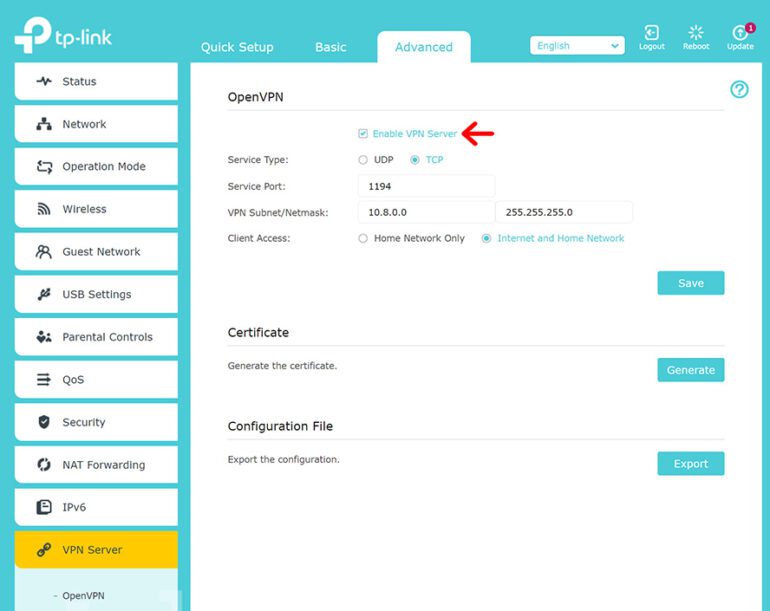
6. Use a VPN (Virtual Private Network)
A VPN encrypts your internet traffic, making it difficult for hackers to intercept your data. Use a VPN when accessing public Wi-Fi networks or when sharing sensitive data.
7. Regularly Monitor Your Network
Keep an eye on your network's activity, looking for any suspicious devices or connections. Use tools like Netstat or Wireshark to monitor your network traffic.
Best Practices for Wireless Router Security
In addition to the above steps, follow these best practices to ensure your wireless router remains secure:
- Regularly change your Wi-Fi password
- Use a firewall to block unauthorized access
- Limit the number of devices connected to your network
- Keep your router and devices updated with the latest security patches
- Use strong passwords and two-factor authentication
Conclusion
Securing your wireless router is a crucial step in protecting your home network from potential threats. By following the steps outlined in this article, you can ensure your router is secure and your devices are protected. Remember to regularly update your router's firmware, change your passwords, and monitor your network activity to stay safe online.





![[Wireless Router] How do I enter my ASUS router's setting page using ...](https://www.theinfobits.com/wp-content/uploads/2025/04/Best-Long-Range-WiFi-Routers-768x438.webp "[Wireless Router] How do I enter my ASUS router's setting page using ...")
![[Wireless] How to make my router more secure? - ASUS](https://www.wikihow.com/images/4/4a/Change-Your-Wi-Fi-Password-Step-7-Version-2.jpg "[Wireless] How to make my router more secure? - ASUS")