Following a Workout Routine While Pregnant: Benefits, Risks, and Safety Tips
Getting regular exercise while pregnant has numerous benefits for both you and your baby, with minimal risks when done safely. However, it's essential to know what exercises are safe during pregnancy and which ones to avoid.
Benefits of Exercise During Pregnancy
- Reduces symptoms of discomfort and pain
- Manages certain prenatal health conditions, such as gestational diabetes
- Helps with recovery after delivery
- Decreases the risk of pregnancy-related complications, such as pregnancy-induced hypertension and pre-eclampsia
- Improves mood and overall mental health
- Supports weight management and healthy weight gain
Exercises to Avoid During Pregnancy
While exercise is essential during pregnancy, there are certain movements and activities that should be avoided, especially during the first trimester. These include:
- Contact sports, such as hockey or soccer
- High-impact exercises, such as jumping or running
- Exercises that involve lying flat on the back after the first trimester
- Exercises that involve deep bending or twisting
- Exercises that involve heavy lifting or straining
Safe Exercises During Pregnancy
There are many exercises that are safe and beneficial during pregnancy. These include:
- Aerobic exercises, such as walking or swimming
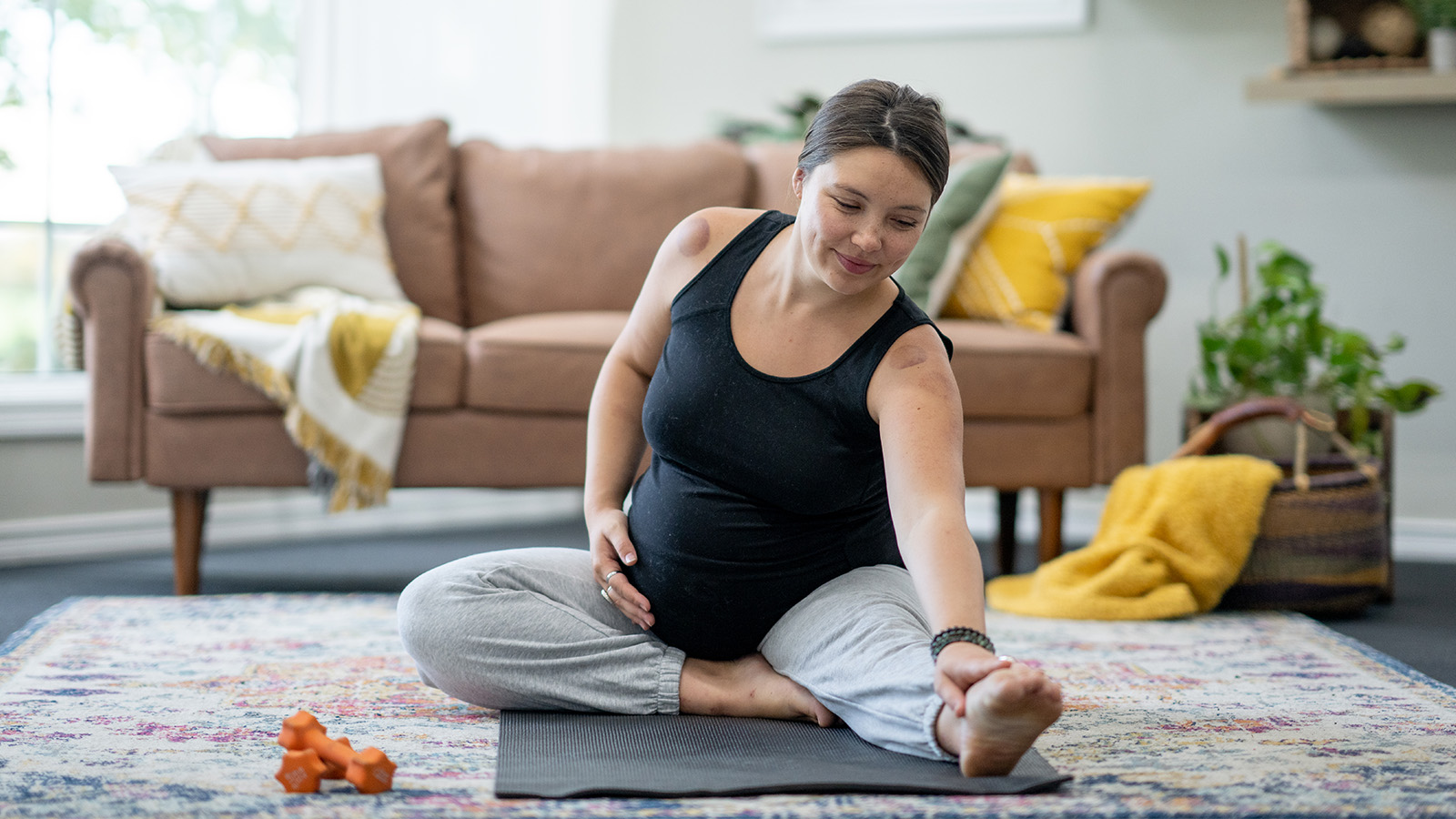
- Prenatal yoga or Pilates
- Cycling or using a stationary bike
- Dance-based workouts, such as Zumba or hip hop
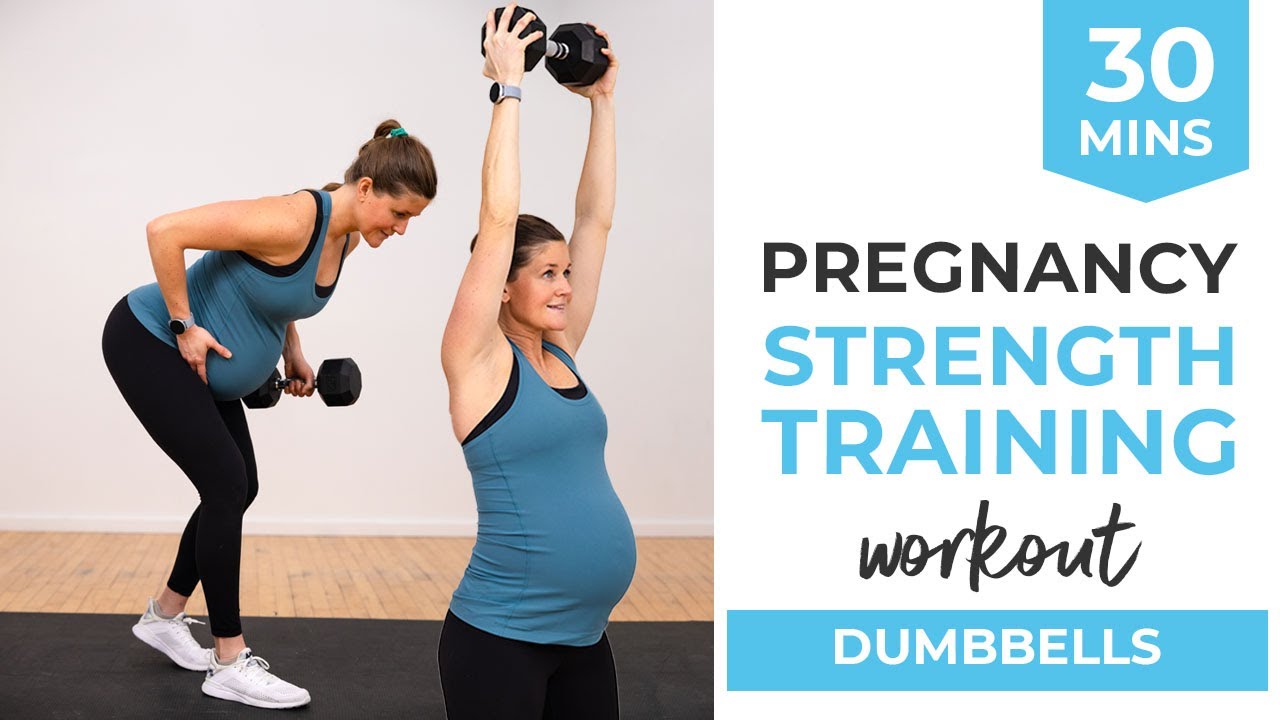
- Strength training exercises, such as squats or lunges
Modifying Your Workout Routine
When following a workout routine while pregnant, it's essential to modify your exercises to accommodate your changing body. This may include:
- Reducing the intensity and frequency of your workouts
- Switching to lower-impact exercises or activities that are easier on your joints
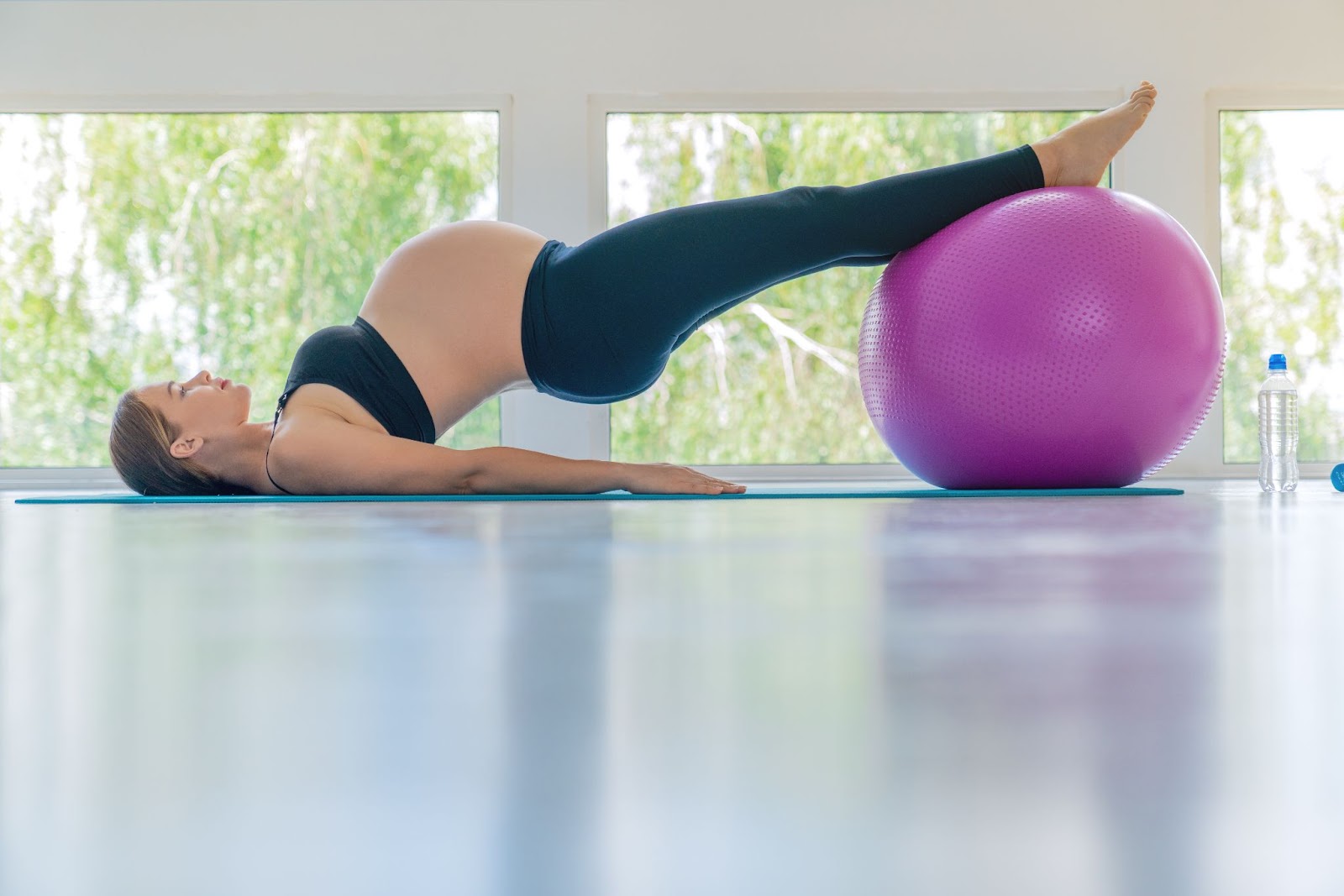
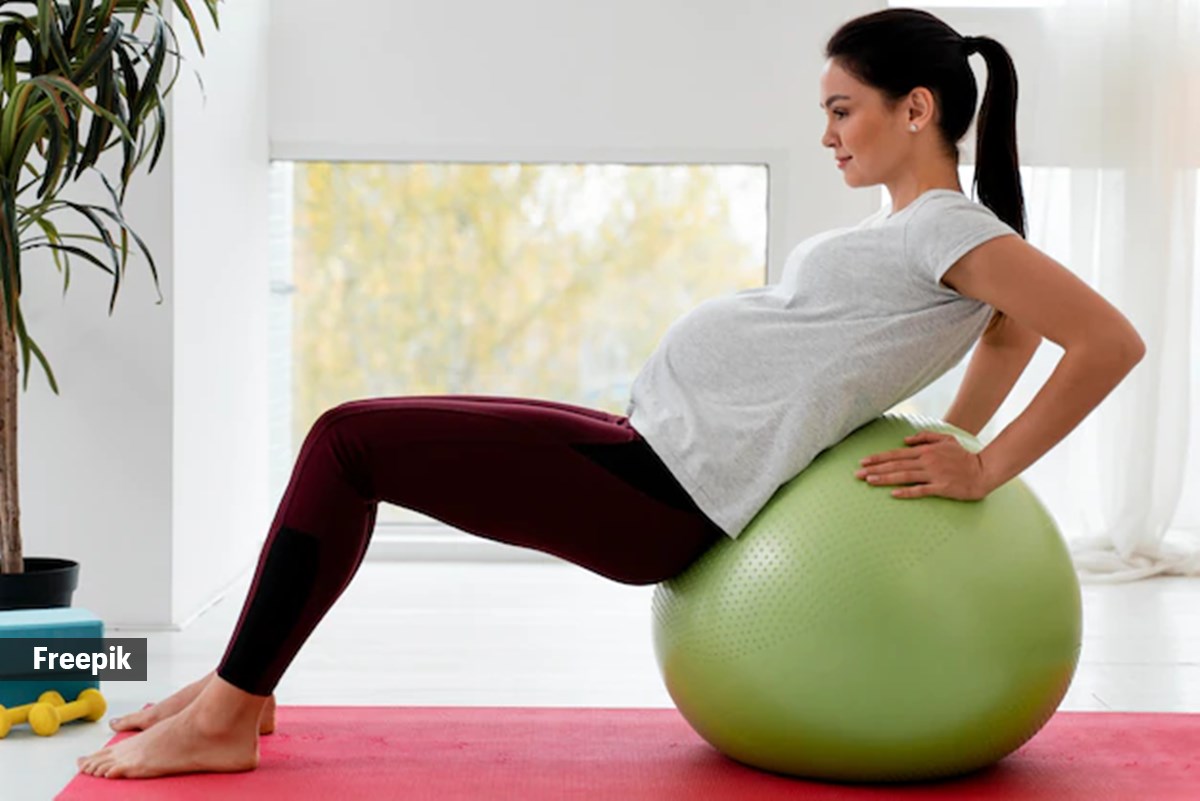
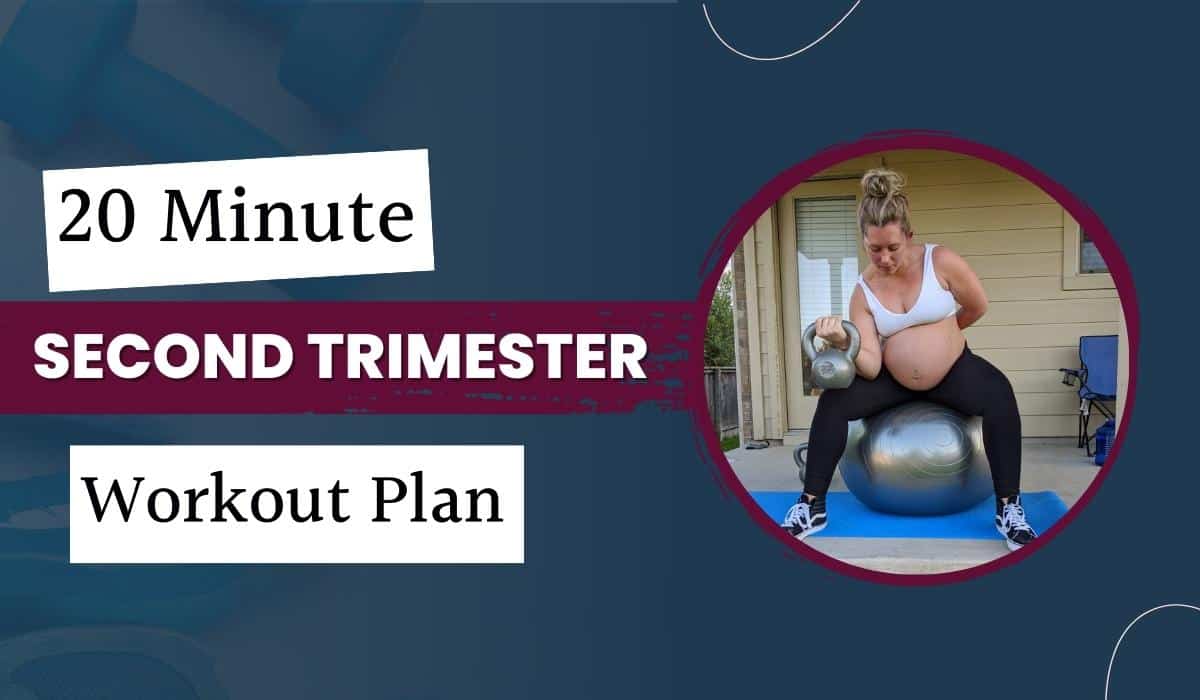
- Using props, such as a prenatal yoga ball or a resistance band, to modify exercises
- Adjusting your workout schedule to avoid exercising in hot or humid environments
Consulting Your Healthcare Provider

Before starting or continuing an exercise routine during pregnancy, it's crucial to consult with your healthcare provider. They will assess your individual needs and provide personalized recommendations for safe and effective exercises.
Conclusion
Following a workout routine while pregnant can have numerous benefits for both you and your baby. By understanding what exercises are safe and modifying your routine accordingly, you can stay active, healthy, and prepared for motherhood. Remember to consult with your healthcare provider and listen to your body to ensure a safe and successful pregnancy.
Frequently Asked Questions
Q: Can I continue my pre-pregnancy workout routine during pregnancy?
A: No, it's essential to modify your workout routine during pregnancy to accommodate your changing body. Consult with your healthcare provider to determine the best exercises and intensity levels for you.
Q: Can I exercise if I have a high-risk pregnancy?
A: Yes, but it's crucial to consult with your healthcare provider before starting or continuing an exercise routine. They will assess your individual needs and provide personalized recommendations for safe and effective exercises.
Q: How often should I exercise during pregnancy?
A: Aim to exercise 2-3 times per week for 30-60 minutes per session. Listen to your body and adjust your workout schedule as needed to avoid exhaustion or discomfort.
Q: Can I exercise after giving birth?
A: Yes, physical activity and exercise in the postpartum period (after giving birth) are beneficial for both you and your newborn. Consult with your healthcare provider to determine the best exercises and intensity levels for you.