FOMO Prevention Methods: Taking Control of Your Mind
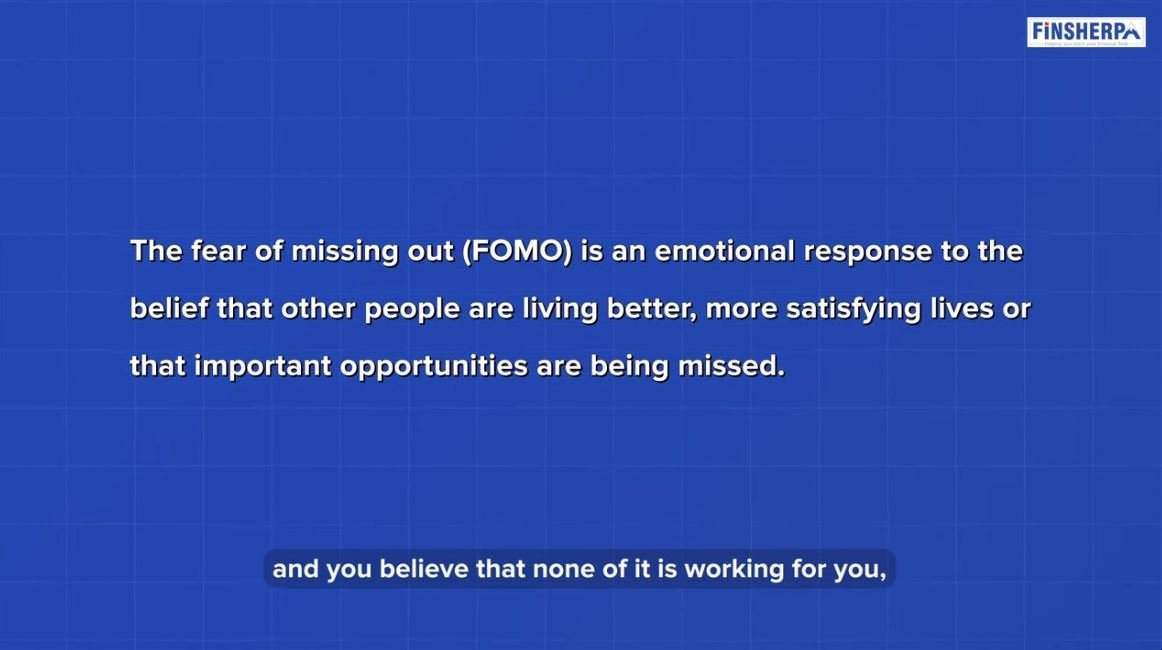
The Fear of Missing Out, or FOMO, is a common phenomenon that can affect anyone. It's the anxiety caused by the feeling that you're not participating in exciting or worthwhile experiences. With the rise of social media, FOMO has become a significant issue, making it challenging for individuals to maintain a healthy work-life balance. In this article, we'll explore the concept of FOMO, its effects on mental well-being, and provide effective FOMO prevention methods to help you regain control over your life.
Understanding FOMO
FOMO is not just a feeling; it's a psychological construct that can have significant consequences on mental health. Research has shown that FOMO can lead to anxiety, depression, and decreased self-esteem. It's essential to understand the root causes of FOMO to develop effective prevention methods.
Causes of FOMO
- Social media: Social media platforms showcase the highlight reels of others' lives, creating unrealistic expectations and fuelling FOMO.
- Comparison: Comparing oneself to others can lead to feelings of inadequacy and FOMO.
- Fear of loss: The fear of missing out on opportunities or experiences can create anxiety and FOMO.
- Lack of control: Feeling a lack of control over one's life or circumstances can contribute to FOMO.
FOMO Prevention Methods
While FOMO can be challenging to overcome, there are effective prevention methods to help you regain control over your life. Here are some strategies to consider:
1. Practice Mindfulness
Mindfulness is the practice of being present in the moment, without judgment. It can help you focus on your current experiences and reduce feelings of FOMO.
2. Set Boundaries
Setting boundaries with social media and technology can help you avoid excessive comparison and reduce FOMO. Consider limiting your social media use or taking breaks from technology.
3. Focus on Your Goals
Instead of comparing yourself to others, focus on your own goals and aspirations. Break down larger goals into smaller, achievable steps to help you stay focused and motivated.

4. Practice Self-Compassion
Treat yourself with kindness and compassion, just as you would a close friend. Acknowledge your feelings and remind yourself that it's okay to not be perfect.
5. Engage in Activities You Enjoy
Make time for activities that bring you joy and fulfillment. This can help you feel more connected to yourself and reduce FOMO.
6. Seek Support
Surround yourself with positive, supportive people who encourage and motivate you. Seek help from friends, family, or a mental health professional if you're struggling with FOMO.
7. Practice Gratitude
Cultivate a sense of gratitude by reflecting on the things you're thankful for. This can help you focus on the present moment and reduce FOMO.
Conclusion
FOMO is a common phenomenon that can affect anyone. By understanding the causes of FOMO and implementing effective prevention methods, you can regain control over your life and reduce feelings of anxiety and uncertainty. Remember, it's essential to be kind to yourself and acknowledge your feelings. With time and practice, you can develop a healthier relationship with FOMO and live a more fulfilling life.
Final Thoughts
FOMO prevention methods require patience, self-awareness, and a willingness to change. By practicing mindfulness, setting boundaries, focusing on your goals, practicing self-compassion, engaging in activities you enjoy, seeking support, and practicing gratitude, you can reduce your FOMO and live a more present, fulfilling life. Remember, it's okay to not be perfect, and it's never too late to make changes that promote your mental well-being.