Unpacking the Impact of FOMO on Company Culture: A Comprehensive Study
The rise of the digital age has given birth to a plethora of psychological phenomena, one of which is the Fear of Missing Out (FOMO). This phenomenon has far-reaching consequences, not only on personal relationships but also on company culture. In this article, we'll delve into the concept of FOMO and its impact on company culture, exploring the effects it has on employee productivity, well-being, and overall organizational success.What is FOMO and its Impact on Company Culture?
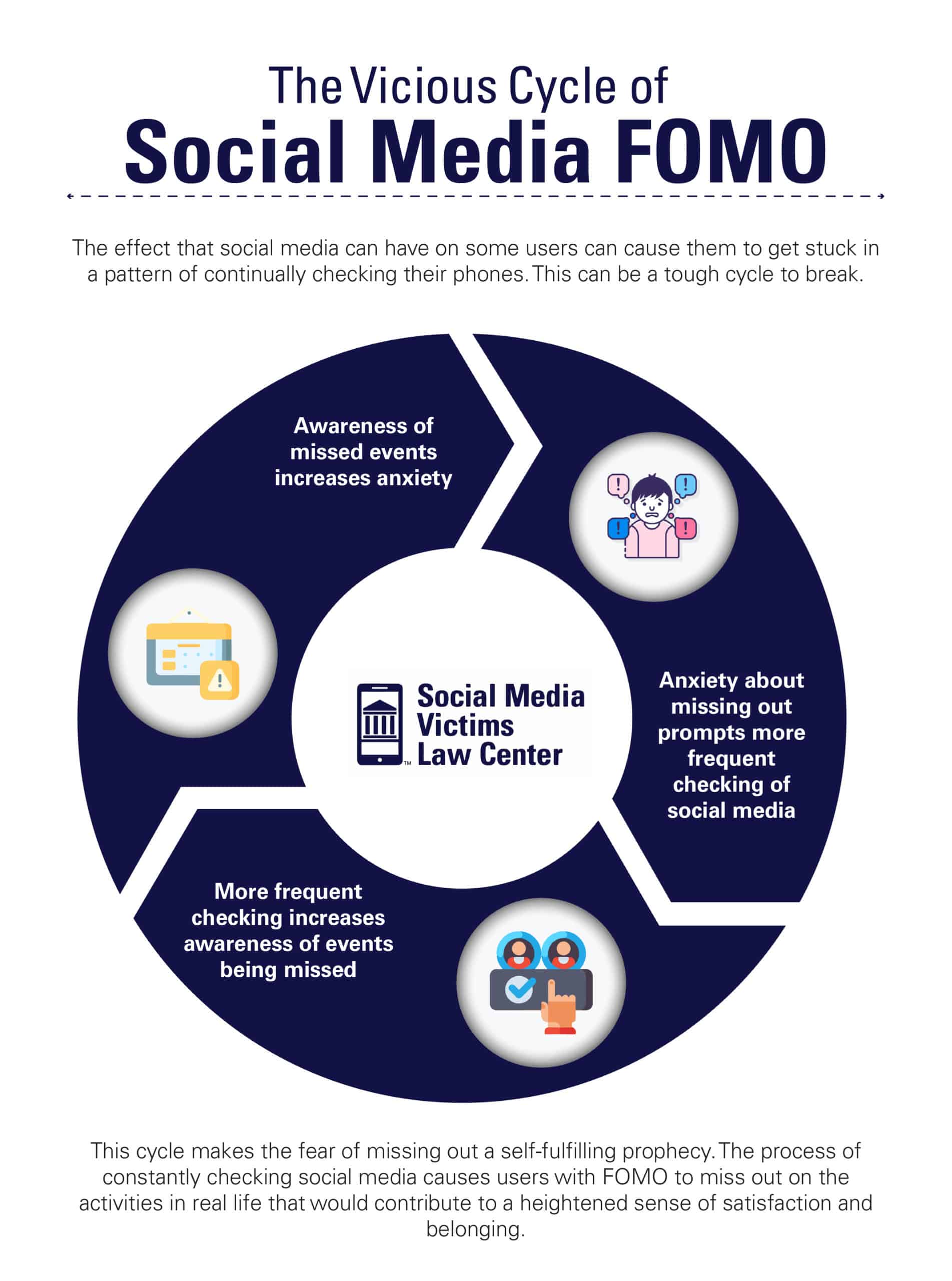
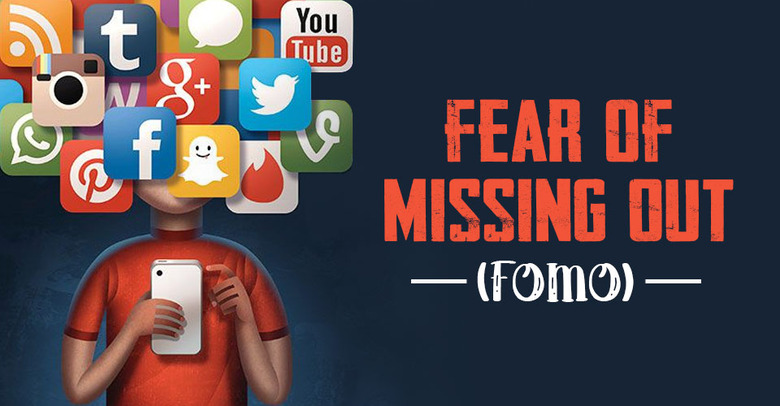
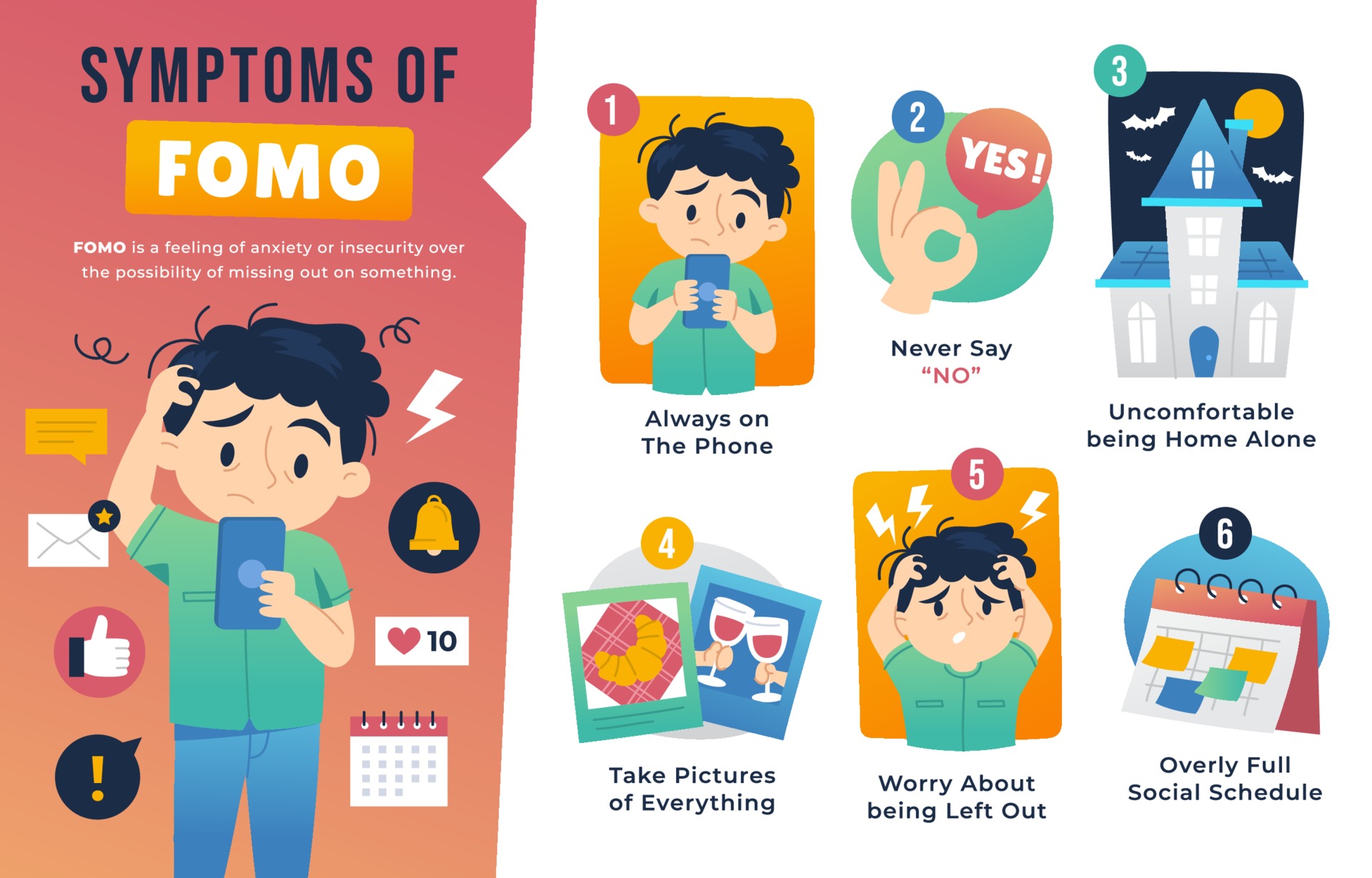
FOMO is the fear of missing out on experiences, events, or opportunities, driven by the pervasive use of social media and constant connectivity. This phenomenon has a significant impact on company culture, influencing employee behavior, productivity, and well-being. The constant comparison and sense of FOMO can lead to feelings of anxiety, stress, and loneliness, ultimately affecting employee performance and job satisfaction.Causes and Effects of FOMO in the Workplace
Study after study has shown that FOMO has a significant impact on employee behavior and mental health (Fitria et al., 2024; Synovate, 2024). The constant exposure to others' success and activities can create a sense of inadequacy, leading to decreased productivity and job satisfaction. Moreover, FOMO can also affect employee relationships, as seen in the comparison culture that arises from social media usage.- Impact on productivity: Research has shown that FOMO significantly impacts productivity, with employees spending more time on social media, leading to decreased work efficiency (Piggott et al., 2024).
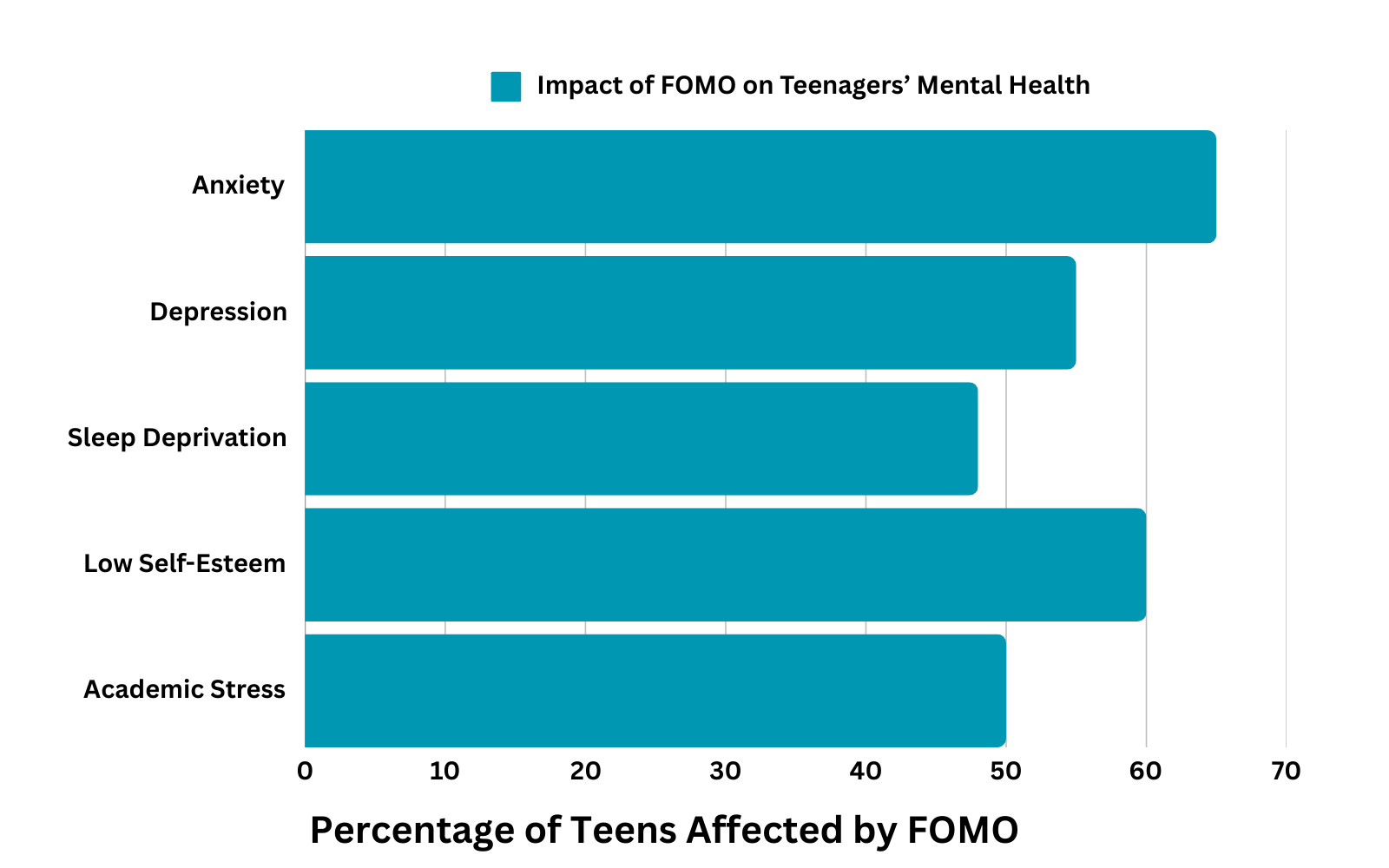
- Impact on well-being: FOMO can lead to increased anxiety, stress, and loneliness, affecting employees' overall mental health and well-being (Fitria et al., 2024).
- Impact on job satisfaction: The fear of missing out on opportunities can create a sense of inadequacy, leading to decreased job satisfaction and employee turnover (Synovate, 2024).
Strategies to Mitigate FOMO in the Workplace

- Encourage work-life balance: By promoting a healthy work-life balance, employees can manage their FOMO and maintain a healthy balance between work and personal life.
- Provide opportunities for socialization: Regular team-building activities and social events can help employees connect with colleagues and reduce feelings of isolation (Piggott et al., 2024).
- Implement FOMO-free zones: Designate specific areas or times of the day as FOMO-free zones to encourage employees to focus on their work and reduce distractions (Fitria et al., 2024).
- Promote self-care: Encourage employees to prioritize self-care and provide resources to manage stress and anxiety (Synovate, 2024).
.png "Use of Social Networks, FoMo and its Impact on Productivity and ...")