FOMO and its Effects on Business Reputation: A Critical Analysis
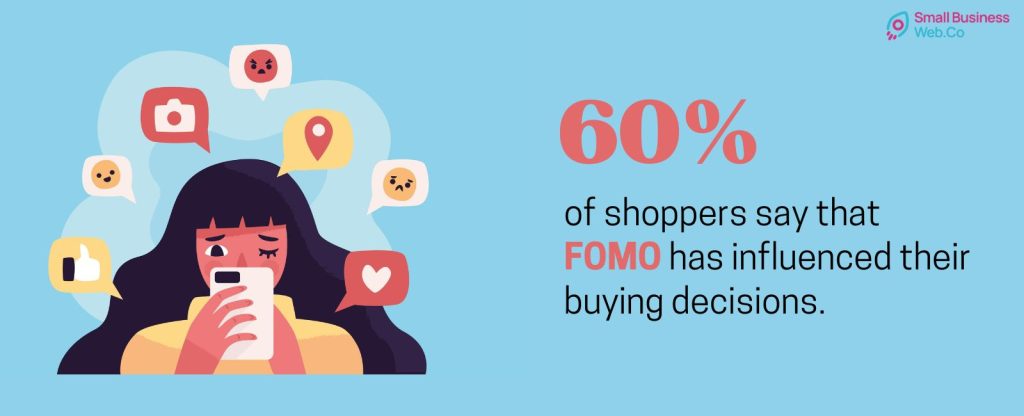
In today's fast-paced digital age, the concept of Fear of Missing Out (FOMO) has become a powerful driver in consumer behavior. FOMO is the feeling of anxiety or apprehension that online content and interactions from others are unseen and reacted to in a timely fashion. As a result, businesses have leveraged FOMO in their marketing strategies to boost engagement, sales, and customer loyalty. However, FOMO can have unintended consequences on business reputation, which is crucial for long-term success.
The Psychology Behind FOMO
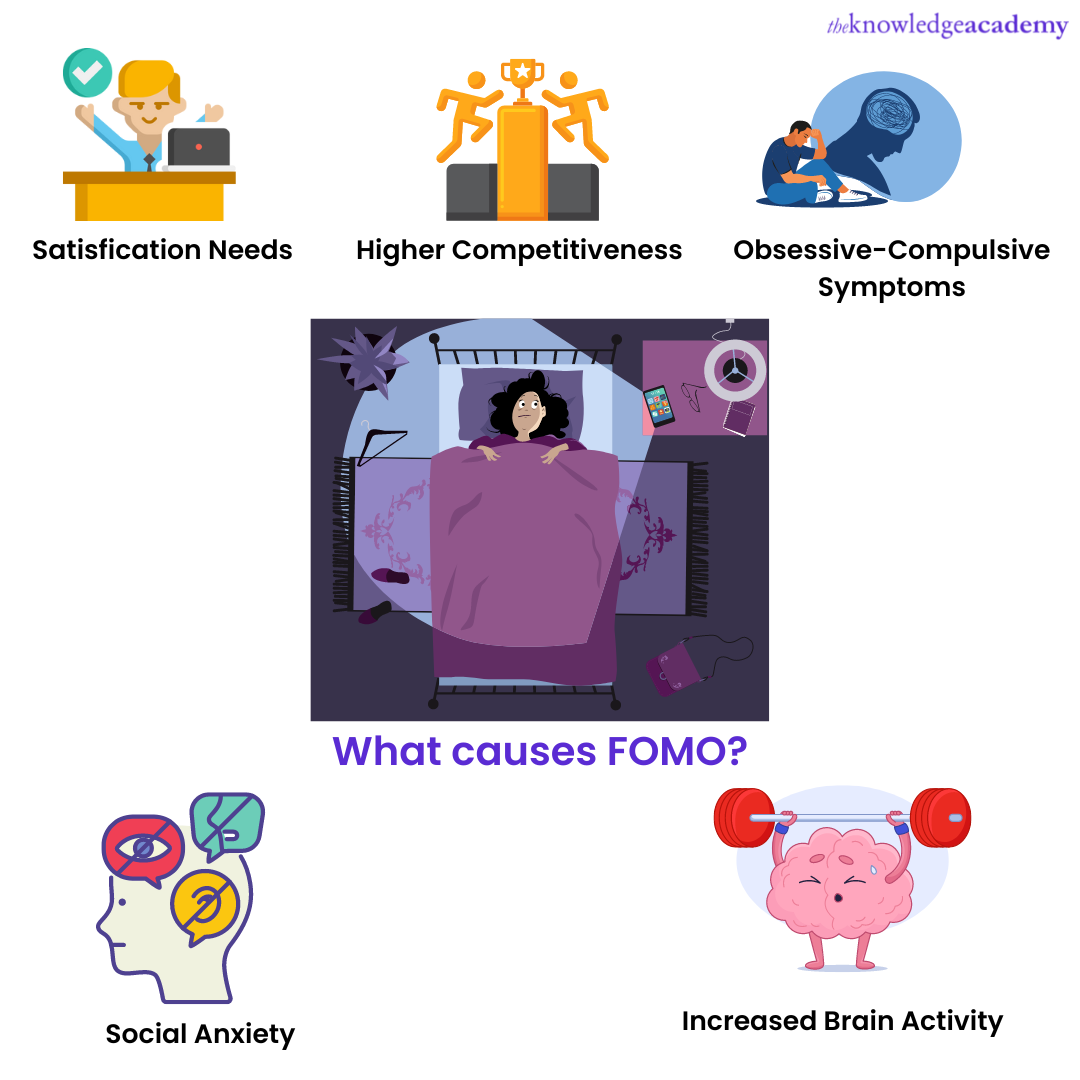
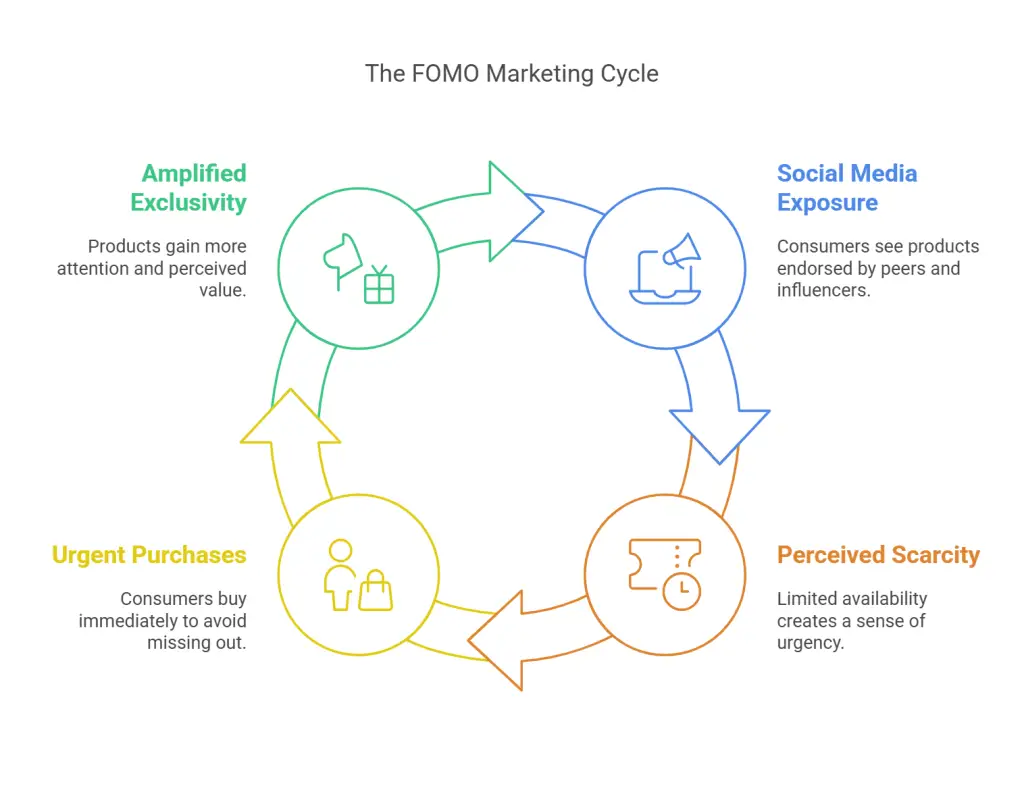
Research suggests that FOMO is linked to psychological triggers such as social proof, exclusivity, and scarcity. These triggers activate a person's desire to be part of a group, feel connected, and avoid missing out on opportunities. When executed intentionally, FOMO marketing can be a highly effective tool in stimulating consumer engagement. However, when left unchecked, FOMO can lead to addictive behaviors, anxiety, and decreased customer satisfaction.
Impact of FOMO on Business Reputation
FOMO can damage a brand's reputation in several ways:
-
Over-reliance on short-term gains
-
Manipulative marketing tactics
-
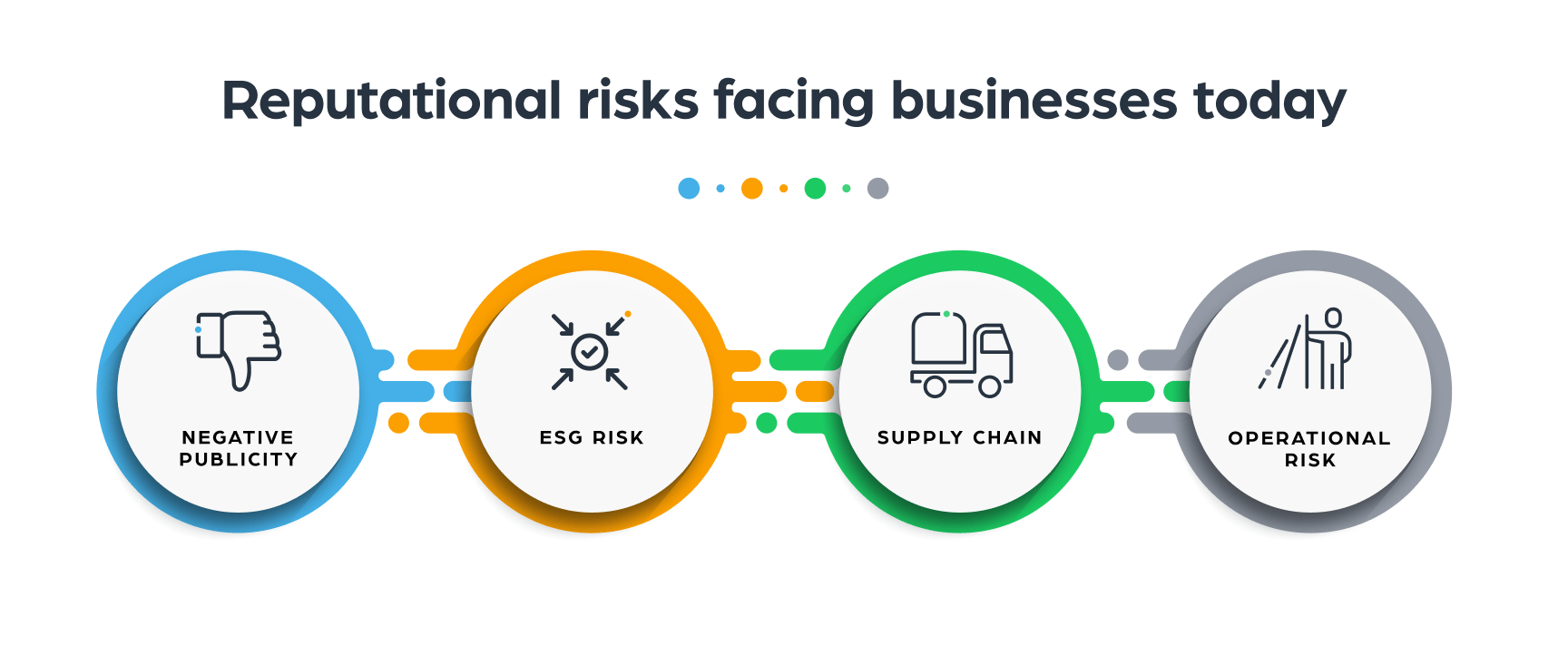
Shortcomings in product quality and supply chain management
-
Disregard for customer satisfaction and loyalty
-
Unsustainable business practices, such as overconsumption and fast fashion
Causes and Consequences of FOMO
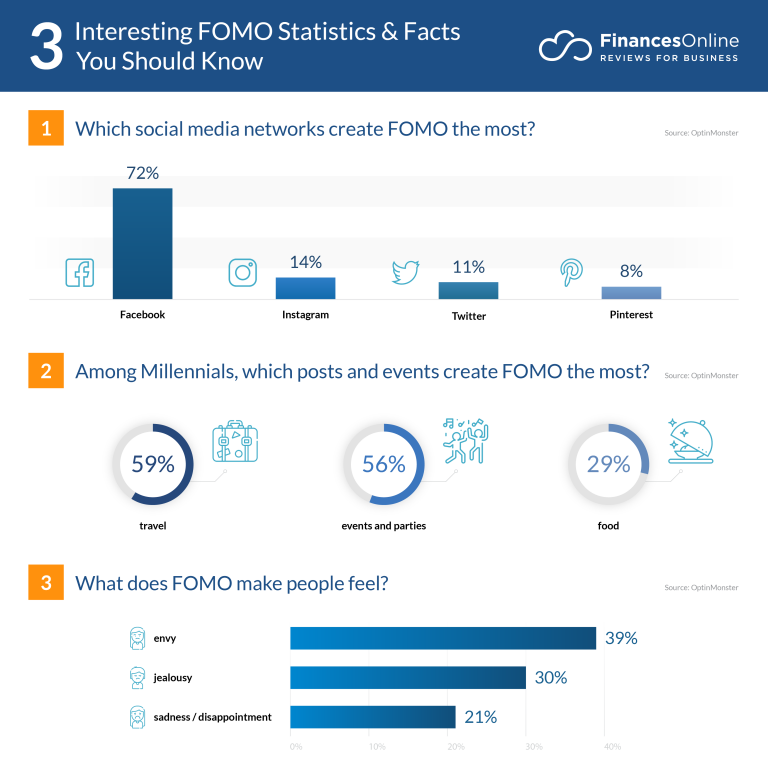
The popularity of social media platforms is a significant contributor to the spread of FOMO. Social networks and online influencers amplify the visibility of products, events, and experiences, creating a culture of competition and one-upmanship. The consequences of FOMO include:
-
Overconsumption and wastefulness
-
Impulsive spending, leading to financial difficulties
-
Decreased customer satisfaction and brand loyalty
-
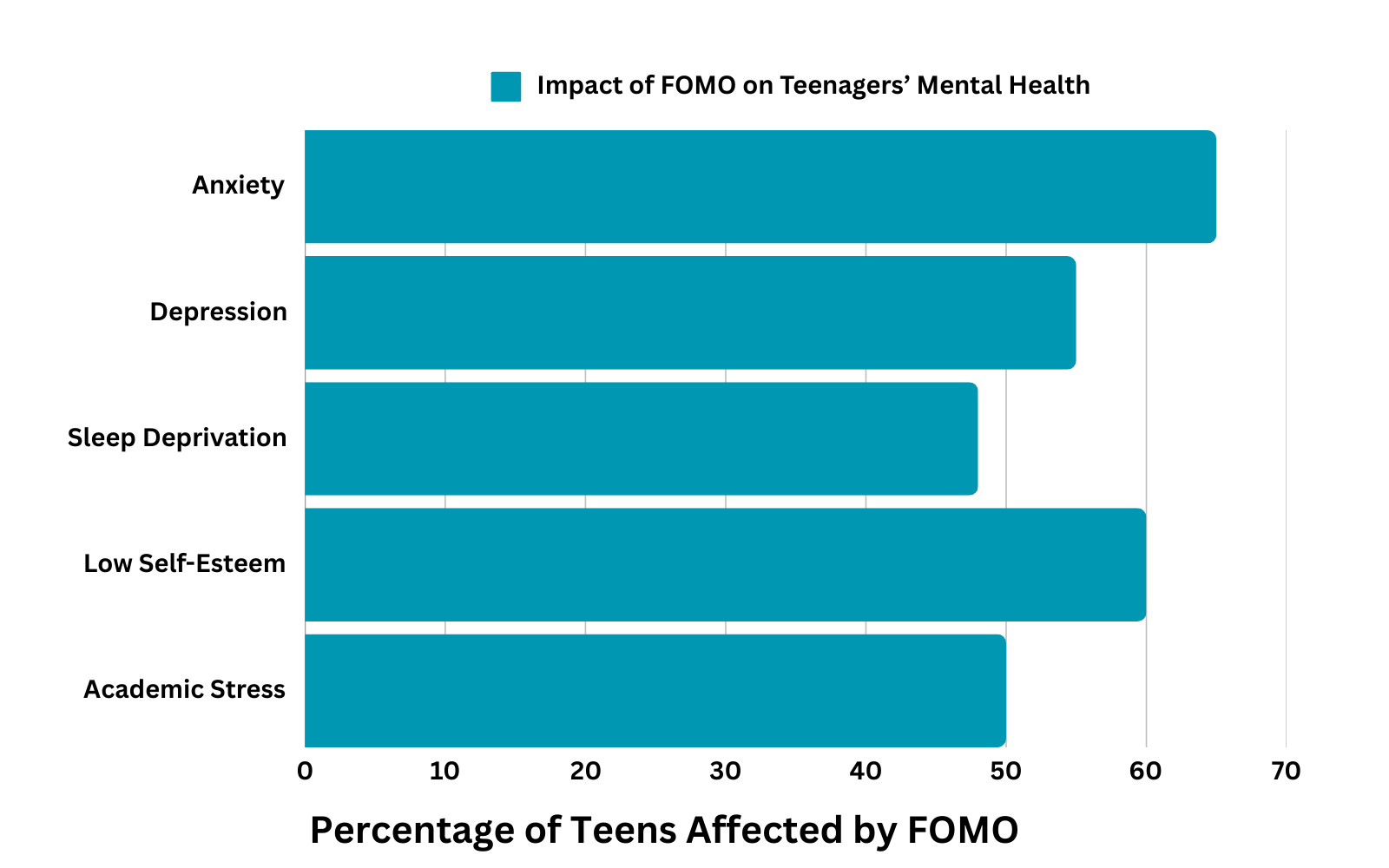
Increased stress, anxiety, and decreased mental well-being
Consequences for Businesses
Companies that rely heavily on FOMO marketing strategies often see short-term gains but may experience long-term consequences, such as:
-
Reputation damage due to manipulative or unsustainable practices
-
Decreased customer loyalty and retention
-
Increased customer complaints and negative reviews
-
Strained relationships with suppliers and partners due to unsustainable supply chain practices
Conclusion
While FOMO can be an effective marketing tool, it's essential for businesses to recognize its potential risks and consequences on their reputation. By understanding the psychological triggers behind FOMO, companies can develop more ethical and sustainable marketing strategies that prioritize customer satisfaction, loyalty, and long-term success.
Recommendations for Business Leaders
Business leaders can mitigate the negative effects of FOMO by:
-
Encouraging a culture of transparency and sustainability in their business practices
-
Developing marketing strategies that prioritize customer satisfaction and loyalty
-
Building strong relationships with suppliers and partners
-
Promoting education and awareness about the effects of FOMO on consumers and businesses