Mastering the Art of Drawing: Essential Techniques for Portraits
Creating a realistic portrait is a challenging and rewarding task that requires a combination of technical skills, creativity, and practice. Whether you're a budding artist or a seasoned professional, mastering the art of drawing portraits can elevate your artistic abilities and enhance your passion for art. In this article, we will explore the fundamental techniques and tips that will help you create stunning portraits.
A Guide to Mastering Drawing Techniques for Portraits
Before diving into the techniques, it's essential to understand the basics of drawing portraits. A portrait is more than just a representation of a person; it's a reflection of their unique features, personality, and emotions. To capture these elements accurately, you need to understand the fundamental principles of drawing, including proportions, perspective, and shading.
Proportion and Measure
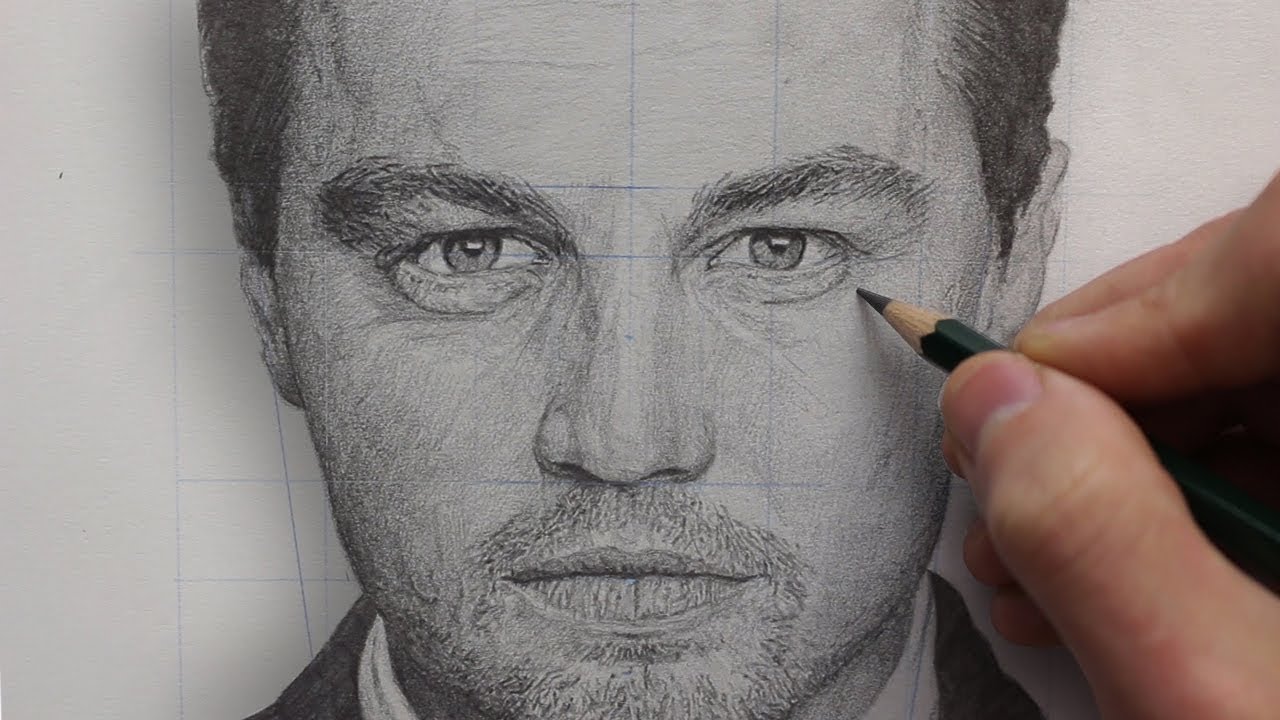
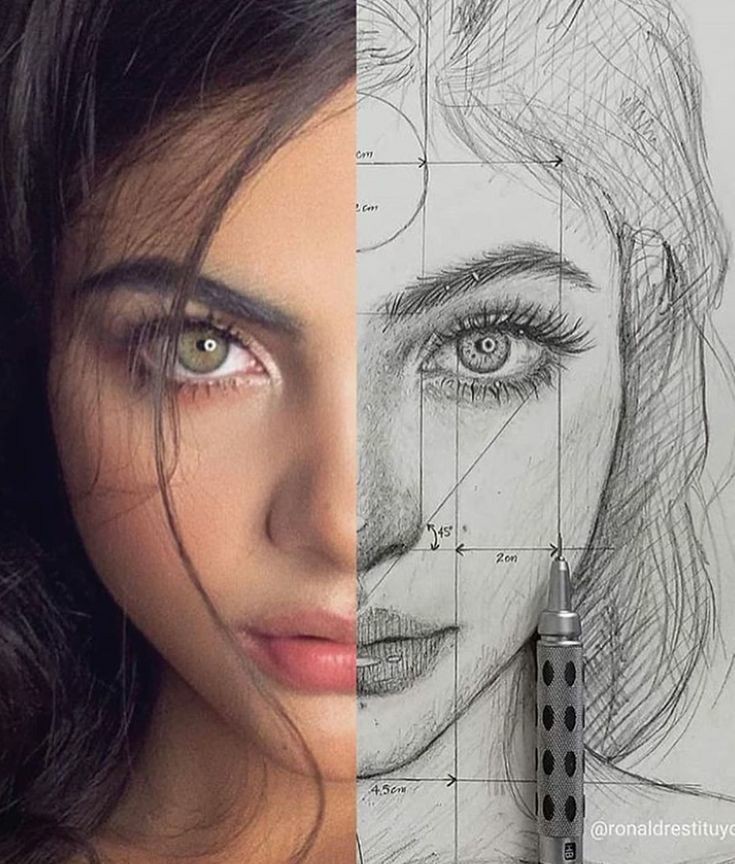
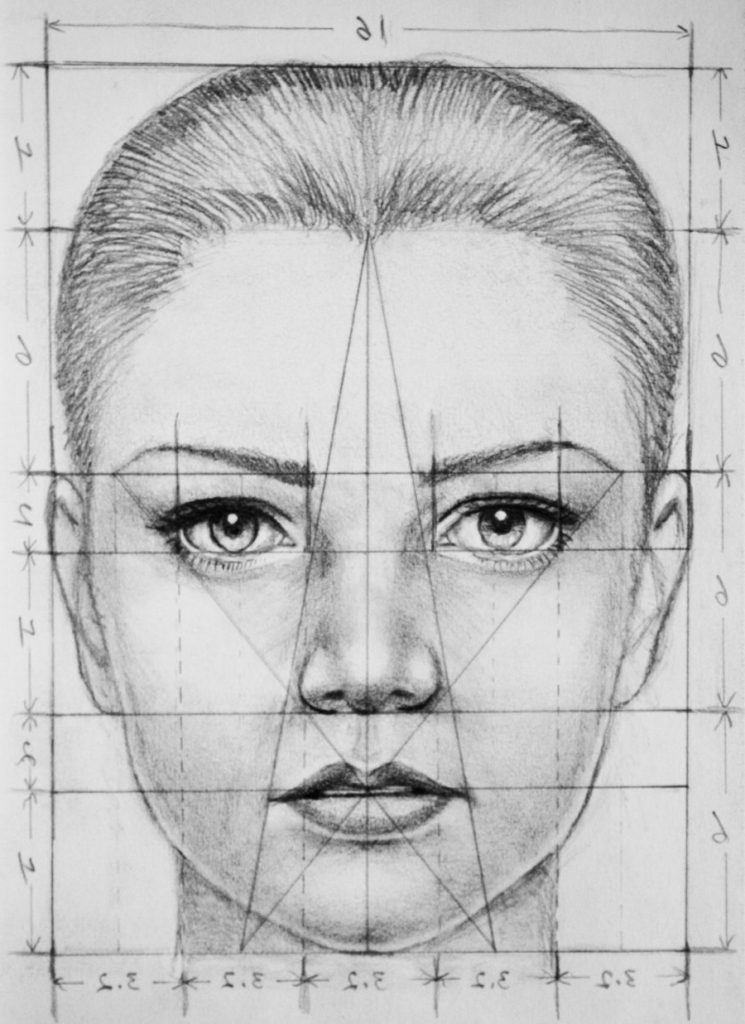
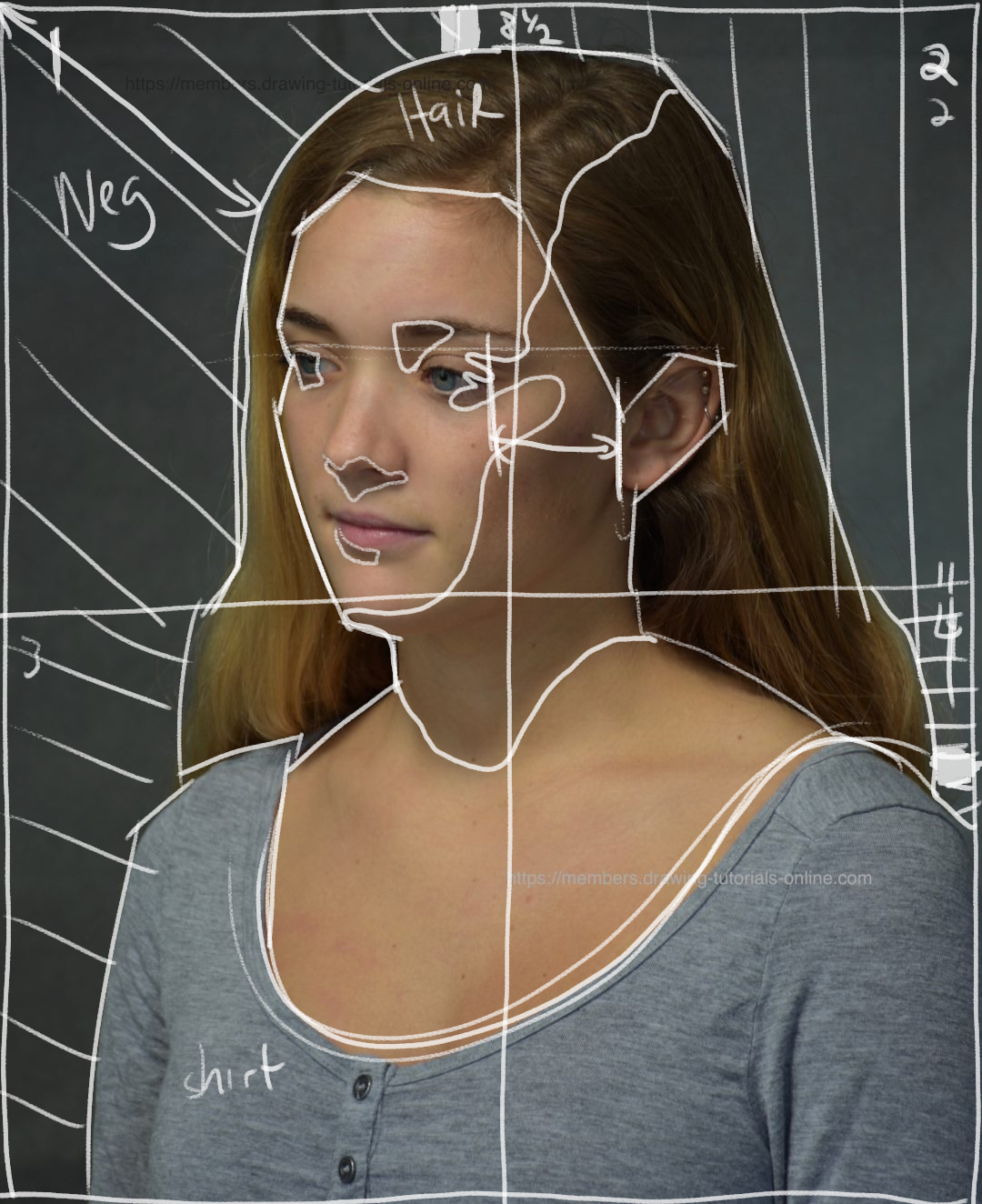
The key to drawing accurate portraits lies in getting the proportions right. A good portrait should be symmetrical, with the features balanced in harmony. To achieve this, use a reference image or a still-life model to get an accurate measurement of the subject's size and proportions. The 1/2, 1/3, and 2/3 proportions are fundamental rules to follow when drawing portraits.
Shading and Texture
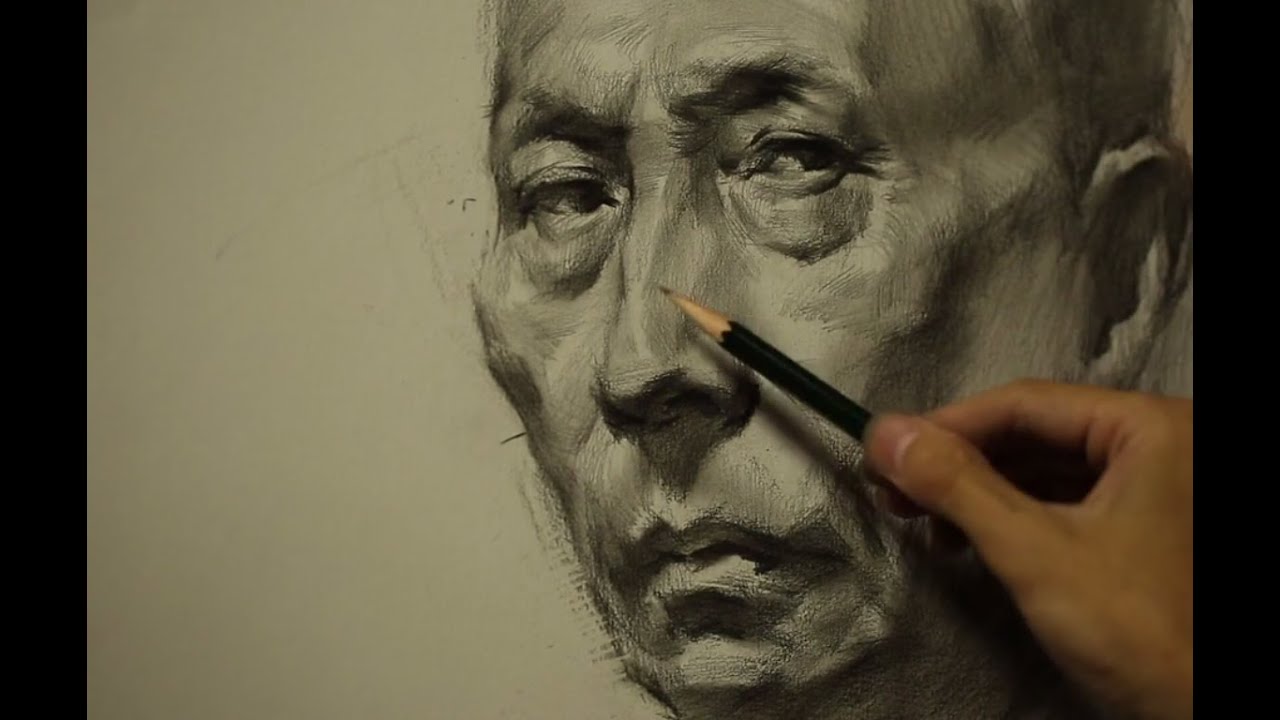
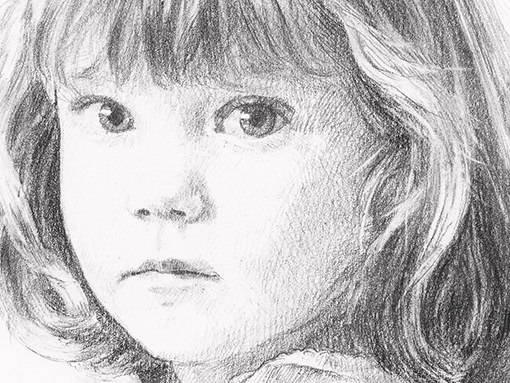
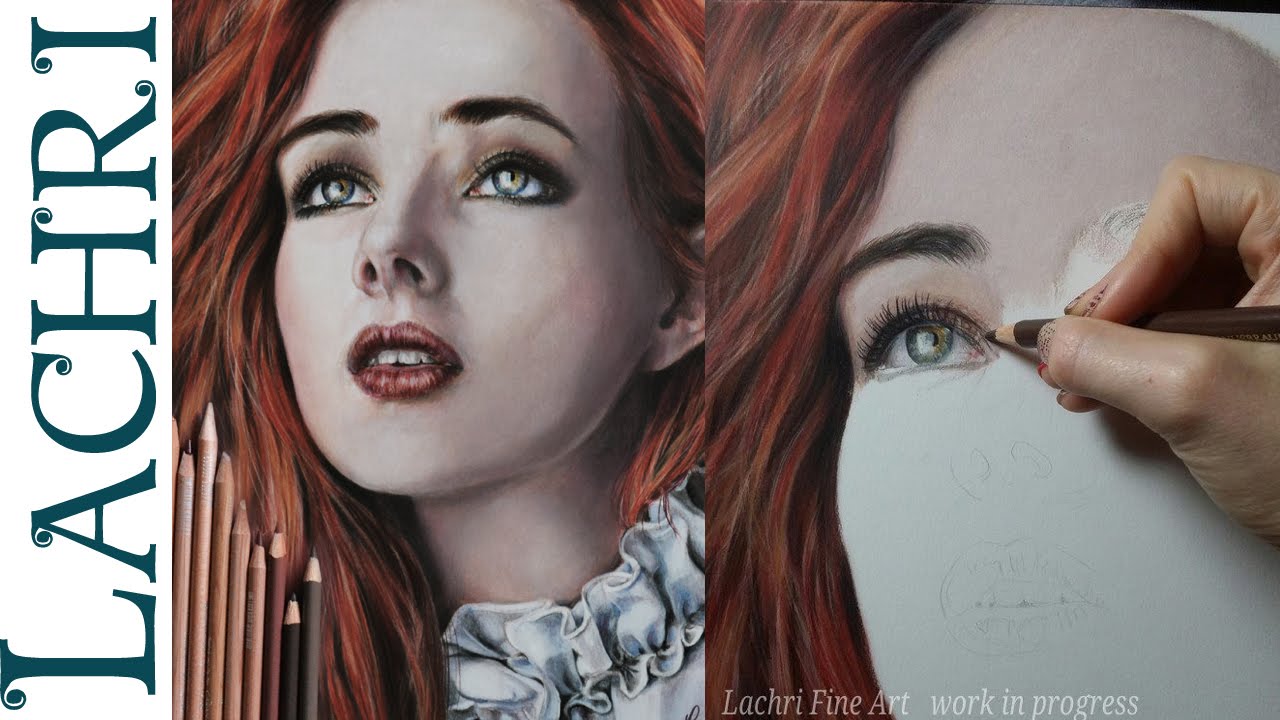
Shading is an essential aspect of drawing portraits, as it creates depth, volume, and a sense of three-dimensionality. To master shading, learn to observe the play of light on your subject's skin, which will guide you in creating subtle and realistic transitions between light and dark areas. Practice different shading techniques, such as hatching, cross-hatching, and stippling, to achieve varying textures and effects.
Face Types and Features
Each face is unique, and it's essential to capture the distinctive features of your subject. Understand the different types of faces, including oval, heart-shaped, square, and round, and how they relate to various personality traits and physical characteristics. Pay attention to the shape, size, and proportions of the eyes, nose, lips, and other facial features to capture the essence of the subject.

Portraits from Photos or Life
When drawing portraits from photos or life, it's crucial to observe the subtleties of expression and capture the nuances of the subject's emotions. Study the way the subject interacts with their environment, the way they sit, stand, or facial expressions, which will help you create a more realistic and engaging portrait.
Digital Painting and Drawing
With the rise of digital art tools and software, creating portraits has become more accessible than ever. Explore the various digital painting and drawing programs, such as Procreate, Adobe Photoshop, or Corel Painter, to capture the subtleties of human features and textures. These programs offer you more creative freedom and flexibility when working with color, texture, and lighting.
Unlocking Realism: Essential Tips for Drawing Portraits
Here are the essential tips to help you unlock realism in your portrait drawings:
- Attend to proportions and measurements. Ensure that your portrait is proportionate and balanced.
- Observe and study skin texture and tone. Learn to capture the subtle differences in skin tone and texture.
- Practice shading and chiaroscuro. Learn to achieve subtle transitions between light and dark areas.
- Use reference images. Use reference images to capture the essence of your subject's features and expressions.
- Practice and experiment. Regularly practice drawing portraits and experiment with different techniques and tools.
Conclusion
Mastering the art of drawing portraits requires patience, dedication, and practice. By following the essential techniques and tips outlined in this article, you'll be well on your way to creating stunning portraits that capture the essence of your subject. Whether you're a beginner or a seasoned artist, remember to stay curious, be persistent, and always strive for improvement.