Dopamine Loops in Guilt: A Comprehensive Guide to Understanding the Mechanism and Breaking the Cycle
We've all been there - stuck in a cycle of guilt, replaying the same thoughts and emotions over and over again. But have you ever wondered what's driving this cycle? The answer lies in the complex interplay between dopamine, guilt, and our brain's reward system. In this article, we'll delve into the mechanisms of dopamine loops in guilt, and explore strategies to break the cycle and find relief.
What are Dopamine Loops in Guilt?
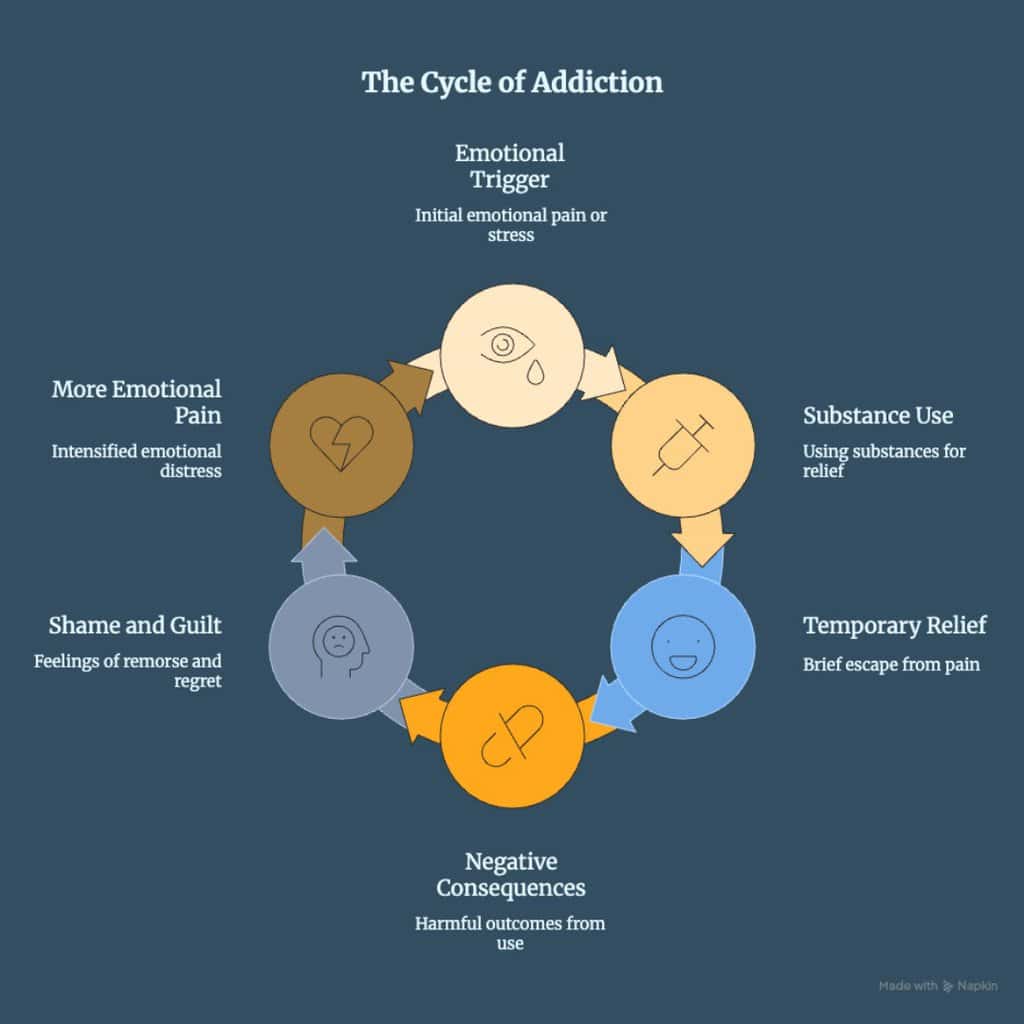
Dopamine loops in guilt refer to the tendency for guilt to become a self-reinforcing cycle, where our brain's reward system is triggered repeatedly, perpetuating feelings of guilt and regret. This occurs when we replay past mistakes or negative experiences, and our brain's dopamine system is activated, releasing the "feel-good" neurotransmitter associated with pleasure and reward.
The Role of Dopamine in Guilt
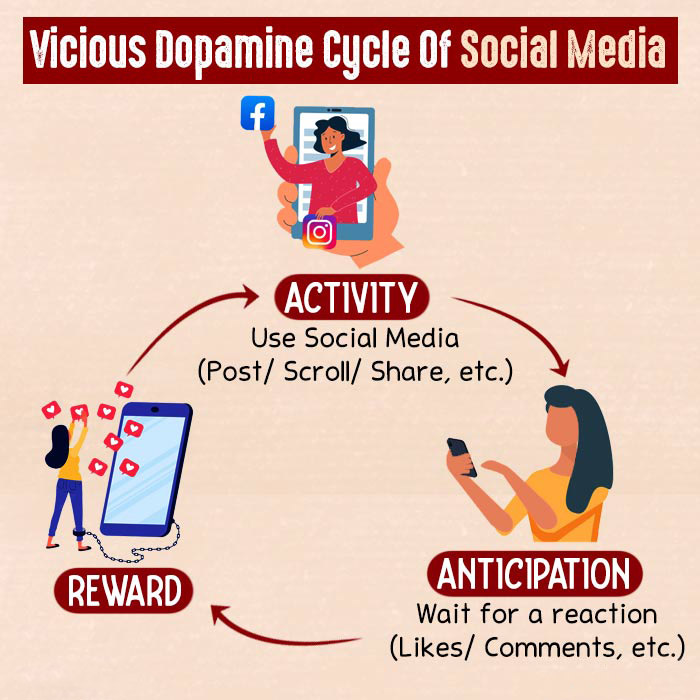
Dopamine plays a crucial role in the guilt cycle, as it's responsible for reinforcing behaviors that are associated with feelings of pleasure or reward. However, in the case of guilt, dopamine is released in response to negative thoughts and emotions, creating a loop that's difficult to break. When we experience guilt, our brain releases dopamine, which can create a feedback loop, where we continue to replay the guilty thoughts and emotions, perpetuating the cycle.
The Consequences of Dopamine Loops in Guilt
The dopamine loops in guilt can have severe consequences on our mental health and wellbeing. Chronic guilt can lead to anxiety, depression, and a diminished sense of self-worth. The constant replaying of negative thoughts and emotions can also erode our confidence and self-esteem, making it harder to break free from the cycle.
Breaking the Dopamine Loops in Guilt

So, how can we break the cycle of guilt and shame? Here are some strategies to help you overcome dopamine loops in guilt:
- Cognitive-Behavioral Therapy (CBT): CBT is a powerful tool in breaking the guilt cycle. By identifying and challenging negative thought patterns, we can learn to reframe our experiences and emotions, reducing the grip of guilt on our minds.
- Mindfulness and Meditation: Practicing mindfulness and meditation can help us develop greater self-awareness, allowing us to recognize and challenge negative thought patterns before they escalate into full-blown guilt.
- Self-Compassion: Treating ourselves with kindness and compassion can help us develop a more positive relationship with ourselves, reducing feelings of guilt and shame.
- Seeking Support: Talking to a therapist, friend, or family member can provide a safe space to process our emotions and develop a plan to overcome guilt and shame.
Conclusion
In conclusion, dopamine loops in guilt are a complex phenomenon that requires a comprehensive understanding of the brain's reward system and the role of dopamine in guilt. By recognizing the mechanisms driving the guilt cycle and utilizing strategies such as CBT, mindfulness, self-compassion, and seeking support, we can break the cycle of guilt and shame, freeing ourselves from the grip of negative emotions.
References:
For further reading, consider the following resources:
- WhatIs.com: Feedback Loop
- Dec 12, 2017: The Switch Former Facebook VP says social media is destroying society with 'dopamine-driven feedback loops'
- Jan 30, 2026: Dopamine, a feel-good chemical, has a direct impact on your mental health. Learn about what this hormone does and how to balance your dopamine levels.