Connecting Monitors to Computer Setup: A Comprehensive Guide
Are you looking to enhance your productivity and multitasking capabilities by connecting multiple monitors to your computer setup? Look no further! In this article, we will provide a step-by-step guide on how to connect monitors to your computer setup, troubleshoot common issues, and explore the benefits of using multiple monitors.
Why Connect Multiple Monitors to Your Computer Setup?
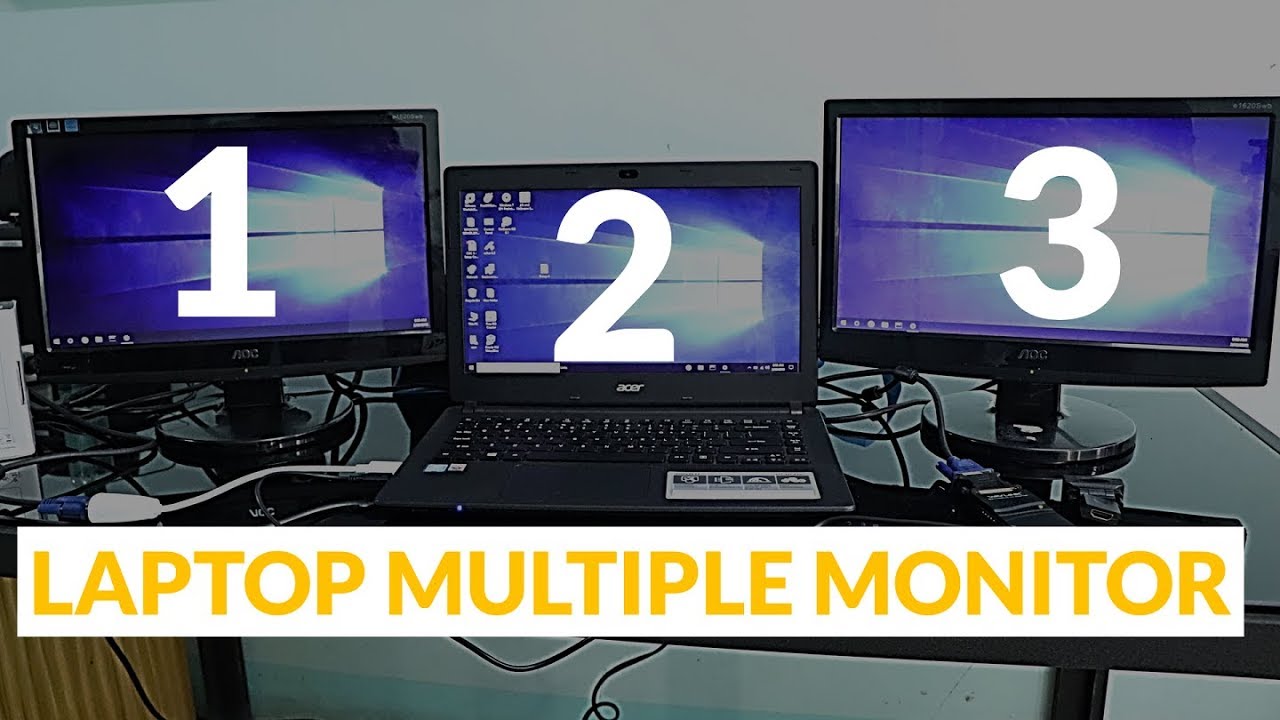
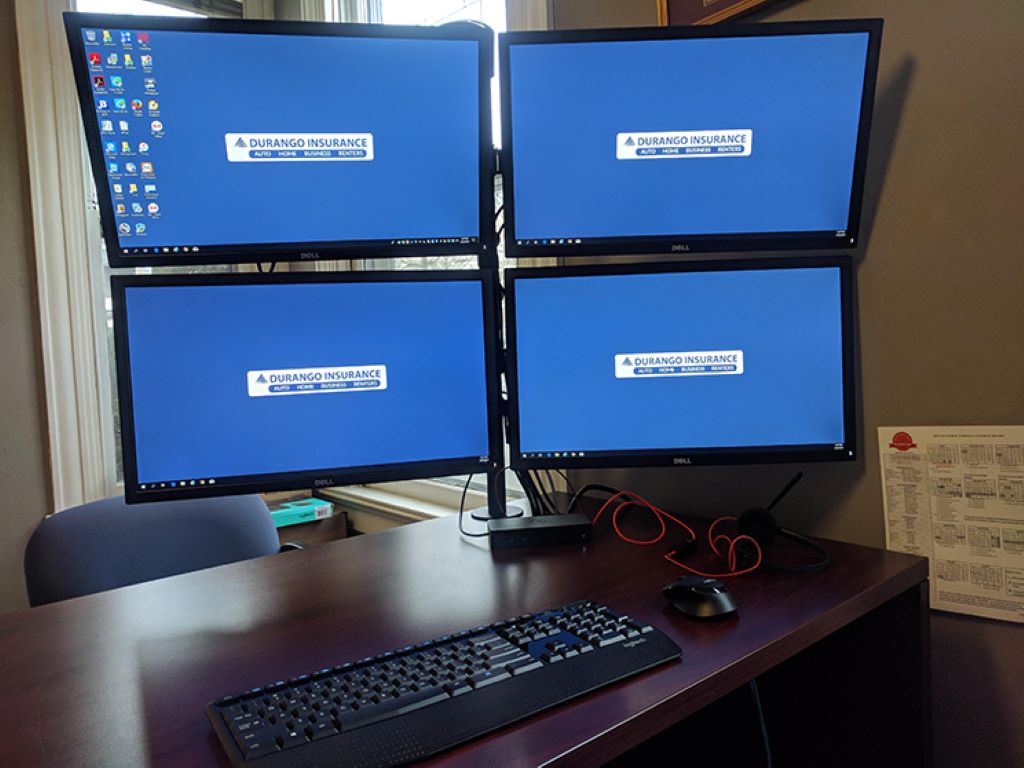
Connecting multiple monitors to your computer setup can significantly enhance your productivity, whether you're working from home, gaming, or simply enjoying your favorite movie. By extending your screen real estate, you can easily manage multiple tasks simultaneously, increase your workflow, and reduce eye strain.
Types of Monitors Available
- LCD Monitors: LCD (Liquid Crystal Display) monitors use a liquid crystal display to produce images. They are popular for their thinness and energy efficiency.
- LED Monitors: LED monitors use an array of light-emitting diodes to produce images. They are known for their thinness, high color accuracy, and power efficiency.
- OLED Monitors: OLED (Organic Light-Emitting Diode) monitors use an organic material to produce images. They are popular for their high color accuracy, contrast ratio, and power efficiency.
- IPS Monitors: IPS (In-Plane Switching) monitors use a panel that can preserve color accuracy. They are known for their wide viewing angles and vibrant colors.
How to Connect Monitors to Your Computer Setup
Step 1: Prepare Your Computer and Monitors
Before connecting your monitors to your computer setup, ensure that your computer and monitors are turned off and unplugged. Position your monitors so that they are at eye level and facing you at an angle.
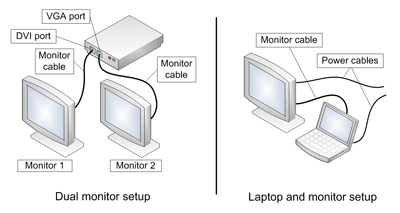
Step 2: Connect Your Monitors
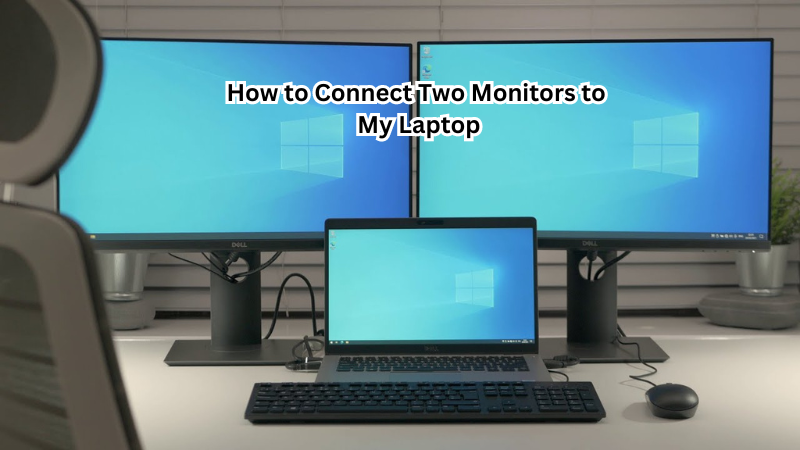
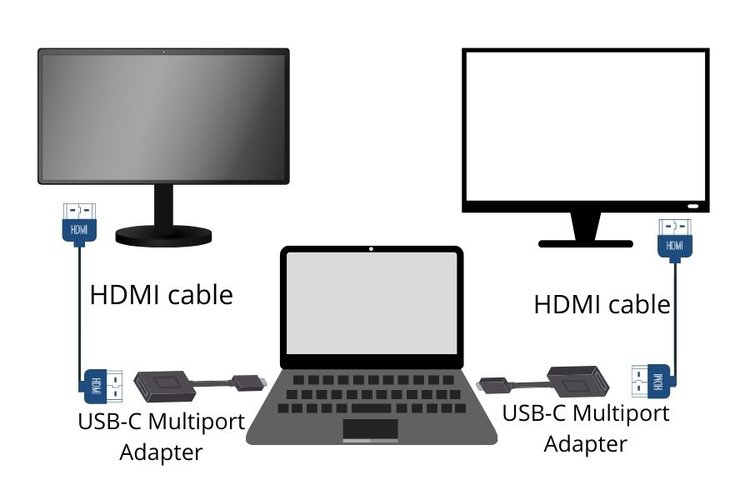
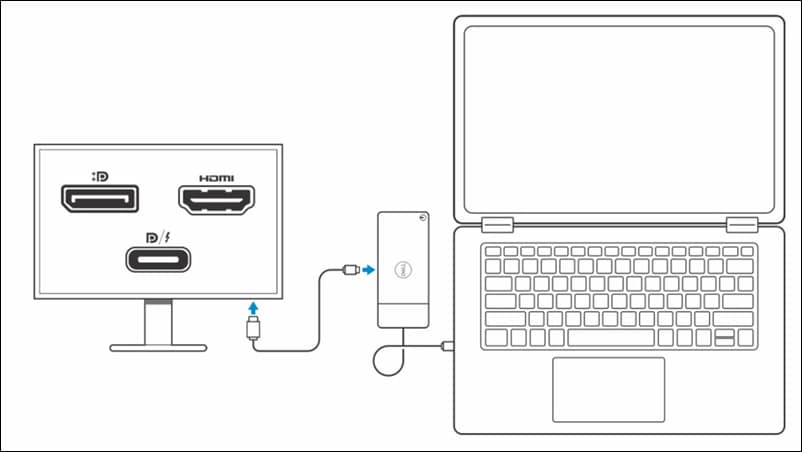
Connect your monitors to your computer using a video cable, such as an HDMI or DisplayPort cable. Make sure to connect the correct cable to the correct port on your computer and monitor.
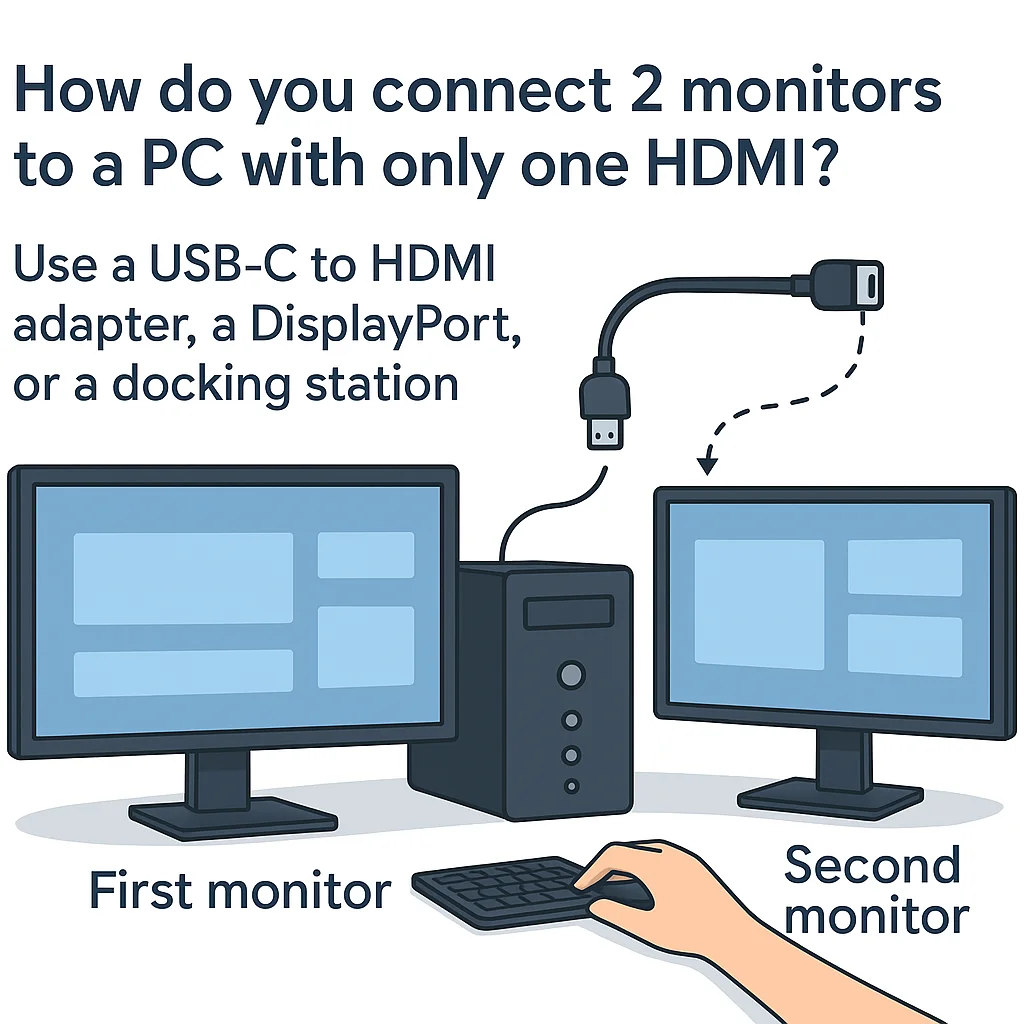
Step 3: Configure Your Display Settings
Once you have connected your monitors, configure your display settings to extend your desktop across multiple monitors. You can do this by right-clicking on your desktop, selecting "Display settings," and following the on-screen instructions.
Troubleshooting Common Issues
If you are experiencing issues with your multiple monitor setup, try the following troubleshooting steps:
- Check Your Video Cables: Ensure that your video cables are securely connected to both your computer and monitors.
- Check Your Display Settings: Verify that your display settings are configured to extend your desktop across multiple monitors.
- Update Your Graphics Drivers: Ensure that your graphics drivers are up-to-date to avoid any compatibility issues.
Benefits of Using Multiple Monitors
Using multiple monitors can significantly enhance your productivity, multitasking capabilities, and overall computing experience. Some of the benefits of using multiple monitors include:
- Increased Productivity: By easily managing multiple tasks simultaneously, you can increase your workflow and reduce eye strain.
- Improved Multitasking: With multiple monitors, you can compare documents, charts, and other visual aids side-by-side, making multitasking a breeze.
- Enhanced Gaming Experience: Using multiple monitors can provide an immersive gaming experience, allowing you to fully engage in your favorite games.
Conclusion
Connecting multiple monitors to your computer setup can significantly enhance your productivity, multitasking capabilities, and overall computing experience. By following the steps outlined in this article, you can easily connect multiple monitors to your computer setup and troubleshoot common issues. So, take your computing experience to the next level by connecting multiple monitors to your computer setup today!