Causes of Information Overload
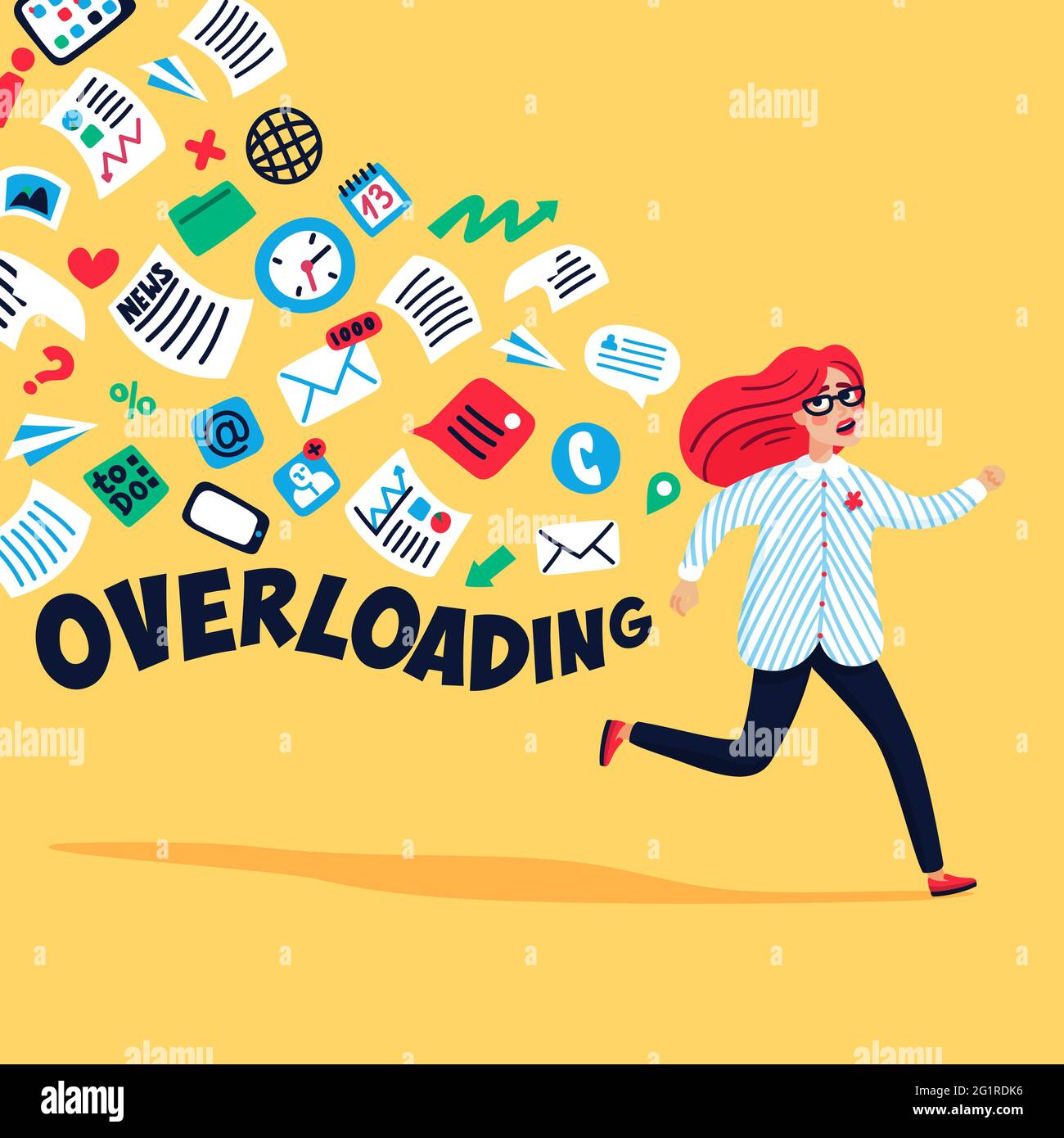
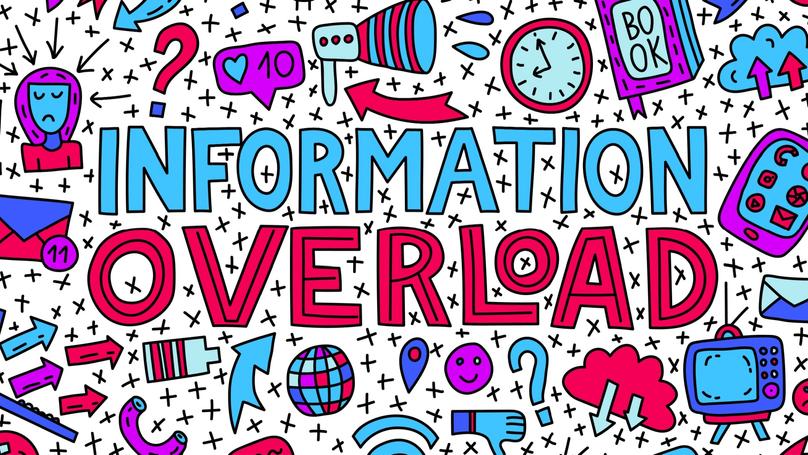
Information overload, also known as infobesity, infoxication, or information anxiety, is a state of being overwhelmed by the excessive amount of information available. This phenomenon is a significant problem in today's digital age, where data is constantly being generated and disseminated through various channels such as the internet, social media, news outlets, and emails.
The Proliferation of Digital Communication Tools
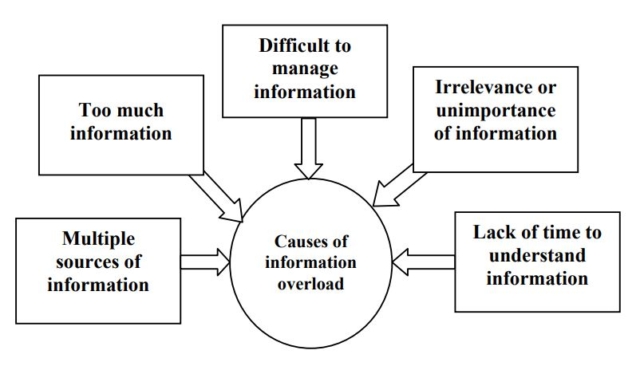
One of the primary causes of information overload is the proliferation of digital communication tools. Emails, instant messaging, social media, news feeds, and other digital channels constantly push new information, making it difficult for individuals to keep up with the vast amount of data.
The Vast Amount of Data Available
The internet and digital archives provide access to an unprecedented volume of information, which can be overwhelming for individuals. The sheer amount of data available can lead to a state of information overload, making it difficult for people to process and manage the information effectively.
Multiple Sources of Information
Another significant cause of information overload is the availability of multiple sources of information. With the rise of social media, news outlets, and online publications, individuals are exposed to a wide range of information from various sources, making it challenging to distinguish between credible and non-credible sources.
Pressure to Produce Excessive Content
Pressure to produce excessive content is another significant cause of information overload. In academic settings, students and researchers are often required to produce large amounts of content within a short period, leading to a state of information overload.
The Cost of Information Overload
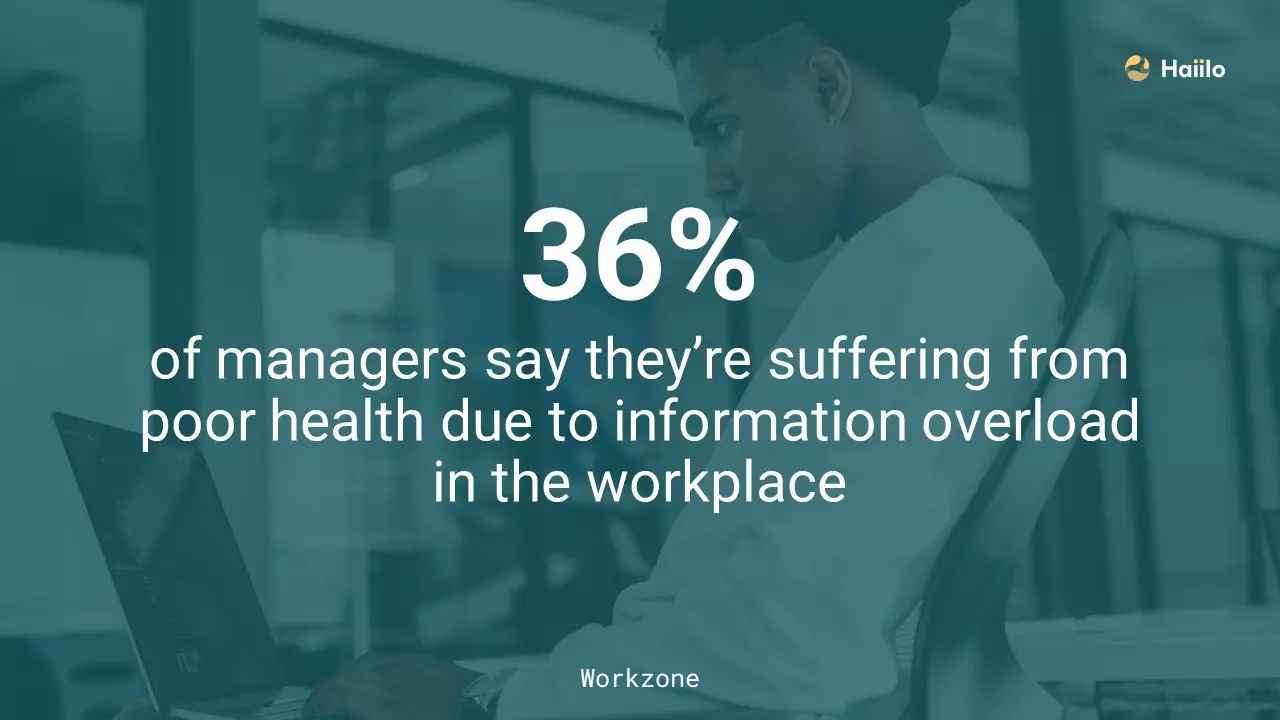
Information overload can have significant costs, including decreased productivity, mental fatigue, and poor decision-making. A study by Gartner found that 38% of employees reported receiving an excessive amount of information, leading to decreased productivity and mental fatigue.
Symptoms of Information Overload
The symptoms of information overload include lack of concentration, hurriedness, and mental fatigue. When individuals experience information overload, they may feel overwhelmed, anxious, and stressed, making it challenging to focus and make decisions effectively.
Solutions to Information Overload
To prevent information overload, individuals can implement several strategies, including:
- Setting boundaries and limits on digital communication tools
- Using information filtering tools to prioritize and categorize information
- Developing critical thinking skills to evaluate and distinguish between credible and non-credible sources
- Implementing time management techniques to prioritize tasks and manage workload
- Seeking support from colleagues, mentors, or mental health professionals when needed
Conclusion
Information overload is a pervasive problem in today's digital age, caused by the proliferation of digital communication tools, the vast amount of data available, multiple sources of information, and pressure to produce excessive content. Understanding the causes of information overload and implementing effective strategies to prevent it is crucial for maintaining productivity, mental health, and well-being.