Break the Debt Cycle: A Comprehensive Guide to Financial Freedom
Are you tired of feeling trapped in a cycle of debt? Do you struggle to make ends meet, with high-interest rates and recurring financial struggles keeping you from achieving financial freedom? You're not alone. Breaking the debt cycle is a challenging task, but with the right strategies and mindset, it's achievable.
Understanding the Debt Cycle
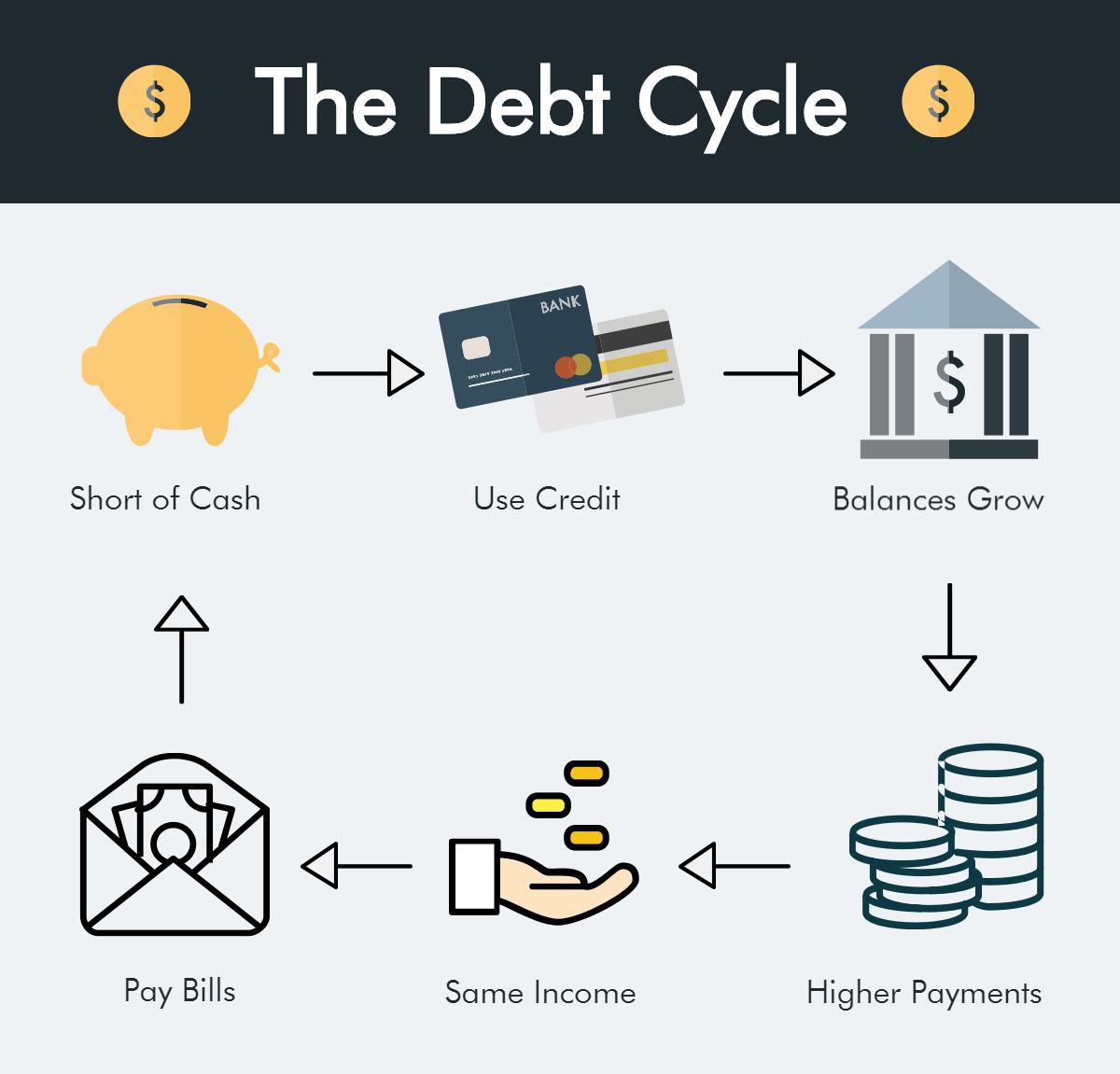
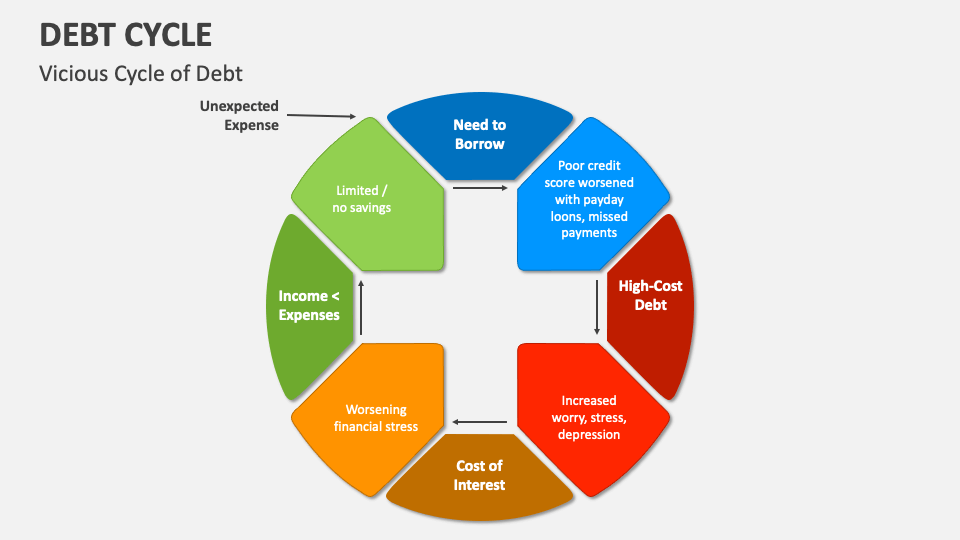
The debt cycle typically involves accumulating debt, high-interest rates, and recurring financial struggles. It's a vicious cycle that can be difficult to break, but understanding the root causes of debt is key to escaping it. When borrowing becomes a necessity rather than a choice, individuals turn to debt to cover everyday expenses, medical bills, or emergencies.
Core Strategies for Breaking the Debt Cycle
- Increase Your Financial Literacy: Understanding interest calculations, loan terms, and the long-term impact of compound interest is crucial to breaking the debt cycle. Knowledge is power, and the more you know about personal finance, the better equipped you'll be to make informed decisions.
- Create a Budget: A budget is a necessary tool for managing debt. It helps you track your income and expenses, identify areas where you can cut back, and make a plan to pay off debt. Remember, a budget is not a one-time event, but an ongoing process that requires regular monitoring and adjustments.
- Develop a Debt Repayment Plan: A debt repayment plan outlines your strategy for paying off debt, including the order in which you'll tackle each debt, the amount you'll pay each month, and any strategies you'll use to stay on track.
- Build an Emergency Fund: An emergency fund is a safety net that catches you when life happens. It helps you avoid going further into debt when unexpected expenses arise, and it gives you the flexibility to make extra payments on your debt.
- Seek Support: Breaking the debt cycle can be lonely, but it doesn't have to be. Seek support from a financial advisor, a credit counselor, or a support group to help you stay motivated and accountable.
Effective Strategies for Breaking the Debt Cycle
Breaking the debt cycle requires a multifaceted approach that combines knowledge, discipline, and practical tactics. Here are some effective strategies to help you get out of debt:
- Pay More Than the Minimum: Paying more than the minimum payment on your debt can help you pay off the principal balance faster and reduce the amount of interest you owe.
- Consider Debt Consolidation: Debt consolidation involves combining multiple debts into one loan with a lower interest rate and a single monthly payment. This can simplify your finances and make it easier to pay off debt.
- Use the Snowball Method: The snowball method involves paying off debts with the smallest balances first, while making minimum payments on larger debts. This approach can help you build momentum and see progress faster.
- Automate Your Payments: Setting up automatic payments can help you stay on track with your debt repayment plan and avoid late fees.
Conclusion
Breaking the debt cycle is a challenging task, but it's achievable with the right strategies and mindset. By understanding the root causes of debt, creating a budget, developing a debt repayment plan, building an emergency fund, and seeking support, you can overcome the debt cycle and achieve financial freedom. Remember, breaking the debt cycle is a journey, not a destination. Stay committed, stay patient, and you'll be on your way to a debt-free future.
Additional Resources
For more information on breaking the debt cycle and achieving financial freedom, check out the following resources: